The Importance of Regular Health Check-Ups for Preventative Care
Today, we’re going to dive into the realm of preventative healthcare, specifically focusing on the essential role that regular health…
The Importance of Regular Health Check-Ups for Preventative Care

Today, we’re going to dive into the realm of preventative healthcare, specifically focusing on the essential role that regular health check-ups play in this context. This comprehensive guide should act as a resource for healthcare professionals, or those seeking healthcare services, interested in understanding how comprehensive healthcare staffing agencies, private nurses, beneficiary attendants, and palliative care nursing can significantly contribute to preventative care.
Regular Health Check-ups: An Integral Component of Preventative Care
Preventative care is the cornerstone of a healthy life, with regular health check-ups serving as its essential building blocks. They act as our first line of defense, helping in the early detection and prevention of diseases, ensuring that we remain in our prime health for as long as possible.
They say, “An ounce of prevention is worth a pound of cure,” and this couldn’t be more accurate when it comes to healthcare. Regular check-ups allow healthcare providers to nip potential health problems in the bud, making treatment more manageable, less invasive, and more likely to succeed.
The Role of Healthcare Staffing Agencies in Preventative Care
Healthcare staffing agencies play a vital role in preventative care by ensuring the provision of skilled and experienced healthcare professionals, including private nurses and beneficiary attendants, who are essential in monitoring and maintaining patients’ health. Staffing agencies ensure that these health professionals are readily available when needed, bringing top-notch care directly to patients, thereby contributing significantly to the healthcare system’s efficiency.
Impact of Private Nurses on Preventative Care
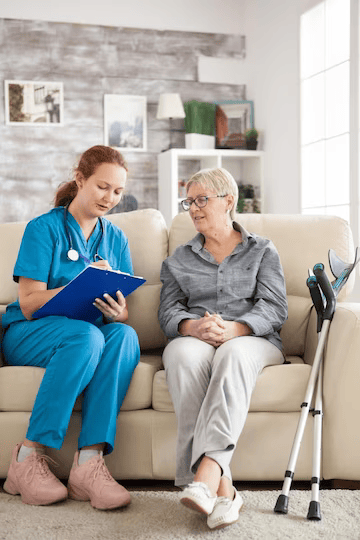
Private nurses are valuable assets in the provision of preventative care. Their close relationship with patients allows them to notice subtle changes in the patient’s health, facilitating early detection of potential health issues. They provide personalized, holistic care, educating patients on healthy lifestyle habits, medication adherence, and disease management, thereby playing a crucial role in preventative care.
The Growing Importance of PSW Agencies
Personal Support Worker (PSW) agencies provide trained personnel capable of offering non-medical care services to patients. They assist with daily tasks like personal hygiene, meal preparation, and medication reminders, enhancing the patient’s overall quality of life. These simple interventions, when consistently executed, can contribute significantly to preventing health complications and fostering overall well-being.
Key Contributors to Preventative Care: Beneficiary Attendants
Beneficiary attendants, also known as home health aides, provide essential assistance to individuals who need support due to physical illness, disability, or cognitive impairment. Their role in preventative care cannot be overstated as they offer crucial help with daily living activities, ensuring the patient’s safety and comfort, thus preventing unnecessary hospitalizations.
How Nursing Agencies Contribute to Preventative Care
Nursing agencies provide a vast pool of highly skilled nurses who can be quickly mobilized to provide healthcare services when and where they’re needed. They play a crucial role in preventative care by providing continuous, comprehensive care, facilitating early detection, and managing chronic conditions to prevent complications. By ensuring the availability of experienced nurses, these agencies enhance the overall quality of preventative care.
Palliative Care Nursing: A Critical Aspect of Preventative Care
Palliative care nursing focuses on improving the quality of life for patients with serious illnesses, regardless of their disease stage. While often associated with end-of-life care, palliative care is actually a crucial aspect of preventative care. By managing patients’ symptoms and stress, it improves their quality of life and can even positively influence the course of their illness, thereby playing a preventative role.
Preventative Care: The Future of Healthcare
With the growing emphasis on health promotion and disease prevention, regular health check-ups have never been more critical. It’s an approach that saves lives and reduces healthcare costs. By fostering partnerships with healthcare staffing agencies, private nurses, beneficiary attendants, PSW agencies, nursing agencies, and palliative care nursing, we can significantly improve our health outcomes and live longer, healthier lives.
Conclusion
The importance of regular health check-ups in preventative care cannot be overstated. With the assistance of healthcare staffing agencies, private nurses, beneficiary attendants, PSW agencies, nursing agencies, and palliative care nursing, we can significantly improve our preventative care approach. This comprehensive, proactive approach to healthcare not only enhances individual health outcomes but also contributes to the efficiency and sustainability of our healthcare system at large. Embracing preventative care is undoubtedly a step toward a healthier future
Frequently Asked Questions (FAQs)
1. Why are regular health check-ups important?
Regular health check-ups are essential for early detection and treatment of potential health issues, preventing them from becoming serious illnesses. They also allow for ongoing monitoring of chronic conditions, contributing to better disease management and improved health outcomes.
2. What role do healthcare staffing agencies play in preventative care?
Healthcare staffing agencies provide a vast pool of healthcare professionals, ensuring the availability of skilled and experienced individuals when and where they’re needed. This ready availability contributes to early disease detection and prevention, a critical aspect of preventative care.
3. How do private nurses contribute to preventative care?
Private nurses provide personalized, holistic care to patients, fostering a close relationship that facilitates the early detection of health changes. They also educate patients on healthy lifestyle habits and disease management, which are vital aspects of preventative care.
4. What is the significance of beneficiary attendants in preventative care?
Beneficiary attendants provide essential assistance to individuals who need support due to physical illness, disability, or cognitive impairment. Their help with daily living activities ensures the safety and comfort of patients, preventing potential health complications and unnecessary hospitalizations.
5. How does palliative care nursing contribute to preventative care?
Palliative care nursing focuses on improving the quality of life for patients with serious illnesses. It manages patients’ symptoms and stress, which not only improves their quality of life but can also positively influence the course of their illness, thus playing a preventative role.
6. Why is preventative care considered the future of healthcare?
Preventative care is gaining emphasis because it saves lives and reduces healthcare costs. It involves proactive measures, such as regular health check-ups and health promotion activities, to prevent diseases rather than merely treating them after they occur.
메타데이터
- post_id
- bb97e7364cf2
- slug
- the-importance-of-regular-health-check-ups-for-preventative-care-bb97e7364cf2
- url
- https://medium.com/@ahsinc001/the-importance-of-regular-health-check-ups-for-preventative-care-bb97e7364cf2
- canonical_url
- https://medium.com/@ahsinc001/the-importance-of-regular-health-check-ups-for-preventative-care-bb97e7364cf2
- author_url
- https://medium.com/@ahsinc001
- status
- ok
- fetched_at
- 2026-07-25 15:13:16