Different Types of Korean Gimbap: A Must-Try Korean Street Food
If you are a fan of Korean cuisine or have visited a Korean restaurant, you must have come across Gimbap — one of the most iconic and…
Different Types of Korean Gimbap: A Must-Try Korean Street Food
If you are a fan of Korean cuisine or have visited a Korean restaurant, you must have come across Gimbap — one of the most iconic and delicious Korean street foods. Often mistaken for sushi, Gimbap (or Kimbap) is a Korean dish made with seaweed-wrapped rice, vegetables, and various fillings, making it a perfect snack or meal. Whether dining at a Korean street food cafe or looking for Korean food in Delhi, trying different types of Gimbap is a must for every food lover.
What Makes Gimbap Special?
Gimbap is more than just a simple rice roll. It is packed with flavors and textures, offering a perfect balance of taste and nutrition. Unlike sushi, which uses raw fish, Gimbap primarily includes cooked or pickled ingredients, making it accessible for all kinds of eaters. The seasoned rice, crispy seaweed, and fresh fillings make it a go-to dish in any Korean restaurant.
Now, let’s explore the different types of Gimbap that you can enjoy.
1. Traditional Gimbap (Classic Gimbap)
This is the most common type of Gimbap you will find at any Korean cafe or restaurant. It includes steamed rice seasoned with sesame oil and salt, wrapped in seaweed along with fillings like:
- Carrots
- Spinach
- Pickled radish (danmuji)
- Egg strips
- Fish cake (eomuk)
This classic Gimbap is widely loved for its simple yet delicious taste and is a staple in Korean street food culture.
2. Beef Bulgogi Gimbap
For meat lovers, Beef Bulgogi Gimbap is an absolute delight. This type of Gimbap features marinated and grilled bulgogi beef, adding a smoky and savory flavor to the roll. It is a favorite choice for those who enjoy rich and hearty Korean flavors.
3. Tuna Mayo Gimbap (Chamchi Gimbap)
Tuna lovers will appreciate this variation of Gimbap. Chamchi Gimbap consists of:
- Flavored tuna mixed with mayonnaise
- Fresh cucumber
- Carrots
- Pickled radish
This creamy and flavorful combination makes it a popular choice at Korean restaurants in Delhi and other cities where K-food is trending.
4. Cheese Gimbap
Cheese lovers can rejoice with this modern variation of Gimbap. Melted cheese is added inside the roll, giving it a creamy texture and a slightly tangy taste. This fusion-style Gimbap has become a favorite at many Korean street food cafes worldwide.
5. Spicy Gochujang Gimbap
If you enjoy a spicy kick in your food, the Spicy Gochujang Gimbap is the one to try. This type of Gimbap is made with:
- Korean gochujang (red chili paste)
- Kimchi
- Pickled radish
- Egg
The spicy and tangy flavors of gochujang combined with crunchy vegetables make this a popular snack among spice lovers.
6. Kimchi Gimbap
Kimchi, Korea’s most famous fermented dish, is also used in Gimbap. Kimchi Gimbap has a bold, tangy, and slightly spicy flavor, making it an excellent choice for those who love traditional Korean tastes. It pairs well with a side of Korean soup or a cold beverage.
7. Egg Roll Gimbap (Gyerranmari Gimbap)
This unique Gimbap is wrapped with a layer of thin omelet instead of seaweed. It offers a soft and slightly sweet flavor, making it a perfect choice for those who prefer a milder taste. You can find this dish at authentic Korean food places in Delhi and other locations where Korean cuisine is gaining popularity.
8. Mini Gimbap (Mayak Gimbap)
Known as “Mayak Gimbap” or “Mini Gimbap,” these bite-sized rolls are highly addictive. They are typically seasoned with sesame oil and sprinkled with sesame seeds. In Korean, the name “Mayak” means “addictive,” referring to how irresistible they are!
9. Vegetarian Gimbap
For vegetarians, there is a special Vegetarian Gimbap that is equally flavorful. It includes ingredients like:
- Tofu
- Avocado
- Pickled radish
- Carrots
- Spinach
This version of Gimbap is perfect for those looking for healthy Korean food options.
Where to Try Authentic Gimbap in India?
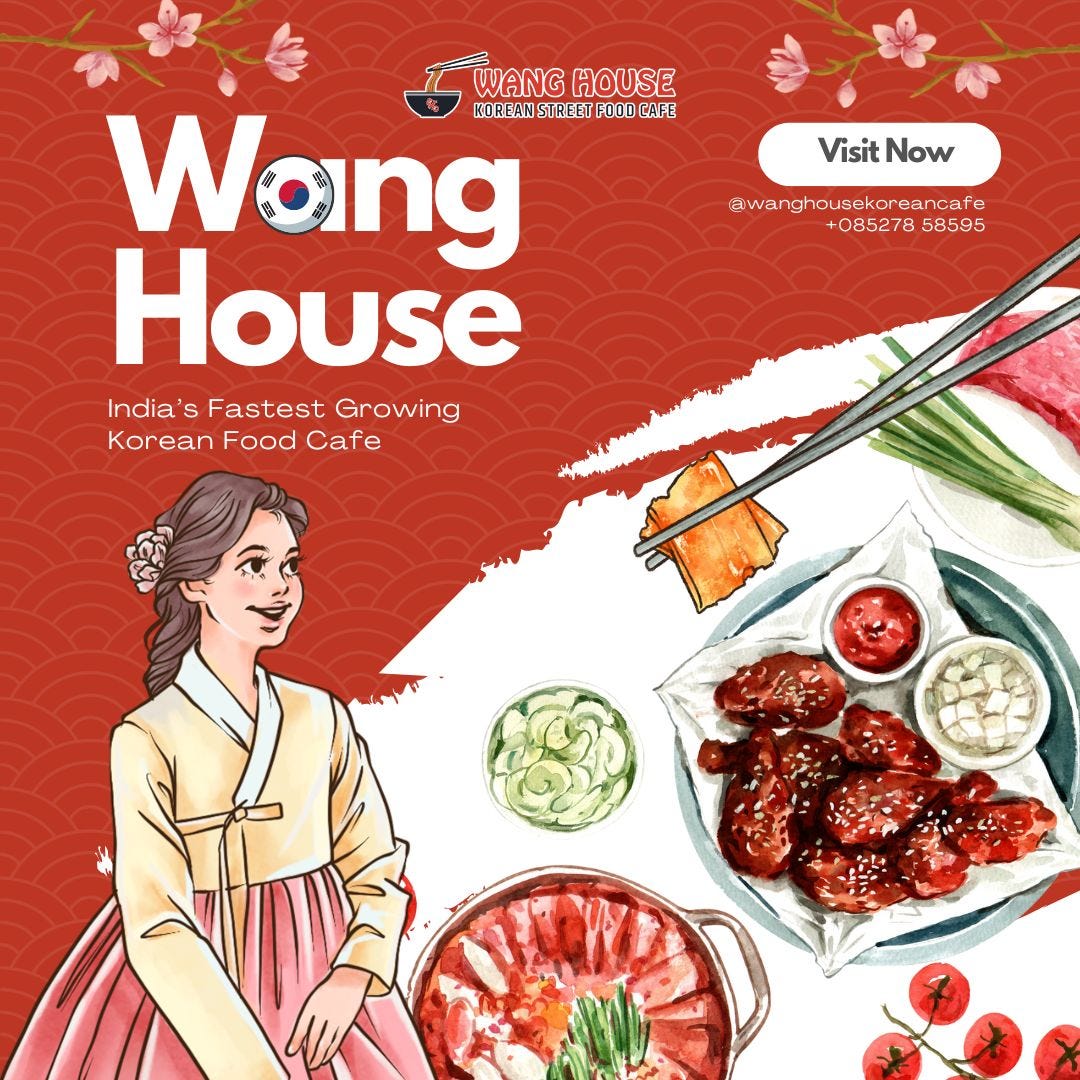
If you are in India and craving authentic Korean Gimbap, head to Wang House — A Korean Street Food Cafe in Delhi-NCR. Offering a variety of Korean dishes, this cafe is a haven for K-food lovers. Whether you want to try Classic Gimbap, Spicy Kimchi Gimbap, or Beef Bulgogi Gimbap, Wang House serves freshly made, flavorful Gimbap rolls that transport you straight to the streets of Seoul.
Why You Should Try Gimbap Today
Gimbap is more than just a snack—it represents Korean street food culture. With its wide variety of flavors, fresh ingredients, and nutritional benefits, it is a must-try dish for anyone exploring Korean food in Delhi or anywhere else in the world. Whether you visit a Korean restaurant or make it at home, Gimbap is a simple yet satisfying dish that will leave you craving more.
So, the next time you’re searching for the best Korean street food in Delhi, don’t forget to try the different varieties of Gimbap and enjoy the rich flavors of Korean cuisine!
메타데이터
- post_id
- bb9cfba927ff
- slug
- different-types-of-korean-gimbap-a-must-try-korean-street-food-bb9cfba927ff
- url
- https://medium.com/@digital_502/different-types-of-korean-gimbap-a-must-try-korean-street-food-bb9cfba927ff
- canonical_url
- https://medium.com/@digital_502/different-types-of-korean-gimbap-a-must-try-korean-street-food-bb9cfba927ff
- author_url
- https://medium.com/@digital_502
- status
- ok
- fetched_at
- 2026-07-20 14:27:20