Israel McFarland’s “beautiful human,” A Romantic Bedroom Pop Song
“Features honest story telling lyrics and melodies that are brought to life with unique production. I did all of the writing and production…
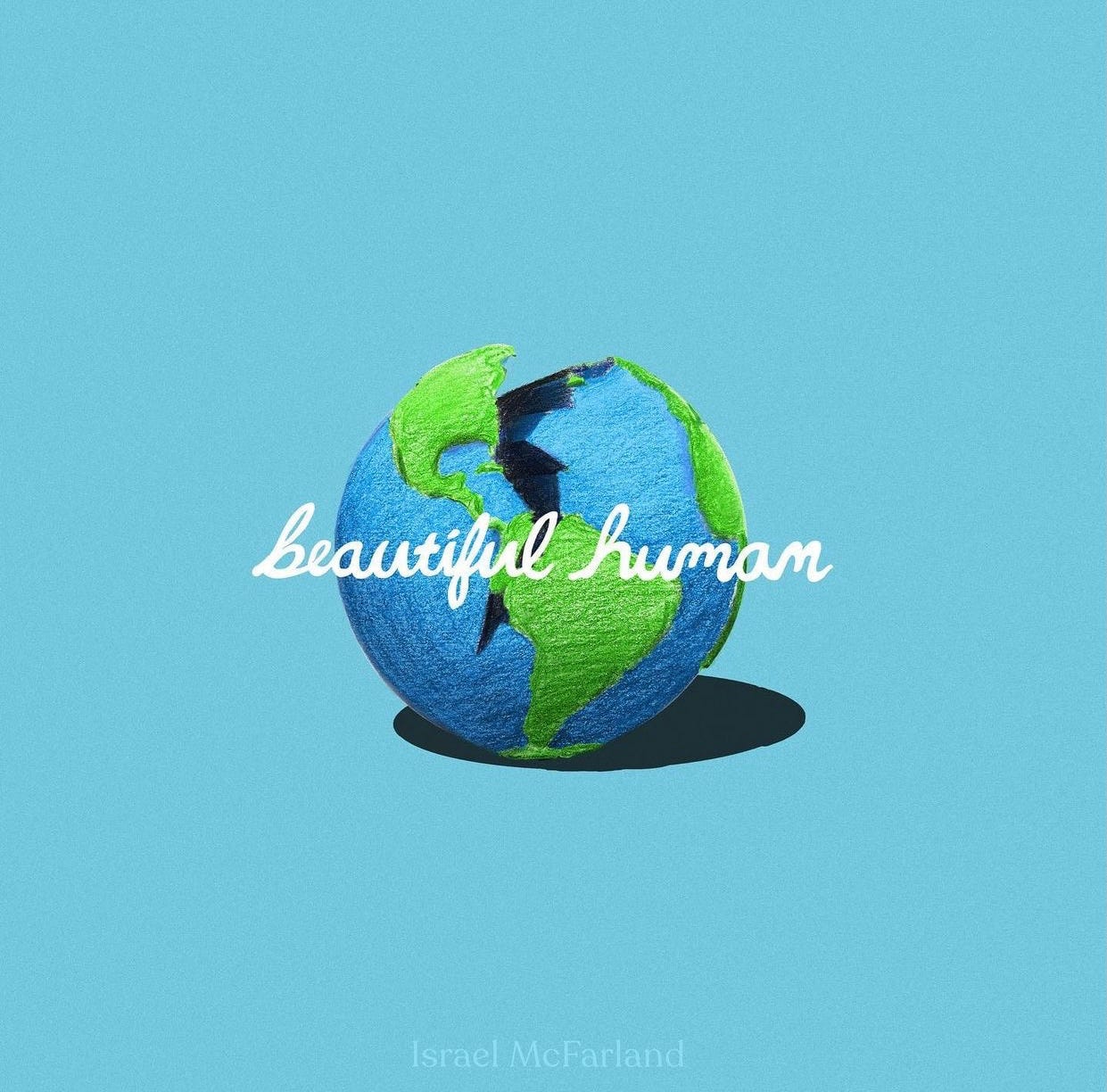
Israel McFarland’s “beautiful human,” A Romantic Bedroom Pop Song
“Features honest story telling lyrics and melodies that are brought to life with unique production. I did all of the writing and production myself which I think has given the song a very personal and distinct sound.”
Israel McFarland is an indie-pop singer-songwriter who was born some time ago. Around that time, he started writing songs. A while after that, he moved to Nashville to work retail and beg people to let him record music.
What is some of the best advice experienced engineers and award-winning producers have shared with you since you moved to Nashville, after getting your 4-year degree in audio production from Liberty University?
One thing I remember being told is to pay more attention to the emotion of the song than tuning everything perfectly; I used to put all the instruments exactly on the grid and tune every note of every vocal in the song. You can really edit and tune the life out of songs if you’re not careful. I’ve learned there’s really some magic in letting a sorrowful line fall a little flat in the vocal and letting an energetic line go a little sharp sometimes.
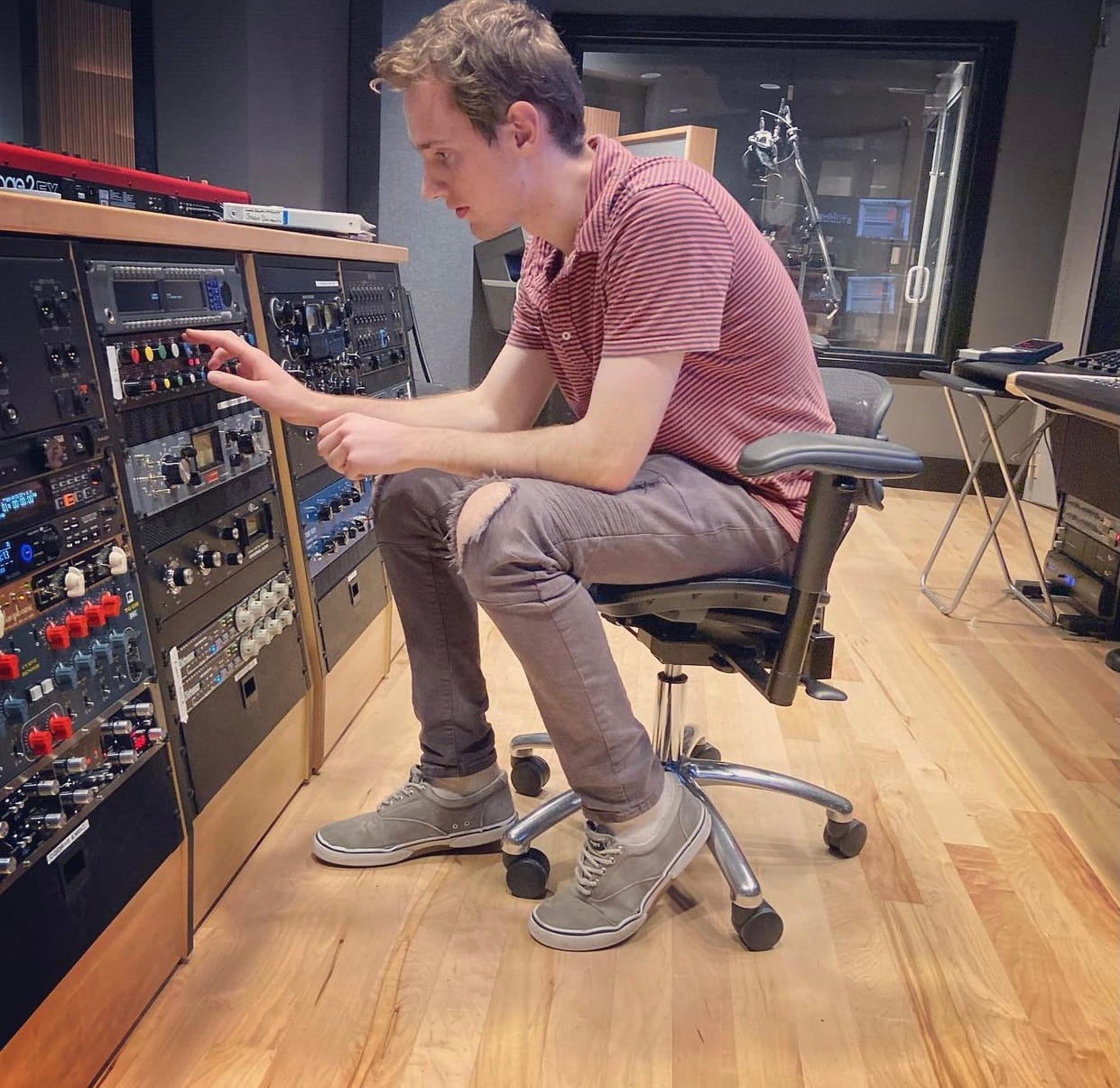
There are several ‘in the box’ programs, such as Logic Pro, Pro Tools, Garageband, and Cubase, that are available for use in the studio. Which program is your go-to and why?
I started using ProTools when I was 15 years old. I’m glad I chose that one to start with because I later learned that ProTools is really the industry standard. When I got to college ProTools was the DAW I was required to use, and here in Nashville I have yet to work a session that wasn’t using it. I think knowing ProTools as well as I do has made me very ‘hirable’ just because I can quickly jump in on most sessions and have a fast workflow. With that being said, I don’t think ProTools is superior to any of the others as far as workflow ease and sonic quality. I always hear heated debates as to which DAW is better (which one sounds better, looks better, etc.) My advice would be to pick one and learn it really well because, at the end of the day, they all do the same thing.
Specializing in pop production, with a primary goal of putting the song first. Can you share what it means to put the song first?
When I’m producing a song, I don’t want to add any parts that distract from the lyric and melody. I think it’s very easy to try and get fancy and add a bunch of cool effects to a song without keeping in mind the end goal of getting the song to leave an emotional impact on the listener. Sometimes that means adding 120 tracks, but other times it means just letting the song be piano-vocal. I think a lot of getting production ‘right’ is just not trying to do too much.
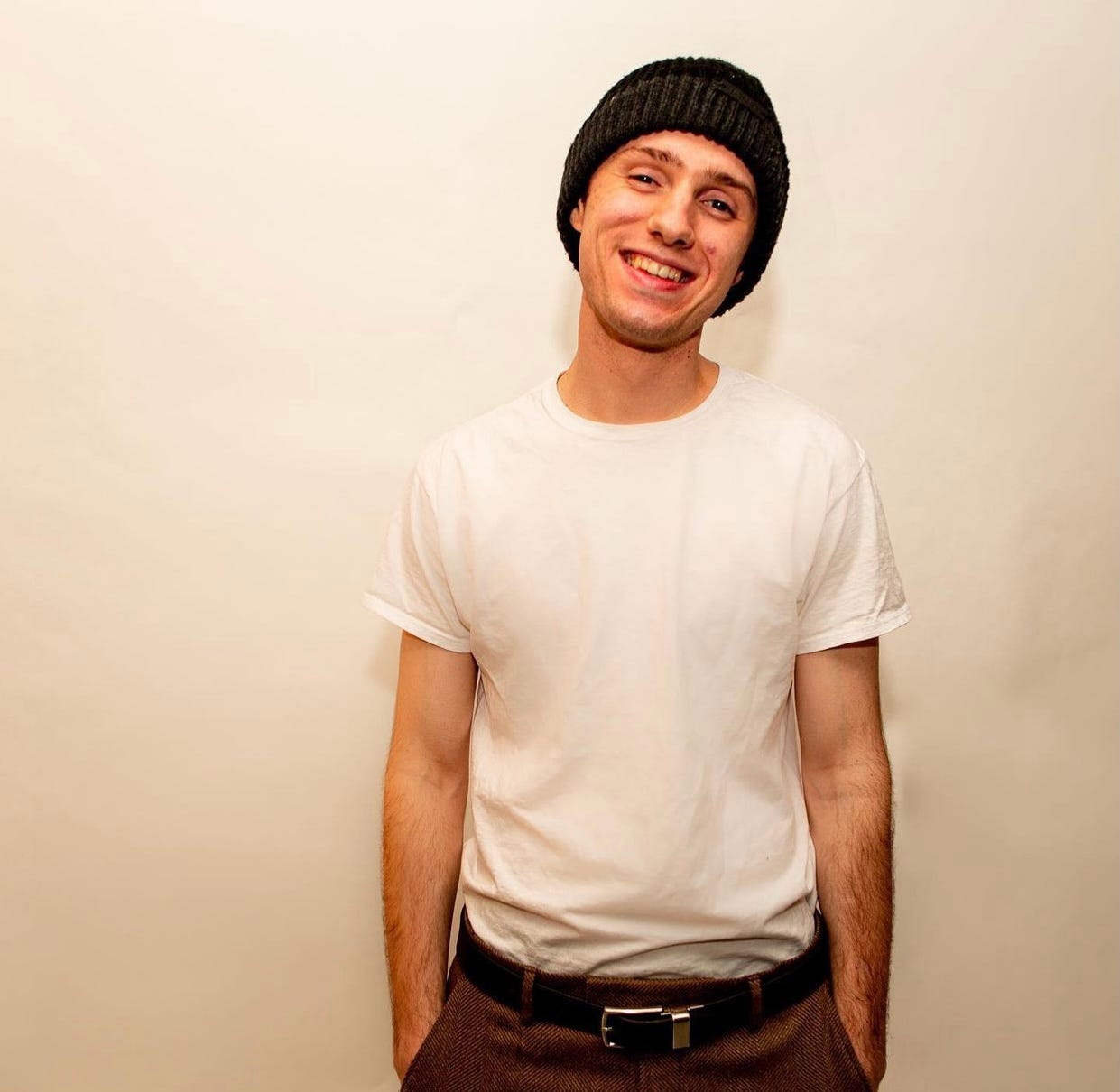
There’s not much better than hearing your favorite artist live. How can you bring out that performance energy in a studio recording?
It can certainly be difficult. I just try to think about whatever (or whoever) I wrote the song about and sing with that emotion in mind. The good thing about the studio environment is you can do as many takes as you need. I often record 20+ takes and comp them all together into one final vocal performance. It’s tedious, but making good art is not often easy.
[embed]
“Jazz Chord” has more than 27K streams on Spotify. What’s the backstory to your 2020 debut?
So this was a song that I did for a school project when I was still in college. I wrote it about this girl that I briefly had a crush on who was a jazz major in school. She was really good at all things jazz music. We had a conversation once where I was explaining to her that I didn’t understand jazz chord structures very well. It ended up giving me the idea for the song. I honestly never thought I’d release it. I wasn’t sure if people would really get it, but so many people that I showed it to loved it that I decided to release it. I’m glad I did!
[embed]
“gotta be alone” compares the highs and lows of life with a ride on an emotional rollercoaster. Did your friend sharing the song with the Jonas Brothers influence the decision to make it single #2?
Well I think in a roundabout way it did. I released “Jazz Chord” first but actually “gotta be alone” was the first song I finished. At the time that that happened I was very insecure of myself as a writer and as an artist. The fact that folks were starting to take interest in something I wrote and push it out there to people they knew in the industry meant the world to me. While nothing specifically came from all of that, it was the beginning of me really starting to find my voice and my sound. It played a huge role in giving me the confidence to write and record more.
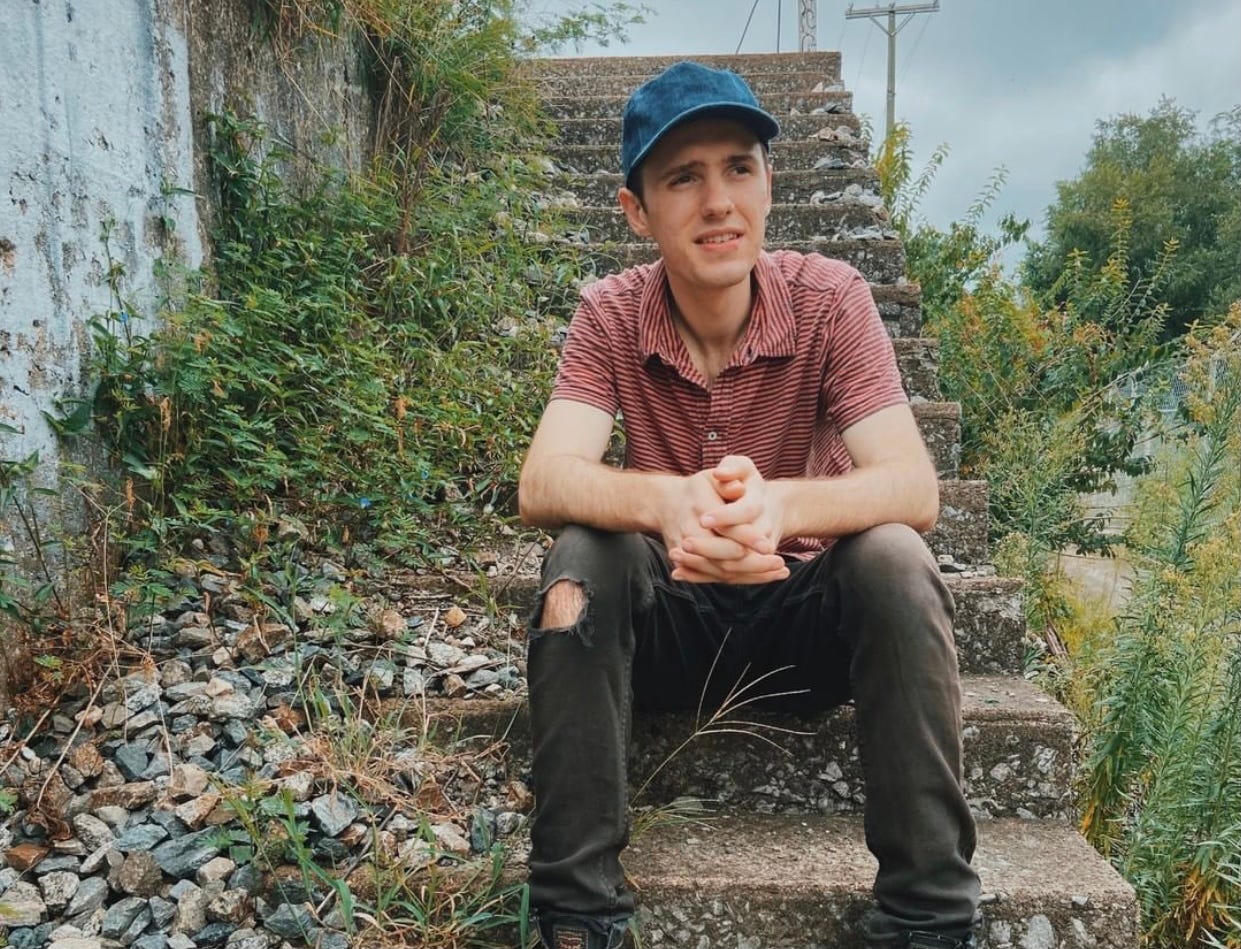
How do you choose what topics to write about?
Most of the time it’s just inspired by whatever I’m currently going through. Other times, I’ll think of a hook that I think might be cool to base a song off of and I’ll come up with lyrics surrounding that idea. That’s rare though for me. Almost all the songs I write are based around something happening in my life. That doesn’t mean that every lyric is necessarily something that really happened, but usually the emotion of it started with something I was experiencing.
What inspired your new song, “beautiful human?”
Ironically, this was actually one of those songs that I wrote largely because of the title. I don’t know if it’s a great title or not but for some reason I just loved the idea of a song called ‘beautiful human.’ I remember I was sitting in a practice room back at school in Virginia and I started to sort of imagine moving to Nashville and all the adventures that could come with that. There’s a lyric in the song that goes ‘I said I grew up then I moved to Nashville.’ I actually wrote that line before moving to Nashville which I think is funny. I also loved the idea of writing a song about a sort of ‘one night stand’ but posing it in a sweet and romantic way that makes you think it may have led to more. The song ends without telling you if they ended up getting together or not.
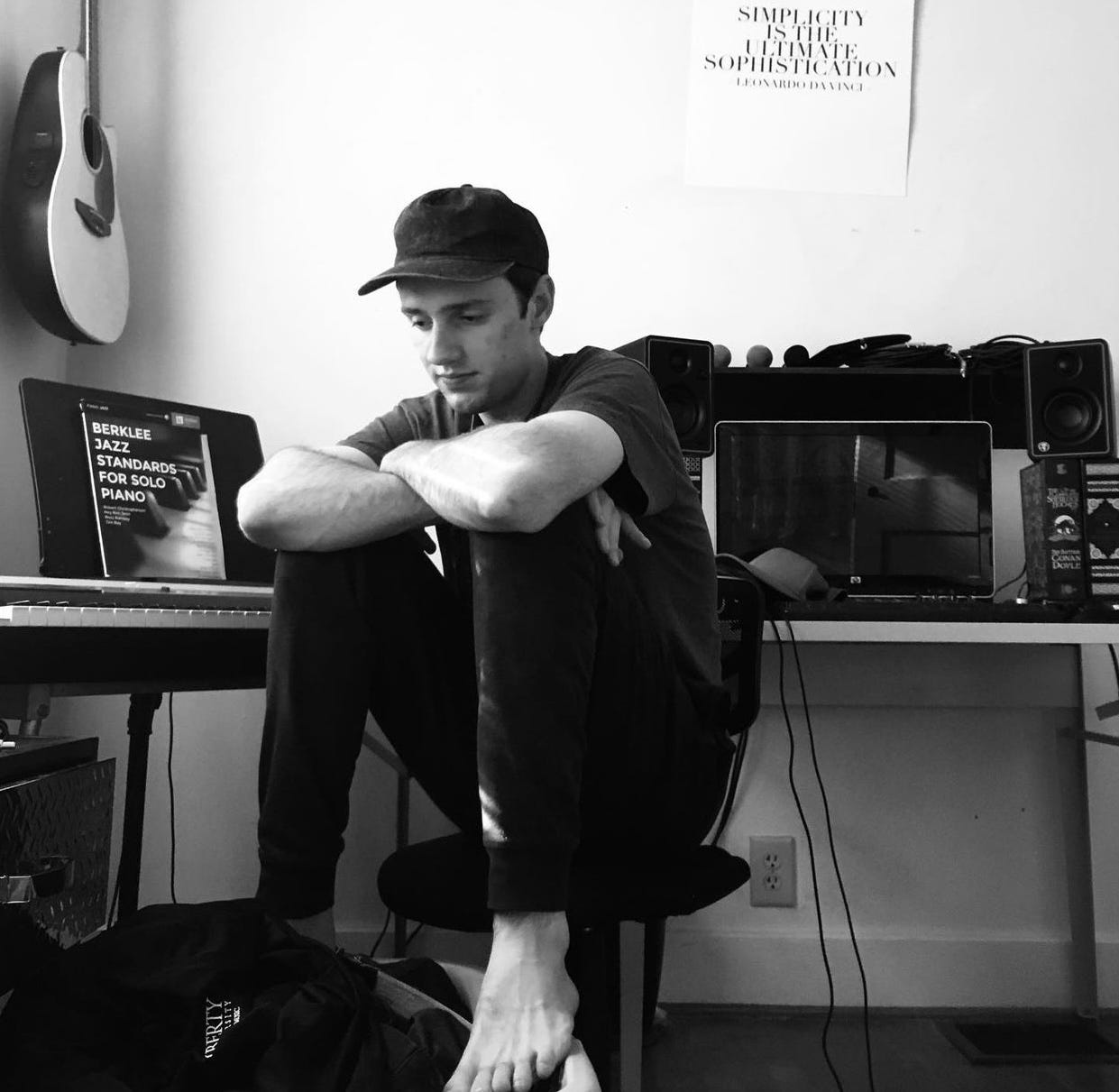
“I tend to set super high goals and make all these plans for the music I’m going to release… Then I re-record vocals 5 times annnnd I end up releasing like one song every 6 months but I’m trying to get better about that. Trying to manage my time better too.” What’s ahead for 2022?
Someone asked me recently, ‘what does being an artist mean to you?’ I answered by saying that it means being willing to work very, very hard. It means being the kind of person who can take rejection over and over again and still keep trying. I don’t know what 2022 holds, but I’m going to keep doing everything I can to move forward. I’m going to try to release more music, I’m going to dive more into marketing and branding, I’m going to knock on every door I can and push myself to grow as much as possible AND most of all, I am not going to re-record vocals 5 times ever again haha. I’m leaving that in 2021. I don’t know if I’ll ever ‘make it’ as an artist in this crazy industry, but I think the old cliche rings true, ‘you’ll never know if you never try.’
메타데이터
- post_id
- bba5bf2b4244
- slug
- israel-mcfarlands-beautiful-human-a-romantic-bedroom-pop-song-bba5bf2b4244
- url
- https://medium.com/@kess11/israel-mcfarlands-beautiful-human-a-romantic-bedroom-pop-song-bba5bf2b4244
- canonical_url
- https://medium.com/@kess11/israel-mcfarlands-beautiful-human-a-romantic-bedroom-pop-song-bba5bf2b4244
- author_url
- https://medium.com/@kess11
- status
- ok
- fetched_at
- 2026-06-26 03:39:16