AI Content Creation Tools That Actually Sound Human
AI content creation tools are not just for creating simple drafts or generic marketing content anymore. They are now being used by…
AI Content Creation Tools That Actually Sound Human

AI content creation tools are not just for creating simple drafts or generic marketing content anymore. They are now being used by businesses to generate blogs, emails, landing pages, product descriptions, social posts and campaign assets at scale. The issue is that it’s no longer about speed alone. Content must still be natural, brand voice, and authentic to readers.
That’s where modern AI/ML development services are heading. Today, AI-powered content workflows enable ideation, drafting, optimization, and publishing in a unified workflow. Many companies today are collaborating with an AI ML development company to create content systems that can scale production without compromising quality.
AI Content Creation Is Evolving into a Workflow System
Today’s AI/ML consulting services are built around workflows, not just single prompts. The top platforms now cover the entire content lifecycle, enabling teams to plan to publish in connected systems.
AI content creation is an effective solution for scaling marketing efforts without compromising consistency. This is important because content creation doesn’t always require a single task.
The majority of teams encounter:
- Research
- Topic planning
- Outlining
- Drafting
- SEO optimization
- Editing
- Repurposing
- Distribution
These stages are now assisted by AI.
AI is now being adopted by organizations to enhance various aspects of the workflow:
- Ideation: AI can assist teams in brainstorming campaign ideas, blog ideas, and content angles, minimizing brainstorming bottlenecks.
- Drafting: Platforms can create structured first drafts in a matter of seconds, which can help minimize production delays and ensure consistency in publishing.
- Optimization: AI tools assess readability, formatting, and SEO optimization to enhance performance and search visibility.
- Repurposing: You can repurpose long-form content without having to start from scratch to create a summary, email campaign, social post, or script.
- Coordination: AI systems help teams ensure consistency among contributors and channels, especially when scaling enterprise content operations.
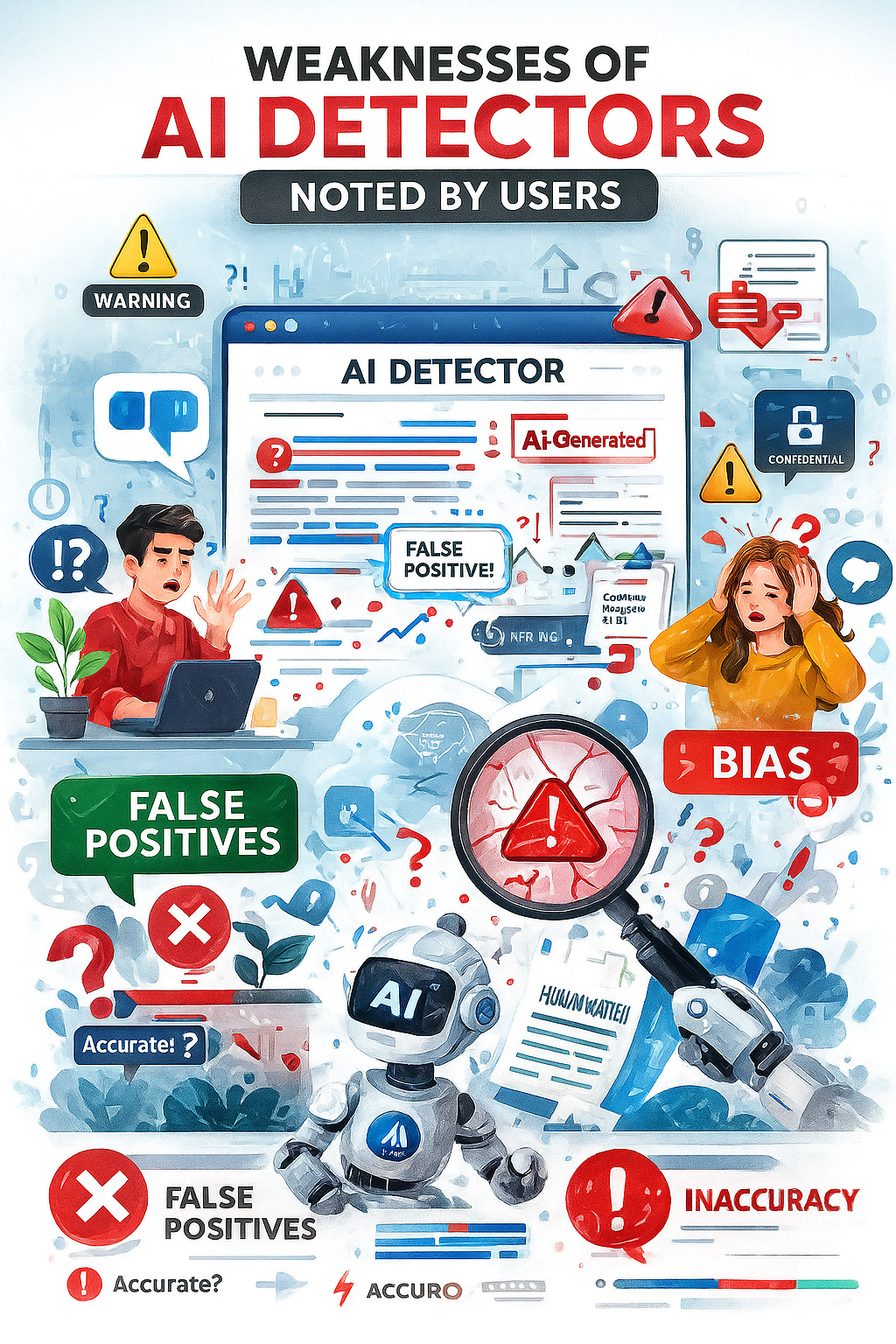
Why Some AI Content Still Sounds Robotic?
While there have been significant strides, numerous AI-generated articles remain unnatural. This is typically due to excessive automation in the workflow without refinement.
Several common problems can cause this:
- Repetitive Structure: AI systems tend to use repetitive sentence structures and transitions, creating predictability in the content.
- Generic Messaging: Content that is not created with context often is not very specific and original.
- Keyword Over-Optimization: Excessive SEO targeting can make AI-generated content feel unnatural.
- Weak Brand Alignment: AI can have trouble maintaining a consistent brand tone without adequate training data.
That is why the number of organizations hiring artificial intelligence engineers to enhance workflow governance and content quality systems is increasing.
What Makes AI Content Feel Human?
Initially, artificial intelligence and machine learning solutions were used to generate repetitive and mechanical text. Sentences were structured in a predictable manner, transitions were awkward, and the writing was impersonal.
Human-like AI writing tools are a sign of the growing trend toward context and tone-driven content creation.
1. Brand Voice
One of the biggest advances in AI content creation is brand voice alignment. Platforms now enable businesses to train systems with existing messaging, tone guidelines and past campaigns. Consistency is a major concern for enterprise AI systems when it comes to brand voice for AI-generated content, especially as it’s emphasized in campaigns.
The organizations that are creating these systems often use custom AI/ML solutions that are designed to fit their style and audience expectations.
2. Context Awareness
Modern AI systems interpret:
- Audience intent
- Platform requirements
- Content structure
- Campaign objectives
This makes content more cohesive and relevant than it would be otherwise.
3. Natural Variation
Pacing variation, sentence variation, and tonal variation are all examples of human writing. Rather than creating rigid structures, AI systems are learning by replicating these patterns.
Companies seeking to optimize these processes may opt to hire AI developers to tailor content creation algorithms for specific marketing applications.
4. Adaptive Learning
Feedback loops enhance AI tools. Systems improve their understanding of preferred structures and tone as teams edit and refine generated content. Many businesses hire dedicated AI ML developers to ensure continuous optimization in this learning process.
How AI Content Tools Can Enhance Productivity?
AI blog writing software streamlines tasks, eliminating repetitive work in content operations. Teams don’t start from scratch again and again, but rather with outlines, drafts, and optimization tips.
- Faster Drafting: In just a few minutes, AI can create blogs, ad copy, email sequences, and product descriptions. This is one way to reduce content silos and boost production among marketing teams.
- Reduced Bottlenecks: One of the biggest challenges for marketing teams is creating content in a timely and regular manner. AI systems that hire top freelance AI ML developers take repetitive writing tasks off the production pressure plate.
- Faster Repurposing: A single content asset can easily turn into social posts, email campaigns, ad variations, video scripts, and short-form summaries. This greatly reduces production effort.
- Better Coordination: AI systems are now being integrated with content management and marketing platforms, streamlining the workflow of moving content through the system. As businesses grow and expand these systems, they may need to hire Remote AI ML developers to assist with distributed marketing operations.
The Tools Driving AI Content Creation
AI content generation platforms are becoming a go-to tool for enterprise teams to manage large-scale content operations across channels.
1. Jasper
Jasper’s core strengths lie in enterprise marketing workflows, long-form content creation, and maintaining brand voice consistency. It is common for teams to create a lot of branded marketing content.
Companies deploying enterprise AI solutions on platforms such as Jasper typically hire AI ML developer resources to connect the platform with their current marketing stacks.
2. Copy.ai
Copy.ai emphasizes workflow automation and fast content generation for sales and marketing teams. It is commonly used for campaigns, outbound messaging, and short-form marketing content.
3. Writesonic
Writesonic is very much an SEO-centric writing and marketing copy generator. It’s frequently employed for blogs, landing pages, and search workflows.
In some cases, businesses that have embraced extensive SEO automation hire AI/ML developers to tailor the interactions between these tools and content systems.
4. Rytr
Rytr is optimized for light content creation and rapid drafting. It is commonly used by smaller companies for quick content creation.
5. Grammarly
In addition to grammar checking, Grammarly now offers AI-powered rewriting and editing features. It is often employed as an optimization layer, not as a main drafting system.
Companies that adopt editing automation may also seek to hire offshore AI ML developers to assist with customization and workflow integration.
6. Surfer SEO
Surfer SEO is a combination of AI writing and SEO optimization tools. It pays a lot of attention to search visibility and content structure.
7. Frase
Frase is helpful for content briefs, topic research, and generating articles for SEO purposes, which is great for long-form content strategies that are driven by search.
Companies with search-centric business models frequently hire best AI ML developers to fine-tune their content creation workflows with tools such as these.
How AI Content Creation is Transforming Marketing Operations?
AI content systems aren’t just for writing. These tools are revolutionizing the way marketing teams are organized.
Teams no longer have to produce everything manually, but now use AI-assisted systems in which:
- Drafting is accelerated
- Optimization is automated
- Repurposing is simplified
- Coordination improves
This enables marketing teams to produce a lot more without adding to the workload in the same proportion.
Companies that have enterprise-level systems tend to hire machine learning engineers for content recommendation systems, workflow automation, and personalization models. Meanwhile, businesses hire AI ML programmers to enhance the integration of AI tools with their marketing systems.
Risks that Organisations Have to Deal With
While AI content creation offers great opportunities, it also poses challenges that need to be navigated carefully.
- Content Accuracy: Weak prompts and source material can lead to inaccurate or misleading information in AI systems. The issue of misinformation in AI-generated content continues to be a concern.
- Brand Dilution: AI systems can generate inconsistent messaging, leading to a gradual erosion of brand identity over time if not managed properly.
- Over-Automation: If you publish content that is entirely AI-generated without any human editing, it may lack originality and credibility.
- Workflow Dependence: If the oversight processes are weak, organizations that are too dependent on automation may find it difficult to maintain the quality of their content.
That’s why businesses still seek the services of AI ML consultants to ensure that AI processes integrate seamlessly with their overall content strategy and governance.
The Shift From Writing Tools To Content Systems
AI content creation is not a threat to writers. It’s about developing systems that enable teams to produce more content without compromising on quality or consistency. This transformation is already impacting the way organizations organize content operations.
- Writers spend less time drafting repetitive material.
- Editors are more interested in placement and refinement.
- Marketing teams can scale campaigns more efficiently.
- AI systems take over repetitive production tasks.
The companies that will be successful with AI content creation will not just be churning out more content. They will create workflows that integrate automation, brand consistency, and strategic coordination effectively.
Conclusion
AI content creation tools are not just writing assistants, but they are becoming comprehensive content workflow tools to support large-scale content operations.
The best platforms enable organizations to be consistent, fast, efficient, and scalable across channels. Meanwhile, the market is moving towards systems that focus on context, workflow integration, and brand alignment, not just on text output.
The question of whether AI can create content is no longer a concern for organizations investing in AI content workflows. They are working on crafting content that is natural, scalable, and resonates with actual audience expectations, using AI.
메타데이터
- post_id
- bbab615ec072
- slug
- ai-content-creation-tools-that-sound-human-bbab615ec072
- url
- https://medium.com/@alliancetek/ai-content-creation-tools-that-sound-human-bbab615ec072
- canonical_url
- https://medium.com/@alliancetek/ai-content-creation-tools-that-sound-human-bbab615ec072
- author_url
- https://medium.com/@alliancetek
- status
- ok
- fetched_at
- 2026-06-21 20:33:08