☁️ The Science of Cloud Computing: Where Does My Data Actually Go?
When you upload a photo, save a document, or stream a video, you’re using “the cloud.” It sounds abstract almost magical but the reality is…
☁️ The Science of Cloud Computing: Where Does My Data Actually Go?
When you upload a photo, save a document, or stream a video, you’re using “the cloud.” It sounds abstract almost magical but the reality is far more concrete and fascinating. So where does your data actually go?
🌍 The Cloud Is Not in the Sky
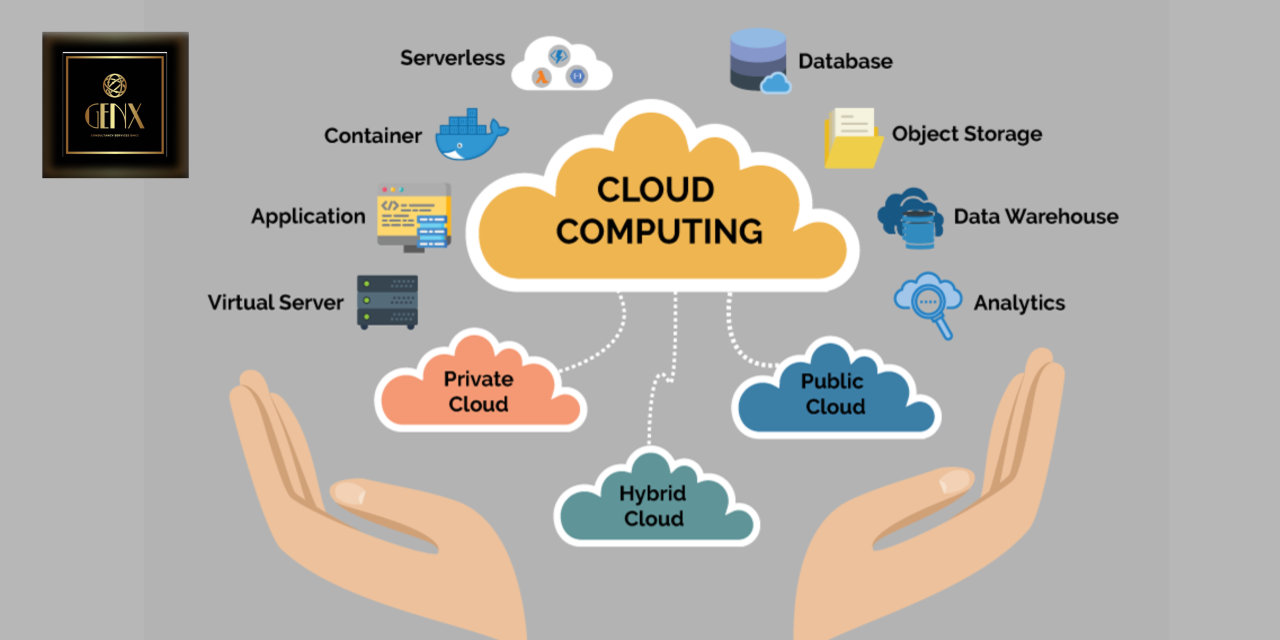
Despite the name, cloud computing doesn’t float above us. It relies on massive physical infrastructure operated by companies like Amazon Web Services, Google Cloud, and Microsoft Azure.
These companies run data centers large facilities packed with thousands of servers. These buildings exist in real locations across the globe, from United States to Singapore and beyond.
Inside these centers:
- Servers store and process your data
- Cooling systems prevent overheating
- Backup generators keep everything running 24/7
- Strict security protects against physical threats
Your data is literally sitting on hard drives in one (or more) of these buildings.
🚀 How Your Data Travels
When you upload a file:
- Your device sends it over the internet
- It travels through a network of routers and cables (including undersea fiber optics 🌊)
- It reaches the nearest or most efficient data center
This all happens in seconds or even milliseconds.
🔁 Why Your Data Isn’t Stored in Just One Place
One of the key principles of cloud computing is redundancy.
Your data is:
- Replicated across multiple servers
- Often stored in different geographic regions
This ensures:
- High availability (you can access it anytime)
- Fault tolerance (if one server fails, another takes over)
So your file might exist in multiple places at once without you ever noticing.
🧠 The Science Behind It: Virtualization
Cloud providers use a technique called virtualization.
Instead of dedicating one physical server to one user, they:
- Split servers into multiple virtual machines
- Allocate resources dynamically
This allows millions of users to share infrastructure efficiently while still feeling like they each have their own system.
🔐 What About Security?
Security is a major part of cloud science.
Your data is protected by:
- Encryption (scrambling data so others can’t read it)
- Authentication systems (passwords, biometrics)
- Firewalls and monitoring tools
However, safety is a shared responsibility. Even the best systems can’t protect weak passwords or careless usage.
📦 A Simple Way to Think About It
Imagine the cloud as a network of:
Highly secure, automated warehouses filled with digital lockers
Each time you upload something:
- It’s placed in a locker
- Copies are made for safety
- You can access it anytime from anywhere
🌐 Why It Matters
Cloud computing powers:
- Social media
- Online storage (like Google Drive)
- Streaming platforms
- Business applications
Without it, the modern internet wouldn’t exist as we know it.
🧾 Final Thoughts
The “cloud” may sound intangible, but it’s built on very real science and infrastructure. Your data doesn’t disappear into thin air it travels across the world, gets stored in powerful machines, and is protected by layers of technology.
Understanding this helps demystify the digital world and gives you more confidence in how your data is handled.

메타데이터
- post_id
- bbb02bc57eb4
- slug
- ️-the-science-of-cloud-computing-where-does-my-data-actually-go-bbb02bc57eb4
- url
- https://medium.com/@shanushanujan234/%EF%B8%8F-the-science-of-cloud-computing-where-does-my-data-actually-go-bbb02bc57eb4
- canonical_url
- https://medium.com/@shanushanujan234/%EF%B8%8F-the-science-of-cloud-computing-where-does-my-data-actually-go-bbb02bc57eb4
- author_url
- https://medium.com/@shanushanujan234
- status
- ok
- fetched_at
- 2026-06-09 15:37:30