How to Prevent Obesity: Practical Strategies for Healthy Weight and Long-Term Health
Obesity is one of the most common health challenges in the world, affecting adults, teenagers, and children. According to the World Health…
How to Prevent Obesity: Practical Strategies for Healthy Weight and Long-Term Health
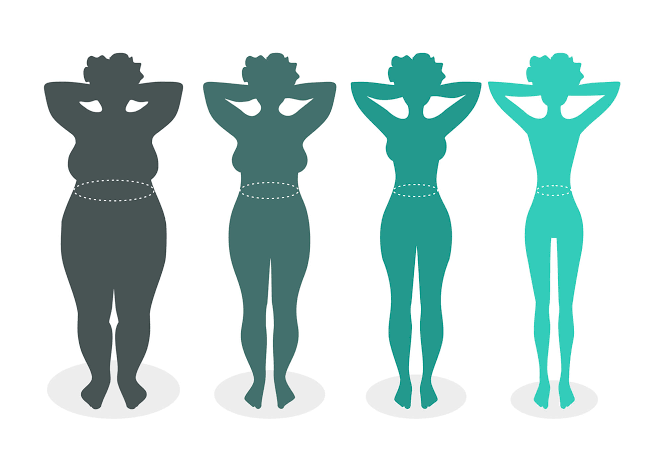
Obesity is one of the most common health challenges in the world, affecting adults, teenagers, and children. According to the World Health Organization (WHO), about 1 in 8 people worldwide were living with obesity in 2022, while more than 2.5 billion adults were overweight. Obesity is not simply a matter of appearance or willpower. It is a chronic, complex disease influenced by eating habits, physical activity, genetics, sleep, stress, medications, income, food access, and the environment.
The good news is that obesity prevention is possible for many people. Small, consistent changes in diet, exercise, sleep, and daily routines can help reduce the risk of unhealthy weight gain. Prevention is generally more practical than trying to lose a large amount of weight after obesity has developed.
This guide explains how to prevent obesity, including the best foods for weight management, physical activity recommendations, portion control, sleep, stress management, and healthy habits for the whole family.
What Is Obesity?
Obesity occurs when excess body fat accumulates to a level that can affect health. For adults, a body mass index (BMI) of 30 or higher is commonly used to classify obesity, while a BMI of 25 or higher is classified as overweight. BMI is a screening measure rather than a complete assessment of individual health, and healthcare professionals may also consider waist circumference, medical history, and other factors.
Obesity is associated with a higher risk of several health problems, including type 2 diabetes, heart disease, high blood pressure, stroke, osteoarthritis, and certain cancers.
Because obesity develops through multiple interacting factors, preventing it does not require following one perfect diet or exercise program. A sustainable approach is usually more effective.
1. Eat a Balanced Diet
One of the most important steps in preventing obesity is developing a healthy eating pattern.
A balanced diet should provide enough protein, carbohydrates, healthy fats, vitamins, minerals, and fiber without consistently providing more energy than your body needs.
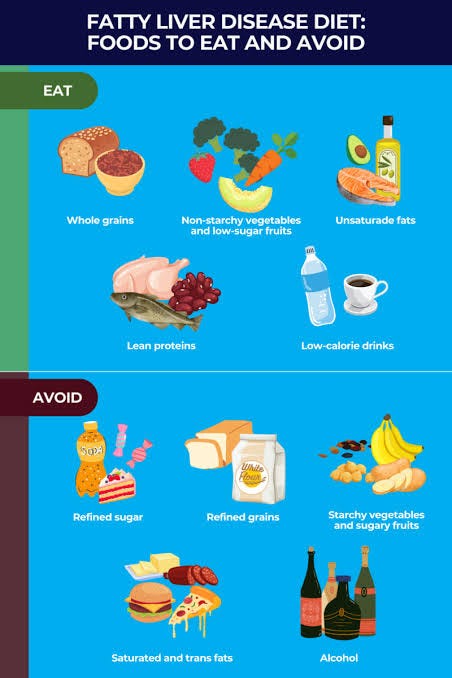
The WHO recommends a varied diet based largely on vegetables, fruits, whole grains, legumes, nuts, and other minimally processed foods. Foods high in free sugars, unhealthy fats, and sodium should be limited.
Instead of focusing on strict dieting, build meals around nutrient-dense foods such as:
· Vegetables and leafy greens
· Fresh or frozen fruits
· Beans, lentils, and other legumes
· Oatmeal and other whole grains
· Brown rice and whole-grain bread
· Fish and lean sources of protein
· Eggs
· Low-fat or minimally processed dairy products
· Nuts and seeds
· Healthy unsaturated fats, such as those found in olive oil, avocado, and some fish
These foods can make meals more filling while providing important nutrients.
2. Eat More Fruits and Vegetables
Increasing fruit and vegetable intake is a simple healthy weight management strategy.
Fruits and vegetables generally provide fiber, vitamins, minerals, and other beneficial compounds. Many vegetables are also relatively low in calories compared with highly processed foods.
The WHO recommends that people over age 10 aim for at least 400 grams of fruits and vegetables per day, along with adequate dietary fiber.
A practical approach is to include vegetables in lunch and dinner and keep fruit available for snacks. For example, berries, apples, oranges, carrots, tomatoes, cucumbers, broccoli, spinach, and peppers can all fit into a healthy eating pattern.
You do not need expensive “superfoods” to prevent obesity. Ordinary whole foods can be excellent choices.
**Reference Book:The Encyclopedia of Power Foods- Latest 2025/6!**
3. Limit Sugary Drinks
Sugar-sweetened beverages can make it easy to consume a large amount of sugar without feeling full.
Soda, sweetened coffee drinks, energy drinks, sports drinks, sweetened tea, and many flavored beverages can contribute significant calories to the daily diet.
For people trying to prevent weight gain and obesity, water should usually be the main everyday beverage. Unsweetened tea and coffee can also be reasonable choices.
The WHO specifically recommends limiting free sugars and reducing consumption of sugar-sweetened beverages as part of obesity prevention.
This does not mean that you can never enjoy a sweet drink. The goal is to make high-sugar beverages an occasional choice rather than an everyday habit.
4. Pay Attention to Portion Sizes
Even nutritious foods can contribute to weight gain when portions are consistently larger than your body’s energy needs.
Portion control does not mean eating tiny meals. It means becoming more aware of how much food you actually need.
Try practical strategies such as:
· Using smaller plates when appropriate
· Serving food in the kitchen instead of placing large serving dishes on the table
· Eating slowly
· Avoiding eating directly from large snack packages
· Checking serving sizes on packaged foods
· Paying attention to hunger and fullness signals
Eating slowly can also give your body more time to recognize fullness.
5. Choose Whole Foods Over Highly Processed Foods
Modern diets often contain large amounts of highly processed foods. Many packaged snacks, fast foods, pastries, fried foods, and desserts can be high in calories, sugar, sodium, or unhealthy fats.
The WHO recommends building a healthy diet around a variety of minimally processed and unprocessed foods while limiting foods high in unhealthy fats, free sugars, and sodium.
This does not mean every packaged food is unhealthy. Frozen vegetables, canned beans, plain yogurt, canned fish, and other convenient foods can be useful.
The key is to look at the overall nutritional quality of your diet rather than labeling every processed food as “bad.”
6. Get Regular Physical Activity
Physical activity and obesity prevention go hand in hand.
Exercise helps the body use energy, supports muscle mass, improves cardiovascular fitness, and contributes to healthy weight management. Regular movement also provides benefits beyond body weight, including better cardiovascular health and mental well-being.
For adults aged 18–64, WHO recommends at least 150 minutes of moderate-intensity physical activity per week, or at least 75 minutes of vigorous activity, or an equivalent combination.
You do not have to complete all your exercise in a gym.
Walking, cycling, swimming, dancing, gardening, household chores, recreational sports, and active transportation all count as physical activity.
A simple starting point might be a 20–30 minute brisk walk most days of the week.
7. Reduce Sitting Time
Exercise is important, but it is also useful to reduce the amount of time spent sitting.
Many people spend hours sitting at a desk, commuting, watching television, or using smartphones and computers. Long periods of sedentary behavior can reduce daily energy expenditure.
Try to break up sitting time by:
· Standing during phone calls
· Walking during short breaks
· Taking the stairs
· Walking to nearby destinations
· Doing household tasks
· Stretching between work sessions
· Taking a short walk after meals
These small movements can make an active lifestyle easier to maintain.
8. Strength Training Matters Too
Cardio exercise is only one part of a good weight management plan.
Strength training can help maintain and build muscle. Muscle tissue plays an important role in physical function and overall metabolic health.
Adults can combine activities such as walking, jogging, cycling, or swimming with resistance exercises. Strength training can include bodyweight exercises, resistance bands, free weights, or weight machines.
The best program is one you can perform safely and consistently.
9. Get Enough Sleep
Sleep is often overlooked when people talk about obesity prevention, but healthy sleep habits are an important part of overall health.
Poor sleep can affect appetite, energy, mood, food choices, and daily activity levels. People who regularly sleep poorly may find it harder to maintain healthy routines.
Try to establish a consistent sleep schedule. Keep the bedroom comfortable and limit activities that make it harder to wind down before bedtime.
If persistent snoring, breathing problems during sleep, or severe daytime tiredness occur, speaking with a healthcare professional may be appropriate.
10. Manage Stress in Healthy Ways
Stress can affect eating behavior.
Some people eat more when they feel anxious, bored, frustrated, or overwhelmed. Highly palatable foods may become an easy source of comfort.
Stress management can therefore support healthy eating habits.
Useful options include:
· Walking outdoors
· Exercise
· Meditation
· Deep breathing
· Reading
· Spending time with friends or family
· Hobbies
· Journaling
· Taking regular breaks from work
The goal is not to eliminate every stressful situation. Instead, develop healthier ways to respond to stress without relying heavily on food.
11. Avoid Crash Diets
Extreme diets may promise rapid weight loss, but they are often difficult to maintain.
Severe calorie restriction can make eating enjoyable meals, social activities, and normal routines difficult. When an overly restrictive diet ends, people may return to previous eating patterns.
For long-term weight management, gradual lifestyle changes are generally more practical than short-term extreme dieting.
A healthy approach focuses on habits that can still work six months or one year later.
12. Build Healthy Habits for Children
Childhood obesity prevention should begin early.
Children learn eating and activity habits from their families and surroundings. Parents can encourage healthy behavior by keeping nutritious foods available, offering regular meals, encouraging outdoor play, and limiting excessive sedentary screen time.
Children should not be placed on restrictive weight-loss diets without professional guidance. Growing children have different nutritional requirements from adults.
The WHO emphasizes healthy eating, physical activity, healthy sleep, and appropriate limits on sedentary behaviors as important parts of preventing unhealthy weight gain in children.
Parents can also model healthy behavior. Children are more likely to accept healthy routines when those routines are normal for the entire household.
13. Make Healthy Food Convenient
Your environment can strongly influence your food choices.
If high-calorie snacks are always within reach, eating them becomes easy. If fruit, vegetables, yogurt, nuts, and other nutritious options are readily available, healthier choices require less effort.
Try keeping healthy snacks visible and convenient.
Planning meals before grocery shopping can also reduce impulse purchases. Preparing several basic meals in advance may make it easier to avoid frequent fast food when life gets busy.
14. Eat Mindfully
Mindful eating means paying attention to what, when, and why you eat.
Instead of eating while scrolling through social media or watching television, try to sit down and focus on your meal.
Ask yourself:
· Am I physically hungry?
· Am I eating because I am bored or stressed?
· Am I still hungry?
· Am I eating quickly?
· How do I feel after this meal?
This simple awareness can help people recognize patterns that contribute to overeating.
15. Monitor Weight Without Obsessing Over It
Regularly paying attention to weight trends can help identify gradual weight gain before it becomes substantial.
However, the scale should not be the only measure of health. Waist circumference, fitness, blood pressure, blood glucose, sleep quality, and eating habits can also provide useful information.
If your weight is increasing steadily despite consistent lifestyle efforts, talk with a healthcare professional. Obesity can involve genetic, medical, psychological, environmental, and medication-related factors.
16. Understand That Obesity Is Not Simply a Willpower Problem
One of the most important points about obesity prevention is that body weight is influenced by much more than personal choice.
Genetics, medications, medical conditions, sleep, stress, food prices, neighborhood design, work schedules, advertising, and access to safe spaces for physical activity can all influence weight.
WHO describes obesity as a complex chronic disease involving biological, behavioral, environmental, and social factors.
That is why prevention should focus on creating realistic healthy routines rather than blaming people for their weight.
A Simple Daily Routine for Obesity Prevention
A practical daily routine might look like this:
Morning: Start with a nutritious breakfast containing protein, whole grains, fruit, or vegetables. Drink water and add some movement to your morning when possible.
During work: Avoid sitting continuously for hours. Stand up, stretch, or walk during short breaks.
Lunch: Choose a meal built around vegetables, a lean protein source, and a high-fiber carbohydrate such as whole grains or legumes.
Afternoon: Choose fruit, plain yogurt, nuts, or another nutritious snack if you are hungry.
Evening: Eat a balanced dinner and take a short walk afterward if possible.
Night: Reduce unnecessary screen time before bed and maintain a consistent sleep schedule.
The routine does not need to be perfect. Consistency matters more than perfection.
Final Thoughts: How Can Obesity Be Prevented?
So, how can obesity be prevented?
The answer is not one magic food, supplement, workout, or diet. Effective obesity prevention is built around several basic habits: eat a balanced diet, prioritize vegetables and whole foods, limit sugary drinks and highly processed foods, control portions, stay physically active, reduce prolonged sitting, get adequate sleep, manage stress, and establish healthy routines early in life.
The WHO states that overweight and obesity are largely preventable and manageable, while also emphasizing that broader social and environmental conditions influence people’s ability to maintain healthy diets and physical activity.
For most people, the best approach is not an extreme transformation. It is a collection of small decisions repeated over time.
A daily walk, a glass of water instead of soda, an extra serving of vegetables, a smaller portion, an earlier bedtime, or a few minutes of movement between work sessions may seem insignificant on its own. Together, however, these habits can form a sustainable healthy lifestyle for weight management and obesity prevention.
If you are concerned about your weight, have experienced unexplained weight gain, or have conditions such as high blood pressure, prediabetes, or type 2 diabetes, speak with a qualified healthcare professional. Individual nutrition and exercise recommendations may need to be adjusted for your age, medical history, medications, and personal circumstances.
[The Official Smoothie Diet™ 21-Day Weight Loss Program E-books](http://The Official Smoothie Diet™ 21-Day Weight Loss Program E-books)
메타데이터
- post_id
- bbb20e1b6add
- slug
- how-to-prevent-obesity-practical-strategies-for-healthy-weight-and-long-term-health-bbb20e1b6add
- url
- https://medium.com/@zhz819/how-to-prevent-obesity-practical-strategies-for-healthy-weight-and-long-term-health-bbb20e1b6add
- canonical_url
- https://medium.com/@zhz819/how-to-prevent-obesity-practical-strategies-for-healthy-weight-and-long-term-health-bbb20e1b6add
- author_url
- https://medium.com/@zhz819
- status
- ok
- fetched_at
- 2026-08-15 05:31:41