How Niger’s Junta Became Arewa’s Hidden Security Threat
Coordinated propaganda, ethnic incitement, and cross-border exploitation are turning Northern Nigeria’s porous frontier into a strategic…
How Niger’s Junta Became Arewa’s Hidden Security Threat

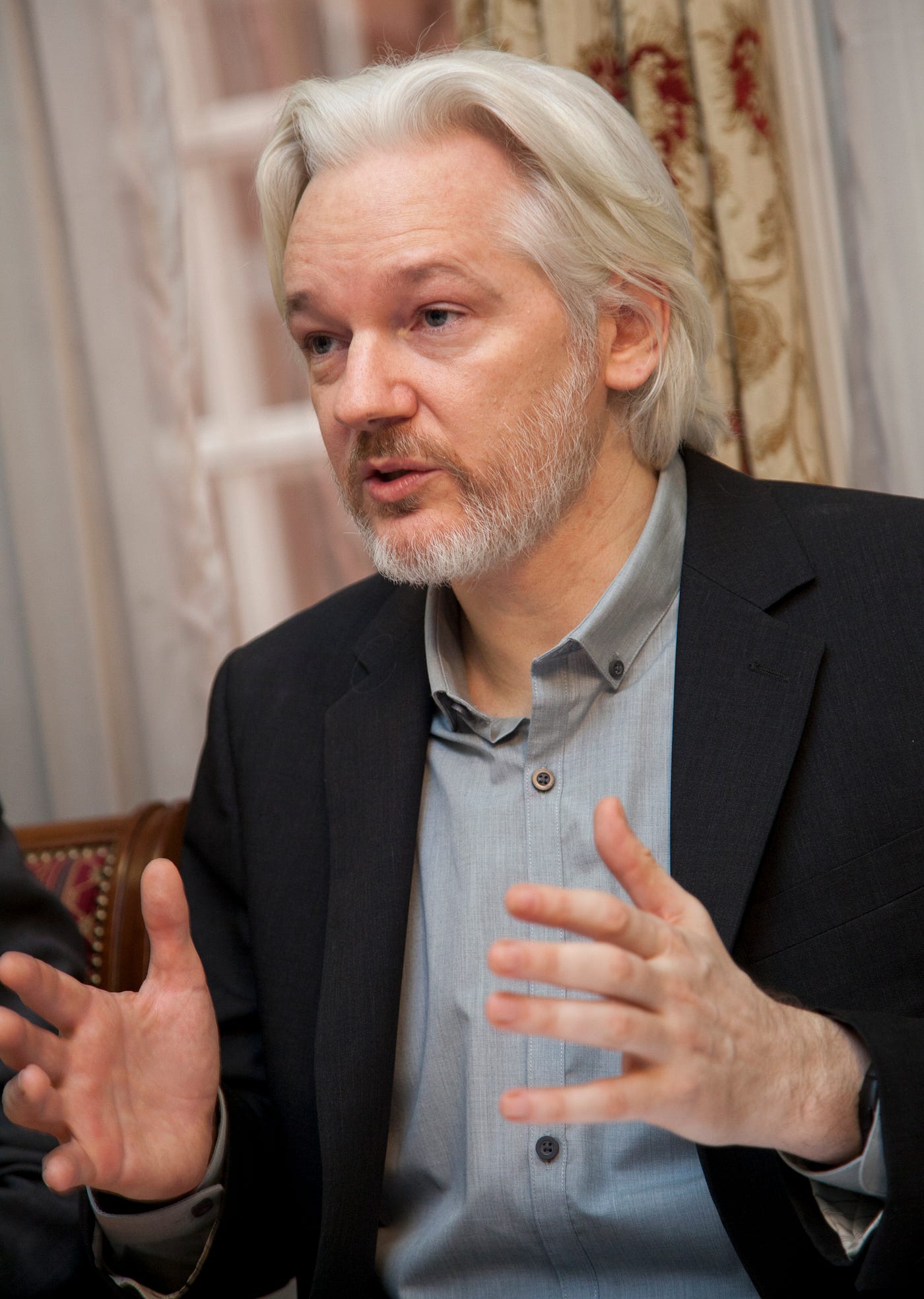
General Abdourahamane Tchiani, Niger’s military ruler since the July 2023 coup, whose government’s rhetoric and regional posture have increasingly intersected with Northern Nigeria’s security and political landscape.
The Coordinated Propaganda and Border Exploitation Campaign Threatening Northern Nigeria’s Stability A Quiet Escalation Along a Familiar Border In late December 2024, residents in parts of Sokoto and Kebbi began reporting an unfamiliar pattern of armed movement along the Nigeria–Niger frontier. By early January 2025, Nigerian security agencies had formally acknowledged a series of incursions linked to a loosely organised armed group locally referred to as Lakurawa — a name that quickly spread across Hausa-language media and WhatsApp networks. Initial reporting by outlets such as Daily Trust and Al Jazeera framed the phenomenon cautiously: a mix of cross-border bandit factions exploiting weak state presence. But within weeks, a parallel narrative began t circulate — one that was far more politically charged. On Nigerien state platforms and aligned social media channels, Nigerian authorities were accused of fabricating or even sponsoring insecurity to justify aggression against Niger’s military government. The tone escalated further when General Abdourahamane Tchiani, Niger’s junta leader, delivered a lengthy Hausa-language address in mid-2025, accusing Nigeria of acting as a proxy for foreign powers and insinuating that Northern Nigerians would resist any confrontation with Niamey. The message was unmistakable: the conflict was no longer being framed as interstate diplomacy, but as something deeper — a contest for influence within Northern Nigeria itself. This convergence of security incidents, propaganda narratives, and targeted messaging points to a broader and more troubling development. The military leadership in Niamey under General Tchiani is no longer just a difficult neighbour managing its own internal transition. It has actively inserted itself into Nigeria’s internal security and political fractures through coordinated propaganda, ethnic incitement, and the systematic exploitation of the Northwest’s long-standing banditry crisis. For Arewa, the implications are profound. What appears on the surface as a border security problem is increasingly a hybrid threat — one that blends information warfare, political interference, and opportunistic use of ungoverned spaces. And unlike conventional conflict, its most dangerous effects may not be immediately visible. Section 1: The Interview Pattern — A Narrative Fixated on Nigeria Since the July 2023 coup that brought General Tchiani to power, a striking pattern has emerged across his public communications: an overwhelming fixation on Nigeria. A review of major public statements, interviews, and televised addresses between July 2023 and mid-2025 reveals that a disproportionate share of messaging from Niger’s junta has focused not on internal governance challenges — such as inflation, food insecurity, or security threats within Niger — but on Nigeria, ECOWAS, and alleged external plots. Consider the timeline: August 2023 (post-coup ECOWAS crisis): In early communications following the coup, Nigerien military spokesmen repeatedly framed Nigeria — then chairing ECOWAS under President Bola Tinubu — as the primary driver of potential military intervention. September 2023 (France 24 interview): Junta representatives emphasised Nigeria’s “hostile posture” more than domestic policy priorities. Late 2023 (Al Jazeera coverage): Nigerien officials accused Nigeria of enabling foreign interference, again positioning Abuja as a central antagonist. December 2024 (local Nigerien media): During discussions around emerging insecurity near the border, officials suggested Nigerian complicity in destabilisation narratives tied to Lakurawa. January 2025 (Al Jazeera field report): Coverage of cross-border insecurity included claims from Nigerien sources blaming Nigeria for escalating tensions. March 2025 (post-transition charter): Following the formalisation of a five-year transition under the junta, public messaging again returned to Nigeria as a strategic threat. June 2025 (RTN televised address): In a widely circulated three-hour broadcast — notably delivered in Hausa — Tchiani devoted significant portions to accusing Nigeria of sponsoring terrorism and acting under Western influence. Repeated 2024–2025 social media releases: Official Nigerien accounts and affiliated channels consistently referenced “Nigeria,” “Tinubu,” and “ECOWAS aggression” far more frequently than domestic governance themes. Across these instances, a pattern becomes clear: Nigeria is not merely referenced — it is central to the junta’s narrative architecture. The language used is equally telling. Phrases such as “external aggression,” “proxy warfare,” and “defending our sovereignty against Nigeria-led plots” recur across platforms. More strategically, Hausa-language messaging increasingly invokes shared identity: “our brothers in the North,” “common heritage,” and “those who understand the truth.” This is not incidental. It reflects deliberate narrative engineering aimed at shaping perceptions within Northern Nigeria — not just among policymakers, but among the broader population. By framing Nigeria’s federal government as aligned with external interests and implicitly contrasting it with Northern identity, the junta’s messaging attempts to create cognitive dissonance: to position itself as both an external state actor and an internal ally. In intelligence terms, this is a classic influence strategy — redefining the audience so that a foreign government speaks as though it is part of a domestic constituency. Section 2: The Hausa-Zallah Propaganda Pipeline — From Junta Defence to Division In the immediate aftermath of the July 2023 coup, a surge of Hausa-language social media activity emerged across platforms including X (formerly Twitter), TikTok, Facebook, and WhatsApp. At first glance, the content appeared organic: young voices defending Niger’s sovereignty, criticising ECOWAS, and praising the military leadership. But closer analysis — including account creation timelines, posting patterns, and linguistic consistency — suggests a more coordinated operation. Phase One: Rapid Narrative Alignment (July–October 2023) Within weeks of the coup: Dozens of previously inactive or newly created accounts began posting pro-junta content. Messaging was highly synchronised — identical phrases, hashtags, and talking points appeared across multiple platforms simultaneously. Content often mirrored or directly amplified material from Nigerien state media outlets. This phase focused on legitimacy: portraying the coup as a patriotic act and delegitimising external criticism, particularly from ECOWAS and Nigeria. Phase Two: Narrative Pivot (Late 2023–2024) By late 2023, the messaging began to shift. Instead of simply defending the junta, a subset of accounts started promoting divisive narratives within Nigeria itself. Central to this was the emergence of what users began referring to as “Hausa-Zallah” discourse — a loosely defined but highly charged framing of internal marginalisation and ethnic grievance. Key characteristics included: Increased focus on Nigerian internal politics, particularly perceived North–South imbalances. Escalation in tone, with more confrontational and emotionally charged language. Cross-platform amplification, especially via WhatsApp broadcasts — a critical vector in Northern Nigeria. Phase Three: Consolidation and Influence (2024–2025) By 2024–2025, the network had matured: Several accounts achieved verification status or large followings in a short period. Messaging became more sophisticated, blending local grievances with geopolitical narratives. Links between content and Nigerien media narratives became more traceable, though often indirectly. Importantly, OSINT (open-source intelligence) indicators — including metadata analysis and linguistic patterns — suggest that many of these accounts are either operated by Nigerien nationals or by individuals aligned with, or compensated by, entities connected to the junta. This does not require clandestine assumptions; the evidence is largely public. Sudden account creation spikes, identical phrasing across supposedly independent users, and direct amplification of state narratives all point to coordinated behaviour. The most significant shift, however, is strategic: what began as regime defence evolved into a campaign capable of influencing internal discourse within Northern Nigeria. Section 3: Incitement Through Historical Narratives and Identity Politics Among the most consistent themes in Tchiani’s rhetoric is the invocation of historical and ethnic narratives designed to resonate across the Nigeria–Niger border. One frequently repeated claim is that Niger “helped Nigeria win the civil war” or “saved Nigeria from Biafra.” While cross-border dynamics during the Nigerian Civil War were complex, this assertion is widely regarded by historians as exaggerated and politically instrumentalised. Yet within Niger, it is a commonly held belief — and when deployed in public messaging, it serves a clear purpose: to establish moral leverage and historical entitlement. Equally notable is the framing of potential conflict with Nigeria as an internal Nigerian issue rather than an interstate one. Statements suggesting that “our Hausa brothers in the North will not accept aggression” imply that any Nigerian military action would trigger internal resistance. This is a form of strategic signalling — not necessarily because such resistance is inevitable, but because the perception of it can influence decision-making in Abuja. At a deeper level, these narratives reflect the junta’s own strategic anxieties. A stable, democratic Nigeria represents both a political contrast and a potential source of pressure, particularly through ECOWAS mechanisms. Rather than engaging through formal diplomatic channels alone, the junta appears to be pursuing a parallel strategy: shaping the informational environment in Northern Nigeria to reduce the likelihood of unified national action. Section 4: The Banditry Nexus and the Exploitation of Weak Borders The Nigeria–Niger border across Kebbi, Sokoto, Zamfara, and Katsina stretches over vast, lightly governed terrain. Long before the 2023 coup, it had already become a conduit for smuggling, cattle rustling, and armed banditry. What has changed since the coup is not the existence of these dynamics, but their strategic context. Research from organisations such as the United Nations Institute for Disarmament Research (UNIDIR) and the Africa Center for Strategic Studies has consistently highlighted how porous borders in the Sahel enable the flow of arms and armed groups. Reporting by Daily Trust has pointed to specific safe havens in Niger’s Maradi region used by bandit factions operating in Northwest Nigeria. Following the coup, cooperation mechanisms between Nigeria and Niger — including joint patrols and intelligence sharing — have been significantly reduced or suspended. This has created what security analysts describe as a “permissive environment.” It is important to be precise: there is no conclusive evidence that Niger’s junta orchestrates bandit attacks in Nigeria. The banditry crisis is deeply rooted and predates the coup. However, the combination of: Reduced bilateral security cooperation Apparent tolerance by some local actors across the border Continued existence of safe havens has effectively turned the frontier into a logistical lifeline for criminal networks. The Lakurawa incidents of late 2024 and early 2025 illustrate this dynamic. Armed groups were able to move across the border, exploit gaps in surveillance, and operate within communities already strained by years of insecurity. The result is a feedback loop: insecurity fuels distrust, distrust weakens cooperation, and weakened cooperation enables further insecurity. Section 5: Political Interference and Nigeria’s Internal Response Beyond information campaigns and border dynamics, there is growing evidence of more direct forms of political interference. Niger’s junta — along with aligned regimes in the Sahel — has reportedly engaged in influence operations targeting audiences within Nigeria. These include: Funding or incentivising social media influencers to promote pro-junta narratives Amplifying anti-democracy messaging Encouraging scepticism toward Nigeria’s federal institutions In response, Nigeria’s Department of State Services (DSS) has conducted operations targeting networks of individuals suspected of participating in such campaigns. While details remain limited, official statements have confirmed the dismantling of several propaganda-linked cells. Crucially, these operations have cut across regional and ethnic lines. Individuals involved have included both Northern and Southern Nigerians — underscoring that this is not a North-versus-South issue, but a broader national security concern. Arewa, however, remains the primary informational battleground — due to linguistic proximity, cultural ties, and geographic exposure. Section 6: Strategic Motivation — Why the Junta Is Acting Now To understand the timing and intensity of these activities, it is necessary to consider the junta’s strategic position. In March 2025, Niger formalised a five-year transition under military leadership, effectively consolidating the junta’s hold on power. At the same time, it deepened its alignment with other Sahelian military regimes through the Alliance of Sahel States (AES). Despite this consolidation, the junta remains vulnerable: It lacks democratic legitimacy It faces economic and security challenges It operates under continued international scrutiny A democratic Nigeria on its southern border represents both a contrast and a potential threat — particularly if ECOWAS or Western partners were to push for stronger action. In this context, the junta’s strategy appears to follow a familiar pattern seen in other regions: pre-emptive destabilisation of a more powerful neighbour’s internal cohesion. By: Amplifying ethnic and regional divisions Exploiting existing security crises Shaping public perception through coordinated narratives the junta reduces the likelihood of a unified Nigerian response to external pressure. In intelligence terms, this is an “active measures” approach — not necessarily aimed at direct confrontation, but at shaping the strategic environment in advance. Conclusion: Arewa at the Centre of a Hybrid Threat Arewa today sits at the intersection of multiple overlapping pressures: long-standing insecurity, economic strain, and now an increasingly sophisticated external influence campaign. The danger is not simply that Niger’s junta is hostile. It is that its actions are calibrated to exploit existing vulnerabilities within Northern Nigeria — turning internal challenges into strategic leverage. Romanticising the leadership in Niamey, or viewing developments solely through the lens of anti-Western sentiment, risks missing the larger picture. Genuine people-to-people ties between communities across the Nigeria–Niger border are real and valuable. They have existed for generations and should be preserved. But enabling — whether actively or through silence — a leadership that is willing to deploy propaganda, incitement, and opportunistic exploitation of insecurity risks undermining the very fabric of those relationships. For Arewa, the response must be clear-eyed and grounded in reality: Demand accountability from political leaders and security agencies Strengthen internal cohesion against divisive narratives Reassert the importance of national unity in the face of external manipulation This is not a call for confrontation. It is a call for awareness. Because in hybrid conflicts, the most decisive battles are often fought not on the battlefield — but in perception, trust, and cohesion. And in that arena, the stakes for Northern Nigeria could not be higher.
메타데이터
- post_id
- bbb3edc10b77
- slug
- how-nigers-junta-became-arewa-s-hidden-security-threat-bbb3edc10b77
- url
- https://medium.com/@arewaedition/how-nigers-junta-became-arewa-s-hidden-security-threat-bbb3edc10b77
- canonical_url
- https://medium.com/@arewaedition/how-nigers-junta-became-arewa-s-hidden-security-threat-bbb3edc10b77
- author_url
- https://medium.com/@arewaedition
- status
- ok
- fetched_at
- 2026-06-24 04:09:36