The Hidden Psychology Behind Productivity Hacks
Why our brains crave shortcuts — and how to break free from the cycle
The Hidden Psychology Behind Productivity Hacks
Why our brains crave shortcuts — and how to break free from the cycle
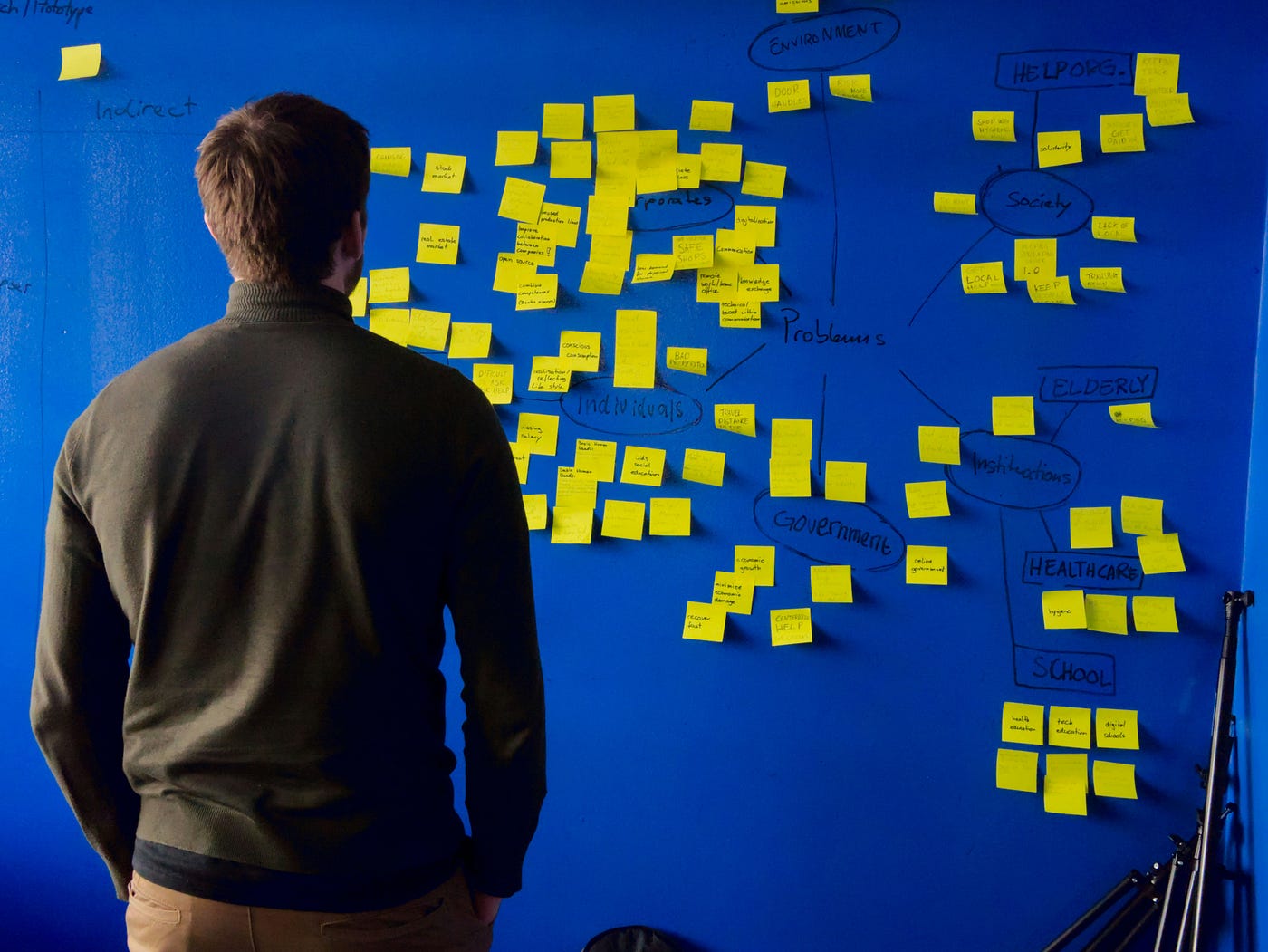
Photo by Per Lööv on Unsplash
Scroll through any social feed or open a self‑help book, and you’ll find yourself surrounded by promises of instant productivity: wake up at 5 a.m., use the Pomodoro timer, batch your emails, or “eat the frog” before breakfast. These hacks are presented as magic keys to unlock efficiency, and they spread with viral ease. But beneath the surface lies a deeper story — one not about work, but about the human mind. We chase hacks not simply because they might help, but because our brains are wired to crave novelty, certainty, and control.
I spoke with a marketing professional who admitted she had tried nearly every hack she encountered online. Each new method felt like a fresh start, a chance to finally fix her scattered routines. “I thought, this one will finally change everything,” she confessed. But after weeks of trial and error, she was left frustrated, guilty, and no closer to progress. Her experience reflects a larger truth: hacks often fail not because they’re inherently flawed, but because they exploit psychological triggers. They give us a dopamine rush of excitement, a comforting illusion of control, and a sense of belonging to a culture obsessed with shortcuts.
This is the hidden psychology of productivity hacks. They appeal to our deepest instincts, but rarely deliver lasting change. To understand why we chase them — and how to break free — we must look beyond the slogans and into the science of human behavior.
At the heart of our obsession with productivity hacks lies a powerful chemical: dopamine. Often called the brain’s “reward signal,” dopamine is released when we encounter something new, exciting, or promising. Each fresh hack — whether it’s a shiny app, a trending routine, or a clever acronym — delivers that rush. It feels like possibility, like momentum waiting to happen. But the effect is fleeting.
I spoke with a software developer who confessed that he loved the thrill of discovering new hacks. “It’s like buying a new gadget,” he explained. “For a few days, I feel unstoppable. Then the excitement fades, and I’m back where I started.” His experience mirrors what psychologists describe as the novelty‑dopamine loop: we chase new methods not because they’re better, but because they make us feel good in the moment.
The problem is that dopamine sparks motivation but doesn’t sustain it. Hacks give us the illusion of progress, but once the chemical high wears off, the hard work of consistency remains. That’s why so many people abandon routines after a week or two — not because they lack discipline, but because the brain has moved on from its initial thrill.
Understanding this cycle is crucial. Productivity hacks aren’t inherently harmful, but when we rely on dopamine alone, we mistake excitement for effectiveness. Real progress requires systems that endure beyond the chemical rush — habits built on reflection, not just novelty.
One reason productivity hacks hold such power is that they offer the comforting illusion of control. In a world where deadlines pile up, inboxes overflow, and distractions multiply, a simple tip feels like a lifeline. “Wake up earlier,” “make a list,” or “block your time” — these mantras promise order in the chaos. They suggest that if we just follow the formula, we can tame the unpredictability of modern work.
I spoke with a project coordinator who admitted she clung to hacks during stressful seasons. “They made me feel like I was steering the ship,” she said. “Even if I wasn’t actually getting more done, at least I felt organized.” Her words capture the paradox: hacks don’t necessarily solve the deeper issues of burnout, misaligned priorities, or systemic overload, but they soothe the anxiety of feeling out of control.
Psychologists note that humans crave certainty. When life feels overwhelming, small rituals — even borrowed ones — provide reassurance. Hacks thrive because they deliver that reassurance quickly. But the danger is subtle: when the illusion fades, people often blame themselves rather than the advice. They assume they failed, not that the hack was incomplete.
The illusion of control explains why hacks persist despite their limitations. They don’t just promise productivity; they promise peace of mind. Yet lasting progress requires more than borrowed certainty — it requires systems that acknowledge complexity and adapt to the realities of human life.
Behind the glossy promises of productivity hacks lies a quieter toll: the erosion of confidence, focus, and well‑being. Hack culture doesn’t just fail to deliver results — it leaves people feeling inadequate when the advice doesn’t stick. The cycle is familiar: try a new method, feel hopeful, lose momentum, then blame yourself instead of questioning the hack. Over time, this pattern breeds guilt and self‑doubt.
I spoke with a mid‑career consultant who described the emotional weight of constantly switching systems. “Every time a hack didn’t work, I thought it was me,” she said. “I felt broken, like everyone else had figured it out except me.” Her words reveal the hidden damage: hacks don’t just waste time, they chip away at self‑trust. Instead of building resilience, they create dependency on external formulas.
Hack culture also fractures focus. Each new method demands adjustment — new apps, new routines, new rituals. The energy spent chasing novelty often outweighs the energy invested in meaningful work. And because hacks are designed to be quick fixes, they rarely address deeper issues like burnout, misaligned priorities, or systemic workplace pressures.
The human cost of hack culture is not laziness or failure; it’s the quiet exhaustion of chasing illusions. Until we recognize that productivity cannot be mass‑produced, professionals will continue to pay with their confidence, their time, and their peace of mind.
Escaping hack culture requires more than rejecting the latest trend — it demands a conscious pivot toward personalization. Progress begins when individuals stop outsourcing their routines to borrowed formulas and start observing their own rhythms, energy, and priorities. The shift is subtle but powerful: instead of asking, Which hack should I try next?, the question becomes, What actually works for me?
I spoke with a designer who finally broke free after years of cycling through apps and planners. She began journaling her daily energy patterns, noting when she felt most creative and when she needed rest. Within weeks, she discovered that short bursts of focus late at night produced better results than rigid early‑morning schedules. By honoring her natural tendencies, she built consistency without guilt.
Breaking free means embracing experimentation and rejecting one‑size‑fits‑all advice. It requires courage to ignore popular slogans and patience to refine systems that fit your life. The reward is not just productivity, but peace of mind — a rhythm that sustains rather than drains. When professionals design systems around their humanity, they stop chasing hacks and start building progress that lasts.
The story of productivity hacks is not just about efficiency — it’s about psychology, identity, and the quiet struggles of modern work. We chase hacks because they spark dopamine, because they soothe our need for control, and because they promise certainty in uncertain times. Yet the cost of this chase is often invisible: fractured focus, eroded confidence, and the guilt of believing we’ve failed when the formula doesn’t fit.
Breaking free requires a shift in perspective. Progress is not found in the next viral tip but in systems that honor our humanity. It means observing our rhythms, experimenting with patience, and designing routines that reflect our lives rather than distort them. When professionals stop outsourcing their productivity to borrowed hacks and begin trusting their own patterns, they reclaim not just their time but their peace of mind.
The psychology behind hacks explains why they captivate us, but it also reveals why they rarely last. True productivity is not about shortcuts — it’s about alignment. And when we align our work with who we are, we stop chasing illusions and start building progress that endures.
메타데이터
- post_id
- bbb4c44aad98
- slug
- the-hidden-psychology-behind-productivity-hacks-bbb4c44aad98
- url
- https://medium.com/readers-club/the-hidden-psychology-behind-productivity-hacks-bbb4c44aad98
- canonical_url
- https://medium.com/readers-club/the-hidden-psychology-behind-productivity-hacks-bbb4c44aad98
- author_url
- https://medium.com/@bestecommercelife
- status
- ok
- fetched_at
- 2026-06-24 04:09:36