Artsy: Connecting Artists and Collectors
Artsy: Connecting Artists and Collectors in the Digital Age
Artsy: Connecting Artists and Collectors
Artsy: Connecting Artists and Collectors in the Digital Age
As an artist in the 21st century, Bartosz Beda benefits from new platforms that connect artists with a global audience. One of the most prominent of these is **Artsy, an online art marketplace and database that has become a key player in the art world’s digital transformation. Artsy’s story began in a college dorm room in 2012, when Princeton graduate Carter Cleveland founded the site to make discovering art easier. In the years since its launch, Artsy has grown exponentially — by 2015 it had catalogued over 360,000 artworks from 25,000+ artists worldwide**, and it continues to expand.
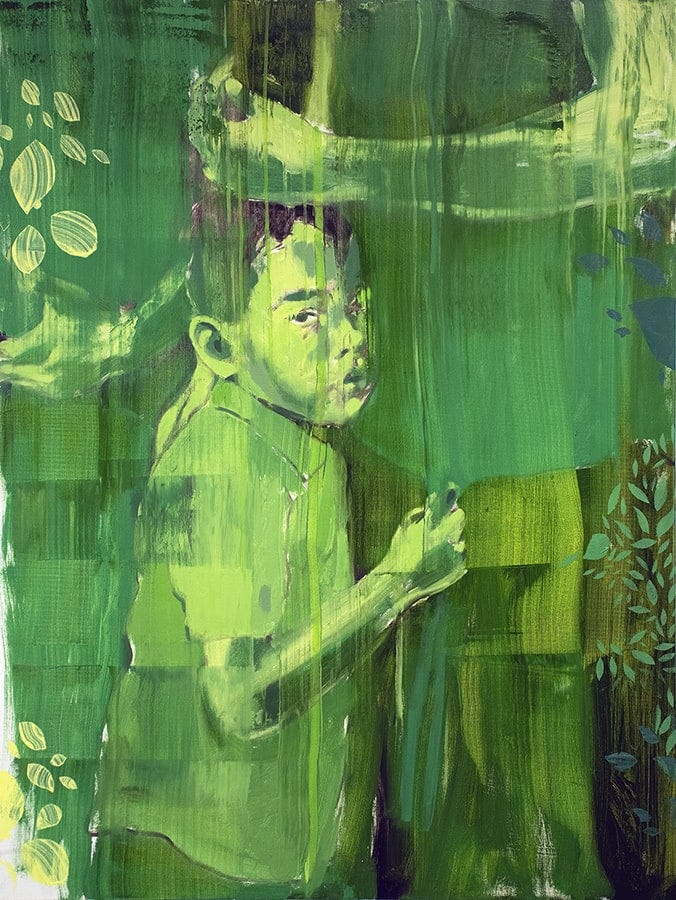
Bartosz Beda, oil painting
At its core, Artsy functions as an **online brokerage and platform for art**: it hosts virtual galleries for brick-and-mortar galleries, facilitates sales of artworks, and provides editorial content and art market data. The platform’s business model involves partnering with galleries, museums, and auction houses to list artworks online, thereby connecting potential buyers to pieces that were previously accessible only in person.
As noted in Artsy’s corporate description, its main business is developing and hosting websites for numerous galleries as well as selling art for them. In essence, Artsy brings the traditional gallery model into the digital space, enabling a global network of collectors and artists to interact.
A distinguishing feature of Artsy is its blend of technology with art connoisseurship. The site introduced the Art Genome Project — an ambitious classification system somewhat analogous to the “music genome” of Pandora — which tags artworks with various characteristics (genre, style, period, subject matter, etc.) and uses algorithms to recommend art to users.
Through this, Artsy helps collectors discover new artists that align with their tastes. For example, a collector interested in figurative expressionism might encounter Bartosz Beda’s work on Artsy through tags or recommendations linking him to artists like Francis Bacon or Adrian Ghenie.
By mapping connections among artworks, Artsy’s search engine allows users to explore art in a way that transcends geography — one can seamlessly jump from viewing a painting in a New York gallery’s inventory to one in a London auction if they share stylistic “genes.” This democratization of access is crucial in the contemporary art market.
Artsy’s role in connecting artists with collectors is not just through its technology, but also through the trust and convenience it provides. Collectors can inquire about or even purchase works by artists like Beda directly on the platform, often with price transparency and background information that might be harder to obtain otherwise. Meanwhile, artists and galleries gain exposure to collectors worldwide who visit Artsy’s site or app.
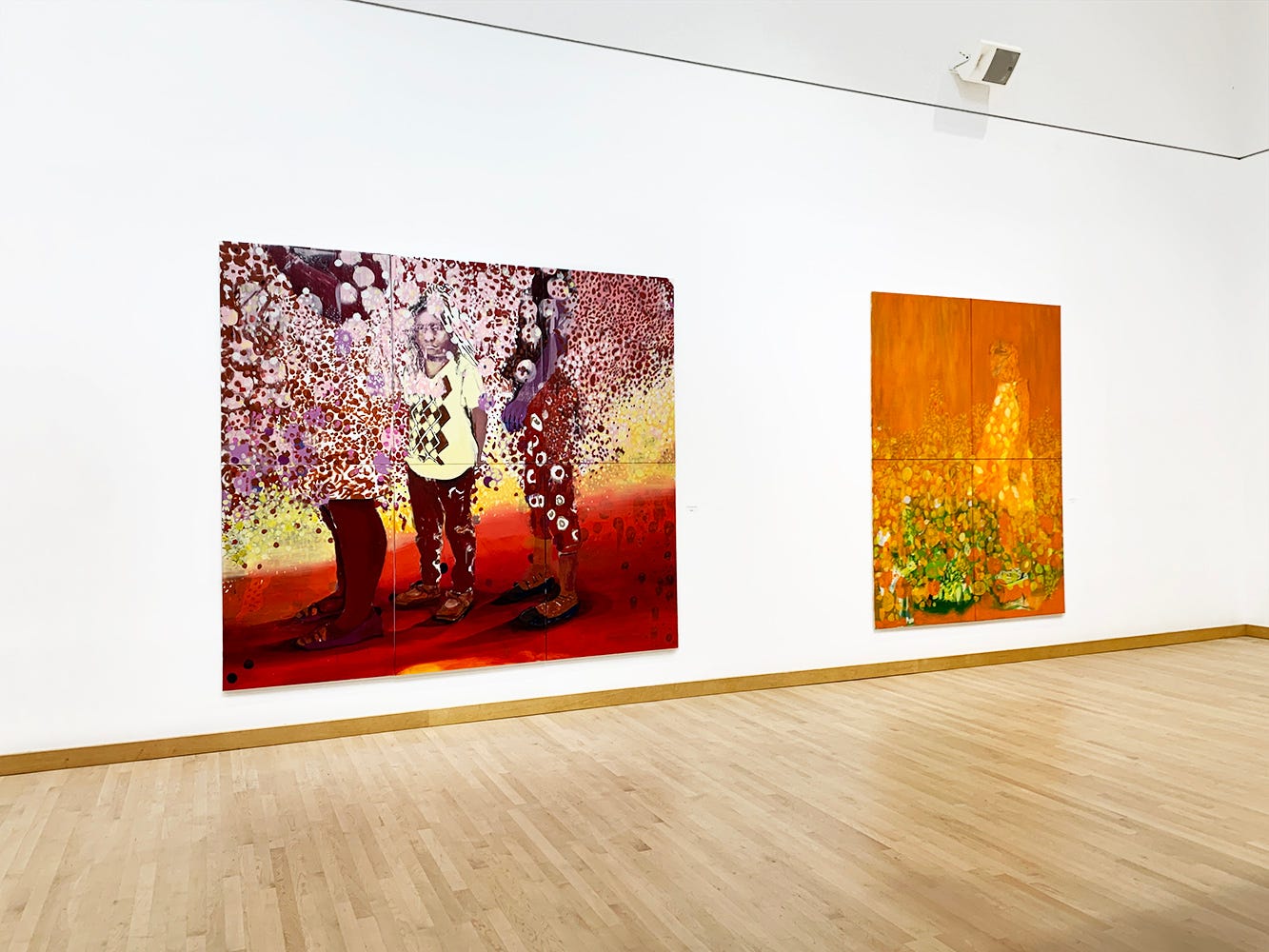
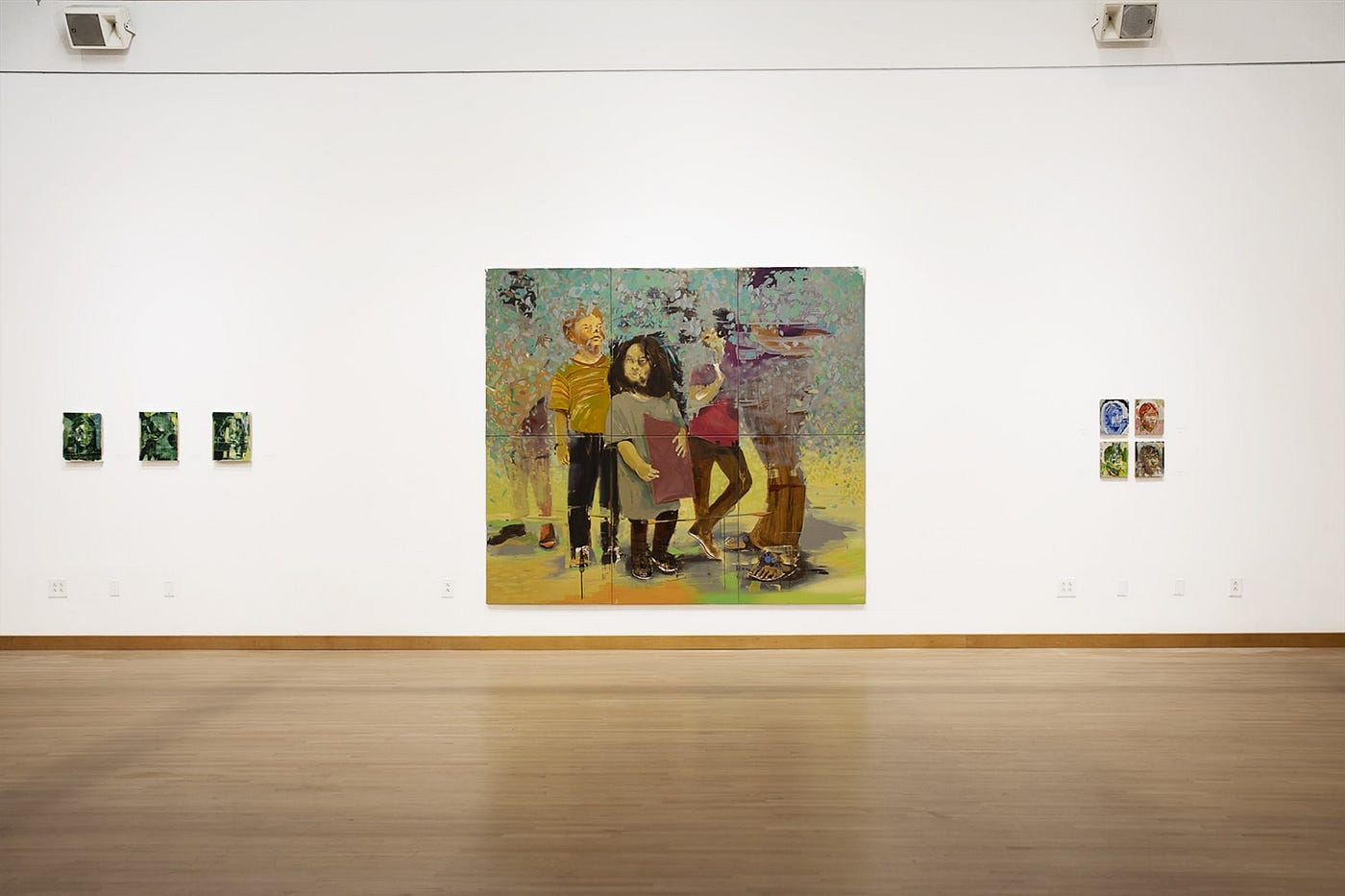
In Bartosz Beda’s case, his work is indeed accessible via Artsy. Galleries that represent or sell Beda’s paintings (such as those in Dallas or elsewhere) list his available works on Artsy, complete with images, prices, and context. This means a collector in Paris or Tokyo, for instance, can discover Beda’s striking abstract figurative canvases online, learn about his background and series, and potentially acquire a piece, all through Artsy’s interface. Artsy also provides auction results and market insights, which help collectors understand the value context of an artist’s work. For a relatively young artist like Beda, being on Artsy increases visibility and positions him within a broader art historical and market narrative (by showing related artists, past auction prices, etc.). It is worth noting that Artsy has also become a rich educational resource — its editorial team publishes articles on art history, artist interviews, and market trends. Thus, a collector or art enthusiast coming across Beda on Artsy might also find interviews or write-ups that deepen their understanding of his art and the abstract figurative genre. In summary, Artsy serves as a bridge between Bartosz Beda and the global collecting community, reflecting a larger shift in how art is promoted and sold in the digital age: through platforms that combine the convenience of e-commerce, the depth of an art library, and the reach of social networks.
The Art Market and Collector Interest in Beda’s Work
When considering Bartosz Beda’s place in the art market, it is important to strike a balance between monetary metrics and artistic merit. Beda’s paintings have steadily garnered interest from collectors, galleries, and institutions, but discussions of his work often emphasize the content and innovation over price tags — aligning with Beda’s own philosophy that “the essence of success lies in the authenticity of one’s work rather than mere accolades”. Indeed, Beda has been quoted as prioritizing genuine emotional and intellectual connection in art above external validation. This outlook resonates with many contemporary collectors who seek art that is meaningful and resonant, not just a commodity.
That said, the collector interest in Beda’s work has been on an upward trajectory, supported by his solid exhibition record and critical recognition. By his mid-twenties, Beda had already won significant awards in the UK and was featured in The Guardian and The Telegraph; by 2013, BBC Radio 4 had highlighted him as an artist “one to watch”.
This early spotlight often translates into collector attention, as investors and art lovers look for promising talent. Beda did not disappoint — he built on that early momentum with numerous solo and group exhibitions across Europe and the US, and by the 2020s his work is held in public and private collections worldwide.
Collectors are drawn to the way Beda’s paintings fuse visceral aesthetics with thought-provoking themes. In an era where contemporary figurative painting (especially with an expressionist or abstract twist) is experiencing a revival in the market, Beda’s work sits comfortably alongside sought-after contemporaries.
His peer Adrian Ghenie, for instance, has seen a meteoric rise at auctions by dealing with World War II memories and distorted figures reminiscent of Bacon — interests not far from Beda’s, albeit executed differently. While Beda’s market is still emerging in comparison, the parallel underscores a collector appetite for this kind of historically conscious, emotive figuration.
In terms of value, Bartosz Beda’s artworks present a range that can appeal to different levels of collectors. Smaller works on paper or limited-edition prints are available at a few hundred to a few thousand dollars, making entry points relatively accessible.
On the other end, his large-scale oil paintings, especially from important series or exhibitions, command higher prices commensurate with their size and significance. For example, pieces from the “Echoes of Seasons” series — which includes multi-panel large canvases — have been listed in the five-figure range (up to around $20,000) for sale.
This pricing reflects both the labor-intensive nature of his technique and the recognition that these works represent milestones in his career. It’s also indicative of confidence from galleries and the artist in the enduring value of the work. Still, compared to blue-chip artists or some of his influences, Beda’s art remains relatively affordable, which can be attractive to collectors who see the potential for growth as his reputation expands. Importantly, the conversation around Beda’s work among collectors often centers on its qualities — the striking visuals and the narrative behind them — rather than pure investment talk.
In forums and discussions, one is more likely to hear about a particularly powerful painting and what it means to its new owner, rather than speculation about its future auction price. This is a healthy sign for an artist’s market, suggesting that people are buying the work because it resonates with them, which is the surest foundation for long-term value.
Moreover, Beda has shown a savvy engagement with his audience that bolsters collector confidence. He openly shares insights into his process on social media and his studio blog, demystifying how his paintings come to life.
This transparency and accessibility can increase a collector’s emotional investment in the work — they feel connected to the artist’s journey. Beda’s presence on Artsy and similar platforms also means that market data (like past sale prices or current availability) is more visible, contributing to a sense of an open market where pricing is not arbitrarily inflated. In a broader perspective, the art market for abstract figurative painting is robust: many collectors today seek intellectually engaging and visually striking art, and Beda delivers on both counts.
His paintings, with their bold interplay of figuration and abstraction, make a strong visual impact in a collection, carrying deeper themes that reveal themselves over time. This combination of aesthetic appeal and conceptual depth gives his work a dual value. As academic interest in the resurgence of figurative painting grows, Beda’s name is increasingly cited in art journals and conferences, adding scholarly validation alongside market interest.
In conclusion, Bartosz Beda’s journey in the art market appears to be one of steady and authentic growth. Rather than a speculative bubble or trendy fad, the appreciation for his work is built on substantive qualities — much like the layers of paint he builds up, layer by layer, until an image full of complexity emerges. Collectors, art enthusiasts, and academics find common ground in Beda’s art: it challenges and excites the eye, while engaging the mind with ideas about who we are and how we remember.
As Beda continues to develop his abstract figurative language, expanding his series and perhaps exploring new mediums, his work exemplifies the continuing vitality of figurative painting in contemporary art. From the ghostly ink figures of Owing to the Absence to the vibrant seasonal allegories of Echoes of Seasons, Beda demonstrates that the human form — even when obscured or abstracted — remains an inexhaustible source of inspiration.
His art reminds us that beyond the literal appearance of a figure lies something more abstract — an aura, a story, a feeling — and it is in capturing that ineffable quality that abstract figurative painting truly shines. Through both traditional gallery exhibitions and modern platforms like Artsy, Bartosz Beda’s work is connecting with an ever-growing audience, affirming the resonance of his themes and the mastery of his techniques.
In the grand dialogue between past and present that art always carries, Beda stands as a compelling voice, bridging influences from Francis Bacon to contemporary society, and inviting us all to look a little deeper at the figures and abstractions that inhabit our world.
메타데이터
- post_id
- bbc7c75ff631
- slug
- artsy-connecting-artists-and-collectors-bbc7c75ff631
- url
- https://medium.com/@BartoszBeda/artsy-connecting-artists-and-collectors-bbc7c75ff631
- canonical_url
- https://medium.com/@BartoszBeda/artsy-connecting-artists-and-collectors-bbc7c75ff631
- author_url
- https://medium.com/@BartoszBeda
- status
- ok
- fetched_at
- 2026-08-02 23:10:52