Travel-Ready Charging: What Actually Matters
Travel charging is not about owning more accessories. It is about avoiding friction when devices need power in unfamiliar places.
Travel-Ready Charging: What Actually Matters
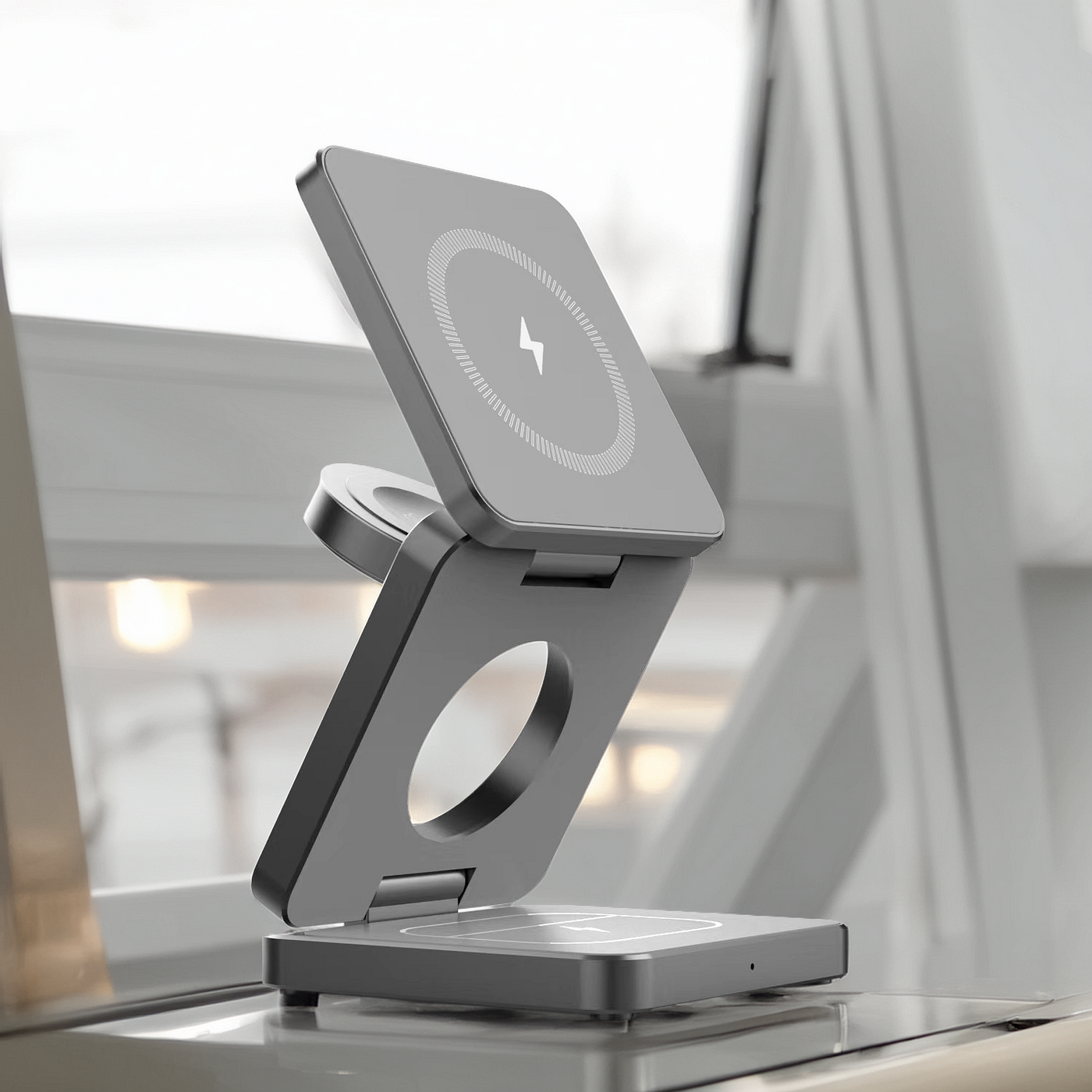
Travel charging is not about owning more accessories. It is about avoiding friction when devices need power in unfamiliar places.
Most charging problems while traveling come from three things:
- mismatched power requirements
- poor cable quality
- bulky, inefficient chargers
A travel-ready charging setup solves these issues without adding weight or complexity.
Power Standards Matter More Than Adapter Count
Modern devices charge differently than they did even a few years ago. USB-C Power Delivery allows devices to negotiate how much power they need instead of pulling a fixed amount.
This matters when charging:
- a phone
- earbuds
- a tablet
- or a laptop — often at the same time.
A single high-quality USB-C charger can safely power multiple devices if it supports proper power negotiation.
**USB-C Power Delivery explained**
Total Wattage Beats Number of Ports
More ports do not mean better charging.
What actually matters is total available wattage and how it is distributed. A charger with insufficient wattage will throttle devices or charge unpredictably.
For travel, look for:
- enough total output to cover your largest device
- intelligent power sharing
- thermal protection to prevent overheating in tight spaces
**High-output travel charger**
Cable Quality Is the Hidden Risk
Cables are often the weakest part of a charging setup.
Low-quality cables introduce resistance, which leads to:
- excess heat
- slower charging
- unstable connections
This is especially noticeable when fast-charging phones or power-hungry devices.
For travel, it is better to carry:
- fewer cables
- that are properly rated
- and built for repeated bending and packing
Size, Heat, and Efficiency Matter in Transit
Travel chargers operate in tighter environments:
- hotel nightstands
- airport outlets
- airplane seats
- shared power strips
Efficient chargers generate less heat and remain stable even when charging multiple devices at once.
Compact GaN-based designs help reduce:
- bulk in bags
- thermal buildup
- wasted power
This is not about speed. It is about predictable performance wherever you plug in.
A Travel Setup Should Reduce Decisions
The best travel charging setup is one you do not have to think about.
If you are asking:
- which cable to use
- which device to charge first
- whether the outlet can handle it
Then the setup is already failing.
A travel-ready system:
- works across regions
- adapts to device needs
- stays consistent from hotel to airport to café
Final Thought
Travel charging works best when it is designed around standards, not accessories.
When power delivery, wattage, and cable quality are aligned, charging becomes invisible. That is what actually matters when you are on the move.
메타데이터
- post_id
- bbd39baae426
- slug
- travel-ready-charging-what-actually-matters-bbd39baae426
- url
- https://medium.com/@bparekh/travel-ready-charging-what-actually-matters-bbd39baae426
- canonical_url
- https://medium.com/@bparekh/travel-ready-charging-what-actually-matters-bbd39baae426
- author_url
- https://medium.com/@bparekh
- status
- ok
- fetched_at
- 2026-06-12 22:02:08