Slow-Cooker Beef Stew Recipe
The Ultimate Slow-Cooker Beef Stew
Slow-Cooker Beef Stew Recipe
The Ultimate Slow-Cooker Beef Stew
A definitive, from-scratch, professional master guide to creating the ultimate Slow-Cooker Beef Stew — deeply savory, fork-tender beef, rich and velvety broth, perfectly cooked vegetables, and layered flavors developed slowly and patiently. This is not merely a recipe, but a comprehensive culinary deep dive into ingredient science, slow-cooking theory, classic technique, and professional chef secrets, designed to help you produce the best beef stew of your life, every time.
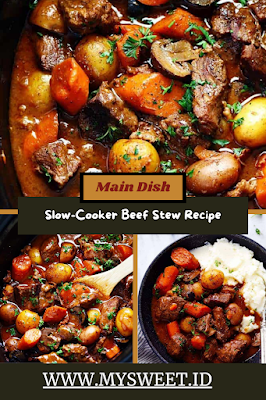
Table of Contents
- Introduction: Why Slow-Cooker Beef Stew Is Timeless Comfort Food
- A Brief History of Beef Stew and Slow Cooking
- What Defines the Best Slow-Cooker Beef Stew
- Understanding Flavor Development Over Time
- Ingredient Philosophy: Fewer Ingredients, Deeper Flavor
- Choosing the Right Beef Cut for Stewing
- Beef Anatomy, Collagen, and Tenderness
- Browning Meat: The Science of the Maillard Reaction
- Vegetables: Selection, Size, and Cooking Order
- Aromatics: Onion, Garlic, and Flavor Foundations
- Herbs and Spices: Building Warmth and Complexity
- Liquids: Stock, Wine, and Umami Boosters
- Thickening Methods: Flour, Starch, and Reduction
- Slow Cooker Types, Sizes, and Heat Behavior
- Equipment and Mise en Place
- Master Recipe Overview
- Preparing and Browning the Beef Properly
- Building the Stew Base Before Slow Cooking
- Layering Ingredients in the Slow Cooker
- Cooking Times, Temperature, and Patience
- Knowing When the Stew Is Perfectly Done
- Finishing the Stew: Seasoning and Texture Adjustment
- Serving Suggestions and Pairings
- Plating and Presentation for a Rustic Dish
- Troubleshooting Common Beef Stew Problems
- Advanced Chef Techniques and Professional Secrets
- Flavor Variations and Regional Twists
- Gluten-Free, Paleo, and Low-Carb Options
- Nutrition Information (Estimated)
- Make-Ahead, Storage, and Freezing
- Frequently Asked Questions
- Final Thoughts: Mastering the Art of Slow-Cooked Stew
1. Introduction: Why Slow-Cooker Beef Stew Is Timeless Comfort Food
Slow-cooker beef stew represents everything people love about comfort food: warmth, nourishment, patience, and reward. It is a dish that transforms humble, inexpensive ingredients into something deeply satisfying through time and gentle heat. Few meals evoke the same sense of home, tradition, and care as a pot of beef stew slowly simmering all day.
Unlike fast-cooked meals, beef stew demands patience. In return, it offers layers of flavor impossible to achieve quickly. The slow cooker excels at this transformation, creating tender beef, rich broth, and vegetables infused with savory depth.
This guide is designed to help you understand not just how to make beef stew, but why each step matters — empowering you to make confident adjustments while preserving classic integrity.
2. A Brief History of Beef Stew and Slow Cooking
Stews are among humanity’s oldest prepared foods. As soon as people had vessels capable of holding liquid over heat, they began simmering tough cuts of meat with vegetables. Over centuries, nearly every culture developed its own version of beef stew.
The slow cooker, introduced in the 20th century, modernized this ancient technique by allowing long, gentle cooking without constant supervision. It brought stew-making into everyday life, making slow-cooked meals accessible to busy households.

3. What Defines the Best Slow-Cooker Beef Stew
Exceptional beef stew is defined by harmony:
- Beef that is tender but not falling apart
- A broth that is rich, savory, and well-seasoned
- Vegetables that are soft but intact
- Balanced thickness — neither watery nor gluey
Achieving this balance requires thoughtful ingredient preparation and restraint.
4. Understanding Flavor Development Over Time
Time is the most important ingredient in slow-cooker stew.
- Collagen melts into gelatin
- Aromatics soften and sweeten
- Herbs infuse gradually
- Flavors meld and deepen
Rushing any step compromises depth.
메타데이터
- post_id
- bbd87ec81709
- slug
- slow-cooker-beef-stew-recipe-bbd87ec81709
- url
- https://medium.com/@tasmirahsami/slow-cooker-beef-stew-recipe-bbd87ec81709
- canonical_url
- https://medium.com/@tasmirahsami/slow-cooker-beef-stew-recipe-bbd87ec81709
- author_url
- https://medium.com/@tasmirahsami
- status
- ok
- fetched_at
- 2026-07-07 08:01:35