Quality Backlinks Are Built Through Systems, Not Shortcuts
Backlinks are often described as votes of trust.
Quality Backlinks Are Built Through Systems, Not Shortcuts
Backlinks are often described as votes of trust.
That description is useful, but it can also make backlink building sound too simple. If links are votes, then more votes must be better.
In real SEO work, that is not always true.
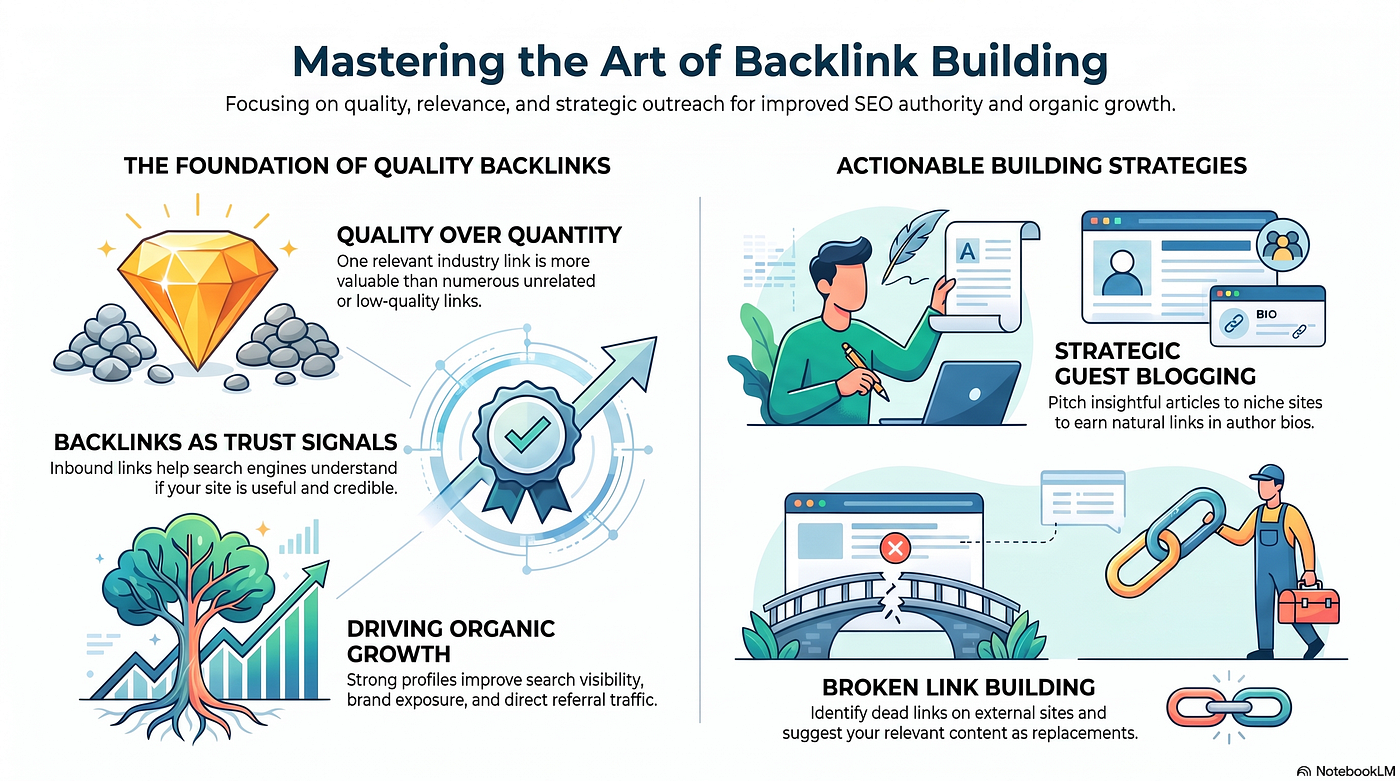
A quality backlink is not valuable only because it exists. It is valuable because of where it comes from, why it was placed, what page it points to, how naturally it fits into the content, and whether it supports the website’s wider authority profile.
That means link building should not be treated as a random activity.
It should be treated as a system.
The source article explains practical ways to get quality backlinks, including link-worthy content, guest blogging, social media amplification, influencer relationships, directory listings, and backlink monitoring. The deeper technical SEO lesson is that these tactics work best when they are connected through a structured backlink acquisition workflow.
A strong backlink strategy answers several questions before any outreach begins:
- Which pages deserve backlinks?
- What type of content is worth referencing?
- Which websites are relevant enough to target?
- Which anchor text patterns are safe?
- Which backlinks can drive referral traffic?
- How will link quality be measured after placement?
When those questions are ignored, link building becomes noisy. When they are answered, backlinks become part of a measurable SEO system.
Why This SEO Problem Matters
Many websites struggle with backlinks because they approach them from the wrong direction.
They start by asking, “Where can I get links?”
A better question is, “What does my website have that is worth linking to?”
Quality backlinks usually follow quality assets. A generic homepage, thin service page, or basic blog post may not give publishers a strong reason to link. But a detailed guide, original research, useful infographic, checklist, comparison page, or industry resource creates a stronger link opportunity.
Backlinks also depend on page readiness.
If a backlink points to a slow, thin, confusing, or poorly optimized page, the value is limited. Search engines may see the link, but users may not engage. The backlink may support authority signals, but the destination page still needs to satisfy search intent.
This is why backlink building connects directly with technical SEO, content SEO, UX, and reporting.
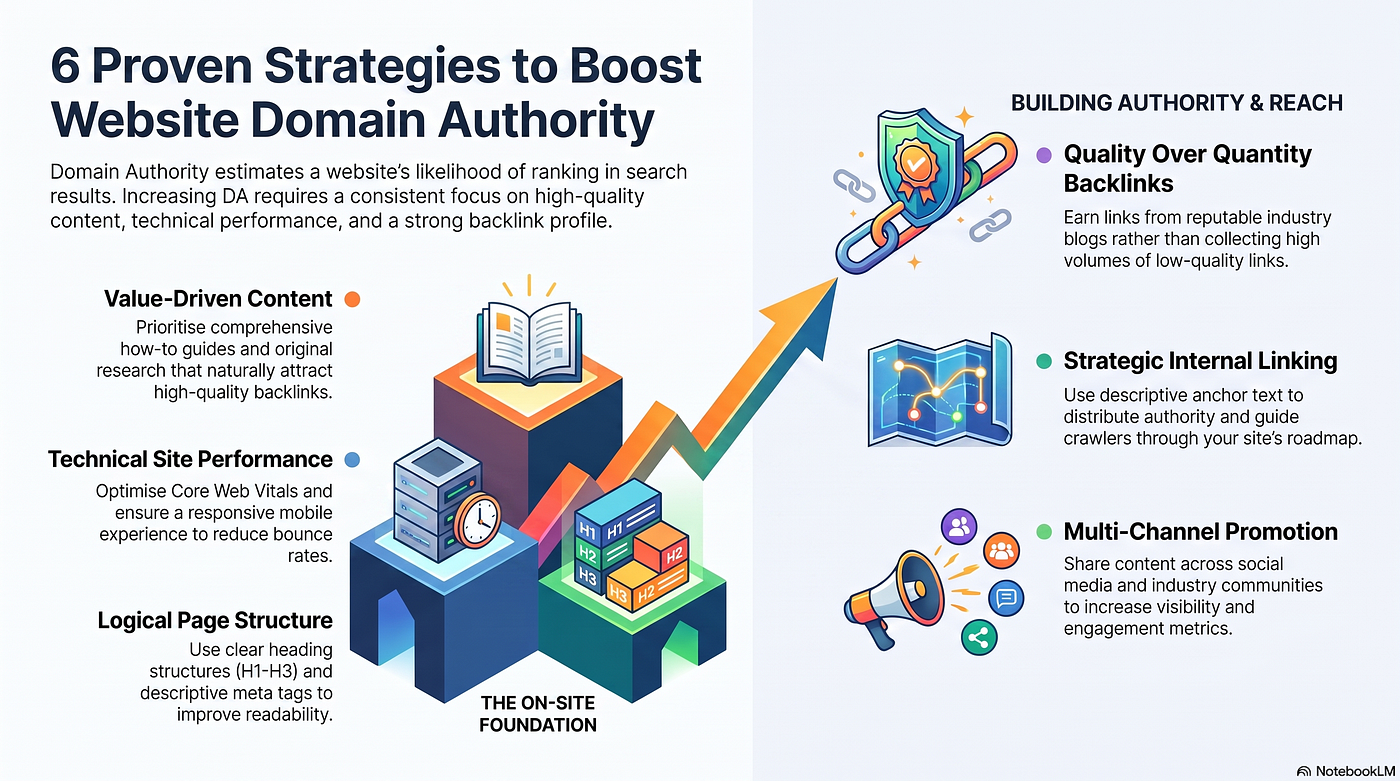
A website needs crawlable pages, useful content, internal links, clean architecture, and strong user experience before backlinks can perform at their best.
Technical SEO Workflow Breakdown
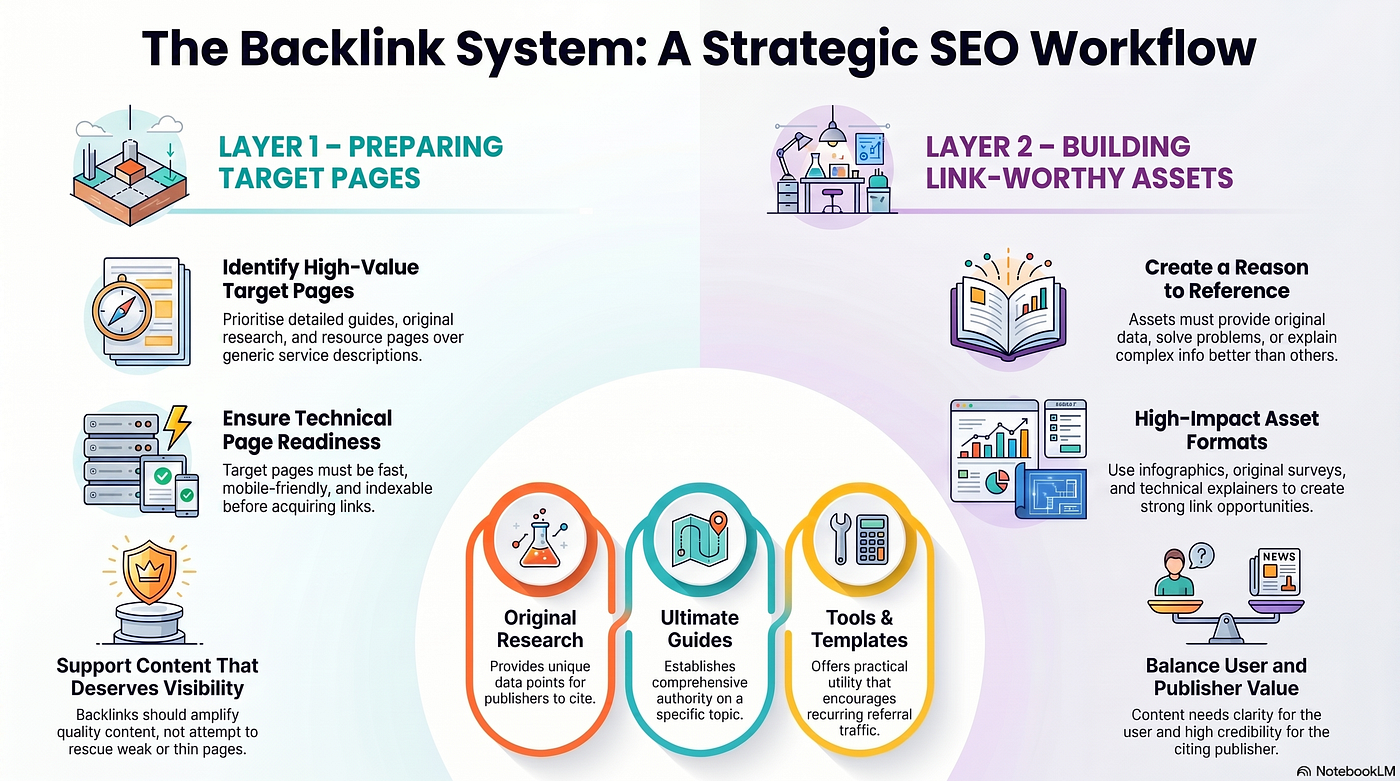
A practical quality backlink workflow can be built in six layers.
1. Prepare the target pages
Before trying to earn backlinks, identify the pages that should receive them.
Good backlink targets include:
- Ultimate guides
- Research pages
- Case studies
- Resource pages
- Comparison pages
- Service pages
- Product category pages
- Local landing pages
- Tools or templates
- Data-driven content assets
Each target page should be technically ready. It should be indexable, internally linked, mobile-friendly, fast enough, and aligned with search intent.
A backlink should not be used to rescue weak content. It should support content that already deserves visibility.
2. Build link-worthy content
Link-worthy content gives other websites a reason to reference you.
The strongest assets usually do one of four things:
- Explain something better than existing pages
- Provide original data or insight
- Solve a practical problem
- Make complex information easier to use
Examples include ultimate guides, how-to tutorials, statistics pages, original surveys, infographics, downloadable templates, expert roundups, and technical explainers.
Content should be built with both users and publishers in mind. A user wants clarity and value. A publisher wants something credible enough to cite.
3. Use guest blogging strategically
Guest blogging still works when it is relevant and useful.
The mistake is treating guest posts as containers for links. A better approach is to treat them as audience expansion assets.
A strong guest post should match the host website’s audience, solve a real problem, and include a backlink only where it naturally adds value.
For example, a SaaS company writing for a productivity blog should not force a link into unrelated content. The better approach is to write a useful article about workflow management, then link to a relevant guide, case study, or resource.
Guest blogging works best when the link supports the reader’s next step.
4. Amplify content through social and community channels
Social media links are often nofollow, but social amplification still matters.
When useful content is shared on LinkedIn, X, Facebook, Reddit, niche forums, or industry communities, it can reach bloggers, journalists, creators, and website owners who may reference it later.
Social media does not replace backlink outreach. It increases discovery.
The best approach is to share insights, not just URLs. Instead of dropping a link with no context, summarize the key takeaway, show a visual, ask a useful question, or explain why the resource matters.
Visibility can create secondary backlink opportunities.
5. Build relationships before making requests
Backlinks often come from relationships.
Influencers, editors, bloggers, journalists, niche site owners, and community leaders are more likely to engage with content from people or brands they recognize.
Relationship-building can include thoughtful comments, sharing useful resources, quoting experts, collaborating on webinars, contributing to roundups, or featuring others in your content.
The key is timing.
If the first interaction is a backlink request, the response rate is usually low. If trust already exists, outreach feels more natural.
6. Monitor backlinks and competitors
Backlink building does not end when links go live.
Teams should monitor:
- New backlinks
- Lost backlinks
- Referring domains
- Anchor text
- Target pages
- Source relevance
- Link status
- Referral traffic
- Competitor backlink gaps
Tools such as Google Search Console, Ahrefs, SEMrush, and other backlink analysis platforms can help identify which links are active, which pages attract links, and where competitors are earning authority.
Monitoring turns backlink building from guesswork into a feedback loop.
Strategy and Implementation Considerations
Quality backlink building should be matched to business goals.
If the goal is organic visibility, prioritize links to high-value pages that already have keyword potential.
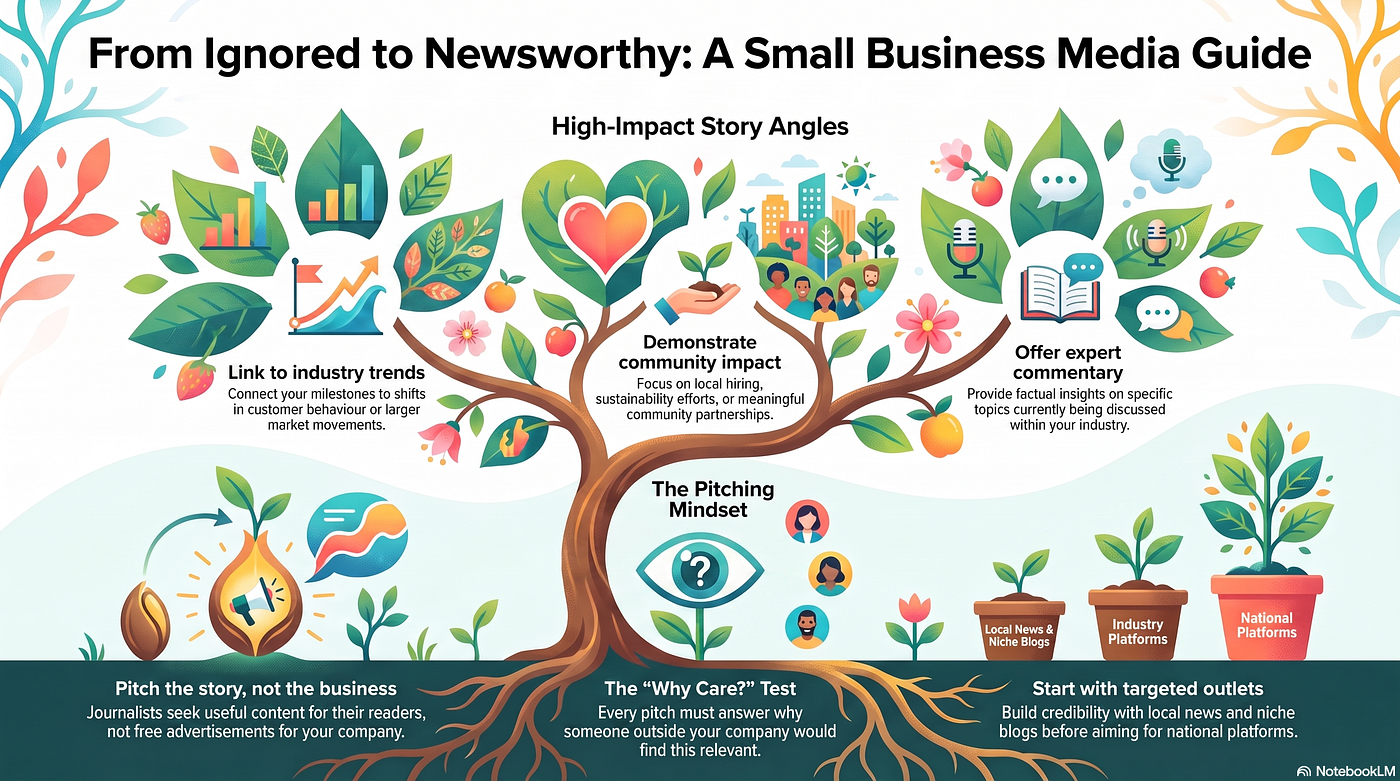
If the goal is brand authority, prioritize editorial mentions, guest posts, digital PR, and niche-relevant publications.
If the goal is local visibility, prioritize Google Business Profile, Yelp, Chamber of Commerce directories, local citations, and industry-specific directories.
If the goal is content growth, build linkable assets first and promote them through outreach and social distribution.
If the goal is agency delivery, documentation and reporting become critical.
SEOeStore Panel can fit into this workflow when agencies, resellers, marketers, or website owners need backlink services, SEO campaigns, press release distribution, link-building support, drip feed options, or white-label reporting. But the strongest results come when the backlink campaign is connected to clear target pages, useful content, and responsible quality control.
Authority, Backlinks, PR, and Content Distribution Considerations
Backlinks are not only about ranking signals.
They can also support referral traffic, brand discovery, topical authority, content distribution, and trust.
A strong backlink acquisition strategy can include:
- Guest blogging for niche relevance
- Broken link building for resource replacement
- Digital PR for real announcements
- Local directory citations for local SEO
- Social amplification for content discovery
- Influencer relationships for audience trust
- Linkable assets for natural references
- Competitor analysis for opportunity discovery
The mix depends on the website.
A local business may benefit from citations and local partnerships. A SaaS company may benefit from comparison pages, guest posts, and product-led content. An ecommerce site may benefit from product guides, review content, and digital PR. An agency may benefit from case studies, industry insights, and white-label reporting.
The goal is not to copy every tactic. The goal is to choose the backlink channels that fit the website’s authority gaps.
Common Mistakes
The biggest mistake is chasing backlinks before building something worth linking to.
Other common mistakes include:
- Prioritizing quantity over quality
- Building links from irrelevant websites
- Using the same anchor text repeatedly
- Sending every backlink to the homepage
- Ignoring linkable assets
- Publishing guest posts on weak or unrelated sites
- Treating social media as direct SEO instead of discovery
- Requesting links before building relationships
- Ignoring local citations for local businesses
- Not monitoring lost backlinks
- Not reviewing competitor backlink gaps
- Building backlinks to non-indexable or weak pages
Quality backlinks are not random. They are earned, placed, tracked, and connected to a broader SEO strategy.
Metrics to Monitor
A backlink report should show more than total link count.
Important metrics include:
- New referring domains
- Backlink quality
- Source relevance
- Anchor text distribution
- Link placement context
- Follow vs. nofollow ratio
- Indexed linking pages
- Target pages receiving links
- Referral traffic
- Organic impressions
- Organic clicks
- Keyword movement
- Lost backlinks
- Competitor backlink gaps
- Branded search growth
- Assisted conversions
For agencies and resellers, white-label reporting should explain what was built, why it matters, which pages were supported, and how performance changed over time.
Safe and Responsible SEO Use Note
SEO workflows should be used responsibly, with a focus on relevance, quality, transparency, and compliance with search engine guidelines.
For backlink building, this means avoiding spammy placements, irrelevant websites, misleading outreach, excessive automation, unnatural anchor patterns, and unsupported ranking claims. The goal should be to improve backlink profile quality through useful content, credible sources, and transparent reporting.
Quality backlinks are not created by shortcuts. They come from useful content, relevant relationships, smart distribution, local trust signals, and consistent monitoring.
Build backlinks like a system: prepare strong pages, create link-worthy assets, qualify sources, promote content responsibly, and monitor the quality of every link over time.
메타데이터
- post_id
- bbde26ae3ce6
- slug
- quality-backlinks-are-built-through-systems-not-shortcuts-bbde26ae3ce6
- url
- https://medium.com/@elenamoore7890/quality-backlinks-are-built-through-systems-not-shortcuts-bbde26ae3ce6
- canonical_url
- https://medium.com/@elenamoore7890/quality-backlinks-are-built-through-systems-not-shortcuts-bbde26ae3ce6
- author_url
- https://medium.com/@elenamoore7890
- status
- ok
- fetched_at
- 2026-07-20 15:11:45