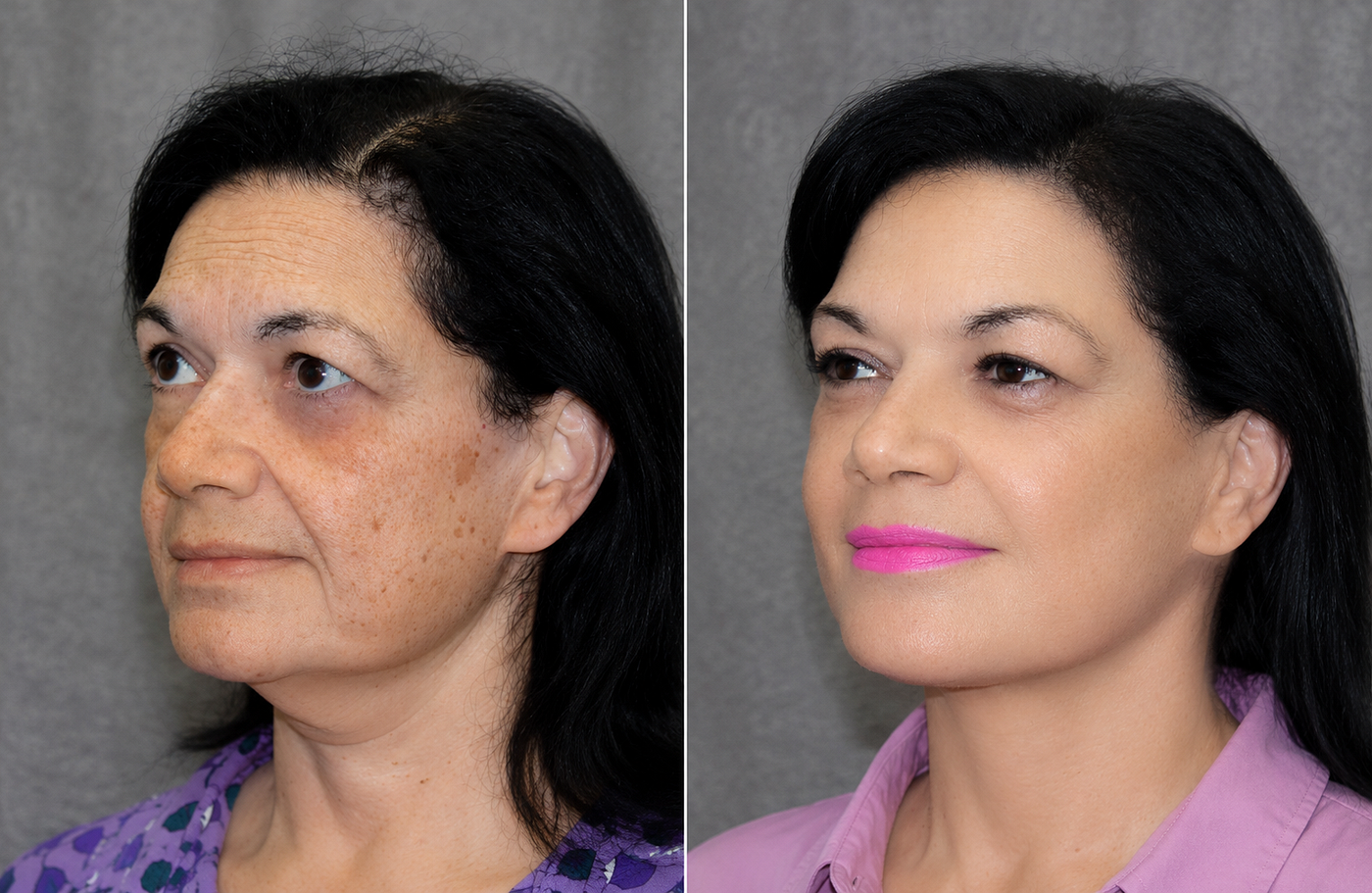
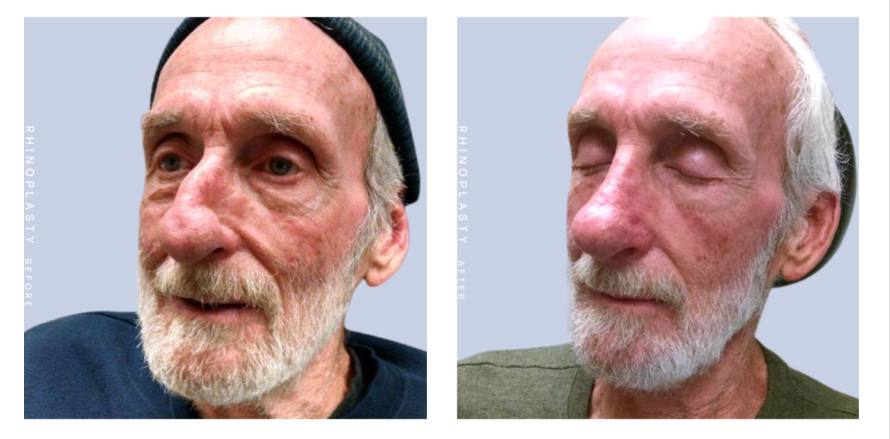
What’s the difference between a neck lift and a facelift- do I need one or both?
This is one of the most useful questions a patient can ask before pursuing facial rejuvenation surgery — because the answer genuinely…
What’s the difference between a neck lift and a facelift- do I need one or both?
This is one of the most useful questions a patient can ask before pursuing facial rejuvenation surgery — because the answer genuinely determines the right procedure, and the right procedure determines whether the result looks natural or off.

The short version: a neck lift addresses the neck and submental region specifically. A facelift addresses the lower face and jowls, and almost always includes a neck component. They overlap, but they are not the same operation and they do not produce the same results.
What a neck lift does — and what it doesn’t
A neck lift is a targeted procedure. Its focus is the area from the jawline down- the submental fat beneath the chin, the platysma muscle that runs vertically down the neck, and the skin of the neck itself. When any or all of these structures have changed with age, a neck lift can restore definition to the neck and the cervicomental angle -the angle between the underside of the chin and the neck - that defines a youthful profile.
What a neck lift does not address is the lower face. The jowls — the tissue that descends below the jawline at the lateral face — are not corrected by a neck lift. The nasolabial folds, the marionette lines, the cheek descent that occurs with facial aging — none of these are within the reach of a neck lift. If a patient’s primary aging is concentrated in the neck with a relatively well-maintained lower face, a neck lift alone may be exactly the right answer. But if the lower face has also descended meaningfully, a neck lift alone will leave that untouched.

What a facelift does : and why it almost always includes the neck
A facelift -specifically a deep plane facelift, which is Dr. Doshi’s primary technique-addresses the lower face and the neck together as a single anatomical unit. The deep plane approach releases and repositions the SMAS layer and the deeper facial tissues, lifting the jowls, restoring the jawline definition, and rejuvenating the lower face in a way that looks natural because it moves the tissue in the direction it came from rather than simply pulling the skin.
Because the neck and the lower face are anatomically connected — the platysma muscle is continuous with the SMAS layer of the lower face — a facelift that doesn’t address the neck produces an incomplete result. Dr. Doshi’s facelift approach incorporates neck work as a standard component rather than an add-on, because doing the face without the neck typically creates a visual disconnect that is immediately apparent.
The key question: where is the aging most visible?
The most useful way to think about this distinction is to look at where the aging is concentrated.
If the primary concern is neck-specific — submental fullness, platysmal banding, loose neck skin, but with a relatively defined jawline and well-maintained lower face — a neck lift alone is appropriate and avoids the more extensive surgery of a full facelift.
If the concern spans the lower face and the neck — jowling, loss of jawline definition, marionette lines, and neck laxity together — then a facelift with a neck component is the right approach. Doing a neck lift alone in this situation would improve the neck but leave the jowls and lower face unchanged, which often draws more attention to those areas rather than less.
If the concern is primarily jowling with minimal neck involvement — which does occur, though it’s less common — a facelift focused on the lower face may be more relevant than a neck lift.
Age and the choice between procedures
Younger patients — late 30s through mid-40s — more commonly present with isolated neck concerns: early submental fat, the beginning of platysmal banding, or mild skin laxity without significant lower face descent. For these patients, a targeted neck lift is often exactly the right procedure — it addresses the specific concern, involves a shorter recovery than a full facelift, and leaves the lower face for a future date if and when it becomes relevant.

Older patients — 50s and beyond — more typically have combined lower face and neck aging that benefits from a facelift approach that treats both together.
There are exceptions in both directions. Dr. Doshi assesses each patient’s anatomy individually and recommends based on what the face actually shows rather than on age alone.
Can a neck lift be combined with other procedures?
Yes, and commonly so. Neck lift surgery is frequently combined with blepharoplasty (eyelid surgery), brow lift, or chin implant placement in a single surgical session. Combining procedures means one anaesthetic, one recovery period, and a result that addresses multiple areas of concern together. Whether combination surgery makes sense depends on the patient’s overall goals and the surgical plan.
Dr. Doshi practises facial plastic surgery across Long Beach, Huntington, and Manhattan, and welcomes patients from across Long Island and the greater New York area for neck lift and facelift consultations.
메타데이터
- post_id
- bbe07e545846
- slug
- whats-the-difference-between-a-neck-lift-and-a-facelift-do-i-need-one-or-both-bbe07e545846
- url
- https://medium.com/@rahul.dey.dey0589/whats-the-difference-between-a-neck-lift-and-a-facelift-do-i-need-one-or-both-bbe07e545846
- canonical_url
- https://medium.com/@rahul.dey.dey0589/whats-the-difference-between-a-neck-lift-and-a-facelift-do-i-need-one-or-both-bbe07e545846
- author_url
- https://medium.com/@rahul.dey.dey0589
- status
- ok
- fetched_at
- 2026-08-03 09:50:10