Understanding the Significance of Shradh (Pitru Paksha) in Hindu Culture
In the rich tapestry of Hindu traditions, few rituals hold as much significance and depth of meaning as Shradh, also known as Pitru Paksha…
**Understanding the Significance of Shradh (Pitru Paksha) in Hindu Culture**
In the rich tapestry of Hindu traditions, few rituals hold as much significance and depth of meaning as Shradh, also known as Pitru Paksha. This sacred observance, spanning a fortnight, stands as a poignant reminder of the timeless bond between the living and the departed. Here’s a closer look at why Shradh holds such profound importance in Hindu culture:
Respect for Ancestors: Central to Hindu beliefs is the reverence for ancestors, who are regarded as custodians of familial lineage and wisdom. Shradh is a heartfelt expression of gratitude and love towards these forebears, acknowledging their invaluable contributions to the family and society during their earthly existence.
Spiritual Progression: Shradh is not just a ritual; it’s perceived as a spiritual journey for the departed souls. By performing Shradh ceremonies, it’s believed that the ancestors receive blessings that aid their onward journey in the afterlife. It’s a way to facilitate their spiritual evolution and eventual attainment of peace and liberation.
Karmic Balance: In Hindu philosophy, the concept of karma is foundational. Shradh is seen as an essential duty towards one’s ancestors, helping to balance any karmic debts that may exist between the living and the deceased. Through these rituals, individuals seek to honor their familial obligations and ensure the well-being of their ancestors in the cosmic order.
Family Unity and Continuity: Shradh ceremonies serve as powerful catalysts for family unity and continuity. Gathering together to perform these rites fosters a sense of solidarity among family members, strengthening bonds and nurturing a shared sense of heritage. It ensures the transmission of cultural traditions across generations, reinforcing the fabric of familial connection.
Charitable Acts: Integral to Shradh are acts of charity and compassion towards the less fortunate. From feeding the poor to donating to Brahmins and performing rituals for the departed souls, these charitable deeds not only benefit the recipients but also reflect the values of empathy and selflessness ingrained in Hindu teachings.
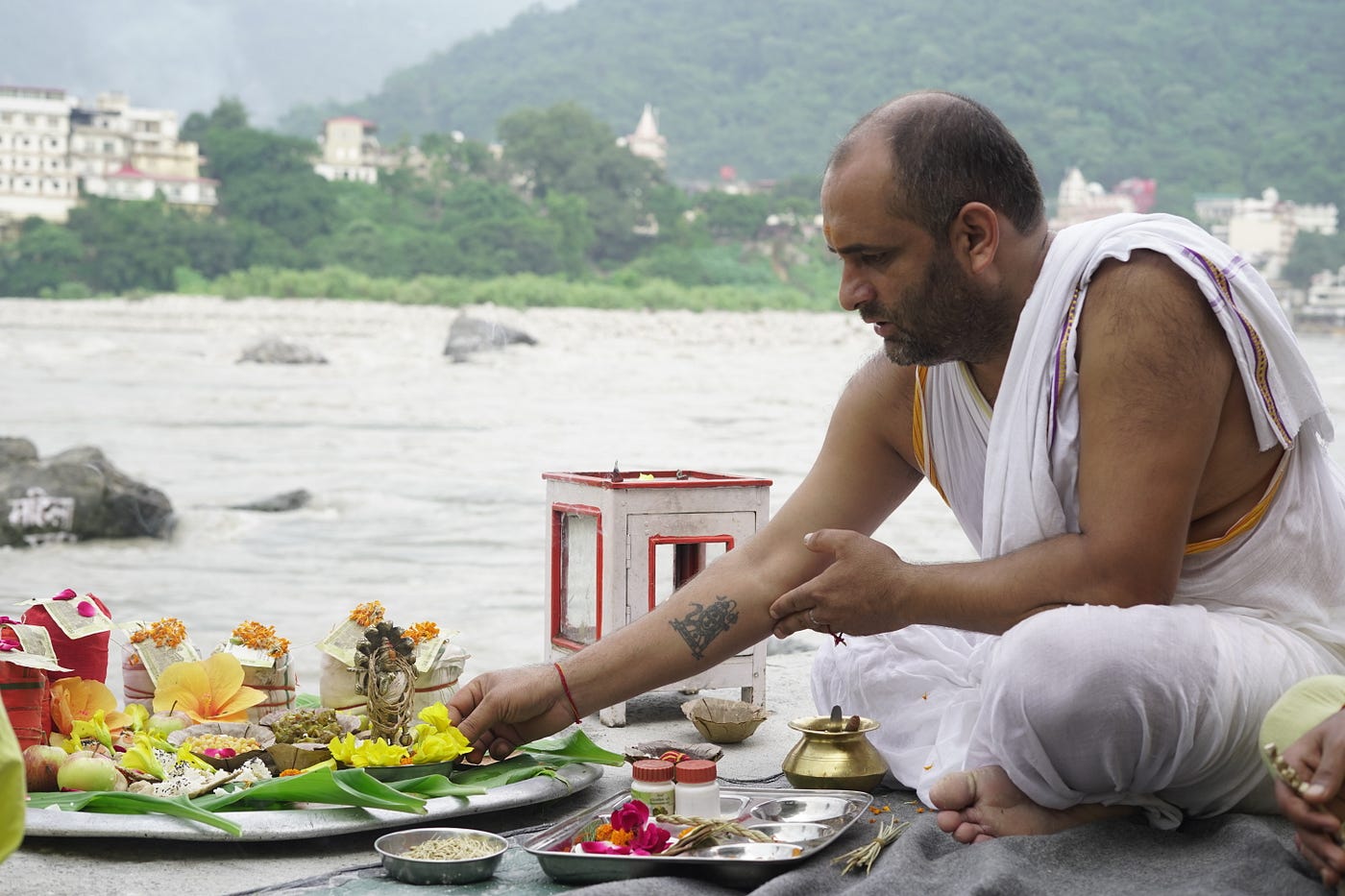
Sacred Locations: Performing Shradh rituals at sacred sites, such as the banks of the revered river Ganges, adds a layer of sanctity and spiritual potency to the proceedings. It’s believed that these auspicious locations enhance the efficacy of the ceremonies, facilitating the souls’ transition to higher realms and elevating the spiritual merit of the rituals.
In essence,** Shradh** is a profound expression of reverence, remembrance, and reciprocity towards the ancestors. It serves as a poignant reminder of the interconnectedness of past, present, and future generations, emphasizing the timeless continuity of the familial bond. Through these rituals, Hindus honor the legacy of those who came before them, perpetuating a legacy of love, respect, and spiritual devotion.
메타데이터
- post_id
- bc1eaaf80ca9
- slug
- understanding-the-significance-of-shradh-pitru-paksha-in-hindu-culture-bc1eaaf80ca9
- url
- https://medium.com/@krishnayan453/understanding-the-significance-of-shradh-pitru-paksha-in-hindu-culture-bc1eaaf80ca9
- canonical_url
- https://medium.com/@krishnayan453/understanding-the-significance-of-shradh-pitru-paksha-in-hindu-culture-bc1eaaf80ca9
- author_url
- https://medium.com/@krishnayan453
- status
- ok
- fetched_at
- 2026-07-24 05:27:41