How We Build Privacy-First Systems Using PIPEDA as a Guiding Framework
Modern digital systems handle personal information at an unprecedented scale. From customer identities to behavioral data, applications…

How We Build Privacy-First Systems Using PIPEDA as a Guiding Framework
Modern digital systems handle personal information at an unprecedented scale. From customer identities to behavioral data, applications today operate on information that demands careful handling. As systems grow more intelligent and interconnected, privacy risks grow alongside them. Without deliberate governance and design, small gaps can quickly turn into large compliance and trust issues.
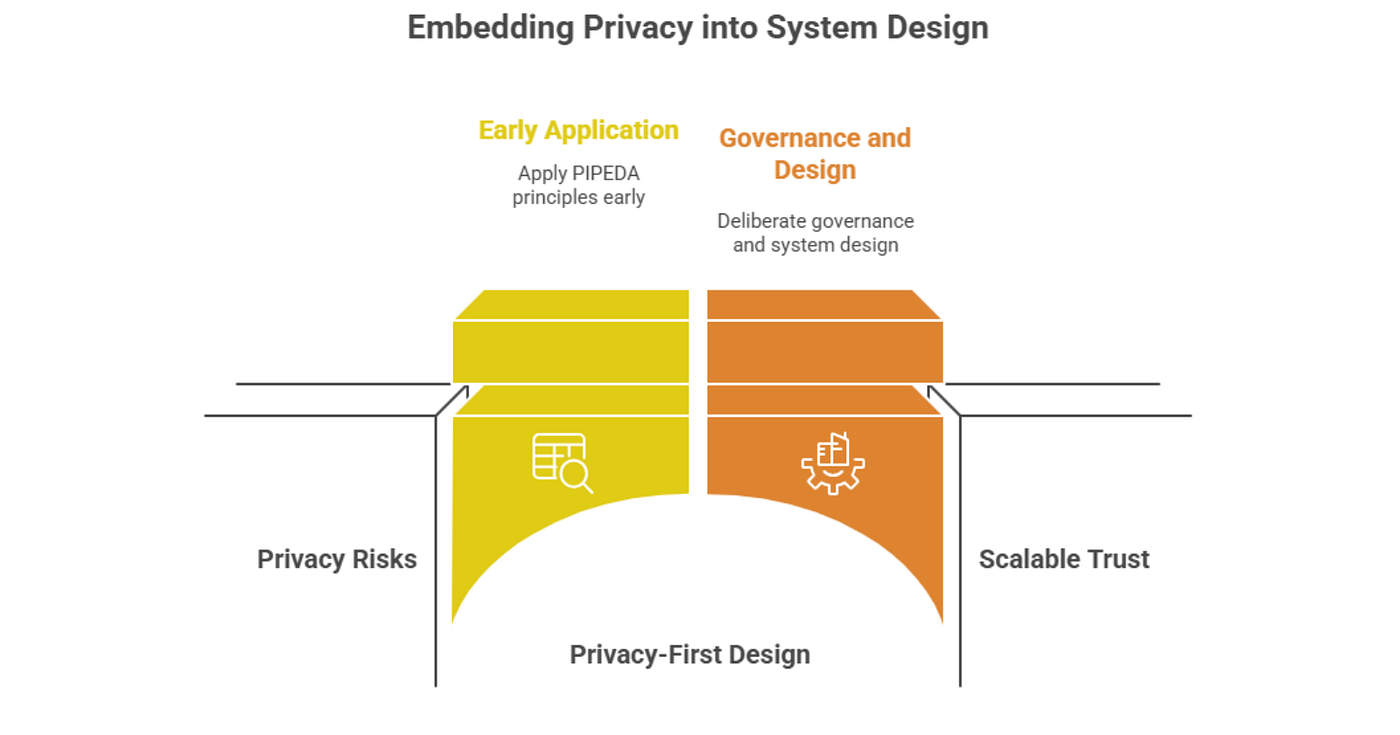
Rather than treating privacy as a legal afterthought, privacy-first organizations embed it into system design from day one. PIPEDA offers a practical set of principles that guide responsible data handling without slowing innovation or system performance. When applied early, these principles reduce risk while enabling systems to scale with trust and transparency built in.
Why Privacy Must Be Engineered Into the Foundation
Privacy issues rarely originate from malicious intent. They emerge from systems designed without clear data boundaries, ownership, or lifecycle rules. Once applications scale, retrofitting privacy controls becomes complex, costly, and disruptive. Building these safeguards upfront is far more effective than trying to patch them after exposure has already occurred.
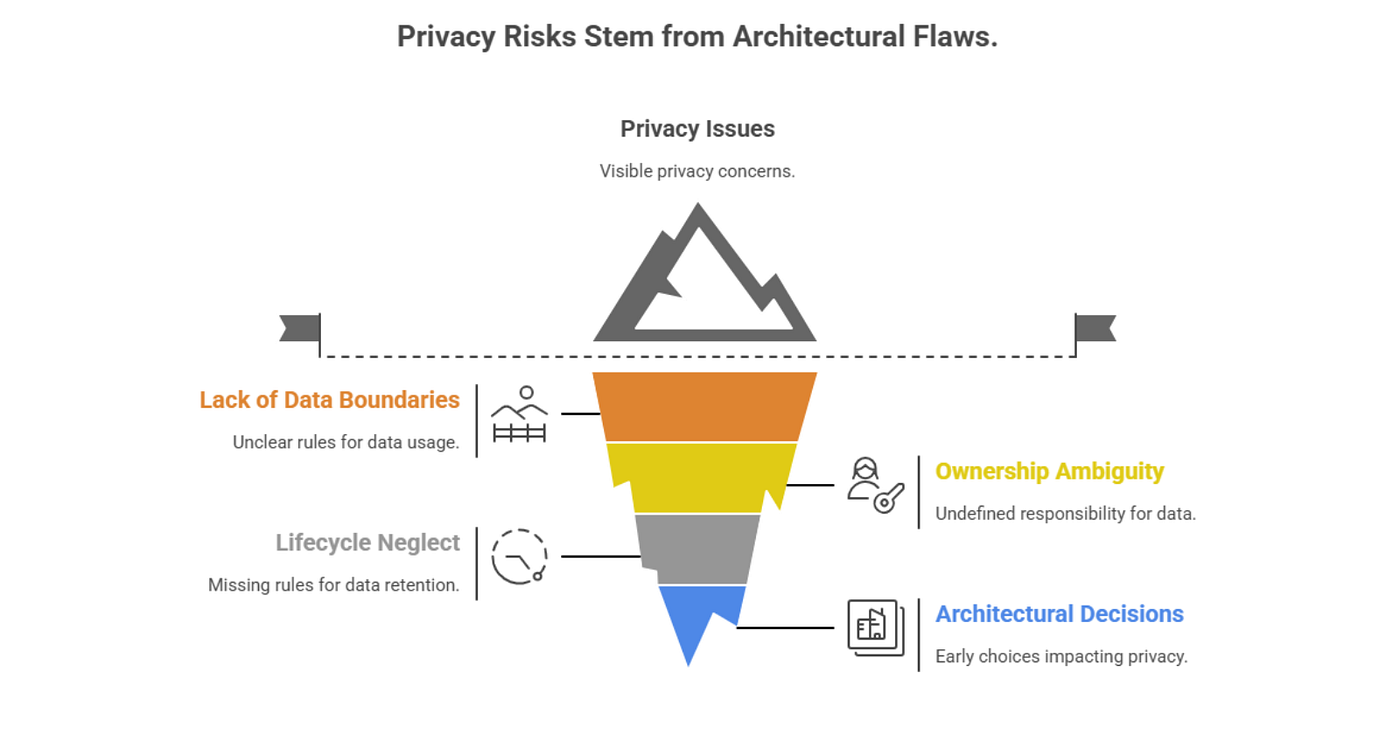
In multiple enterprise audits, over half of identified privacy risks were traced back to early architectural decisions. Designing with privacy in mind from the start reduces rework, lowers exposure, and creates systems that are easier to govern over time. It also gives organizations clearer visibility into their data posture as systems evolve. For this reason, ***security and compliance*** play a critical role in protecting privacy while ensuring long-term operational integrity.
Using Purpose Limitation to Control Data Entry Points
PIPEDA emphasizes collecting personal information only for clearly defined purposes. Privacy-first systems reflect this by explicitly mapping every data field to a business objective before it enters the system. This discipline prevents unnecessary data accumulation and strengthens accountability across teams.
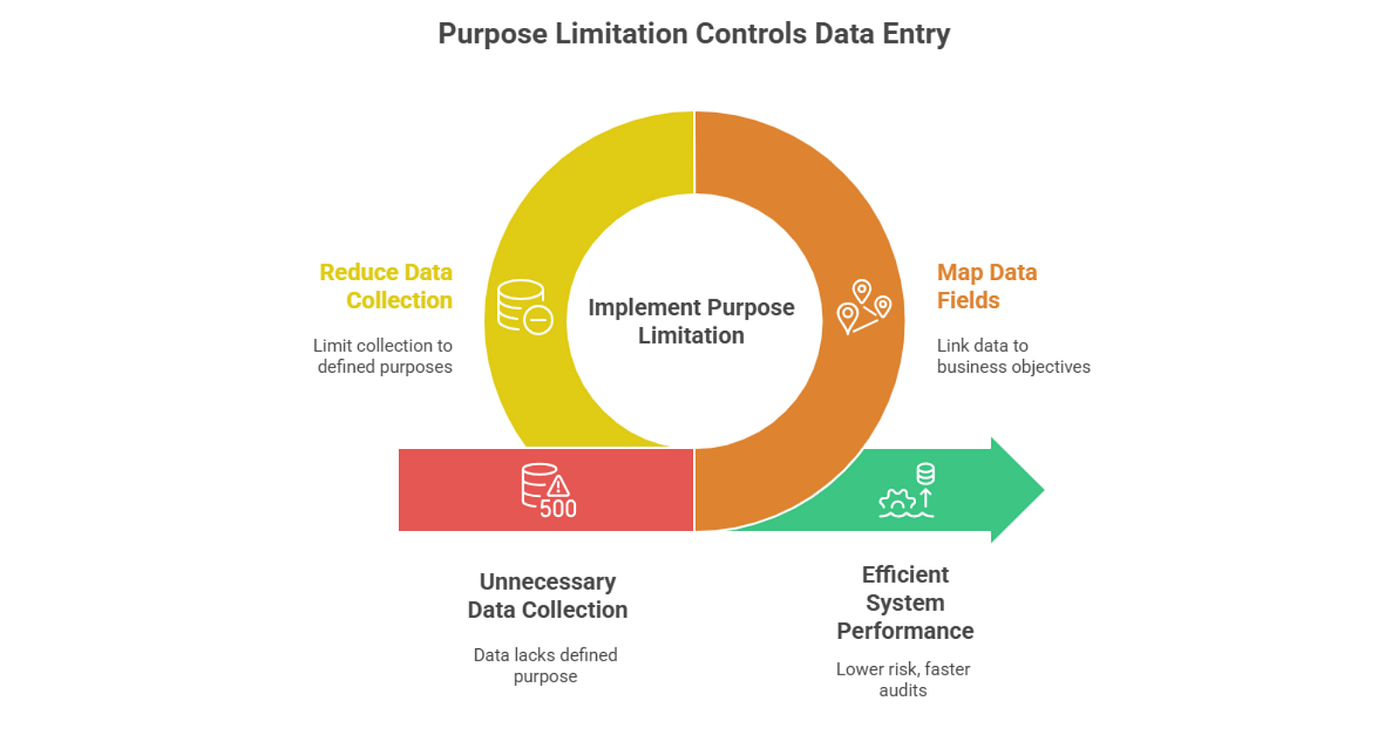
In practice, this approach reduces unnecessary data collection by 30% — 40%. Systems become simpler, audits become faster, and sensitive data is no longer stored without a legitimate operational reason. The result is lower risk exposure alongside more efficient system performance. For instance, ***CCPA compliance*** brings similar transparency by ensuring organizations are held accountable for the flow and usage of personal data.
Data Minimization as a Technical Discipline
Data minimization is not about deleting everything; it is about reducing exposure. Privacy-first systems restrict access based on role, function, and context, ensuring users only see what they truly need. This targeted access model significantly lowers the impact of both internal misuse and external breaches.

In a logistics platform redesign, enforcing strict access boundaries reduced internal exposure to personal data by 52%. This directly lowered compliance risk and shortened response times for data access requests. It also simplified audits by making data ownership and access paths immediately clear. ***GDPR’s security practices*** have similarly focused on minimizing exposure through strategic controls on access and data flow.
Designing Transparency Into Data Flows
Transparency cannot rely on policy documents alone. Systems must make data movement visible across APIs, databases, and third-party integrations. Privacy-first architectures maintain clear data lineage by design. This visibility allows teams to explain, audit, and control data usage with confidence instead of assumptions.

One SaaS organization reduced response time to privacy inquiries from 21 days to under 6 days after implementing structured data mapping. When transparency is built in, compliance becomes operational rather than reactive. Teams can respond confidently because data location and ownership are already understood. The integration of ***ITC quality*** in the development lifecycle ensures that transparency is not only a policy but a practice embedded in the system design.
Consent Management Embedded in User Experience
Consent is meaningful only when users understand it and can control it easily. Privacy-first systems integrate consent directly into the application experience instead of hiding it inside legal text. Clear options, real-time controls, and plain language empower users to manage their data confidently without friction or confusion.

Applications that introduced clear, revocable consent controls saw a 19% improvement in user trust metrics. Clear consent experiences reduce complaints while strengthening long-term customer relationships. They also demonstrate respect for user choice, which reinforces brand credibility over time.
Protecting Personal Data Across Its Full Lifecycle
Securing personal information goes beyond encryption. Privacy-first systems protect data from collection through processing, storage, and eventual deletion using automated lifecycle controls. These safeguards ensure data is retained only as long as necessary and removed consistently without relying on manual intervention.
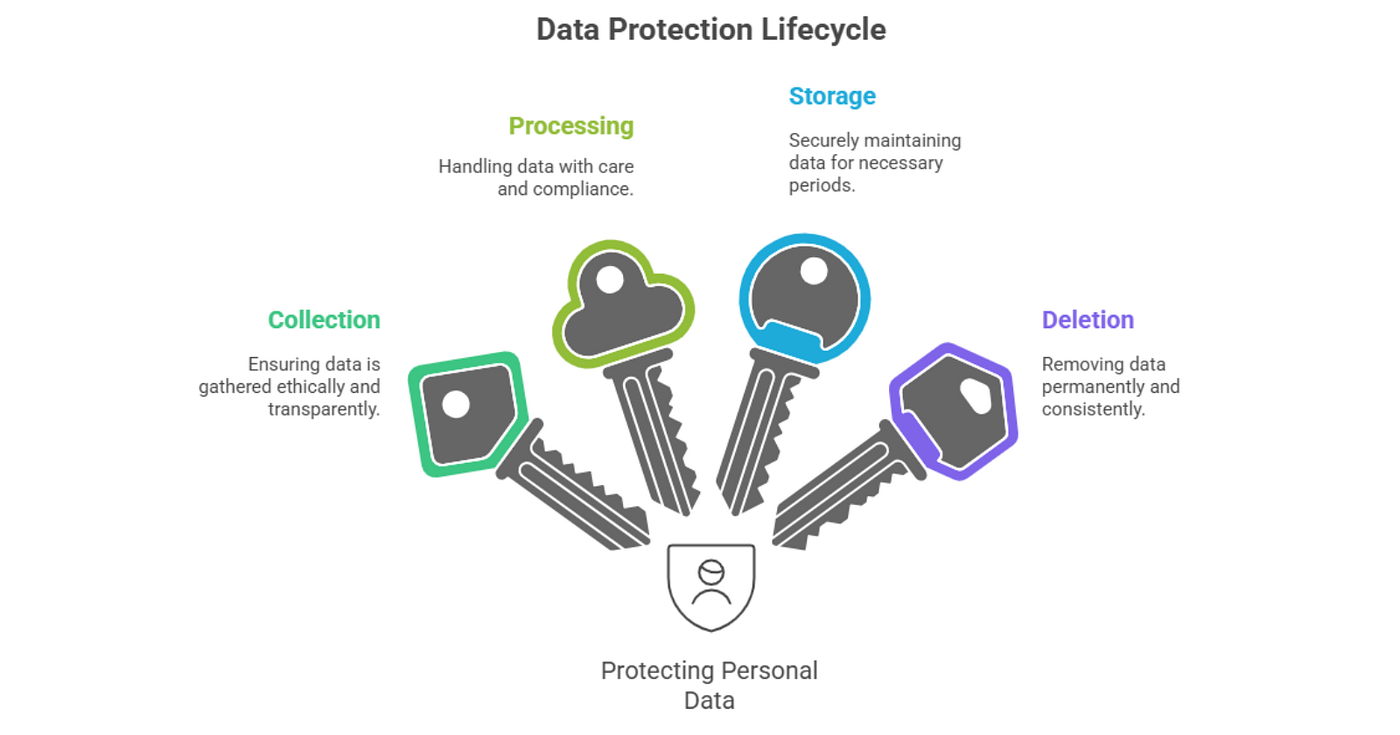
In one enterprise environment, automated retention and deletion aligned with privacy principles reduced stored personal data volume by 34%. This lowered breach impact and significantly reduced long-term storage and compliance costs. It also simplified governance by ensuring data policies were enforced consistently across systems.
Accountability Through Built-In Auditability
***PIPEDA*** places strong emphasis on accountability. Privacy-first systems support this through built-in audit trails, access logs, and change tracking that operate continuously. This ensures organizations can demonstrate compliance at any moment, not just during audits. It also creates a clear record of responsibility, making issues easier to trace and correct quickly.
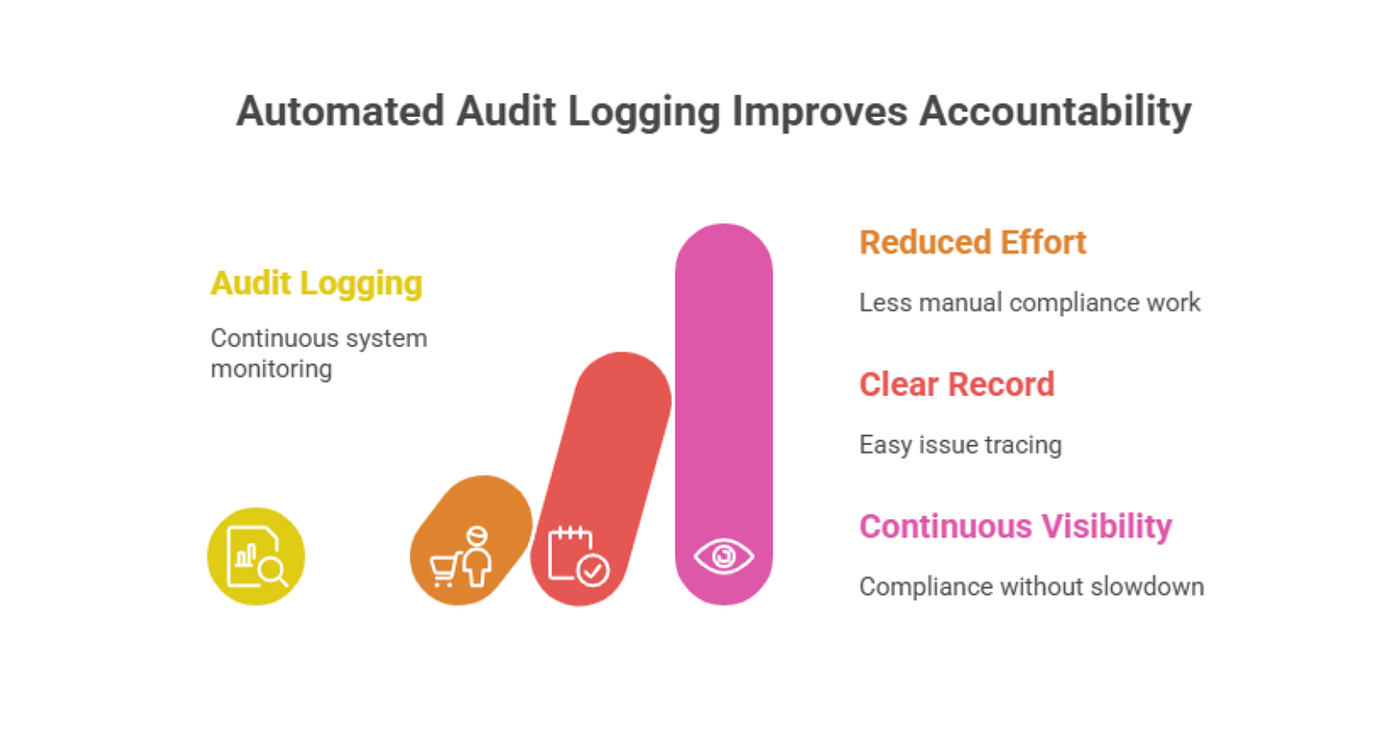
Organizations using automated audit logging reduced manual compliance effort by nearly 45%. Accountability becomes a system function rather than a human-dependent process. This reduces reliance on ad-hoc reporting and minimizes the risk of human error during audits. Teams gain continuous visibility into compliance without slowing down daily operations.
Privacy-First Design as a Business Advantage
Privacy-first systems are not just safer; they are more resilient and scalable. Clear data ownership and reduced exposure make systems easier to integrate, expand, and adapt to regulatory changes. This foundation allows organizations to innovate confidently without accumulating hidden privacy debt.

Organizations that design around privacy principles experience fewer disruptions when laws evolve. Instead of reacting to new requirements, their systems are already aligned with responsible data handling practices. This proactive posture turns regulatory change into a manageable adjustment rather than a costly overhaul.
Conclusion
Privacy-first system design is not about certifications or checklists. It is about building applications that respect personal information by default, through structure, discipline, and clear intent. When privacy is engineered into systems, trust becomes a measurable outcome rather than a marketing promise.
Using PIPEDA as a guiding framework allows organizations to operationalize privacy without sacrificing performance or innovation. Principles such as purpose limitation, data minimization, transparency, and accountability translate directly into stronger system architecture. When embedded at the design level, these principles create systems that are both compliant and built to scale responsibly.
We design AI and software systems by closely following privacy principles inspired by PIPEDA guidelines. This approach helps organizations build secure, transparent, and scalable digital solutions that protect personal information while supporting long-term business growth.
메타데이터
- post_id
- bc2cecb528ae
- slug
- how-we-build-privacy-first-systems-using-pipeda-as-a-guiding-framework-bc2cecb528ae
- url
- https://medium.com/@gyansolutions/how-we-build-privacy-first-systems-using-pipeda-as-a-guiding-framework-bc2cecb528ae
- canonical_url
- https://medium.com/@gyansolutions/how-we-build-privacy-first-systems-using-pipeda-as-a-guiding-framework-bc2cecb528ae
- author_url
- https://medium.com/@gyansolutions
- status
- ok
- fetched_at
- 2026-07-13 23:08:50


