Water, Ecosystems, and the Hard Choices Ahead: Why Nature-Based Solutions Cannot Wait
Introduction: When Systems Collide
Water, Ecosystems, and the Hard Choices Ahead: Why Nature-Based Solutions Cannot Wait

Introduction: When Systems Collide
On May 24, 2026, a convergence of environmental crises revealed a fundamental truth about our sustainability challenge: we are simultaneously destroying the natural systems we depend upon while desperately seeking technological fixes for problems that nature could help solve. From the UK experiencing its hottest May day in nearly eight decades to gray whales starving in the Eastern Pacific, from sewage contaminating the Potomac River to the River Wye gaining legal rights against pollution, today’s news illustrates the escalating tension between human activity and planetary boundaries. These seemingly disparate events share a common thread — they expose the fragility of water systems, biodiversity, and food production under climate stress. Yet they also point toward a solution that ESG practitioners are increasingly recognizing: nature-based climate solutions. As corporations rush to meet net-zero commitments and governments grapple with infrastructure decisions like EV charging taxation, the question becomes not whether we should invest in ecological restoration, but whether we can afford not to. This article examines why integrating natural systems into sustainability strategies has shifted from optional to essential, and what this means for carbon accounting, water stewardship, and corporate environmental responsibility.
Global Picture: The Interconnected Crisis of Water, Food, and Climate
The events of May 24, 2026, demonstrate that environmental crises no longer arrive sequentially — they compound exponentially. The record-breaking UK heatwave connects directly to food system vulnerabilities highlighted by debates over agricultural price caps. Water contamination in the Potomac and River Wye reflects infrastructure failures that climate stress will only intensify. Malnourished gray whales signal ocean ecosystem collapse driven by warming waters and declining krill populations, which in turn affects carbon sequestration since healthy whale populations contribute significantly to ocean carbon cycling through the “whale pump” effect.
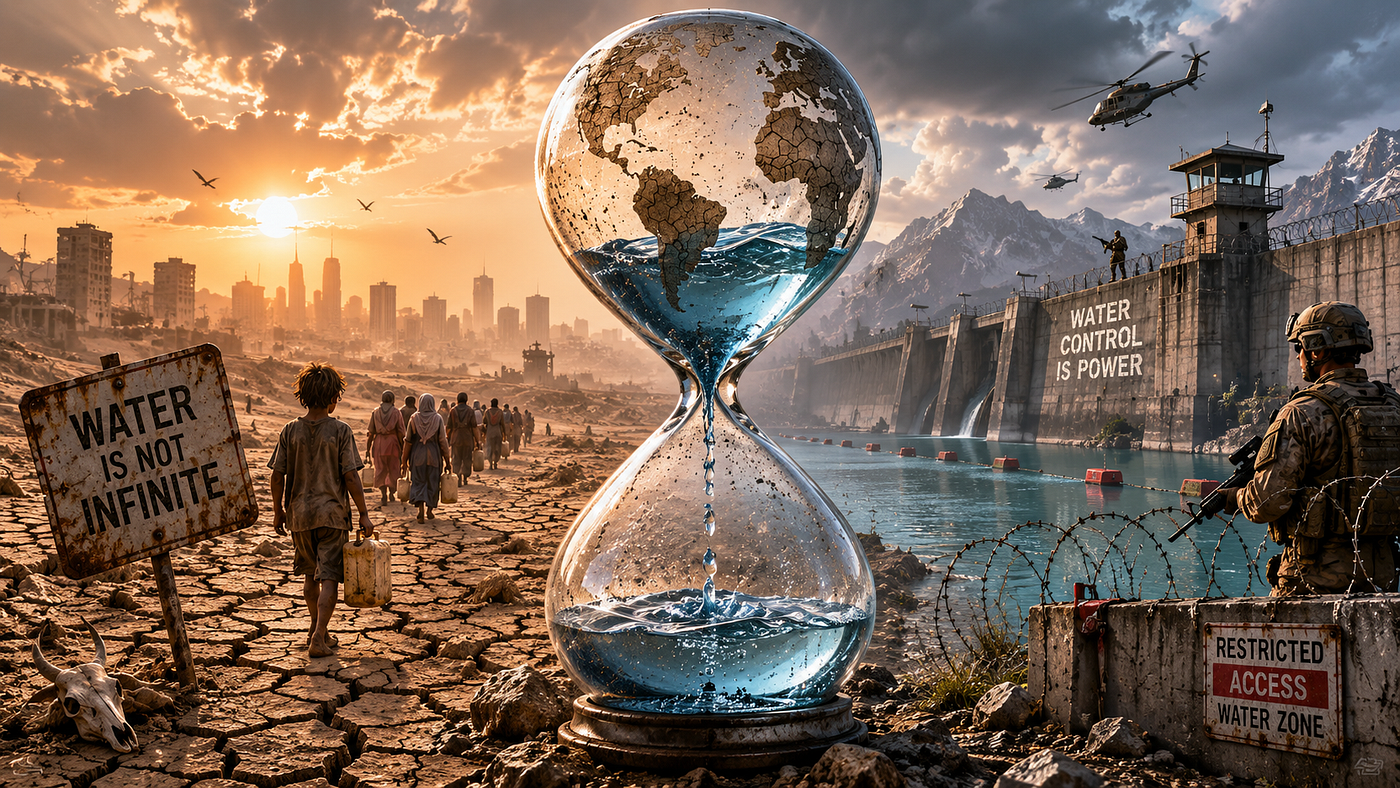
These interconnections reveal what ISO 14046 water footprint assessments have long suggested: water scarcity and quality degradation represent systemic risks that cascade across entire economies. When drinking water sources for five million people face contamination, when rivers require legal personhood for protection, and when marine mammals starve despite abundant habitat, we’re witnessing the breakdown of ecosystem services valued at trillions of dollars annually. Nature-based solutions — wetland restoration, reforestation, regenerative agriculture — address multiple crisis points simultaneously. A restored wetland filters water, sequesters carbon, provides flood protection, and supports biodiversity. This multiplier effect is precisely what purely technological solutions cannot replicate, and why the Treasury’s rejection of reduced VAT for EV charging, while disappointing for clean transport advocates, misses the broader opportunity: investing in natural infrastructure alongside technological transition.
ESG Applications: From Risk Management to Value Creation
For ESG practitioners, the shift toward nature-based solutions requires fundamentally reconceiving environmental risk and opportunity. Traditional carbon accounting under ISO 14064 has focused primarily on Scope 1, 2, and 3 emissions reduction through efficiency and renewable energy. However, today’s news underscores that climate risks manifest through ecosystem degradation, water stress, and biodiversity loss — categories that standard carbon metrics inadequately capture. A company measuring only its carbon footprint while depending on water from contaminated sources like the Potomac faces material business continuity risks that financial markets are beginning to price.
Progressive companies are integrating natural capital accounting into their ESG frameworks, recognizing that investing in watershed protection, regenerative supply chains, and ecosystem restoration delivers measurable returns. When Google announces clean energy targets (referenced in ESG Today’s weekly review), that’s necessary but insufficient. Leading firms now understand that energy transition must occur within functional ecosystems — data centers require enormous water volumes, and locating them in water-stressed regions or failing to invest in watershed health creates stranded asset risk.
The Task Force on Climate-related Financial Disclosures (TCFD) framework increasingly emphasizes physical climate risks, where ecosystem health serves as both buffer and vulnerability factor. Companies conducting scenario analysis should model how ecosystem degradation amplifies climate impacts: degraded wetlands mean worse flooding, depleted soils reduce agricultural productivity, collapsed fisheries threaten food security. Conversely, nature-based investments create resilience optionality that pure technological solutions cannot. SASB standards for sectors from agriculture to real estate now incorporate biodiversity and ecosystem impact metrics, reflecting investor recognition that environmental dependencies constitute financial exposure.
Standards & Frameworks: Closing the Nature Accountability Gap
Current ESG reporting frameworks are evolving rapidly to address the nature accountability gap exposed by today’s crises. The GRI Universal Standards 2021 now require biodiversity impact disclosure, but implementation remains inconsistent. The River Wye gaining legal rights against pollution represents a governance innovation that may influence future reporting requirements — if natural entities possess legal standing, corporate liability for ecosystem damage becomes more concrete and quantifiable.
ISO 14046 water footprint methodology provides essential tools for assessing corporate water dependencies, but adoption remains voluntary and uneven. The Potomac contamination illustrates why mandatory water quality disclosure should become standard: companies dependent on this watershed face supply chain disruption risks that shareholders deserve to understand. Forward-thinking firms are conducting comprehensive water risk assessments that map dependencies, contamination vulnerabilities, and ecosystem health indicators across their entire value chain.
The emerging Science Based Targets Network (SBTN) extends climate SBTs to nature, providing methodologies for setting measurable targets on freshwater, land, biodiversity, and ocean health. This framework acknowledges what today’s news confirms: climate and nature are inseparable. A company can achieve net-zero carbon while devastating local water systems or biodiversity — hardly a sustainable outcome. SBTN’s integrated approach requires companies to identify their most material nature impacts and dependencies, then set targets that respect planetary boundaries and ecosystem thresholds. The California chemical facility incident (Bloomberg Green) exemplifies why such comprehensive frameworks matter — environmental disasters rarely respect categorical boundaries between air, water, soil, and biodiversity impacts.
Emerging Markets Perspective: Nature as Development Infrastructure
For emerging economies, today’s sustainability crises present distinct opportunities to leapfrog extractive development models. The Middle East’s AI hub ambitions amid energy price pressures illustrate this potential. Rather than simply replicating energy-intensive data infrastructure, Gulf nations could pioneer nature-integrated technology zones where renewable energy, water recycling, and ecosystem restoration are designed in from inception, creating competitive advantages through resource security rather than merely cost arbitrage.
Developing economies often possess relatively intact ecosystems whose protection delivers both local resilience and global climate benefits. International climate finance mechanisms increasingly recognize nature-based solutions as cost-effective mitigation and adaptation strategies. Countries investing in mangrove restoration, sustainable agriculture, and watershed protection can access carbon markets, green bonds, and adaptation funds while building domestic resilience. The key is ensuring these investments benefit local communities rather than becoming new forms of extractive colonialism — genuine nature-based development requires equitable governance, indigenous knowledge integration, and benefit-sharing mechanisms that create prosperity without repeating the environmental destruction that industrialized nations are now scrambling to reverse.
Conclusion & Action Steps: Making Nature Count
The environmental reckoning of May 24, 2026, demands immediate, integrated action. ESG professionals must champion nature-based solutions not as optional supplements but as core business strategy. Concrete next steps include: First, conduct comprehensive natural capital assessments using ISO 14046 and emerging SBTN frameworks to identify ecosystem dependencies and impact hotspots. Second, integrate nature-based solutions into climate transition plans — restoration investments that deliver co-benefits across carbon, water, and biodiversity. Third, demand robust disclosure standards that make ecosystem health as reportable as carbon emissions, pushing for regulatory adoption of integrated frameworks. Fourth, engage suppliers and communities in regenerative practices that restore rather than merely sustain. The evidence is overwhelming: technology alone cannot solve what technology helped create. Nature-based solutions offer not romantic environmentalism but hard-headed risk management and value creation. The question is whether corporate governance evolves quickly enough to recognize that healthy ecosystems aren’t constraints on business — they’re the foundation business depends upon.
Berat Arda Dedekoca MBA, Cekirdek GLOBAL
메타데이터
- post_id
- bc32ffa9ab71
- slug
- water-ecosystems-and-the-hard-choices-ahead-why-nature-based-solutions-cannot-wait-bc32ffa9ab71
- url
- https://medium.com/cekirdek-global-insights/water-ecosystems-and-the-hard-choices-ahead-why-nature-based-solutions-cannot-wait-bc32ffa9ab71
- canonical_url
- https://medium.com/cekirdek-global-insights/water-ecosystems-and-the-hard-choices-ahead-why-nature-based-solutions-cannot-wait-bc32ffa9ab71
- author_url
- https://medium.com/@cekirdekglobal
- status
- ok
- fetched_at
- 2026-06-15 20:49:13