What is the real cost to repair engine misfire problems, and how do I estimate before going to a…
An engine misfire is one of the most confusing problems for many drivers because the repair cost can range from a relatively small fix to a…
What is the real cost to repair engine misfire problems, and how do I estimate before going to a mechanic?
An engine misfire is one of the most confusing problems for many drivers because the repair cost can range from a relatively small fix to a major engine repair.
You may see the check engine light come on, feel the vehicle shaking at idle, notice hesitation when accelerating, or experience reduced power. The difficult part is that these symptoms do not automatically tell you what needs to be replaced.
A misfire is not a repair itself. It is a symptom that something in the combustion process is not working correctly.
Before visiting a mechanic, understanding the possible causes and realistic cost ranges can help you avoid unnecessary repairs and make better decisions.
What does an engine misfire actually mean?
An engine misfire happens when one or more cylinders fail to burn the air-fuel mixture properly.
In a normal combustion cycle, the engine needs three main things:
· the correct amount of fuel
· enough air flow
· a strong and properly timed spark
If one of these areas has a problem, the cylinder may not produce the expected power.
Drivers often notice:
· rough idling
· shaking or vibration
· poor acceleration
· lower fuel economy
· flashing or solid check engine light
· unusual engine sounds
However, the same symptoms can come from very different problems, which is why guessing the repair can become expensive.

Why engine misfire repair costs vary so much
There is no single “engine misfire repair price” because the cause determines the cost.
A simple ignition problem may only require a small repair, while a mechanical engine issue can become much more expensive.
Common causes include:
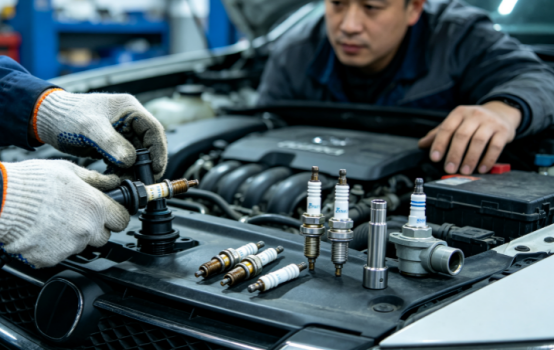
Worn spark plugs or ignition coils
This is one of the most common causes of misfires.
Spark plugs wear over time, and ignition coils can weaken or fail. If the problem is limited to these components, the repair is usually much less expensive compared with major engine work.
Fuel delivery problems
A clogged fuel injector, weak fuel pump, or fuel system issue can prevent a cylinder from receiving the correct fuel amount.
These repairs may require additional testing because replacing fuel components without confirmation can become costly.
Vacuum leaks or air intake problems
Extra air entering the engine can affect the air-fuel mixture and create misfire symptoms.
A vacuum leak may be relatively simple to fix, but finding the exact location can require diagnosis.
Engine compression or internal mechanical problems
This is where costs can increase significantly.
Problems such as worn piston rings, damaged valves, or head gasket issues may require deeper engine repairs.
The important point is that a misfire code alone does not automatically mean the engine needs major work.

The biggest mistake: replacing parts before finding the real cause
One of the most common mistakes drivers make is assuming:
“Cylinder misfire code = replace the ignition coil.”
Sometimes that works. Sometimes it does not.
For example, a P0301 code means a misfire was detected in cylinder 1, but it does not directly prove whether the cause is:
· spark plug failure
· ignition coil failure
· injector issue
· wiring problem
· compression problem
· air or fuel imbalance
A proper diagnosis follows a different process:
Symptom → possible causes → testing → confirmed issue → repair decision
The goal is to identify the reason behind the misfire, not simply replace the first part connected to the code.
How to estimate engine misfire repair costs before visiting a mechanic
Before approving repairs, you should have a basic understanding of what category your problem falls into.
A rough estimate usually depends on:
The severity of symptoms
A vehicle with a slight rough idle and a steady check engine light is different from a vehicle with:
· flashing check engine light
· strong shaking
· loss of power
· fuel smell
· unusual engine noises
A flashing check engine light can indicate an active misfire that may damage the catalytic converter if driven for too long.
The diagnostic results
The repair cost should come after diagnosis, not before.
A mechanic should be able to explain:
· which cylinder is misfiring
· what tests were performed
· what evidence supports the repair
· whether other causes were ruled out
The repair type
A minor ignition repair and an internal engine repair are completely different situations.
Without knowing the actual cause, any price estimate is only a guess.

Using a second opinion before expensive repairs
If a mechanic recommends multiple expensive replacements, getting another perspective can be valuable.
This is especially important when:
· the estimate is much higher than expected
· the recommended repair involves major engine components
· the diagnosis is explained only as “the computer says so”
· you are asked to replace several parts at once
A second opinion does not mean ignoring professional advice. It means making sure the diagnosis is supported before spending significant money.
For drivers who do not have enough experience interpreting OBD2 codes and symptoms, tools that organize diagnostic information can provide a useful reference before making a repair decision. Carutoo — AI Car Care & Repair analyzes vehicle details, symptoms, and OBD2 trouble codes to explain possible causes, repair options, and estimated cost ranges, helping drivers understand what a repair recommendation actually means before paying for it.

Can you continue driving with an engine misfire?
The answer depends on the cause and severity.
A mild misfire may allow short-term driving, but ignoring the problem for a long time can create additional damage.
Higher-risk situations include:
· flashing check engine light
· severe shaking
· significant power loss
· strong fuel smell
· overheating symptoms
A misfire can send unburned fuel into the exhaust system, which may damage expensive components like the catalytic converter.
If the vehicle feels unsafe or the engine is running very poorly, it is better to stop driving and have it inspected.
What should you ask your mechanic about a misfire repair?
Before approving work, ask:
-
Which cylinder is misfiring?
-
What diagnostic test confirmed the cause?
-
Did you test the spark, fuel, and compression systems?
-
What happens if I delay this repair?
-
Are there cheaper repair options?
-
Does this repair fix the cause or only the symptom?
A good repair explanation should connect the problem, the evidence, and the recommended solution.

Final thoughts
The real cost of fixing an engine misfire depends less on the warning light itself and more on the accuracy of the diagnosis.
A small ignition issue, fuel problem, or sensor-related problem can look similar to a much larger engine problem. That is why understanding the likely causes, repair urgency, and estimated cost before visiting a mechanic can prevent unnecessary spending.
The smartest approach is simple: diagnose first, compare options, then approve repairs.
When drivers understand the connection between symptoms, possible causes, repair decisions, and realistic pricing, they are much less likely to pay for repairs they do not actually need.
메타데이터
- post_id
- bc4e8b826af6
- slug
- what-is-the-real-cost-to-repair-engine-misfire-problems-and-how-do-i-estimate-before-going-to-a-bc4e8b826af6
- url
- https://medium.com/@g8825710/what-is-the-real-cost-to-repair-engine-misfire-problems-and-how-do-i-estimate-before-going-to-a-bc4e8b826af6
- canonical_url
- https://medium.com/@g8825710/what-is-the-real-cost-to-repair-engine-misfire-problems-and-how-do-i-estimate-before-going-to-a-bc4e8b826af6
- author_url
- https://medium.com/@g8825710
- status
- ok
- fetched_at
- 2026-08-15 23:33:12