What Is Systema? The Russian Martial Art Most People Have Never Heard Of
It has no belts, no tournaments, and no movie franchise. It also might be the most complete martial art in the world.
What Is Systema? The Russian Martial Art Most People Have Never Heard Of
It has no belts, no tournaments, and no movie franchise. It also might be the most complete martial art in the world.
Most people discover Systema the same way.
They’ve tried something else first — BJJ, karate, kickboxing, maybe a self-defence seminar. The training was fine. The skills were real. But something was missing, and they couldn’t quite name it. Then someone mentions Systema, or they stumble across a video, and something in it stops them.
The movement looks wrong. Too relaxed. Too quiet. Nothing like what a fight is supposed to look like.
And then they can’t stop watching.
The System
Systema — СИСТЕМА in Russian, meaning The System — is a hand-to-hand fighting art developed for the Russian Armed Forces and special operations units. It is currently in active military use.
It has no belts. No uniforms. No fixed techniques to memorize. No tournament circuit. No famous celebrity practitioner to put it on the cultural map.
What it has is a set of four principles that, once genuinely understood, allow a practitioner to respond naturally and effectively to almost any situation:
Breathing. Controlled, relaxed breath is the foundation of everything. Not as a warmup or a cooldown — as the central discipline of training.
Relaxation. Tension is the enemy. In most physical training, effort and tension are treated as the same thing. Systema separates them. A relaxed body moves faster, reads more clearly, and doesn’t exhaust itself fighting its own resistance.
Posture. Natural structural alignment maintained under pressure — not a rigid stance, but an honest relationship between the body and gravity that holds even when things go wrong.
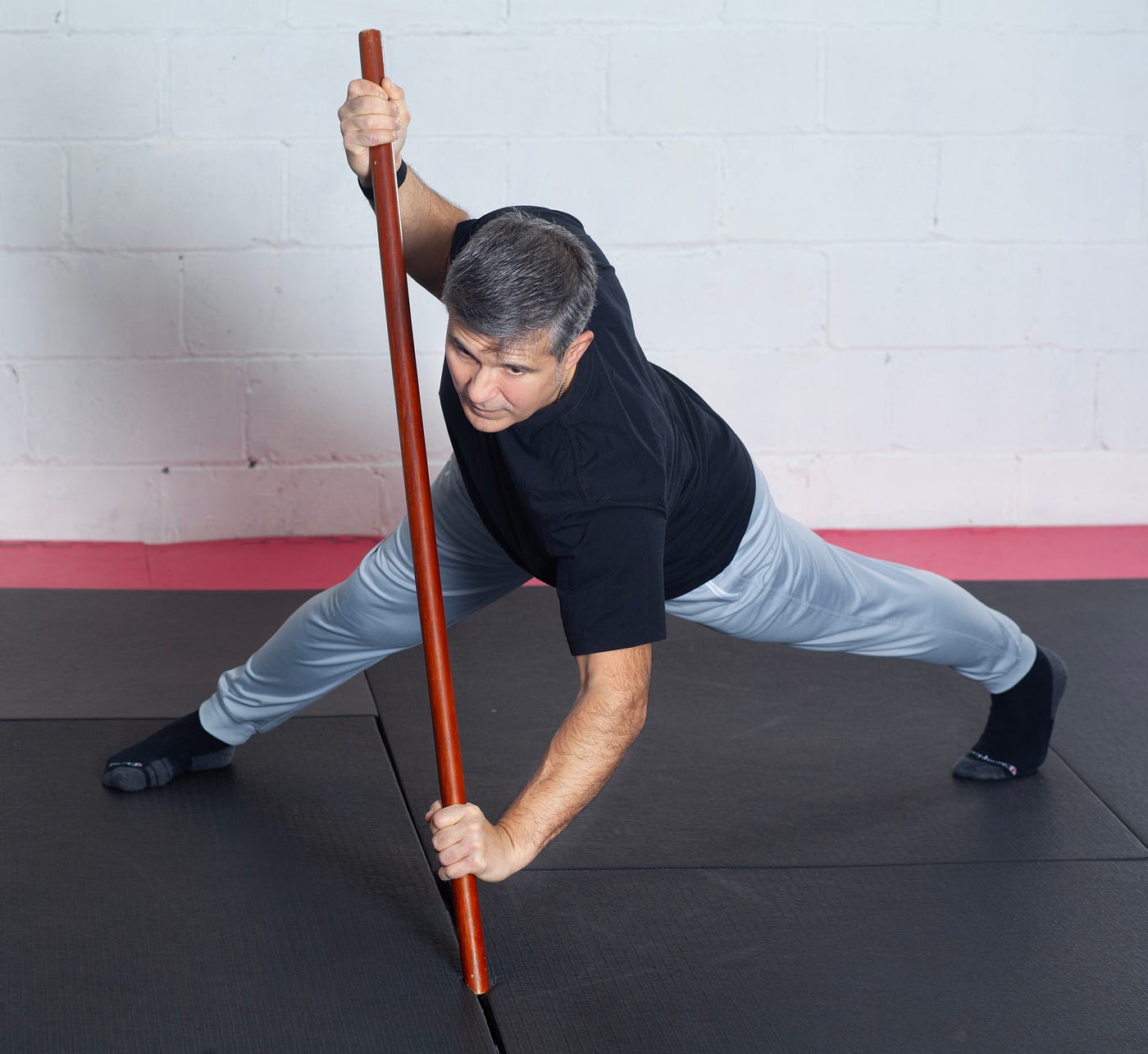
Movement. Fluid, adaptive, efficient. Not designed to look impressive. Designed to work.
Everything in Systema training flows from these four things. There are no techniques on top of them — the principles arethe technique.
Where It Comes From
Russia’s geography made it a target for invasion from every direction across a thousand years of history. Mongols from the east. Teutonic knights from the west. Ottoman forces from the south. Each wave brought its own fighting system and weaponry.
What the Russian warriors developed in response had to work against all of them — in frozen winters, on open steppe, in dense forest, usually outnumbered. It couldn’t rely on ideal conditions, because ideal conditions never came.
The result was a fighting approach built around instinctive reactions and individual adaptability rather than memorized sequences. Natural, free, structureless in the rigid sense — but deeply principled.
When the Communists came to power in 1917, they suppressed traditional Russian martial practices. Those caught training them were punished. The Soviet military, however, quickly recognized the value of what they’d attempted to erase and quietly preserved it for their elite Spetsnaz units. It disappeared from public view for decades.
After the Soviet collapse, it re-emerged. Two people were central to bringing it to the wider world.
What the Philosophy Actually Means
There is a reason it’s called The System and not The Style.
A style is a collection of techniques. A system is a complete framework. Systema’s claim — and it’s a serious one — is that training in it improves the function of the whole person: physically, psychologically, and spiritually. Not as a side benefit. As the primary goal.
The Russian phrase sometimes used to describe this is poznai sebia — Know Yourself. In Systema, that’s not an inspirational slogan. It’s a precise description of what the training does. It is deliberately designed to expose limitation — to show you where you tighten under pressure, where your breath collapses, where pride gets in the way of learning.
The governing principle is non-destruction: training should build, not damage. It should strengthen everyone in the room, not sacrifice students on the altar of performance.
Mikhail Ryabko’s instruction to beginners is: “Be a good person, and everything else will come to you.” In context, that’s not a platitude. Ego and aggression are not assets in Systema — they are obstacles. The student who trains with honesty and genuine attention to their partner develops faster than the one training to win.
This is the thread I follow in my own teaching at FightClub. It connects directly to the ideas in my book Eudaimonia: The Highest Human Good — the conviction that genuine development, in martial arts or in life, comes from awareness, patience, and honest self-examination. Not from shortcuts. Not from performance.
How It’s Different
People ask this constantly, so here’s an honest answer.
Versus BJJ: BJJ is a sport art built around ground fighting and submission holds. It’s well-structured and effective within its domain. What it doesn’t address is the psychological dimension of conflict, the standing and weapons range, or real-world unpredictability. It was designed for mat conditions with cooperative partners. Systema was designed for everything else.
Versus Krav Maga: Krav Maga is direct, aggressive, and practically oriented — a tool built for threat response. Systema covers the same ground but develops the practitioner more holistically. It’s the difference between learning a specific protocol and developing a capability.
Versus traditional karate: Karate offers real value — structure, discipline, lineage. The gap is between fixed forms trained in ideal conditions and the fluid unpredictability of real situations. Systema has no fixed forms, by design.
None of this is to say other arts lack value. Every serious martial artist has developed real skill. The comparison is just to help someone new to Systema understand what makes it different — and why those differences matter to people who want more than a fitness class with sparring.
What a Class Actually Looks Like
No lines of students performing synchronized katas. No one counting repetitions in unison. No rank displayed.
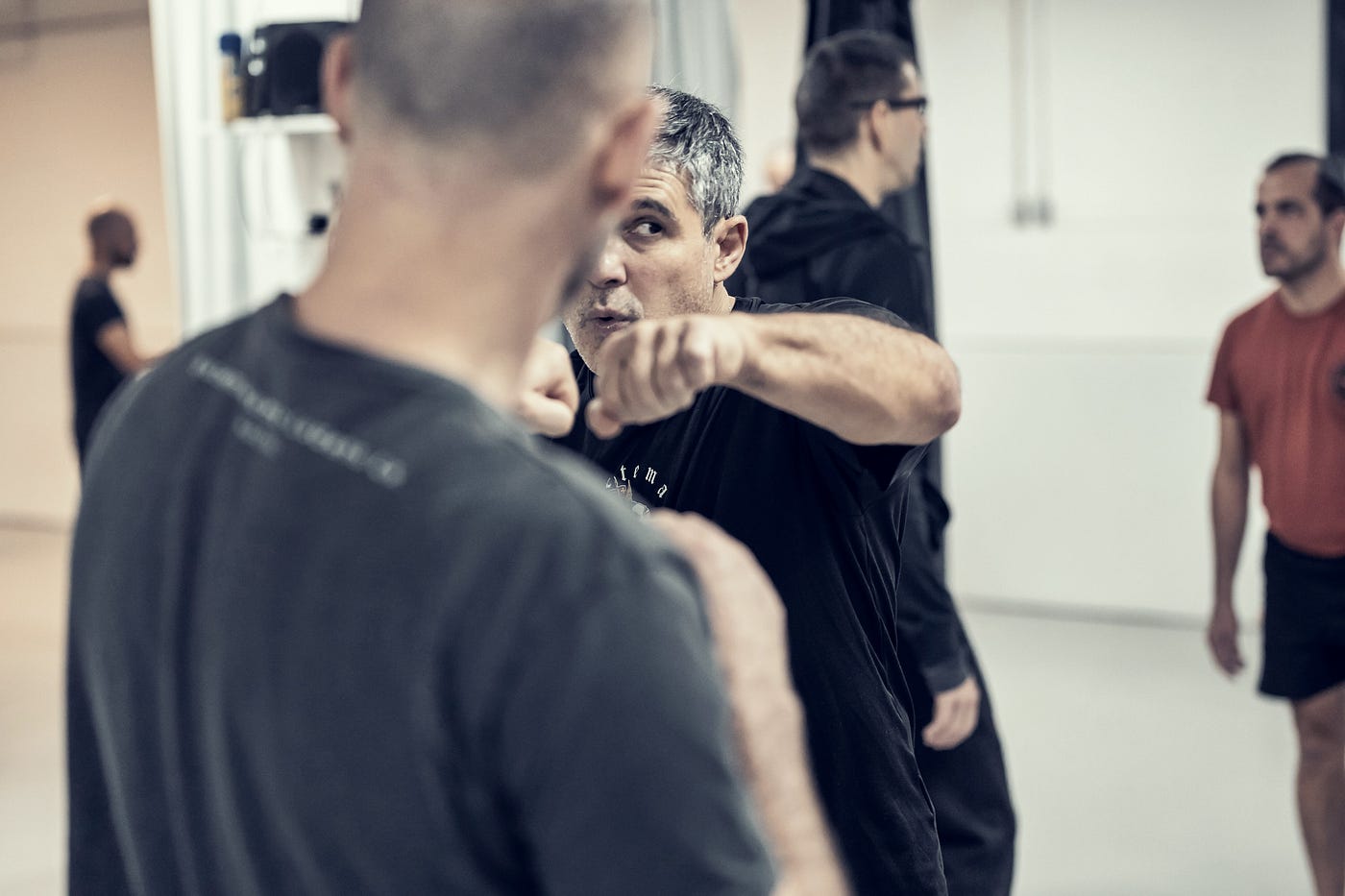
What you see is people working — on breath, on movement, on their response to pressure — with a quality of attention that is unusual in most physical training environments.
A typical class at FightClub includes breath work under progressive stress, movement drills that develop body awareness and spatial sense, cooperative partner work that builds sensitivity to another person’s tension and intention, striking and defence built around relaxation rather than force, ground movement and recovery, and controlled scenarios that develop composure when the body wants to panic.
Students train in mixed groups — different ages, fitness levels, and experience training together. No beginner section. No advanced section. Just honest work, done at whatever level you’re currently at.
Who Shows Up
Systema draws a specific kind of person. Not necessarily the most athletic — someone with genuine curiosity about what they’re capable of, and the willingness to do honest work to find out.
At FightClub, that includes professionals in their 30s, 40s, and 50s who want to train intelligently without destroying their bodies. People who’ve trained other arts and found something missing. Women who want practical, grounded self-defence in a respectful environment. Parents who train alongside their children. People managing stress or the weight of demanding careers. Movement practitioners drawn to Systema’s emphasis on body awareness.
No prior experience required. No particular fitness level. The training meets you where you are.
The One Thing That Doesn’t Translate
I can describe Systema accurately. I’ve just spent a thousand words doing it.
But the honest answer to what is Systema is that it doesn’t fully translate to description. The movement looks wrong until you feel it from the inside. The breath work seems simple until you discover how foreign it is to stay relaxed when someone is applying pressure to your structure. The partner sensitivity drills look passive until you realize how much information is moving between two people who have learned to listen with their bodies.
The first class answers the question better than any article can.
Where to Train
I’ve been teaching Systema in Toronto since 2003. FightClub is at 401 Donlands Ave in East York — adult, youth, and women’s self-defence programs, year-round.
If you’ve been looking for a martial art that goes deeper than sport performance and physical conditioning, come and see it.
**→ Get started at FightClub Toronto**
401 Donlands Ave, East York, Toronto | Mon–Fri 6–9 pm | Sat 11 am–1 pm | fight-club.ca
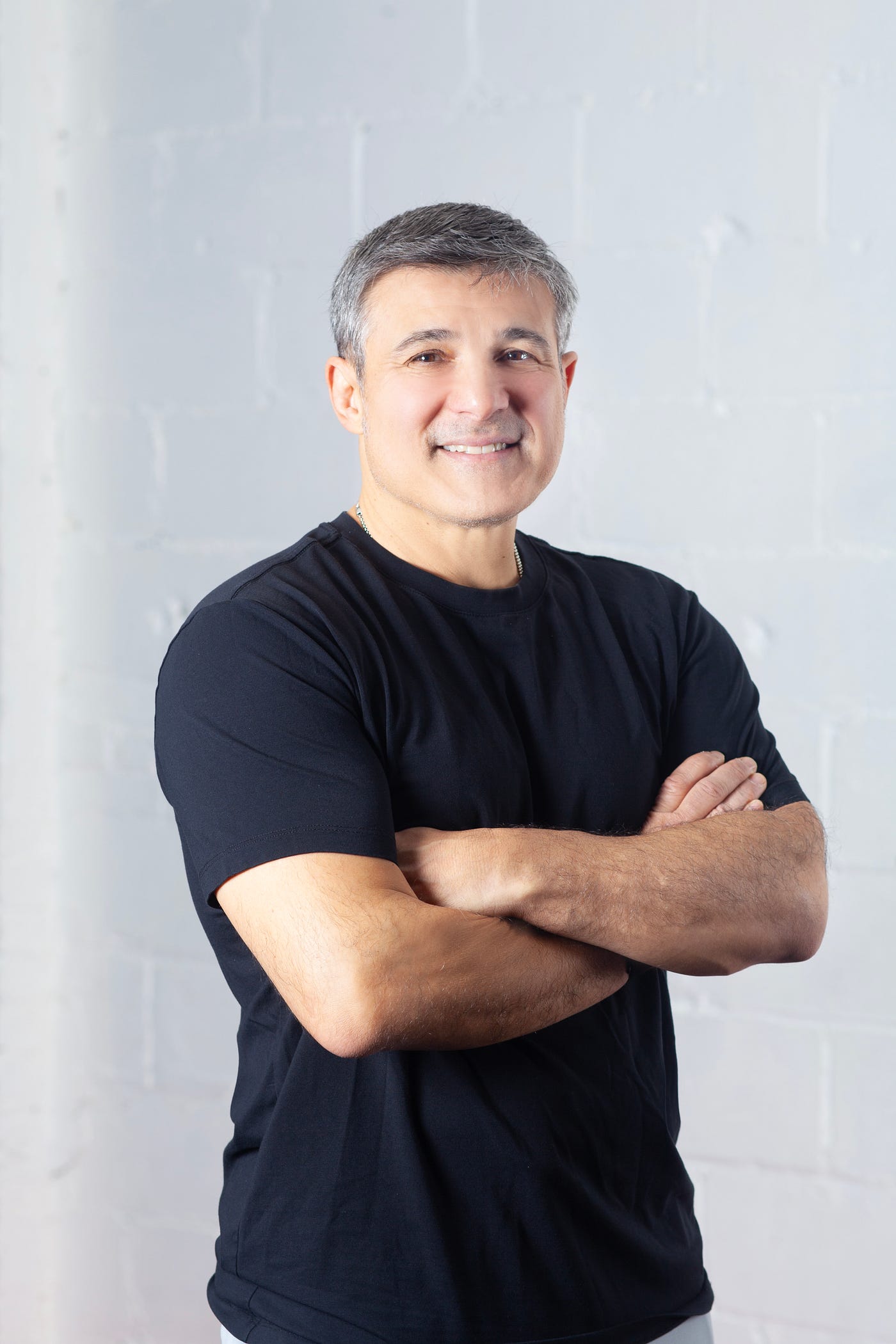
Emmanuel Manolakakis has trained in martial arts for over 40 years and has taught Systema in Toronto since 2003. He is the author of Eudaimonia: The Highest Human Good and the founder of FightClub Toronto, an officially sanctioned Systema and traditional archery school in East York.
메타데이터
- post_id
- bc670f64b712
- slug
- what-is-systema-the-russian-martial-art-most-people-have-never-heard-of-bc670f64b712
- url
- https://medium.com/@em_68378/what-is-systema-the-russian-martial-art-most-people-have-never-heard-of-bc670f64b712
- canonical_url
- https://medium.com/@em_68378/what-is-systema-the-russian-martial-art-most-people-have-never-heard-of-bc670f64b712
- author_url
- https://medium.com/@em_68378
- status
- ok
- fetched_at
- 2026-07-16 17:10:13