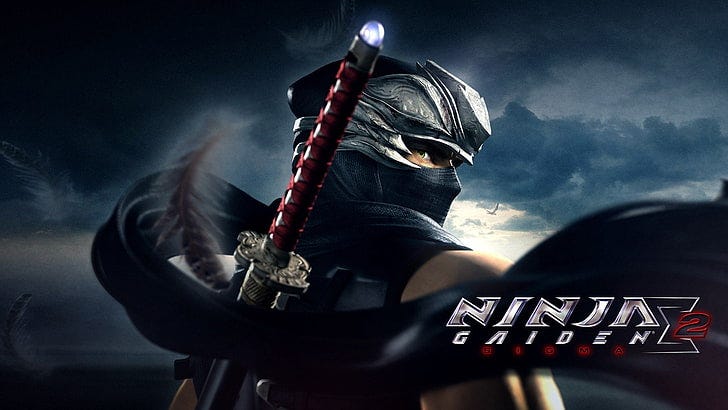
Ninja Gaiden Sigma 2 2026 Analysis. Faster, Bloodier, Better
Coming straight off Ninja Gaiden Sigma, I rolled right into Ninja Gaiden Sigma 2, and the difference was immediate. I played it on PC at 4K…
Ninja Gaiden Sigma 2 2026 Analysis. Faster, Bloodier, Better
[embed]
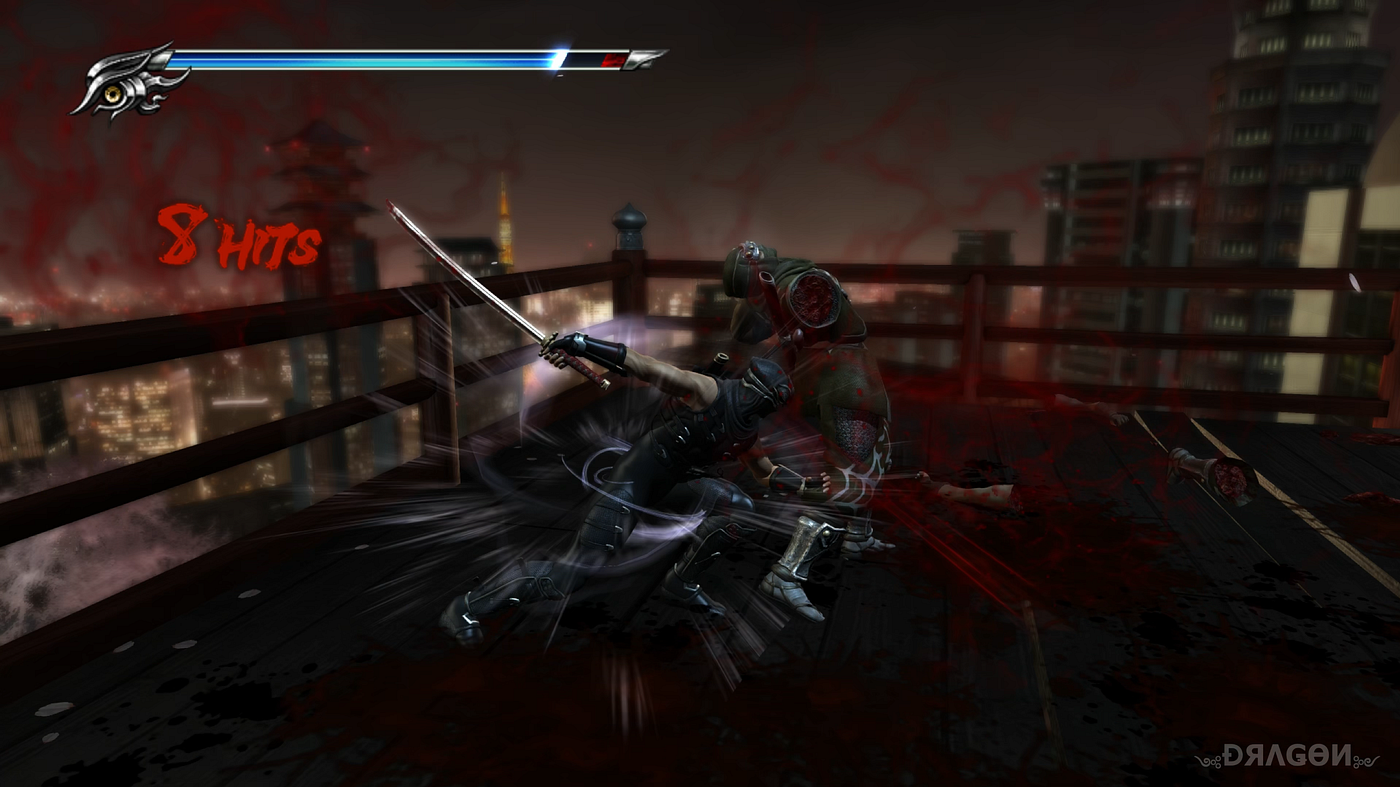
Coming straight off Ninja Gaiden Sigma, I rolled right into Ninja Gaiden Sigma 2, and the difference was immediate. I played it on PC at 4K and 60 FPS with the Sigma 2 Black mod, which restores a lot of the gore, dismemberment, blood trails, and overall combat feel that the base Sigma 2 version toned down. From my perspective, that mod is basically essential. It brings back a lot of the violence and pace that make this game feel like Ninja Gaiden instead of a cleaner, dulled-down compromise.
That matters because base Sigma 2 always felt like a weirdly softened version of a game that should be savage. The original PS3 release cut down enemy counts, reduced the gore, and generally changed the combat rhythm into something slower and tankier than it should have been. Whether that came down to hardware limits, design choices, or some mix of both, the end result was the same. The Sigma 2 Black setup just feels better. It feels bloodier, faster, meaner, and much closer to the kind of action this game clearly wants to deliver.
Visually, I think this is a step up from the first game. Ninja Gaiden Sigma had a strong look, but Sigma 2 feels broader, more confident, and more adventurous with its locations. I loved the opening in modern Tokyo with that mix of contemporary cityscape, rooftop ninja combat, and traditional Japanese aesthetics woven into the skyline. It sets the tone immediately. This is not a grounded action game, and it is not trying to be. It is stylish, loud, dramatic, and proud of it.
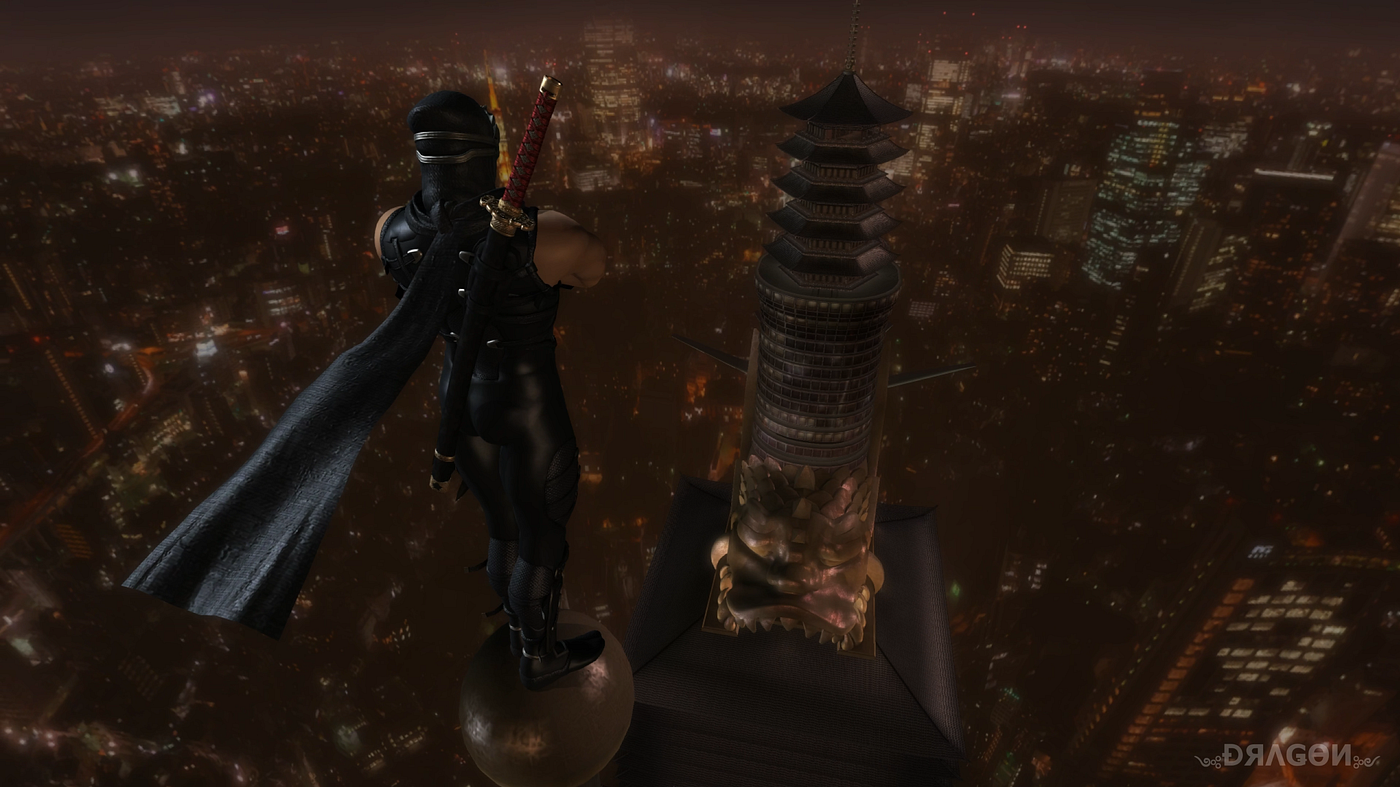
Going back through Hayabusa Village was another highlight for me. There is a real sense of familiarity there if I have just come off the first game, but it is not just repeating old ground. It feels expanded, like I am seeing more of this place and getting a stronger sense of its identity. That sense of continuity works really well. It gives the game a bit of nostalgia without turning it into self-copying fan service.
What I really appreciated this time is how much more global and varied the journey feels. The first game has strong atmosphere, but a lot of it is built around that maze-like city progression. Ninja Gaiden Sigma 2 feels bigger in scope. I am bouncing through cities, villages, aircraft interiors, swampy hellscapes, demonic ruins, and eventually full-on end-of-the-world nightmare territory. By the end, it honestly feels like I am descending layer by layer into hell itself. That sense of escalation is one of the game’s biggest strengths.
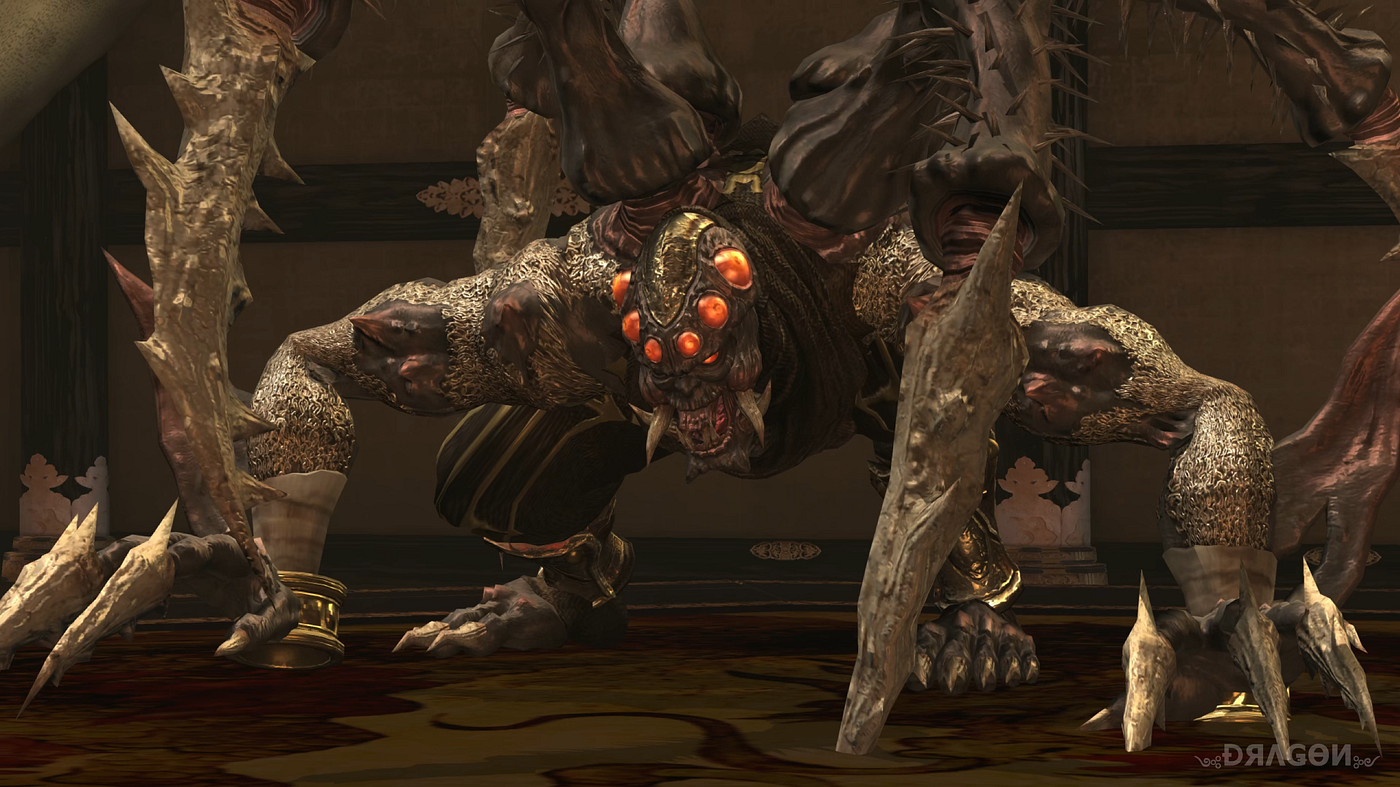
It also just has stronger visual variety in its enemies and encounters. The fiends are more elaborate, the bosses are more theatrical, and the whole adventure has a larger-than-life feel that I really enjoyed. It is still obviously a game from its generation, but I think it has aged well. On PC, with max settings and clean image quality, it still looks great. The options menu is not especially deep, so it is not one of those ports where I can tweak everything under the sun, but the core presentation holds up.
The soundtrack is good, even if I would still give the edge to Sigma 1 in terms of memorable music. The first game had tracks that lodged themselves in my brain a little harder. Still, Sigma 2 does its job well. The music supports the action, the sound effects are sharp, and the overall audio design still gives me useful combat information in the middle of chaos. I could absolutely use sound cues to help read enemy pressure and position myself, even if the game sometimes gets so frantic that the audio and visual noise blur together more than they did in the first one.
Gameplay is where this sequel really starts cashing checks. The single biggest improvement for me is that I can now swap weapons on the fly. That alone changes the whole feel of the game. In the first Sigma, constantly diving into menus to switch from the Dragon Sword to another weapon dragged the pacing down. Here, I can stay in motion. I can switch weapons, ninpo, and ranged options without being ripped out of the action every few minutes. It sounds like a small thing on paper, but in practice it completely changes the flow.
And flow is really what Ninja Gaiden Sigma 2 does best. This game is faster than the first one. Ryu feels faster. The enemies feel faster. The exchanges are more aggressive, more immediate, and more demanding. Early on, the game absolutely slapped me in the face with that. I started chapter one and immediately got the message that this was not going to be a cautious little warm-up. These enemies are on my ass right away, and the game expects me to answer violence with violence. Once I adjusted to that and stopped hesitating, the combat clicked hard.

That is the thing with Sigma 2. It wants commitment. It wants you focused. It wants you blocking, dodging, countering, reading pressure, and responding with force instead of passivity. Once I found that rhythm, I had a blast. The combat feels slick and fluid in a way that builds naturally on the first game. It is not reinventing everything, but it is absolutely pushing the series into a smoother, more modern-feeling action flow.
The camera is a huge improvement too. That was one of my main issues with the first game. In Sigma 1, the camera could be a real bastard in tighter environments, and it often felt like I was fighting visibility as much as the actual enemies. Here, it feels more pulled back, more stable, and better suited to the speed of the action. I am not going to pretend it is flawless, but it never became a serious irritation for me the way it did in the first game. That alone makes the combat easier to appreciate.
The bow is also much better. In the first game, using projectiles could feel awkward and clunky. Here, it is just snappier and smoother. A lot of the little friction points from the first game have been cleaned up like that. The result is a sequel that feels less interrupted, less fussy, and more willing to keep you locked into the action.

I also liked the weapon variety a lot. There is a great spread of weapons here, and the game does a good job of making them feel distinct enough that I actually want to use them instead of just picking one and sticking with it forever. The Muramasa shops with the blue lights lets you upgrade one weapon at a time, so there is a nice sense of deciding where to invest for your next upgrade. I could not max absolutely everything immediately, so I had to be a little selective. That worked for me. It gave each upgrade some weight.
Ninpo works well as a support tool too. I never treated it like some crutch that let me ignore the actual combat. I used it more intelligently, either to shave down bosses, create breathing room, or cool off situations that were getting too chaotic. The purple crystal skulls that upgrade ninpo help give it a nice progression curve, and I liked that it stayed useful without becoming the entire game. It is strong, but it never made me feel like I could just mash my way through everything.
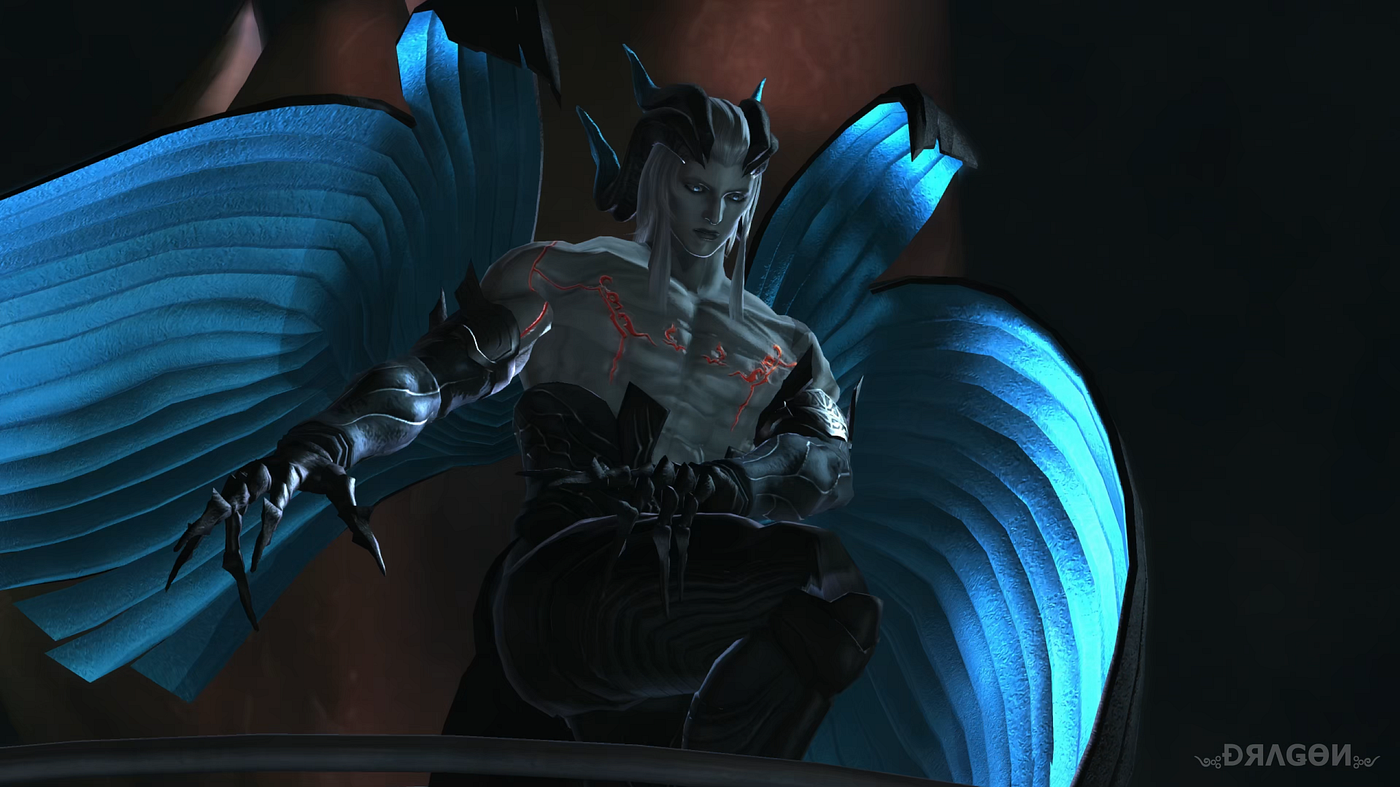
Story-wise, this is still a pretty straightforward Ninja Gaiden game. I do not come to these games for layered drama or complicated character writing, and I do not think this one is aiming for that anyway. It is a big, ridiculous action story about fiends, rival ninja clans, relics, destruction, and Ryu Hayabusa being an absolute monster in combat. Sonia gets pulled into it, Genshin and the Black Spider Clan set the whole thing in motion, Elizébet and the fiends escalate the threat, and eventually the game sends me deeper and deeper into apocalyptic territory until I am basically fighting through hell.
I like that simplicity. The story is over the top, but it works because it commits. It gives me stakes, momentum, and a reason to keep pushing forward without drowning the game in exposition. That said, I do think the series in general could do a little more with its lore if it wanted to. The Dragon Lineage, the rival clans, the demonic mythology, all of that is cool. There is material there. The game just uses it as fuel instead of really digging into it. I am fine with that, but I can still see the unrealized potential.
The female chapters are the one place where the pacing loses a bit of momentum for me. I do not dislike them. Rachel, Momiji, and Ayane are all fun enough in their own way, and I appreciate the extra perspective and variety. But none of them feel as deep or as satisfying to play as Ryu. Part of that is just familiarity. I spend most of the game building that muscle memory and flow with Ryu, then the game suddenly asks me to pivot into a different moveset with less buildup and less combat depth. Those chapters are not bad, but they are very clearly side dishes next to the main course.
What impressed me most overall is how much this sequel improves the pure action cadence. It is leaner. It is smoother. It wastes less of my time. It keeps me moving, keeps me adapting, and keeps me in the thick of combat instead of constantly pausing the experience. It is still linear, and I mean that as praise. I always knew where I needed to go. I was never wandering around lost, and the game never pretended I should care about open-world sprawl. It knows exactly what it is. It is a fast, focused action game built around pressure, reflex, and momentum.
I never found it impossible, but I also never found it brain-dead. It asks for patience where it matters. It asks me to block, read enemy behavior, and strike with timing instead of panic. Some bosses gave me trouble, but the game also gives me enough healing items, resources, and tools that I rarely felt hard-walled. It wants you to be engaged, not miserable.
More than anything, Ninja Gaiden Sigma 2 just feels good to play. With the Sigma 2 Black mod in place, the combat has more bite, more blood, more payoff, and more of the savage identity I want from this series. It feels like a cleaner, more fluid extension of the first game’s strengths, while sanding down some of its roughest edges.

Verdict
Ninja Gaiden Sigma 2 is a faster, smoother, more expansive sequel that improves the action flow in almost every way that mattered to me. The on-the-fly weapon switching is a massive upgrade, the camera is far less annoying, the global level variety gives the adventure a bigger sense of scale, and with the Sigma 2 Black mod restoring the gore and combat intensity, the whole experience feels much closer to what this game should have been from the start.
The story in Sigma 2 is still simple, the female chapters are not on Ryu’s level, and I still think the first game has the more memorable soundtrack, but this is one of those sequels that understands exactly what to streamline and what to amplify. For me, Ninja Gaiden Sigma 2 is just a flat-out better-playing game than the first one, and in its best moments it feels like pure action-game momentum with almost no wasted motion.
메타데이터
- post_id
- bc724e390cf5
- slug
- ninja-gaiden-sigma-2-2026-analysis-faster-bloodier-better-bc724e390cf5
- url
- https://medium.com/@dragonemag/ninja-gaiden-sigma-2-2026-analysis-faster-bloodier-better-bc724e390cf5
- canonical_url
- https://medium.com/@dragonemag/ninja-gaiden-sigma-2-2026-analysis-faster-bloodier-better-bc724e390cf5
- author_url
- https://medium.com/@dragonemag
- status
- ok
- fetched_at
- 2026-06-09 15:37:30