Advanced Hazmat Life Support (AHLS)
Advanced Hazmat Life Support (AHLS) is a critical educational program designed to prepare healthcare professionals to effectively manage…
Advanced Hazmat Life Support (AHLS)
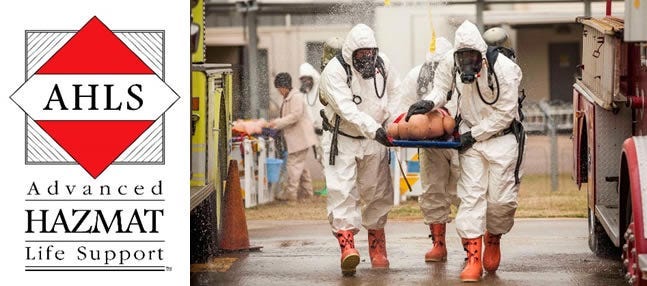
**Advanced Hazmat Life Support (AHLS)** is a critical educational program designed to prepare healthcare professionals to effectively manage patients exposed to hazardous materials (hazmat). With the increasing risk of accidents, natural disasters, and terrorism involving chemical, biological, radiological, and nuclear (CBRN) substances, AHLS equips medical personnel with the skills and knowledge necessary to provide specialized care. This program is vital for physicians, nurses, paramedics, and other first responders who may encounter patients affected by hazardous substances in emergency situations.
Advanced Hazmat Life Support (AHLS)
Overview of AHLS
AHLS was developed in response to the growing need for a comprehensive approach to managing hazmat incidents. While first responders such as fire, police, and hazmat teams are often the first on the scene of such emergencies, healthcare professionals play a critical role in the decontamination, stabilization, and treatment of affected individuals. The AHLS course bridges the gap between first responders and healthcare providers, ensuring that patients receive appropriate care throughout the entire emergency response process.
The AHLS curriculum is based on evidence-based practices and is designed to improve patient outcomes by focusing on several core objectives:
- Recognition: Training participants to identify the signs and symptoms of exposure to various hazardous materials.
- Triage: Providing guidance on prioritizing patient care based on the severity of exposure and injury.
- Treatment: Offering protocols for managing toxicological emergencies caused by hazardous substances.
- Decontamination: Teaching proper decontamination techniques to prevent secondary contamination of healthcare providers and facilities.
- Antidotes and Supportive Care: Educating on the appropriate use of antidotes and supportive care measures for specific hazardous materials.
Scope of Hazmat Incidents
Hazardous material incidents can result from a variety of causes, including industrial accidents, transportation mishaps, and acts of terrorism. These incidents may involve chemicals, biological agents, radioactive materials, or nuclear hazards, each of which presents unique challenges in terms of diagnosis, treatment, and containment.
- Chemical Hazards: Chemical spills, leaks, or intentional releases can expose individuals to toxic substances such as chlorine gas, ammonia, or organophosphates (pesticides). These chemicals may cause respiratory distress, skin burns, neurological impairment, and even death if not managed appropriately. AHLS trains participants to recognize the early signs of chemical exposure and implement appropriate interventions such as airway management, antidote administration (e.g., atropine for nerve agent exposure), and supportive care.
- Biological Hazards: Exposure to biological agents like anthrax, botulinum toxin, or ricin can lead to serious, life-threatening infections or poisonings. These agents can be used as weapons in bioterrorism attacks, making rapid identification and isolation critical. AHLS provides training on how to identify the symptoms of biological exposure, administer vaccines or antitoxins when available, and contain infectious agents to prevent widespread contamination.
- Radiological/Nuclear Hazards: Radiological or nuclear exposure can occur through accidents at nuclear power plants, detonation of radiological dispersal devices (“dirty bombs”), or deliberate use of nuclear weapons. Such exposure can lead to acute radiation sickness, long-term health consequences, or death. The AHLS curriculum addresses how to assess and manage radiation exposure, including the use of protective equipment, radiation detection devices, and specific treatments like potassium iodide for thyroid protection.
AHLS Core Components
AHLS training encompasses several key components that together form a comprehensive response strategy to hazmat incidents:
- Decontamination Procedures: One of the first steps in treating patients exposed to hazardous materials is to prevent secondary contamination. This involves the use of personal protective equipment (PPE) by healthcare providers, proper patient handling, and physical decontamination methods such as showering or the use of chemical-neutralizing agents.
- Patient Triage and Assessment: In large-scale incidents, healthcare providers must quickly assess and prioritize patients based on the severity of their exposure and symptoms. AHLS teaches participants how to apply the principles of the START (Simple Triage and Rapid Treatment) protocol, a widely accepted triage method that helps ensure resources are used efficiently during a mass casualty event.
- Treatment Protocols: The AHLS course covers the specific medical treatments required for different types of hazardous material exposures. This includes the administration of antidotes (e.g., pralidoxime for nerve agent poisoning), supportive care (e.g., oxygen therapy, IV fluids), and advanced airway management techniques. AHLS also emphasizes the importance of rapid, evidence-based decision-making in emergency settings to minimize the health impacts of exposure.
- Psychological Considerations: Hazmat incidents can have profound psychological effects on patients, responders, and the general public. AHLS addresses the need for mental health support, including psychological first aid, during and after an incident. Healthcare providers are taught to recognize the signs of acute stress, anxiety, and trauma in both patients and colleagues, and to take appropriate steps to provide emotional support and referral for further care.
AHLS Certification and Continuing Education
The AHLS program offers certification to participants who successfully complete the course. This certification is valid for a specific period (usually four years), after which healthcare professionals are encouraged to renew their certification to stay updated on the latest practices and guidelines. The curriculum is continually revised based on new research, evolving threats, and advances in medical technology, ensuring that participants remain at the forefront of hazmat response techniques.
AHLS is typically offered as a two-day course, with a combination of lectures, case studies, hands-on skills sessions, and simulations. These activities are designed to mimic real-world scenarios, allowing participants to apply their knowledge in a controlled environment before they are faced with an actual hazmat incident.
Conclusion
The **Advanced Hazmat Life Support (AHLS)** program is an essential resource for healthcare professionals tasked with managing hazardous material incidents. By providing specialized training in recognition, triage, decontamination, treatment, and psychological support, AHLS helps ensure that healthcare providers can respond effectively to a wide range of CBRN events. The knowledge and skills gained through AHLS not only enhance individual preparedness but also contribute to the overall resilience of communities in the face of hazmat emergencies.
메타데이터
- post_id
- bc9daf89dae7
- slug
- advanced-hazmat-life-support-ahls-bc9daf89dae7
- url
- https://medium.com/@iiemskottayam/advanced-hazmat-life-support-ahls-bc9daf89dae7
- canonical_url
- https://medium.com/@iiemskottayam/advanced-hazmat-life-support-ahls-bc9daf89dae7
- author_url
- https://medium.com/@iiemskottayam
- status
- ok
- fetched_at
- 2026-06-27 08:54:08