The Hidden Bias of Video Interviews (And How to Beat It Ethically)
The Hidden Bias of Video Interviews (And How to Beat It Ethically)
The Hidden Bias of Video Interviews (And How to Beat It Ethically)
The Hidden Bias of Video Interviews (And How to Beat It Ethically)
Video interviews are often presented as a fairer alternative to traditional interviews.
Same questions. Same format. Same time limits.
In theory, this should reduce bias.
In practice, video interviews introduce new biases — quieter ones that most candidates are never told about.
Bias Doesn’t Disappear. It Changes Shape.
Video interviews reduce some forms of bias:
- small talk advantage
- in-room charisma
- informal rapport
But they amplify others.
Not because recruiters are careless — but because human perception is shaped by context, and video is a harsh context.
The Biases Candidates Rarely Hear About
Accent and Fluency Bias
Even when accents are not penalized consciously, they affect:
- perceived clarity
- processing effort
- patience
The more effort it takes to follow an answer, the lower it’s often scored.
Technical Quality Bias
Lighting, camera angle, and audio quality subtly influence:
- perceived professionalism
- credibility
- confidence
Two equally strong answers can land very differently depending on presentation.
Cultural Communication Bias
Some cultures favor:
- indirect framing
- humility
- context before conclusion
Video interviews reward the opposite:
- directness
- early conclusions
- explicit structure
None of this is written in job descriptions — but it’s real.
Why This Isn’t About “Gaming the System”
Acknowledging bias isn’t about manipulation.
It’s about not letting irrelevant factors overshadow your competence.
You’re not changing who you are. You’re adapting to a medium that filters information imperfectly.
That’s not unethical. It’s professional literacy.
What You Can Actually Control
You can’t erase bias — but you can reduce its impact.
Focus on:
- clearer structure
- tighter answers
- deliberate pacing
- cleaner delivery
These don’t erase differences. They protect your signal.
This is where realistic practice matters more than advice.
Practicing under real constraints helps you spot where bias might creep in — and adjust without losing authenticity.
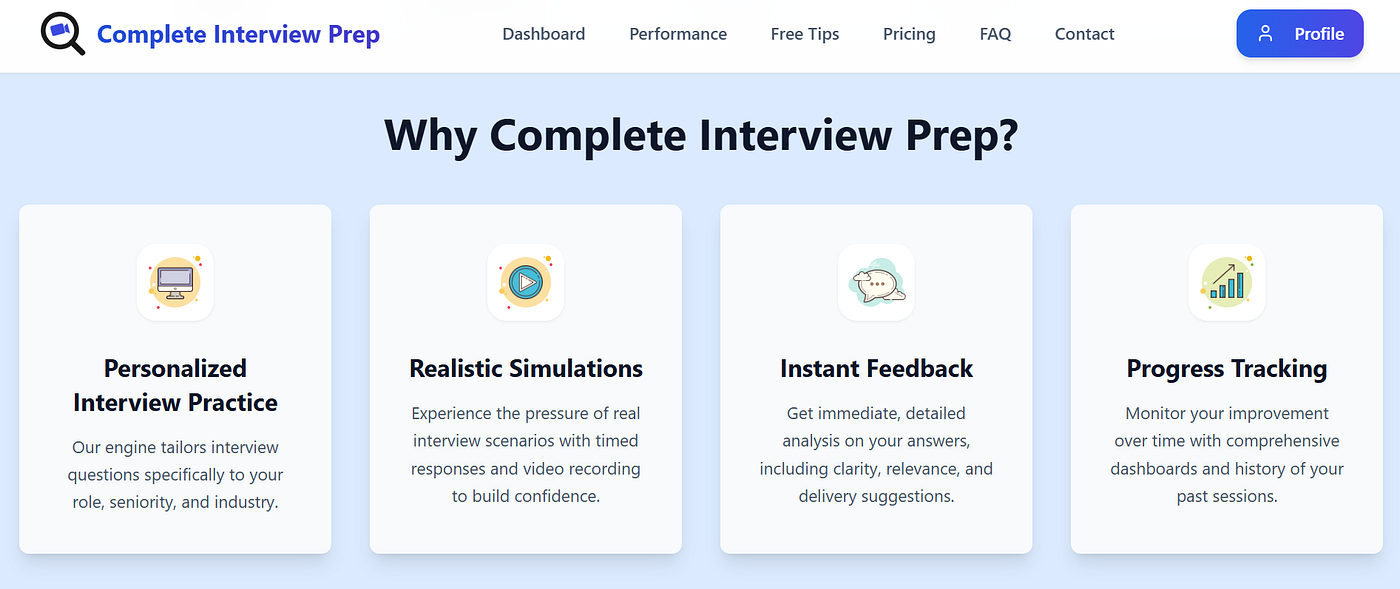
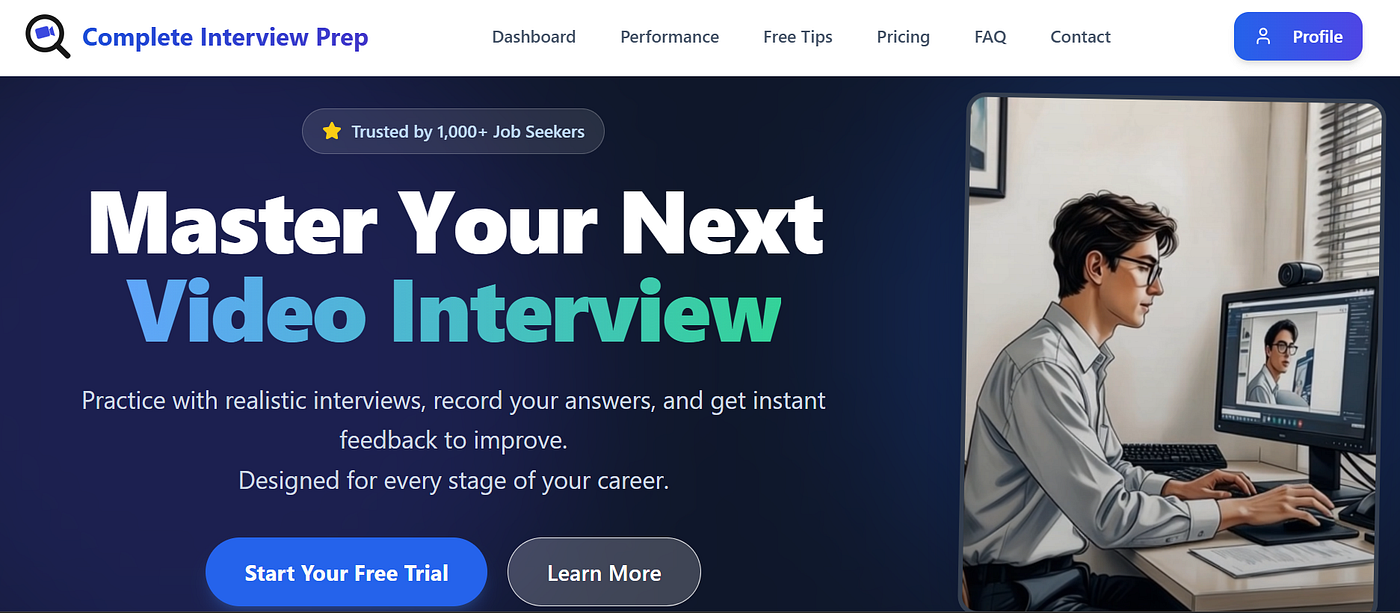
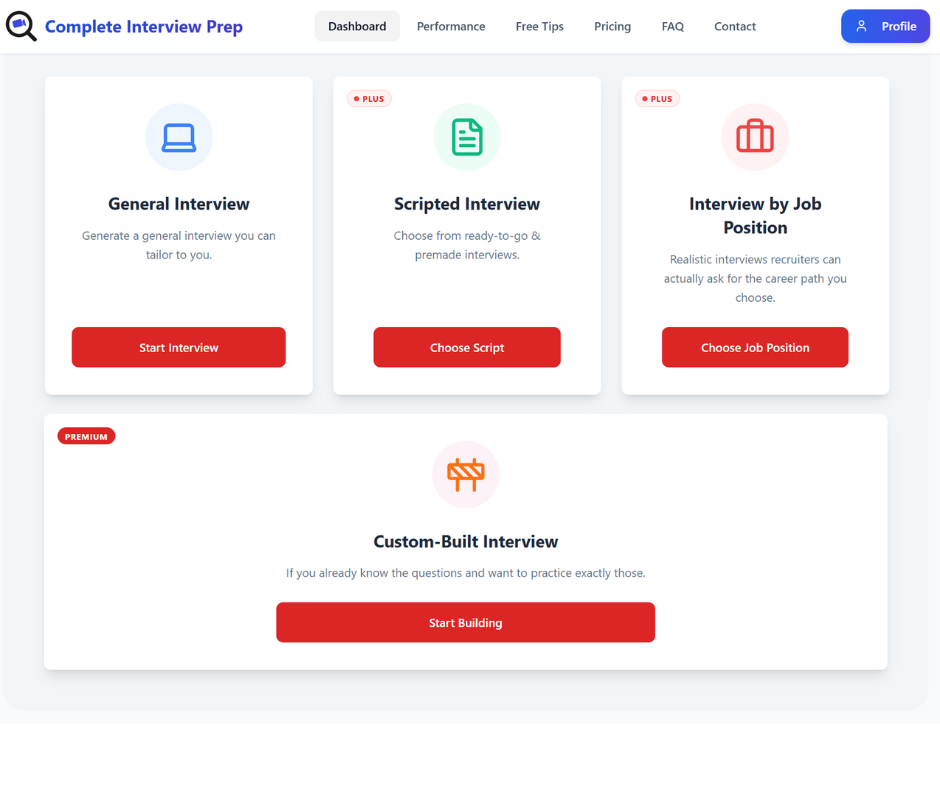
Tools like 👉 https://www.completeinterviewprep.com/ exist to let candidates practice interview formats as they’re actually evaluated, not as we wish they were.
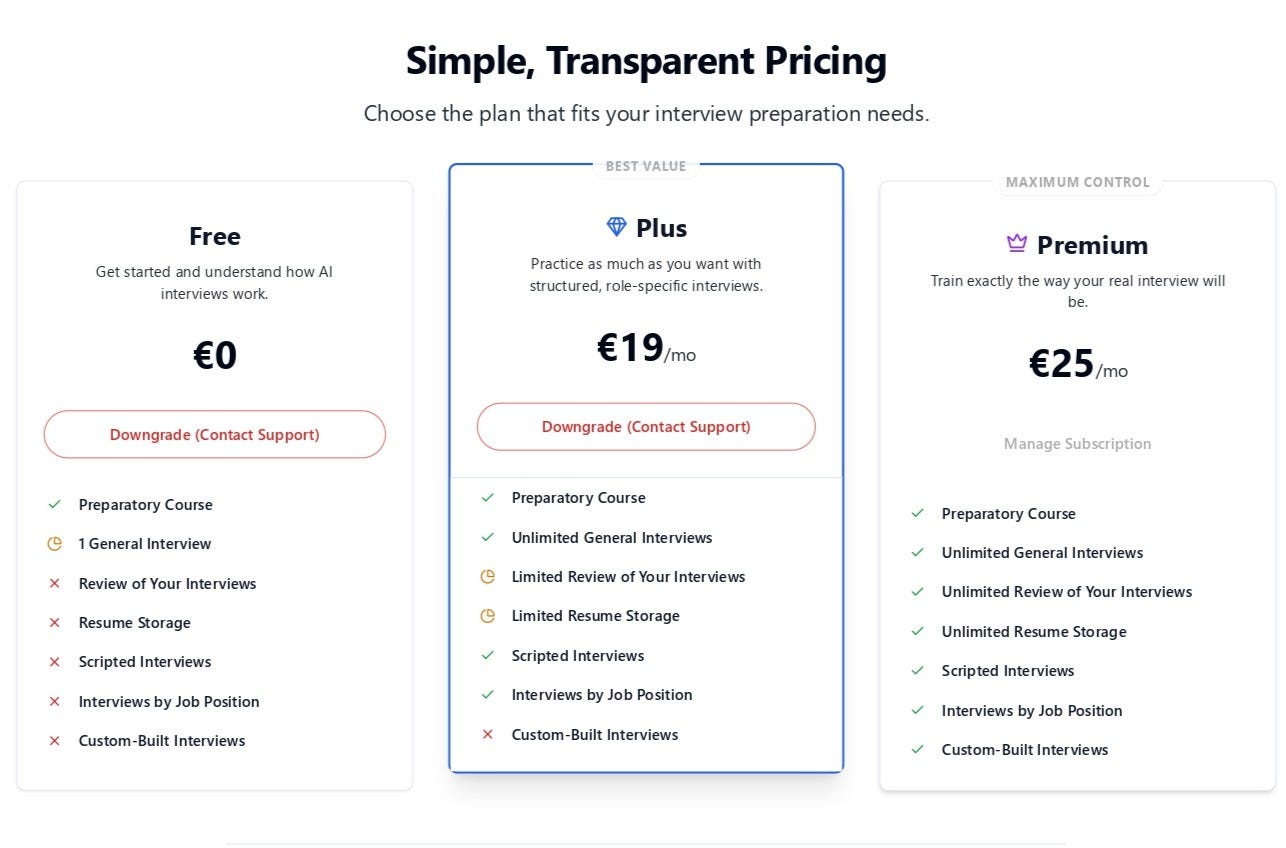
www.completeinterviewprep.com/
The Ethical Line Worth Keeping
Be careful not to overcorrect.
You don’t need to:
- fake an accent
- copy someone else’s personality
- perform confidence theatrically
The goal isn’t conformity.
The goal is clarity.
Clarity gives your experience a fair chance to be seen.
Why This Matters More for Some Candidates
Bias in video interviews disproportionately affects:
- international candidates
- career switchers
- non-native speakers
- candidates without access to “perfect” setups
For these groups, preparation isn’t optional.
It’s a form of self-advocacy.
Final Thought
Video interviews aren’t neutral — but they’re not unbeatable either.
You don’t beat bias by pretending it doesn’t exist. You beat it by making your signal so clear that it’s hard to miss.
That’s a skill.
And like any skill, it can be trained.
메타데이터
- post_id
- bcd1fd02e69a
- slug
- the-hidden-bias-of-video-interviews-and-how-to-beat-it-ethically-bcd1fd02e69a
- url
- https://medium.com/@lucaardito_/the-hidden-bias-of-video-interviews-and-how-to-beat-it-ethically-bcd1fd02e69a
- canonical_url
- https://medium.com/@lucaardito_/the-hidden-bias-of-video-interviews-and-how-to-beat-it-ethically-bcd1fd02e69a
- author_url
- https://medium.com/@lucaardito_
- status
- ok
- fetched_at
- 2026-06-14 11:28:49