E-Waste and Digital Divide: Bridging the Gap for a Sustainable Future
Introduction
E-Waste and Digital Divide: Bridging the Gap for a Sustainable Future

Introduction
In today’s digital age, access to technology plays a vital role in education, employment, and social development. However, a significant challenge hindering equitable access to technology is the digital divide. This divide is further compounded by the growing issue of electronic waste, commonly known as e-waste. This article explores the connection between e-waste and the digital divide, highlighting how e-waste exacerbates global inequalities in technology access and the importance of sustainable and affordable solutions to bridge this gap.
Understanding the Digital Divide
The digital divide refers to the gap between those who have access to digital technologies and those who do not, based on socioeconomic, geographic, and demographic factors. Access to technology has become a critical determinant of success in education, employment, and economic opportunities. However, millions of people, particularly in developing countries, still lack access to basic technology infrastructure such as computers, smartphones, and reliable internet connectivity.
E-Waste as a Contributor
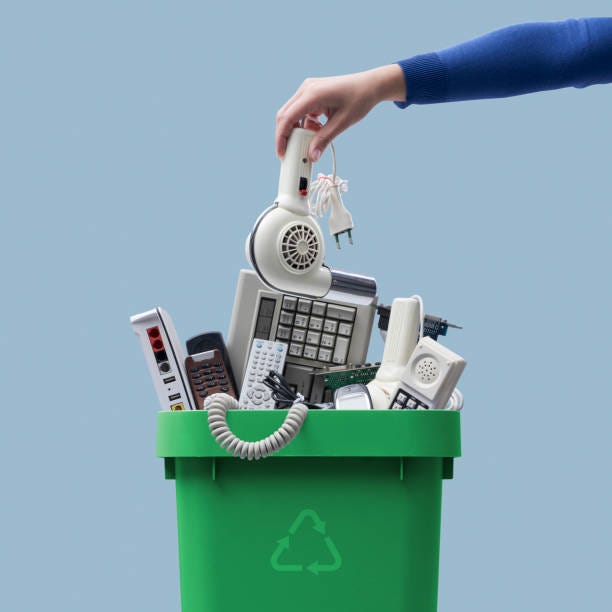
The rapid advancement of technology and the short product lifecycles have led to a staggering increase in e-waste generation worldwide. E-waste consists of discarded electronic devices such as computers, laptops, mobile phones, and televisions. Improper disposal and inadequate recycling practices of e-waste have severe environmental and health implications. However, the impact of e-waste extends beyond these concerns and intersects with the digital divide.
Exacerbating Global Inequalities
E-waste exacerbates the digital divide through various mechanisms. First, discarded electronic devices often contain valuable components that could be refurbished or recycled for reuse. However, the lack of proper e-waste management systems in many regions results in these devices being dumped or incinerated, wasting valuable resources that could have bridged the technology gap.
Second, the digital divide is closely linked to economic disparities. Developing countries often lack the financial resources and infrastructure necessary to handle and recycle e-waste sustainably. Consequently, they become dumping grounds for e-waste from developed nations. The accumulation of e-waste not only poses significant environmental and health risks but also perpetuates the digital divide by denying access to affordable and functional technology.
Sustainable Solutions for Bridging the Gap
Addressing the digital divide and e-waste challenge requires a multi-faceted approach. Here are some key solutions:
- Extended Producer Responsibility (EPR): Governments and electronics manufacturers should implement and enforce EPR policies, making them responsible for the safe disposal and recycling of electronic products. This encourages sustainable product design, recycling infrastructure development, and resource recovery.
- Recycling and Refurbishing: Establishing efficient e-waste recycling facilities, especially in developing countries, can help recover valuable materials and promote the refurbishment of functional devices for redistribution to underserved communities.
- Public Awareness and Education: Raising awareness about the environmental and social impacts of e-waste is crucial. Education programs can empower individuals to make informed decisions regarding e-waste disposal, responsible consumption, and the benefits of recycling.
- Digital Inclusion Initiatives: Governments, non-profit organizations, and private entities should collaborate to provide affordable access to technology, such as subsidized devices and affordable internet connectivity. Community centers and public libraries can serve as hubs for digital literacy programs and technology training.
- Sustainable Design and Manufacturing: Promote eco-design principles, encouraging manufacturers to develop products with longer lifespans, modular components, and easy repairability. This reduces e-waste generation and ensures the longevity of devices.
Conclusion
The intersection of e-waste and the digital divide presents a significant challenge to achieving global technological equity. Sustainable and affordable solutions are essential for bridging this gap. By implementing effective e-waste management practices, promoting recycling, raising awareness, and fostering digital inclusion, we can pave the way for a more equitable and sustainable digital future. It is our collective responsibility to ensure that technology becomes an enabler rather than a barrier in the pursuit of global development and prosperity.
메타데이터
- post_id
- bcd25c945665
- slug
- e-waste-and-digital-divide-bridging-the-gap-for-a-sustainable-future-bcd25c945665
- url
- https://medium.com/@techlo/e-waste-and-digital-divide-bridging-the-gap-for-a-sustainable-future-bcd25c945665
- canonical_url
- https://medium.com/@techlo/e-waste-and-digital-divide-bridging-the-gap-for-a-sustainable-future-bcd25c945665
- author_url
- https://medium.com/@techlo
- status
- ok
- fetched_at
- 2026-07-25 15:44:25