Exercise and ED: How Physical Fitness Affects Sexual Performance
Most men experiencing erectile dysfunction (ED) focus immediately on medication. However, growing clinical evidence confirms that physical…
Exercise and ED: How Physical Fitness Affects Sexual Performance
Most men experiencing erectile dysfunction (ED) focus immediately on medication. However, growing clinical evidence confirms that physical fitness plays a significant and measurable role in sexual function. Understanding this relationship is clinically important before pursuing any treatment — including advanced regenerative options such as the P shot London practitioners are increasingly offering.
This article examines the established physiological links between exercise, cardiovascular health, hormonal balance, and erectile function. It also outlines where lifestyle modification alone may be insufficient, and when evidence-based clinical intervention becomes appropriate.
The Physiology of Erection: Why Fitness Matters
How Erections Are Generated
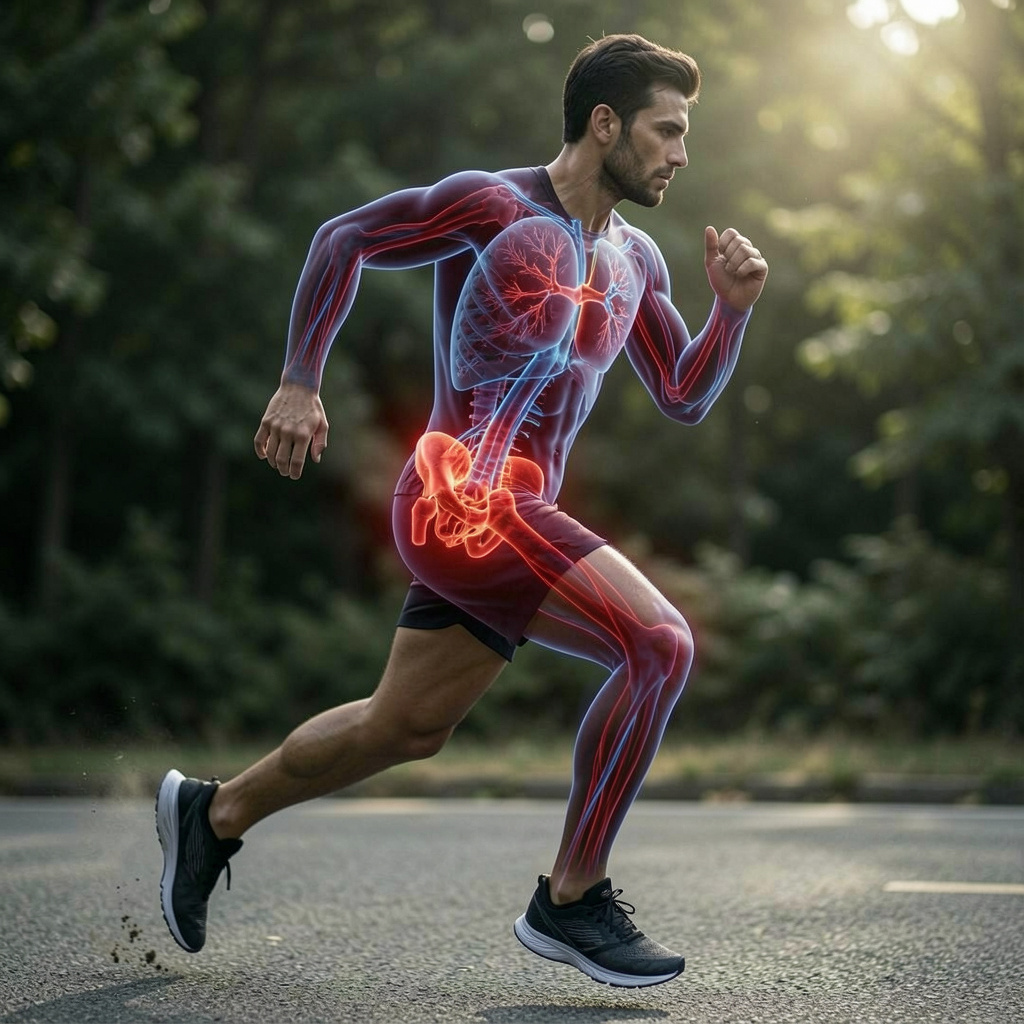
An erection depends on a complex interaction of vascular, neurological, and hormonal systems. The process begins with nitric oxide (NO) release from the endothelium — the inner lining of blood vessels — which triggers smooth muscle relaxation and increased penile blood flow.
Any condition that impairs endothelial function, reduces nitric oxide production, or restricts arterial capacity will directly compromise erectile quality. This is why cardiovascular health and sexual health are so closely linked.
The Vascular Connection
According to NHS guidance, ED is frequently a vascular condition. Men with ED are at significantly higher risk of cardiovascular events, including myocardial infarction and stroke. A landmark study published in the European Heart Journal (2011) found that ED predicts major cardiovascular events by up to five years.
Physical inactivity accelerates endothelial dysfunction. Exercise, by contrast, stimulates endothelial nitric oxide synthase (eNOS) activity, improving arterial elasticity and blood flow — both systemically and in penile tissue.
What the Evidence Shows: Exercise as a Clinical Intervention
Aerobic Exercise and Erectile Function
A meta-analysis published in the Journal of Sexual Medicine (Gerbild et al., 2018) demonstrated that aerobic exercise significantly improved erectile function in men with vasculogenic ED. The review examined 10 randomised controlled trials. It found that men who exercised for at least 40 minutes, four times per week, experienced meaningful improvements in International Index of Erectile Function (IIEF) scores after six months.
The exercise types studied included:
- Brisk walking
- Cycling
- Swimming
- Running
These improvements were most pronounced in men whose ED had a cardiovascular or metabolic origin.
Pelvic Floor Training
The pelvic floor muscles — specifically the ischiocavernosus and bulbocavernosus — play a direct mechanical role in achieving and maintaining erections. A randomised controlled trial published in BJU International (Dorey et al., 2005) found that pelvic floor muscle training improved erectile function in 40% of participants, and improved it significantly in a further 35%.
This positions targeted pelvic floor exercises as a clinically supported, non-invasive intervention — particularly relevant for men with mild-to-moderate ED or post-prostatectomy dysfunction.
Resistance Training and Testosterone
Resistance exercise — including weight training — is associated with short-term increases in free testosterone and growth hormone. A review in the Journal of Strength and Conditioning Research found that compound movements such as squats and deadlifts produced the greatest hormonal responses.
Low testosterone (hypogonadism) is a recognised contributor to reduced libido and ED. While resistance training does not replace hormone therapy in confirmed hypogonadism, it supports the endocrine environment necessary for healthy sexual function.
Metabolic Conditions That Exercise Addresses
Obesity and Erectile Dysfunction
Obesity is an independent risk factor for ED. The Massachusetts Male Aging Study identified obesity as strongly associated with ED. Adipose tissue — particularly visceral fat — promotes systemic inflammation and elevates oestrogen via peripheral aromatisation, which suppresses testosterone.
A 2004 randomised trial published in JAMA (Esposito et al.) found that weight loss through diet and exercise significantly improved erectile function in obese men, without pharmacological intervention.
Type 2 Diabetes and Vascular Damage
Men with type 2 diabetes have a two-to-three-fold increased risk of ED compared with the general population, according to NICE clinical guidance. Diabetes damages both the microvascular and autonomic nervous supply to penile tissue. Regular aerobic exercise improves insulin sensitivity, reduces HbA1c, and may slow the progression of diabetic vasculopathy — thereby reducing ED severity over time.
Hypertension
Hypertension directly impairs penile arterial perfusion. Many antihypertensive medications — particularly beta-blockers and thiazide diuretics — also carry ED as a recognised side effect. Exercise reduces resting blood pressure by approximately 5–8 mmHg systolic, according to a 2013 Cochrane Review, making it a first-line lifestyle recommendation in hypertension management and, by extension, ED management.
Psychological and Neurological Effects of Exercise
The Mental Health Dimension of ED
ED is frequently bidirectional with anxiety and depression. Performance anxiety sustains a sympathetic nervous system state that counteracts parasympathetic-driven erection. Exercise reduces cortisol, increases endorphin and serotonin release, and improves hypothalamic-pituitary-adrenal (HPA) axis regulation.
The NHS recognises physical activity as a frontline intervention for mild-to-moderate depression and anxiety. Given the psychological component present in most cases of ED, exercise supports sexual function through neurological as well as vascular pathways.
Sleep, Exercise, and Sexual Health
Poor sleep quality reduces morning testosterone levels. A study published in JAMA Internal Medicine (Leproult & Van Cauter, 2011) found that one week of sleep restriction to five hours per night reduced testosterone levels by 10–15% in healthy young men. Exercise significantly improves sleep quality and duration, supporting nocturnal testosterone production and overall hormonal health.
The Limitations of Exercise Alone
When Structural Damage Is Present
Exercise is effective in functional and early-stage vasculogenic ED. However, it cannot reverse established structural changes to penile tissue. In men with chronic ED — particularly those over 50, or those with long-term diabetes, Peyronie’s disease, or post-surgical complications — lifestyle modification alone is often insufficient.
Chronic smooth muscle fibrosis and penile tissue hypoxia require targeted regenerative approaches to restore function at a cellular level.
Pharmacological Resistance
Phosphodiesterase type-5 (PDE5) inhibitors — such as sildenafil (Viagra) and tadalafil (Cialis) — are the first-line pharmacological treatment recommended by NICE. However, approximately 30–35% of men do not respond adequately to PDE5 inhibitors, particularly those with severe vascular damage, diabetes, or post-prostatectomy ED.
For this cohort, lifestyle change and oral medication are insufficient. Clinical alternatives are required.
Regenerative and Non-Surgical Options for ED
The Role of PRP-Based Therapy
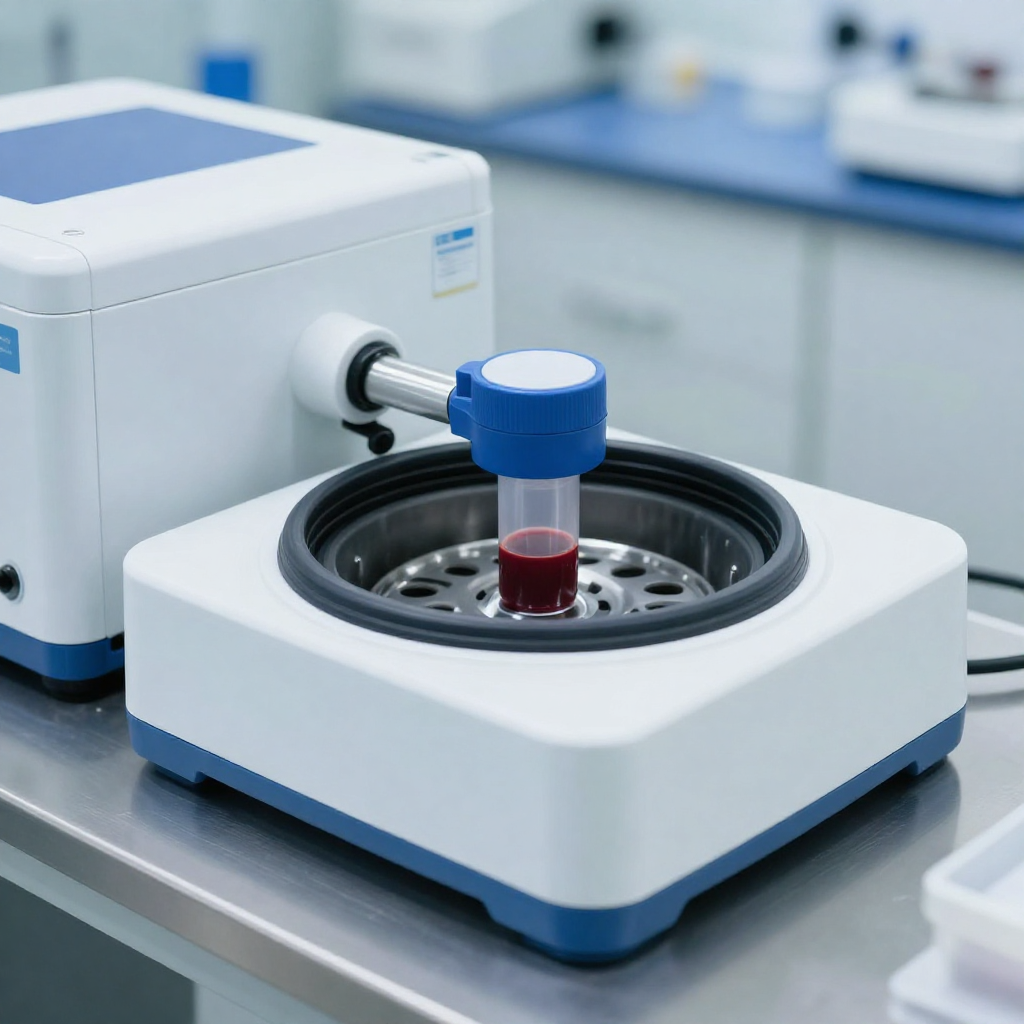
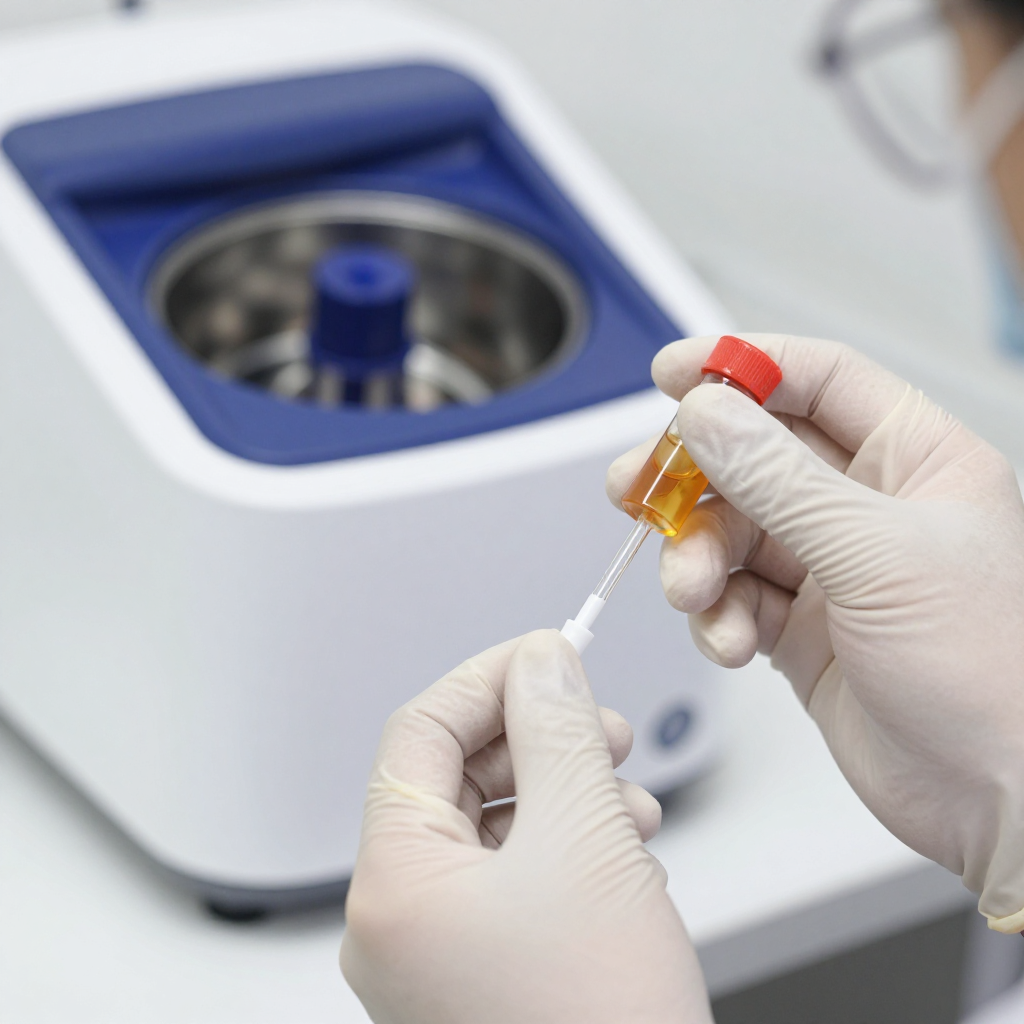
Platelet-rich plasma (PRP) therapy represents one of the most clinically investigated non-surgical treatment for erectile dysfunction in London and across the UK. PRP is derived from the patient’s own blood. It is centrifuged to concentrate growth factors including PDGF, VEGF, and TGF-β, which are then injected into the corpus cavernosum of the penis.
These growth factors support angiogenesis, neuroregeneration, and smooth muscle cell proliferation — mechanisms that exercise cannot replicate once structural deterioration has occurred.
This approach forms the basis of what is clinically referred to as the P shot — or Priapus shot — a penile injection growth therapy using autologous PRP.
What Is the P Shot?
The P shot London clinics offer is a minimally invasive, non-surgical procedure. It involves the extraction of the patient’s blood, centrifugation to produce PRP, and precise injection into specific penile regions under topical anaesthesia.
The term “Priapus shot” was coined by Dr Charles Runels in the United States. Since its introduction, PRP-based penile therapy — sometimes called a penis shot or p injection — has gained traction as a regenerative treatment for male health in the UK, supported by emerging peer-reviewed literature.
A 2021 systematic review published in Sexual Medicine Reviews (Comerford et al.) found promising results for PRP in improving erectile function, penile sensitivity, and patient-reported outcomes, though the authors noted the need for larger randomised trials.
P Shot Before and After: What Clinical Evidence Suggests
**P shot before and after data from published studies suggests improvements in IIEF scores, increased sensitivity, and in some cases modest improvements in penile dimensions.** However, outcomes vary significantly based on patient health, severity of ED, and treatment protocol.
P-shot before and after results should be interpreted with realistic expectations. The treatment is not a substitute for addressing underlying metabolic risk factors. It is most effective as part of a broader clinical strategy that includes lifestyle optimisation.
Understanding Priapus Shot Price and Accessibility
Priapus shot price in the UK varies between clinics based on protocol, clinician experience, and the centrifugation technology used. The male enlargement injections cost UK patients typically between £800 and £2,000 per session. Multiple sessions may be recommended depending on clinical indication.
As a P shot UK treatment, it remains outside NHS provision and is available only through accredited private practitioners. Patients should verify that their practitioner holds appropriate medical qualifications and professional indemnity insurance.
Combining Exercise With Clinical Treatment: A Synergistic Approach
The most effective outcomes in ED management are achieved by combining lifestyle optimisation with evidence-based clinical intervention. Exercise improves the vascular and hormonal environment, while advanced PRP solution for erectile dysfunction targets tissue-level regeneration.
A structured approach should include:
- Aerobic exercise: 150 minutes per week minimum, as recommended by NHS guidelines
- Pelvic floor training: Three sessions per week under physiotherapy guidance
- Resistance training: Two to three sessions per week, focusing on compound movements
- Dietary optimisation: Mediterranean-style diet — associated with improved endothelial function in peer-reviewed research (Esposito et al., JAMA, 2004)
- Clinical assessment: Hormonal profiling, cardiovascular risk evaluation, and consideration of regenerative treatment where indicated
**PRP-based regenerative therapy for ED works most effectively when the patient’s underlying vascular and systemic health is optimised.** Exercise is not optional in this context — it is part of the clinical strategy.
Clinical Considerations and Patient Selection
Who Benefits Most From Exercise Interventions
Exercise produces the most significant ED improvement in men with:
- Mild-to-moderate vasculogenic ED
- Obesity or metabolic syndrome
- Sedentary lifestyle as a primary risk factor
- Mild-to-moderate anxiety-related ED
Who May Require Additional Intervention
Men who are likely to require clinical intervention beyond exercise alone include those with:
- Severe or long-standing ED unresponsive to PDE5 inhibitors
- Post-prostatectomy or post-radiotherapy ED
- Confirmed penile fibrosis or Peyronie’s disease
- Advanced diabetic vasculopathy
For men’s intimate health treatment in London, a full clinical assessment is essential before selecting any treatment pathway. Pshots clinic uk, led by Dr Syed Nadeem Abbas (MBBS, MRCS RCS Edinburgh, MRCGP, MSc Aesthetic Plastic Surgery with Distinction — Queen Mary University London), offers evidence-based consultation for men exploring non-surgical options including PRP therapy for men’s performance issues.
Frequently Asked Questions (FAQs)
Can exercise alone cure erectile dysfunction?
In men with mild vasculogenic or lifestyle-related ED, structured aerobic and pelvic floor exercise can produce significant improvements. However, exercise alone does not reverse established structural penile tissue damage. Men with moderate-to-severe ED, or those who have not responded to lifestyle change and PDE5 inhibitors, may require clinical intervention.
How long does it take for exercise to improve ED?
Clinical trials suggest meaningful improvements in erectile function appear after three to six months of consistent aerobic exercise. Pelvic floor training shows results within three months in suitable candidates. Consistency and appropriate exercise intensity are critical.
Is the P shot a medically recognised treatment?
The P shot — or Priapus shot — is a PRP-based regenerative procedure. It is not yet NICE-approved as a standard treatment for ED. However, it is supported by emerging peer-reviewed evidence and is offered by qualified medical practitioners in the UK as a non-surgical, autologous option for appropriate patients.
What is the difference between the P shot and penile injections for ED?
Conventional penile injections for ED — such as alprostadil — are vasoactive agents that produce a temporary erection by directly dilating blood vessels. The P shot uses the patient’s own platelet-rich plasma to stimulate tissue regeneration over time. It is not a treatment for producing an immediate erection; it targets the underlying tissue health.
Is natural ED treatment using PRP therapy safe?
PRP therapy is considered low-risk because it uses the patient’s own blood components, eliminating the risk of allergic reaction or rejection. Side effects are typically minor and localised — including temporary swelling or bruising at the injection site. The procedure should only be carried out by a qualified medical practitioner in a clinical setting.
How much does the P shot cost in the UK?
Priapus shot price varies by clinic and treatment protocol. In the UK, patients can expect to pay approximately £800 to £2,000 per session. Patients should request a full breakdown of what is included — consultation, centrifugation, follow-up — and verify the practitioner’s credentials before proceeding.
Does exercise improve the outcomes of P shot treatment?
There is a logical and physiological basis to suggest that exercise enhances PRP outcomes by improving baseline vascular health, hormonal status, and tissue oxygenation. Clinicians generally recommend patients adopt a structured exercise programme alongside any regenerative treatment for optimal results.
Conclusion
The evidence is unambiguous: physical fitness is a clinical variable in erectile function, not merely a lifestyle preference. Aerobic exercise, pelvic floor training, and resistance work produce measurable improvements in vascular health, hormonal balance, and penile tissue perfusion — all of which are directly relevant to erectile function.
However, exercise is not universally sufficient. For men with established structural ED, pharmacological resistance, or post-surgical complications, advanced PRP solution for erectile dysfunction offers a credible, evidence-informed, non-surgical pathway. The P shot London patients seek is not a shortcut. It is a tissue-level regenerative intervention that works best when combined with the physiological foundation that exercise provides.
Informed decision-making requires understanding both what exercise can achieve and where its limits lie. Men should seek a thorough clinical evaluation — including cardiovascular, hormonal, and urological assessment — before selecting any treatment pathway.
The question worth considering is this: if the same vascular and hormonal mechanisms that govern heart health also govern sexual health, at what point does erectile dysfunction cease to be a personal issue — and become a clinical early warning signal that deserves serious medical attention?
메타데이터
- post_id
- bcdb2cbe3c0a
- slug
- exercise-and-ed-how-physical-fitness-affects-sexual-performance-bcdb2cbe3c0a
- url
- https://medium.com/@bmac.drsnaclinic/exercise-and-ed-how-physical-fitness-affects-sexual-performance-bcdb2cbe3c0a
- canonical_url
- https://medium.com/@bmac.drsnaclinic/exercise-and-ed-how-physical-fitness-affects-sexual-performance-bcdb2cbe3c0a
- author_url
- https://medium.com/@bmac.drsnaclinic
- status
- ok
- fetched_at
- 2026-07-13 06:23:13