The Rediscovery of Osibisa.
And Hello to Afro Prog
The Rediscovery of Osibisa.
And Hello to Afro Prog

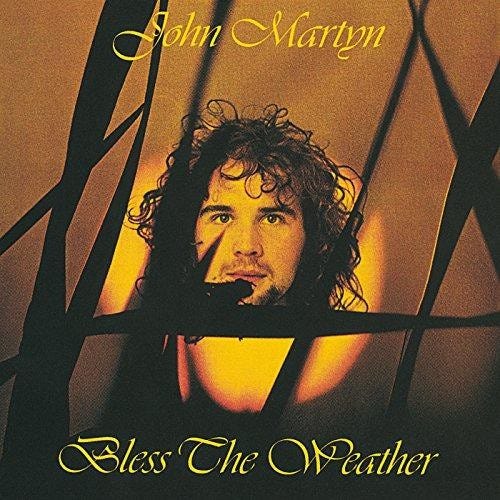
Debut album sleeve. Illustrated by Roger Dean, of course.
Watching Prog at the Proms the other day on BBC iPlayer, a name came up which is a blast from the past, circa 1970s. I remember Osibisa as a name from my misty youth and a volunteer project leader pounding out one of their crazy rhythms on the steering wheel as we hit spaghetti junction again, the fourth time in one hour. Oh, happy days.
I remember the name as being very hip and well respected. But that’s it. I never had any of their albums, I never got to know their music, other than from the distinctly secondhand caterwauling from the fantastically hirsute project leader.
So after the prog-prom memory jogger I decided to rectify half a century of neglect. I bought a cd of their first two albums. The eponymously titled debut album plus the follow up, Woyaya, both released in 1971.
The band’s African name was said to mean ‘criss-cross rhythms that explode with happiness.’ As good as any description of this bands overall sound. At least that was according to the original sleeve notes. The name is actually derived from osibisaba, the Ghana (Fante dialect) word for highlife.
Prog has often been maligned as bloated, pretentious and elitist. Mostly unfairly, in my opinion. Yet the image has often persisted of bands raised from fancy boarding schools in the heart of leafy England, nurturing obscure lyrics honed from a classical education, or Tolkien inspired, and very far removed from the sleazy back alleys of rock n roll’s inception (no sex, please, we’re British). Their music and background, ensured Osibisa could stand clear of such stereotypes while maintaining their prog credentials.
In the late sixties and early seventies, the rock world was already embracing the complex rhythms, melodies and instrumentations from the Indian subcontinent. And the sounds and energy of Africa were also percolating beneath the surface of an exploding music scene. Brian Jones, and some of his Rolling Stones compatriots, had sojourned in North Africa, to record the ‘Mountain Men,’ and the later release, The Pipes of Pan at Joujouka. Bands like The Incredible String Band were influenced by their own English and Scottish roots, yet blended non Western sounds from Morocco, India and the Middle East, all served up on the aesthetic bedrock of the psychedelic counterculture.
The counterculture had leaned towards the African continent for many years before that, fuelling subversive elements of opiate-fevered creativity. When not prowling the alleys and souks in search of some alternative enlightenment, William Burroughs wrote The Naked Lunch in Room 9 of the Hotel El Muniria in Tangier.
Other music of African origins came in 1969 with ‘Miss Luba’ by Les Troubadours Du Roi Baudouin, reaching a thirties position in the UK singles charts, and was part of the soundtrack to Lindsay Anderson’s influential, surreal movie, If. Two years later Burundi Black by Burundi Stephenson Black took their heavily rhythmic sound into the UK charts, and later to be recycled by Adam and the Ants.
The Western world was ready and waiting for a band like Osibisa. They were comprised of three London-based musicians from the Caribbean and four expatriates from Ghana, West Africa. Between them, the seven band members played, saxophone, flute, trumpets, horn, keyboards, guitars, bass, and virtually all members contributed to the percussive duties, resulting in the incessant polyrhythms that punctuate their music.
An evening listening to Osibisa was counter to some of the introspective, joss burning, navel gazing that pervaded much of the music of that time. Osibisa was sweat drenched, high energy, get-on-your-feet-and-dance stuff. Their hypnotic rhythms and joyful, exuberant playing were celebrations of life. Playing their debut today, it still has that high octane energy and gives that immediate good to be alive feeling. The pulsating rhythmic patterns are infectious and wonderfully engaging. It conjures instant reminders of Chicago’s first two albums, plus percussive echoes of Santana.
Despite an oeuvre of great albums, Osibisa’s place in the sun was relatively brief. By the mid seventies the fickle music scene had turned its face towards more rootsy music, as championed by the cool-dude reggae of Bob Marley and the Wailers.
Osibisa continued playing to their muse, sound-shifting through various changes in line-ups, while still attracting a faithful following. Good music defies the vagaries of fashion and forever shifting focus of the contemporary music scene. Good music will always be found, right up today and the band’s rediscovery by this author.
If you like my work and wish to support it, you can buy me a coffee — here. Please sign-up for my weekly newsletter. It’s free, of course, and you won’t regret it. You can sign-up to receive an email so you’ll never miss out whenever I publish on Medium. Yes, I know, the excitement is too much to bear — according to the woollen eyed (of thinner thread), furry animal that sits by my bed.
메타데이터
- post_id
- bd1deeac119f
- slug
- the-rediscovery-of-osibisa-bd1deeac119f
- url
- https://medium.com/the-album-cafe/the-rediscovery-of-osibisa-bd1deeac119f
- canonical_url
- https://medium.com/the-album-cafe/the-rediscovery-of-osibisa-bd1deeac119f
- author_url
- https://medium.com/@nigelleaney
- status
- ok
- fetched_at
- 2026-08-27 00:25:59