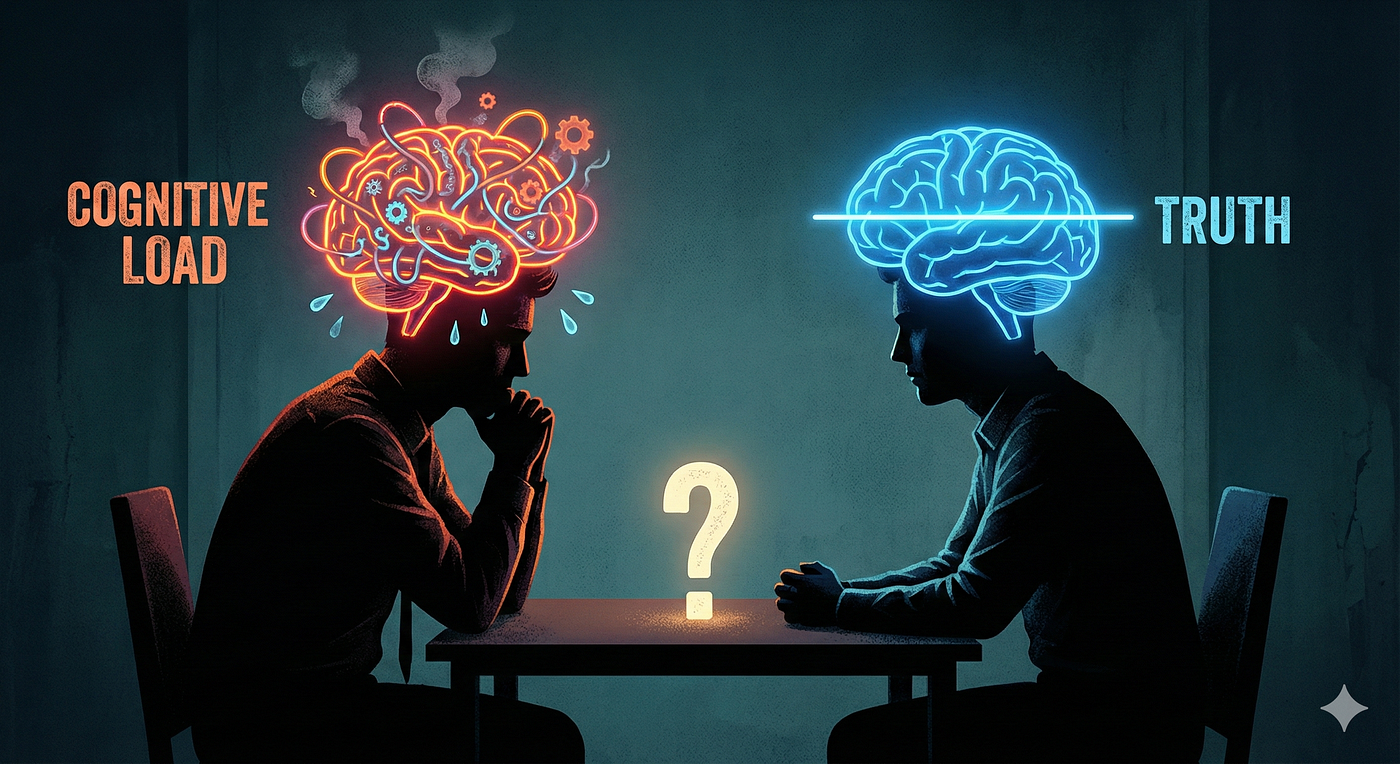
Why You Feel Guilty for Saying No
Why You Feel Guilty for Saying No
Why You Feel Guilty for Saying No
Why You Feel Guilty for Saying No
You can care about people without being available to everyone.

Someone asks you for a favor.
You already know you don’t want to do it.
You’re tired.
You have your own things to finish.
Maybe you simply don’t have the energy.
You think about saying no.
The word is right there.
No.
But then you imagine their reaction.
Will they think I’m rude?
Will they be disappointed?
What if they need me?
What if they stop asking me?
And somehow, before you’ve even made a decision, you hear yourself saying:
“Sure, I can do it.”
The conversation ends.
You put your phone down.
And almost immediately, you regret it.
Not because you don’t care about the person.
You do.
That’s the problem.
You care so much about how they feel that you forget to ask how you feel.
And then comes the guilt.
Why Does Saying No Feel So Much Harder Than Saying Yes?
Yes is easy.
Yes keeps the conversation comfortable.
Yes means nobody is disappointed.
Yes means you don’t have to explain yourself.
Yes lets you walk away feeling like the helpful, kind, reliable person you want to be.
No is different.
No creates a little space between you and another person.
And if you’re used to keeping everyone comfortable, that little space can feel enormous.
You might start wondering if you’ve done something wrong.
Maybe you explain yourself.
Then explain it again.
Then add an apology.
Then offer an alternative.
Then, an hour later, you wonder whether you should just have said yes.
This is where saying no becomes exhausting.
You’re not only saying no to the request.
You’re trying to survive the feeling that comes after it.
Maybe You’re Not Afraid of Saying No
Maybe you’re afraid of what happens after you say it.
This is the part people often miss.
You may not actually be uncomfortable with the word no.
You may be uncomfortable with someone else’s disappointment.
You may be afraid they’ll think you’re selfish.
Or difficult.
Or unreliable.
Or less caring than they thought.
So you say yes not because you want to, but because their approval feels easier to carry than your own discomfort.
For some people, this becomes a pattern.
You say yes.
You feel temporary relief.
Then you become tired, resentful, overwhelmed, or frustrated.
Then someone asks again.
And you say yes again.
Not because you’ve suddenly gained more energy.
But because saying no still feels harder.
The cycle continues.
And eventually, you start wondering:
When did being a good person become so exhausting?
Being Kind and Being Available Are Not the Same Thing
This took me a long time to understand.
You can be a kind person and still say no.
You can love someone and not answer their call immediately.
You can care about a friend and not have the energy to meet them tonight.
You can respect your family and still disagree with them.
You can be helpful without being endlessly available.
These things can exist together.
We sometimes treat kindness as if it means constantly making ourselves available.
But real kindness isn’t supposed to require you to disappear from your own life.
You don’t have to be useful every minute to be valuable.
And you don’t have to say yes to prove that you care.
The Guilt Doesn’t Always Mean You Did Something Wrong
This is probably the hardest part to believe.
You say no.
The other person seems disappointed.
And suddenly you feel guilty.
So your mind connects the two:
They are disappointed → I caused it → I did something wrong.
But those aren’t necessarily the same thing.
Someone can be disappointed by your answer without you having done anything wrong.
Someone can wish you’d said yes.
They can be surprised.
They can even be annoyed.
And you can still have made a reasonable decision.
Their feelings are real.
But they aren’t automatically your responsibility to fix.
That doesn’t mean we should stop caring about other people’s feelings.
It means we need to learn the difference between considering someone’s feelings and taking responsibility for controlling them.
Those are two very different things.
Sometimes Guilt Is Just the Feeling of Doing Something Unfamiliar
Imagine you’ve spent years being the person who says:
“It’s okay.”
“Don’t worry about me.”
“I’ll manage.”
“Sure, I’ll come.”
“Yes, I can help.”
“No problem.”
People begin to know you that way.
You’re dependable.
You’re flexible.
You’re easy to ask.
Then one day, you say:
“I’m sorry, I can’t.”
Nothing terrible happens.
But inside, something feels wrong.
You might think:
That sounded selfish.
I should have helped.
Maybe I should message them again.
Maybe I should explain.
That discomfort can make you believe your boundary was wrong.
But sometimes the discomfort is simply telling you:
“This is new.”
Not:
“This is wrong.”
You Don’t Have to Explain Every No
This is where people-pleasing can quietly show up.
You say no.
Then you feel the need to build a legal case for it.
I would, but I’m really busy because…
I’m sorry, I know I said I could, but…
I hope you don’t mind…
It’s just that…
You give five reasons for a decision that only required one sentence.
Sometimes you don’t need a perfect reason.
Sometimes:
“I won’t be able to make it this time.”
is enough.
Or:
“I can’t take that on right now.”
Or simply:
“No, I won’t be able to.”
You don’t have to make your boundary so convincing that nobody can possibly disagree with it.
A boundary isn’t a courtroom argument.
It’s information.
What If They Think You’re Selfish?
This is where things get uncomfortable.
Because sometimes, they might.
Someone who benefited from you always saying yes may not love the new version of you who says no.
And that’s okay.
Not everyone will understand every boundary you set.
Not everyone will be happy about it.
But ask yourself something:
Do you want to be loved only when you’re easy to accommodate?
Because there is a difference between being loved for who you are and being appreciated for how convenient you are.
If someone only feels close to you when you’re constantly available, constantly helping, constantly agreeing, that’s worth noticing.
Healthy relationships have room for two people to have needs.
Not just one person giving and the other person receiving.
The Real Problem Isn’t Always Saying No
Sometimes the deeper problem is that you don’t know what yes means anymore.
You say yes because you’re afraid of saying no.
You say yes because you don’t want anyone upset.
You say yes because you’re worried about being judged.
You say yes because you’ve always said yes.
Eventually, you stop checking in with yourself.
Do I actually want to go?
Do I have the energy?
Do I have the time?
Is this something I genuinely care about?
Or am I just trying to avoid the uncomfortable feeling of disappointing someone?
That last question can change a lot.
Because sometimes the problem isn’t that you have too many responsibilities.
It’s that too many of your decisions are being made by guilt.
Try Pausing Before You Answer
You don’t have to become someone who suddenly says no to everything.
Start much smaller.
The next time someone asks you for something, don’t answer immediately.
You can say:
“Let me check and get back to you.”
That’s it.
Give yourself a little space.
Because when you answer immediately, you may be answering from reflex.
When you pause, you give yourself a chance to answer from choice.
Then ask yourself:
Do I want to do this?
Do I have the capacity to do this?
Am I saying yes because I genuinely want to or because I feel guilty saying no?
And there’s one question I especially want you to remember:
If I knew they wouldn’t be disappointed, would I still say yes?
Sometimes the answer tells you everything.
You Are Allowed to Disappoint People
This sounds harsh.
It isn’t meant to be.
You will disappoint people sometimes.
Everyone does.
Your parents.
Your friends.
Your partner.
Your colleagues.
People you love.
And people you barely know.
Sometimes you’ll disappoint them because you made a mistake.
Sometimes because you couldn’t help.
Sometimes because you chose something else.
Sometimes because you simply said no.
Being a good person doesn’t mean becoming impossible to disappoint.
It means learning how to be honest without being cruel.
It means respecting other people without abandoning yourself.
And sometimes it means allowing someone to feel disappointed without rushing in to make the feeling disappear.
The First Few Nos Might Feel Terrible
Don’t expect yourself to become completely comfortable overnight.
Your first no might come with guilt.
Your second might too.
You might send a message and stare at your phone afterward.
You might wonder whether they are upset.
You might feel the urge to send another message explaining yourself.
That’s okay.
You don’t have to make the guilt disappear before you are allowed to keep your boundary.
You can feel guilty and still leave the boundary where it is.
That’s an important distinction.
You don’t have to obey every uncomfortable feeling.
Sometimes you can simply notice it.
I’m feeling guilty.
And then:
But I still mean what I said.
Ask Yourself What Your “Yes” Is Costing You
This is something we rarely consider.
We talk a lot about the consequences of saying no.
But what about the consequences of always saying yes?
The evening you wanted to spend resting.
The weekend you needed for yourself.
The project you didn’t have time for.
The sleep you lost.
The resentment you felt.
The plans you cancelled.
The energy you didn’t have left for the people you actually wanted to be with.
Every yes has a cost.
Sometimes it’s worth paying.
Sometimes it isn’t.
The goal isn’t to say no more often.
The goal is to make your yes mean something again.
When you say yes because you genuinely want to, it feels different.
There’s no resentment hiding underneath it.
No quiet calculation.
No feeling that you abandoned yourself.
Just a real yes.
You Can Care About Someone and Still Have a Boundary
Maybe this is what you need to hear most.
You can love your friend and say no.
You can love your family and say no.
You can respect your colleague and say no.
You can care deeply about someone and still protect your time, energy, money, privacy, and peace.
A boundary doesn’t automatically mean distance.
Sometimes it creates healthier closeness.
Because when you stop saying yes to everything, the yeses you give become more honest.
And when people know that your yes is genuine, they don’t have to wonder whether you’re secretly exhausted or resentful.
You aren’t pretending anymore.
You’re actually showing up.
What If Saying No Changes the Relationship?
Sometimes it will.
And that’s a difficult truth.
Maybe someone gets used to the version of you who always agrees.
Maybe they don’t like the change.
Maybe they pull away.
That can hurt.
But there is something worth asking:
Was the relationship built around you being honest or around you being convenient?
You don’t need to assume the worst.
Most relationships can survive a reasonable boundary.
But if one small no completely changes how someone treats you, that tells you something worth knowing.
Not necessarily that they’re a bad person.
Not necessarily that the relationship has to end.
Just that the relationship may have depended on a version of you who gave more than they could comfortably give.
And now you’re learning something different.
Maybe You Don’t Need to Become Less Caring
You may have spent years thinking:
I need thicker skin.
I need to stop caring so much.
I need to become more selfish.
Maybe you don’t.
Maybe you just need to stop confusing care with self-abandonment.
You can still be thoughtful.
You can still help people.
You can still show up.
You can still be generous.
You can still be the person your friends call when they need you.
You just don’t have to be available every time.
Being a caring person doesn’t require unlimited access to you.
The Next Time You Want to Say No
Pause.
Don’t immediately explain.
Don’t apologize for existing.
Don’t invent five reasons.
Just take a breath.
Ask yourself:
Do I actually want this?
Do I have the capacity for it?
Am I saying yes because I care or because I’m afraid?
And if the answer is no, try saying it simply.
“I can’t this time.”
“I’m not able to take that on.”
“I won’t be able to make it.”
“No, but thank you for asking.”
Then let the silence exist.
You don’t have to rush in and fill it.
You don’t have to rescue the other person from the possibility of being disappointed.
And you don’t have to rescue yourself from the guilt either.
Let it be there.
Let it pass.
Because eventually, something interesting happens.
You say no.
The world doesn’t end.
The relationship survives.
The person moves on.
And you realize:
I can disappoint someone and still be a good person.
You Don’t Have to Earn Your Place in People’s Lives
You don’t have to be endlessly helpful to deserve love.
You don’t have to say yes to deserve friendship.
You don’t have to make yourself available to deserve respect.
And you don’t have to keep everyone happy to prove that you’re a good person.
Some people will like your boundaries.
Some won’t.
Some will need time to adjust.
That’s life.
But the goal was never to become someone who never disappoints anyone.
That’s impossible.
The goal is to become someone who can be honest about what they can give.
Someone who can say yes without resentment.
Someone who can say no without believing they’re cruel.
Someone who can care for other people without constantly leaving themselves out of the equation.
So the next time you feel that familiar guilt after saying no, pause before you take it back.
Ask yourself:
Did I actually do something wrong?
Or did I simply do something unfamiliar?
Because sometimes guilt isn’t telling you that your boundary is wrong.
Sometimes it’s just telling you that you’re learning to have one.
And maybe that’s okay.
You can care about people deeply without saying yes to everything.
You can be kind without being endlessly available.
And sometimes, the kindest thing you can finally say to yourself is:
“No. I can’t do that this time.”
And mean it.
메타데이터
- post_id
- bd29ce858fa0
- slug
- why-you-feel-guilty-for-saying-no-bd29ce858fa0
- url
- https://medium.com/@tanvishuklawrites/why-you-feel-guilty-for-saying-no-bd29ce858fa0
- canonical_url
- https://medium.com/@tanvishuklawrites/why-you-feel-guilty-for-saying-no-bd29ce858fa0
- author_url
- https://medium.com/@tanvishuklawrites
- status
- ok
- fetched_at
- 2026-10-03 00:48:42