The Hidden UX: How Your Brain is Being Guided Without You Knowing
Why did I click that? 🤷🏻♀️
The Hidden UX: How Your Brain is Being Guided Without You Knowing
Why did I click that? 🤷🏻♀️
You don’t even remember making the decision, but your thumb already tapped ‘Like.’ You order the same coffee every day, never questioning why.

You reach for your phone first thing in the morning without thinking. Is it just habit? Or is something deeper at play?

You instinctively move away from something that looks dangerous, even before analyzing it. Why????
Welcome to the world of the subconscious mind — an unseen force shaping our choices, from the way we interact with technology to the brands we love.
The Subconscious: The Silent Architect of Behavior
Psychology tells us that the mind operates on three levels:
- Conscious Mind — What we actively think about.
- Preconscious Mind — Memories and thoughts accessible with effort.
- Unconscious Mind — Deeply buried instincts and desires that influence behavior.
But right between the conscious and unconscious sits the subconscious mind, the master of autopilot. It stores experiences, habits, and learned behaviors, subtly guiding our actions without us realizing it.
Think about driving home on a familiar route. You don’t analyze every turn — you just arrive. That’s your subconscious at work. It’s also the reason you instinctively avoid a sketchy alleyway, feel uneasy about a particular website, or tap a button without conscious thought.
And in the world of user experience (UX), this hidden decision-maker plays a massive role.
The Subconscious in UX Design: How Your Mind is Being Influenced
1. The ‘Like’ Button — A Habit, Not a Decision
Ever noticed how you don’t think before liking a post? Social media platforms design it that way. The color (blue, red, heart icon), placement (bottom-right for thumb reach), and visual feedback (animation, sound) all tap into your subconscious, making the action effortless and habitual. The result? You engage more, without realizing why.
2. Familiarity Bias — Why You Feel ‘At Home’ on Certain Websites
Ever felt instantly comfortable on a new app? That’s Jakob’s Law in action — users prefer designs that feel familiar. Whether it’s a hamburger menu on mobile or an ‘X’ button to close a window, your subconscious craves predictability, and good UX designers use this to create frictionless experiences.
3. Color Psychology — The Silent Mood Setter
Colors aren’t just visual — they evoke emotions. Blue (trust) makes you feel safe, which is why Facebook and PayPal use it. Red (urgency) compels action, perfect for “SALE” buttons. Yellow (happiness) stimulates appetite — cue McDonald’s golden arches.
4. Cognitive Load Reduction — The Less You Think, The More You Do
Auto-suggestions, one-click checkouts, and seamless autofill features reduce mental effort. Ever typed a few letters into Google and clicked the first suggested search? That’s your brain taking the easiest route — because the subconscious loves shortcuts.
5. Emotional Triggers — Why Micro-Interactions Hook You
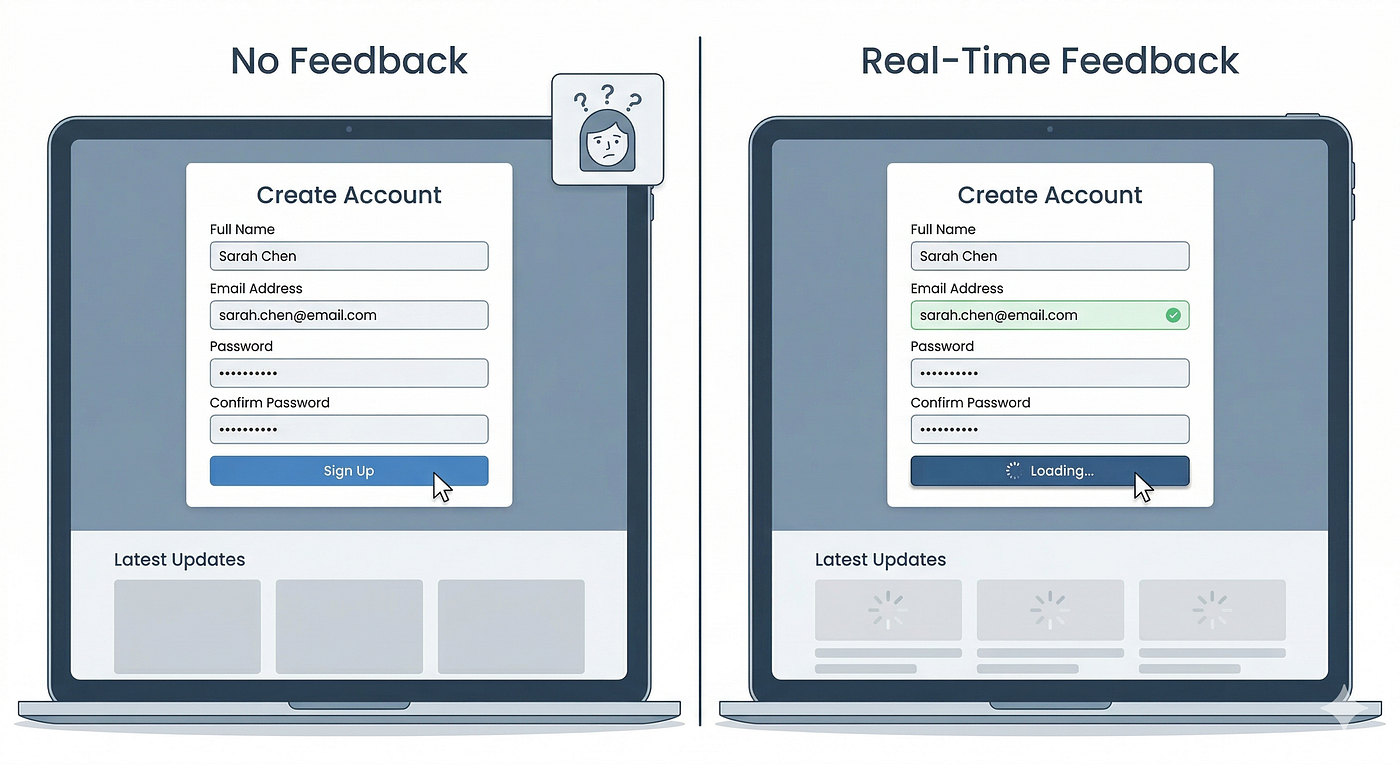
The tiny vibration when you like a post, the smooth animation of a page loading — these aren’t just aesthetics. They subconsciously reassure you that the system is working, building trust without a single thought.
How Brands Tap Into Your Subconscious

Resource: https://www.nj.com/
1. McDonald’s: Sensation Transference & Hidden Surprise Effect
Sensation Transference
✔ Golden Arches & Colors — Red = Hunger, Yellow = Happiness → Instantly triggers cravings. ✔ Consistent Branding — Every McD’s looks and feels the same → Feels familiar, making you return.
Hidden Surprise Effect (Hot Chocolate Cups)
✔ Secret Design Inside — A fun surprise appears as you drink. ✔ Dopamine Hit — Unexpected rewards trigger instant joy. ✔ Encourages Completion — You finish faster → Buy again sooner. ✔ Emotional Branding — That tiny burst of happiness sticks, making McD’s feel like comfort.
📌 Subconscious Gain: McD’s doesn’t just sell food — it programs your brain to crave the experience itself.
2. Domino’s: Dark Patterns That Make You Spend More
✔ Sneaky Add-ons — Default settings auto-select extra cheese & premium toppings → You pay more without noticing. ✔ Confusing UI — “Best Value” deals aren’t the cheapest, but the layout makes you think they are. ✔ Scarcity Tactics — “Limited-time offers” create urgency → You panic-order and overspend.
📌 Subconscious Gain: You think you’re saving money, but Domino’s tricks you into spending more every time.
3. Google: Training Your Brain to Depend on It
✔ Instant Gratification — The easier the search, the lazier your memory becomes. ✔ Autocomplete Suggestions — Google nudges your thoughts before you even finish typing. ✔ Infinite Knowledge Illusion — You feel smarter just because answers are instant, but you retain less info.
📌 Subconscious Gain: Google makes itself indispensable, rewiring your brain to reach for it automatically.

Resource: https://www.journapost.co
4. Instagram: The Dopamine Trap You Can’t Escape
✔ Infinite Scrolling — No stopping point = No sense of time → You keep going. ✔ Variable Rewards — Unpredictable content releases dopamine → Your brain craves more. ✔ Push Notifications — Timed to lure you back just when you’re about to leave.
📌 Subconscious Gain: You don’t realize how much time you’ve lost — because Instagram was designed to keep you hooked.
Final Thoughts: Are We in Control?
The subconscious mind is an invisible force, shaping how we think, feel, and interact with the world. UX designers, marketers, and tech giants understand this — and they use it to their advantage.
Next time you instinctively tap, scroll, or buy, pause for a moment. Ask yourself — was this truly my decision? Or was it my subconscious leading the way?
Perhaps, the greatest UX trick isn’t in how apps are designed — but in making us believe we’re always in control.
메타데이터
- post_id
- bd2d66716f6f
- slug
- the-hidden-ux-how-your-brain-is-being-guided-without-you-knowing-bd2d66716f6f
- url
- https://medium.com/@reetuparnadas.nift/the-hidden-ux-how-your-brain-is-being-guided-without-you-knowing-bd2d66716f6f
- canonical_url
- https://medium.com/@reetuparnadas.nift/the-hidden-ux-how-your-brain-is-being-guided-without-you-knowing-bd2d66716f6f
- author_url
- https://medium.com/@reetuparnadas.nift
- status
- ok
- fetched_at
- 2026-08-06 13:52:18