The Specific Anxiety of Getting Dressed for Someone Else’s Milestone
Other people’s weddings, birthdays, and celebrations where you are supporting cast and your clothes need to know it.
The Specific Anxiety of Getting Dressed for Someone Else’s Milestone
Other people’s weddings, birthdays, and celebrations where you are supporting cast and your clothes need to know it.
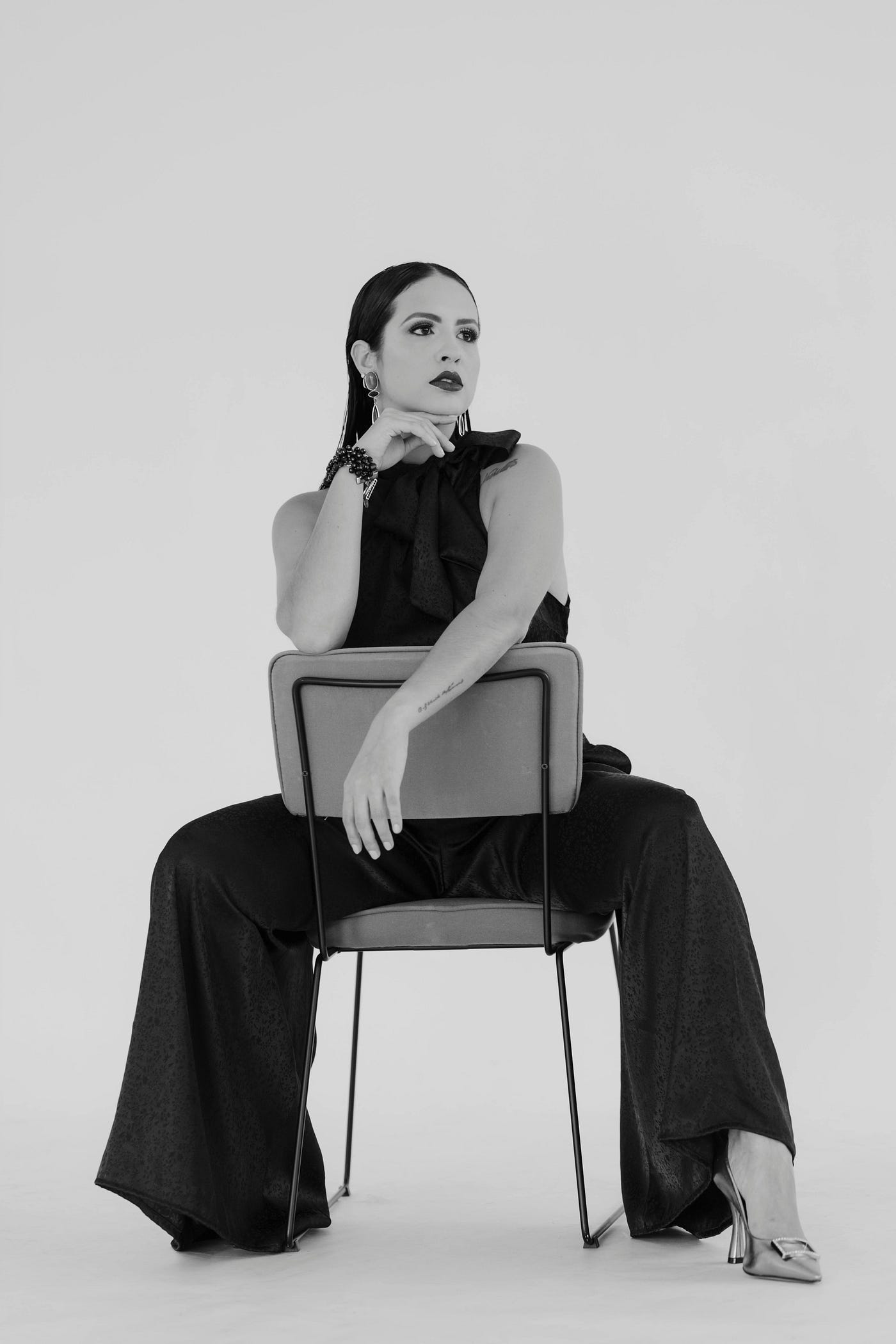
Photo by Ksenia Obukhova on Unsplash
My friend Kate got married last June and I spent a month thinking about what to wear to her wedding in a way that was disproportionate to the actual complexity of the decision but completely in proportion to what I now understand is a specific and widely shared category of dressing anxiety: the milestone event where your job is to look right in a way that serves the occasion rather than yourself.
The rules of wedding guest dressing, as most people understand them, are: don’t wear white, don’t wear black unless specified, match the formality of the event, and don’t outshine the couple. The first three are practical guidelines with some flexibility. The fourth is the one that makes the whole thing interesting, because outshining is a sliding scale that is different for every wedding and requires you to know things about the couple, the venue, the guest list composition, and the couple’s particular sensitivities that are not stated on the invitation.
Kate is a friend who cares about clothes the way I do and who would notice what everyone wore. This made the decision harder rather than easier because it meant I needed to make a choice that was considered and that would read as considered, without the choice being about me rather than about her wedding. These two requirements are slightly in tension.
I called Sarah and described the situation in more detail than was probably necessary. She asked three questions: venue, time of day, and what Kate wears on a normal day. The answers were: converted barn in the countryside, afternoon into evening, and Kate wears colours. The analysis was quick: the barn and the afternoon meant the most restrictive formality was not required; Kate wearing colours meant that colour from guests was likely to be welcomed rather than competitive; the evening transition meant I needed something that would carry across the formality shift.
I wore a dress in a deep terracotta. Not the most dramatic option I considered. Not the safest. The specific shade was a colour I know works for me and which is warm and celebratory without being the kind of statement that asks for attention. The dress fitted without requiring adjustment. I wore it with shoes I’d worn before and broken in.
What I did not do: buy something new and untested. This is the specific failure mode of occasion dressing. The anxiety of the occasion drives a purchase of something new, the new thing has not been worn and assessed, and you spend the occasion in clothes that are slightly uncertain rather than clothes that are known. The terracotta dress had been worn. I knew exactly how it behaved.
My friend Lisa, who approached the same wedding with a different strategy, bought a new dress two weeks before and wore it around her flat for an hour each evening for three evenings before the wedding. She found a hem issue on the second evening that she had altered before the event. She arrived knowing the dress. I considered this extremely practical and slightly obsessive and then realised I do a version of the same thing when I have time.
The other people’s milestone principle, which I have refined across several years of attending other people’s significant occasions: dress in a way that would photograph well as a background character. Not the lead. The background character who is appropriately dressed for the occasion, who looks like she has thought about where she is and who it is for, and who does not require the lead characters to have any thoughts about her clothes at all.
Kate, at some point in the early evening when the photographs had been done and the dancing had started, said I looked lovely in a way that sounded like she had actually noticed rather than being polite. I thanked her and didn’t think about my clothes again until I was taking the dress off at eleven thirty.
That is the correct outcome.
메타데이터
- post_id
- bd32e6ad3f72
- slug
- the-specific-anxiety-of-getting-dressed-for-someone-elses-milestone-bd32e6ad3f72
- url
- https://medium.com/@camesawwore/the-specific-anxiety-of-getting-dressed-for-someone-elses-milestone-bd32e6ad3f72
- canonical_url
- https://medium.com/@camesawwore/the-specific-anxiety-of-getting-dressed-for-someone-elses-milestone-bd32e6ad3f72
- author_url
- https://medium.com/@camesawwore
- status
- ok
- fetched_at
- 2026-08-15 06:22:28