Form W-9 Vs. W-8BEN: A Complete Guide to Collecting the Right Info from U.S. & Foreign Payees
Many businesses need to hire a contractor. Sometimes it is for additional help in a project, building upkeep, or even catering lunch…
Form W-9 Vs. W-8BEN: A Complete Guide to Collecting the Right Info from U.S. & Foreign Payees

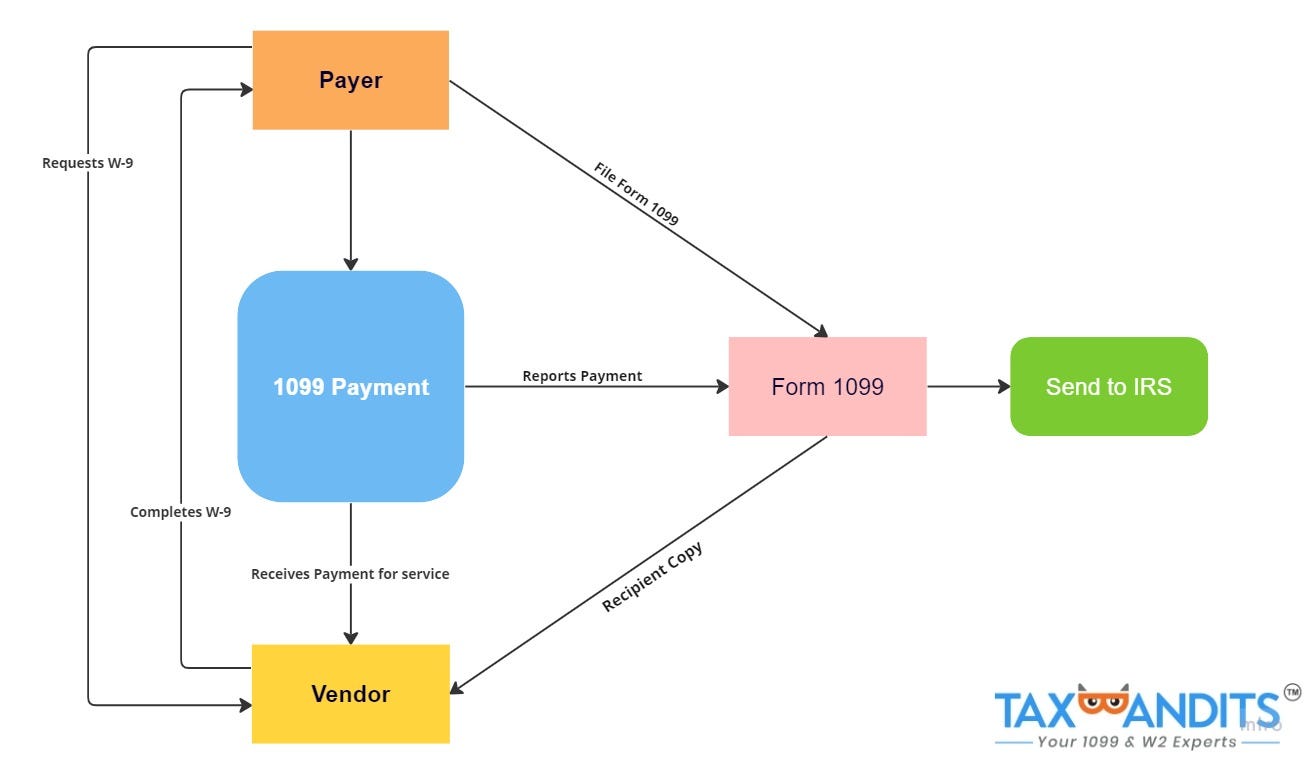
Many businesses need to hire a contractor. Sometimes it is for additional help in a project, building upkeep, or even catering lunch. Whatever their role is, contractors must fill out Form W-9 or a form in the W-8 series so that you know the correct information to report to the IRS, similarly to how U.S. employees must fill out a W-2.
Because the information is used to file year-end tax forms for them, it is essential to have all the necessary payee information to avoid form rejections and backup withholding. It is also crucial to ensure you are requesting the correct form, so let’s take a look at the differences between Forms W-9 and W-8BEN, the most common W-8 form.
W-9 vs. W-8BEN.
While both forms are used to gather information on the payee’s tax status, there are several key differences to be aware of.
Who are the forms for?
Form W-9 is for independent contractors who are U.S. citizens or residents. In contrast, the Form W-8 series gathers information on individuals (also known as beneficial owners) who are not U.S. residents or citizens but are still paid by a U.S.-based company.
Form W-8BEN, the most commonly used W-8 form, identifies payees as having a foreign status. This means a U.S. employer pays them, but they are not working in or a resident or citizen of the U.S.
While Form W-8BEN is important to know, there are a few other W-8s to be aware of:
- W-8BEN-E: Identifies an entity, such as an estate or corporation, as a foreign entity.
- W-8 ECI: Designed for foreign payees who have traded or done business with U.S. companies.
- W-8EXP: Built to identify foreign entities with a tax-exempt status, like non-profits or government agencies.
- W-8 IMY: Describes foreign entities that receive payments for someone else, such as a payroll processor.
Do they expire?
Form W-9 does not expire, so it remains valid unless the information changes, such as your name or Taxpayer Identification Number (TIN).
Form W-8BEN, however, is only valid for three years by default. If the payee does not set an extended validity on the provided information, a new form must be collected by the last day of the third calendar year after the year it was signed. For example, if a W-8BEN was signed on July 1, 2025, it remains valid through December 31, 2028, and a new one must be collected by January 1, 2029.
What about withholding?
Generally, W-9 payees are not subject to backup withholding unless there is an error in the reported information or information is missing, they have been notified by the IRS that they are required to backup withhold due to underreporting interests or dividends, or they failed to certify that they are not subject to backup withholding. If the payee matches any of these circumstances, then the backup withholding rate is 24%.
On the other hand, you typically are required to backup withhold at a rate of 30% for W-8BEN payees. However, the withholding rate may be adjusted depending on tax treaty benefits or withholding reductions that may apply.
What information do I need from the payee?
Because the W-9 and W-8BEN forms are designed for two different types of payees, the required information for each will be different. Below, we will outline the information each form requires.
W-9 payee information:
- Name and Address: Contractor’s full legal name and address.
- Business Name: The name of the contractor’s business. If this information is not applicable, it can be left blank.
- Federal Tax Classification: Select if they are considered an individual/sole proprietor, C or S corporation, partnership, trust/estate, an LLC, or if none of these apply, they can fill in the ‘other’ section.
- TIN Information: Their Social Security Number (SSN) or Employer Identification Number (EIN).
- Exemptions: The contractor can report if they have any backup withholding or Foreign Account Tax Compliance Act (FATCA) exemptions.
W-8BEN payee information:
- Name and Country: Contractor’s full legal name and country of residence.
- Addresses: Their permanent residence address and mailing address.
- TIN Information: The contractor’s Foreign Tax Identification Number (FTIN), U.S. SSN, or Individual Taxpayer Identification Number (ITIN).
- Claim of Treaty Benefits: If the contractor is a resident of a country with a tax benefit treaty, they must provide: the country of the treaty, specific article and paragraph of the treaty, withholding rate and type of income, and an explanation if necessary.
Final thoughts
There’s a lot of key information you must collect from your payees using W-9s and W-8BENs, and if you’re managing a large number of contractors, it can be a tedious process. Yet, it is still crucial to collect the correct information to prevent withholding errors, such as incorrect or missing TINs, that can lead to backup withholding and other issues. That’s why it is essential to keep information organized and up to date for a smooth filing process.
메타데이터
- post_id
- bd4bfbb7585c
- slug
- guide-to-the-correct-w-9-and-w-8ben-payee-information-bd4bfbb7585c
- url
- https://medium.com/@TaxBandits/guide-to-the-correct-w-9-and-w-8ben-payee-information-bd4bfbb7585c
- canonical_url
- https://medium.com/@TaxBandits/guide-to-the-correct-w-9-and-w-8ben-payee-information-bd4bfbb7585c
- author_url
- https://medium.com/@TaxBandits
- status
- ok
- fetched_at
- 2026-06-14 11:28:49