When to Have Cataract Eye Surgery: Signs It May Be Time to Consider Treatment
Cataracts are one of the most common eye disorders associated with aging and affect millions of individuals around the world. Although they…
When to Have Cataract Eye Surgery: Signs It May Be Time to Consider Treatment
When to Have Cataract Eye Surgery
Cataracts are one of the most common eye disorders associated with aging and affect millions of individuals around the world. Although they generally progress slowly, the changes they bring about may in the end affect everyday activities such as reading, driving, identifying faces, or pursuing hobbies. A question that is very frequently asked by people once they have been diagnosed is “When should I have cataract eye surgery?”
The reason isn’t just related to your age or the length of time you’ve had cataracts; it is instead determined by the extent of your vision loss and whether or not this loss is having an effect on your quality of life.
If you want to be in a position to make a well-informed decision and to get ready for a discussion with your eye specialist, it’s useful to know when cataract surgery is the right course of action. The following guide will outline the signs that might show it’s time to have surgery, the factors doctors take into account, and what you can expect when making your decision.
What Is a Cataract?
A cataract happens when the lens in the eye, which is natural, becomes cloudy, and as a result, light is no longer able to pass through it clearly. This clouding leads to vision becoming blurred, faded, or less sharp over time.
Most cataracts arise gradually as a result of the normal aging process, but they can also be caused by eye injuries, certain medical conditions such as diabetes, long-term use of steroids, or previous eye surgery.
At an early stage, using stronger glasses or increasing the amount of lighting might help to improve vision. Yet the cataracts keep progressing, and so these temporary measures eventually cease to be effective.
How Do You Know It’s Time for Cataract Surgery?
There is no particular moment when it becomes necessary for everyone to have cataract surgery; instead, ophthalmologists look at the impact that cataracts have on your everyday life rather than merely at how advanced they seem during an eye examination.
It might be a good idea to talk to your eye doctor about having surgery if difficulties with your vision start to make ordinary activities more difficult or less safe.
Some common signs include:
- A vision that is blurry or cloudy, which does not get better even when one gets new glasses.
- It is difficult to drive, particularly at night.
- A greater sensitivity to bright lights or glare.
- The colors appear faded or yellowish.
- You often need to change your eyeglass prescription.
- Seeing double in one eye.
- You have difficulty reading or using digital devices even if the lighting is proper.
If the symptoms start to affect your independence or self-confidence, then cataract surgery might be worth considering.
Everyday Situations That May Signal It’s Time
Most people get used to slow changes in their vision without realizing the extent to which cataracts are affecting them. You can find out if it’s time to see an eye specialist by asking yourself a few practical questions.
For example:
- Won’t you avoid driving after sunset since the headlights cause too much glare?
- Isn’t it becoming harder for you to read books, menus, or medication labels?
- Does the lighting needed for everyday activities such as cooking or sewing now have to be much brighter than it used to?
- Has anyone in your family or among your friends noticed that you have difficulty recognizing faces from a distance?
If you answered “yes” to several of these questions, it’s a good idea to schedule a consultation.
Can You Wait Too Long?
Since cataracts generally develop slowly, many people put off surgery until their vision has become much poorer. Although it is reasonable for some people with only mild symptoms to wait, it isn’t always the best idea to delay treatment for an excessive period of time.
Advanced cataracts can make the surgery more difficult from a technical point of view and may raise the chance of complications; they can also make it harder for your ophthalmologist to examine the retina and diagnose other eye conditions.
The aim is not to have the surgery as early as possible, but rather to carry it out at the right time, that is, before vision loss starts to impact your safety, your independence, or your general quality of life.
What Does Your Eye Doctor Consider?
Before suggesting surgery, your ophthalmologist will take into account a number of factors.
These typically include:
Your Current Vision
Vision tests help determine how much cataracts are affecting your eyesight. However, test results are only one part of the decision.
Daily Activities
Doctors usually ask about how your vision affects your work, hobbies, driving, reading, or household tasks. A person with only mild vision loss might still gain from having surgery if these changes affect their way of life.
Overall Eye Health
Treatment planning may also be affected by conditions such as glaucoma, diabetic retinopathy, or macular degeneration.
General Health
Your overall health and medical history will be used to decide whether you are a suitable candidate for surgery and whether any extra precautions are necessary.
What Happens During Cataract Surgery?
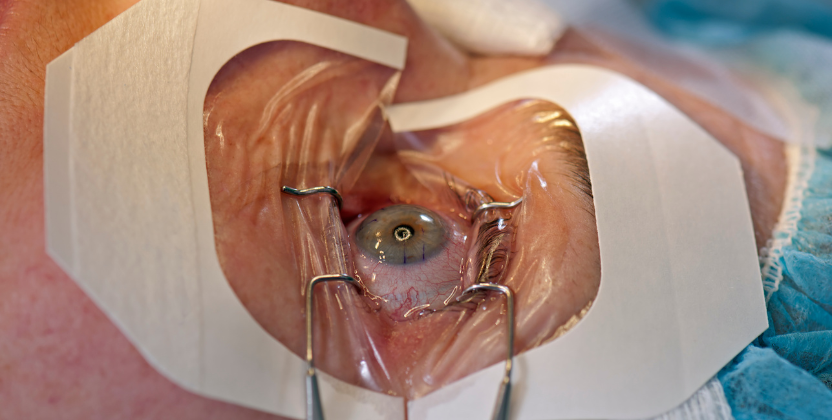
Cataract surgery is one of the most frequently performed procedures worldwide; during the operation, the cloudy natural lens is removed and replaced with a clear artificial intraocular lens (IOL).
The procedure usually lasts under an hour and is generally carried out on an outpatient basis, so that the majority of patients go home on the same day.
Many people notice clearer vision within a few days, though in some cases complete recovery may take several weeks, depending on the individual’s circumstances.
Your surgeon will give you detailed instructions about the use of eye drops, limitations on activity, and about your follow-up appointments in order to aid your recovery.
Questions to Ask Before Scheduling Surgery
Making an informed decision means understanding both the procedure and your available options. Consider asking your ophthalmologist questions such as:
- To what extent has my sight been affected by cataracts?
- Is it the case that cataracts are the primary cause of my vision problems?
- What kind of intraocular lens would be most suitable for me?
- What results can I realistically look to achieve?
- How long will recovery take?
- At what stage can I get back to work, to exercising, or to driving?
Talking openly to your doctor will help make sure that you understand the benefits, the risks, and what outcomes to expect before going ahead.
Exploring Your Treatment Options
The choice of where to have cataract surgery is another major one; some patients get the treatment near their own home, whereas others look into international possibilities so as to reach experienced specialists, avoid long waiting periods, or obtain cheaper care.
When you are thinking about having treatment in another country, you should investigate the surgeon’s qualifications, the hospital’s accreditation, the postoperative support available, and the overall cost of care, not merely the price of the procedure alone.
For patients comparing treatment options internationally, **Envoy Health** provides helpful information about cataract surgery and connects patients with experienced eye care providers. Learning about your options before making a decision can help you feel more confident throughout your treatment journey.
Conclusion
Deciding **when to have cataract eye surgery** is not about reaching a certain age or waiting until your vision becomes severely impaired. Instead, it’s about recognizing when cataracts begin affecting your daily activities, safety, and overall quality of life.
If blurry vision, glare, or difficulty performing everyday tasks is limiting your independence, scheduling a comprehensive eye examination is an important first step. An experienced ophthalmologist can evaluate your eyes, discuss your symptoms, and help determine whether surgery is the right option.
With today’s advanced surgical techniques, cataract surgery has helped millions of people improve their vision and return to the activities they enjoy. Taking the time to understand your options and seek professional guidance can help you make a confident and informed decision about your eye health.
메타데이터
- post_id
- bdbedb525e76
- slug
- when-to-have-cataract-eye-surgery-signs-it-may-be-time-to-consider-treatment-bdbedb525e76
- url
- https://medium.com/@envyhealth/when-to-have-cataract-eye-surgery-signs-it-may-be-time-to-consider-treatment-bdbedb525e76
- canonical_url
- https://medium.com/@envyhealth/when-to-have-cataract-eye-surgery-signs-it-may-be-time-to-consider-treatment-bdbedb525e76
- author_url
- https://medium.com/@envyhealth
- status
- ok
- fetched_at
- 2026-08-19 20:22:58


