Why Press Freedom and Disability Inclusion Must Be Discussed Together — Dr.
At a time when civic space is shrinking across many parts of Africa, an important question is gaining urgency: Who gets heard when freedom…
Why Press Freedom and Disability Inclusion Must Be Discussed Together — Dr. Wemakor Takes the Conversation to RightsCon 2026

At a time when civic space is shrinking across many parts of Africa, an important question is gaining urgency: Who gets heard when freedom of expression is under threat?
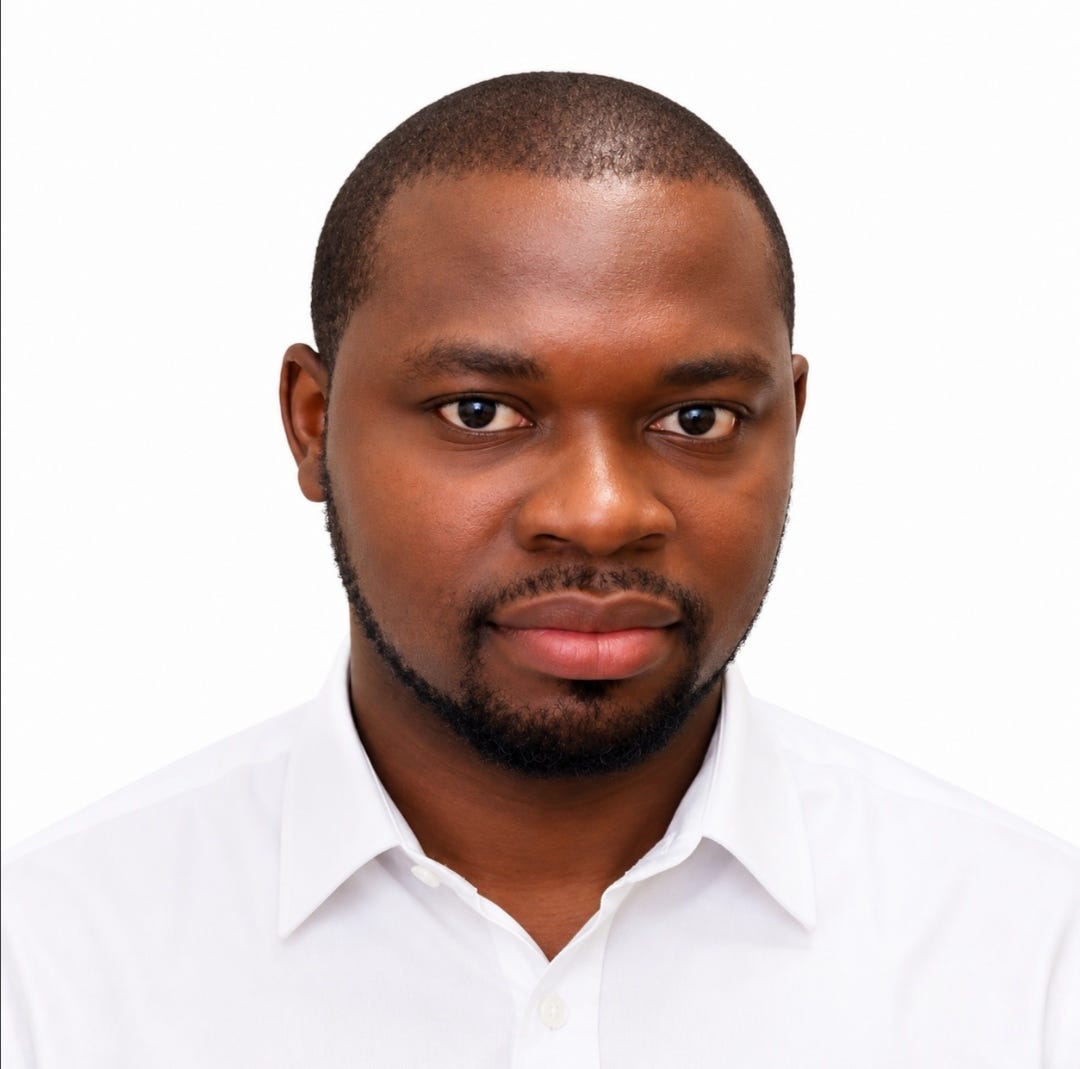
For Dr. Joseph Kobla Wemakor, a Ghanaian human rights advocate and Executive Director of Human Rights Reporters Ghana (HRRG), the answer lies in confronting a reality too often overlooked — the “double marginalization” of persons with disabilities.
This issue will take centre stage at RightsCon 2026 in Lusaka, Zambia, where Dr. Wemakor will convene a high-level global dialogue titled “Silenced Twice: Press Freedom and Disability Voices Under Threat in Africa.”
The session is scheduled for May 6, 2026, at the Mulungushi International Conference Centre (Kenneth Kaunda Wing), from 10:15 a.m. to 11:15 a.m., as part of the globally recognized summit organized by Access Now.
A Conversation That Can’t Wait
Across the continent, journalists are increasingly navigating a difficult landscape — one marked by intimidation, surveillance, and, in some cases, violence.
At the same time, persons with disabilities continue to face systemic barriers that limit their participation in public life, including restricted access to information and underrepresentation in media narratives.
Dr. Wemakor believes these two challenges are deeply interconnected.
“When press freedom declines, it is not just journalists who are affected — the most vulnerable voices in society are often the first to disappear.”
This is the central premise of the “Silenced Twice” dialogue: that shrinking civic space does not impact everyone equally, and that inclusive media systems are essential for a truly democratic society.
Bringing Global Voices to the Table
The session will bring together a diverse panel of experts working at the intersection of governance, media, and social justice.
Among them are Dalitso Mvula, an environmental justice advocate based in Lusaka; Michael Karanicolas, a global expert on freedom of expression and digital governance; and Alina Radu, an award-winning investigative journalist from Moldova known for her work in advancing media independence.
They will be joined by Elizabeth Zulu, a public health specialist focusing on community engagement and health equity, and Joseph Mwanza, a disability rights advocate and Programs Officer at Disability Rights Watch.
Together, the panel is expected to explore practical strategies for strengthening inclusive media ecosystems, protecting freedom of expression, and expanding access to digital and civic spaces.
From Advocacy to Global Influence
Dr. Wemakor’s leadership at RightsCon reflects more than a single moment — it represents over a decade of consistent advocacy and impact.
Through HRRG, he has worked across a wide range of issues, including child protection, gender equality, climate justice, and civic engagement, empowering marginalized communities to claim their rights and participate meaningfully in governance processes.
His work has not gone unnoticed.
He is a recipient of the prestigious UN Global Entreps Award for Best International Practice on Sustainability, as well as the Africa Peace Advocate Award (2023). He was also a finalist for the African Human Rights Defenders Shield Award and has been recognized among Ghana’s 100 Most Impactful Changemakers.
Beyond awards, his influence has extended to global platforms, where he has represented Ghana at major forums such as the United Nations High-Level Political Forum and the Pan-African Human Rights and Social Justice Conference.
Why This Moment Matters
The stakes are high.
Across Africa, threats to journalism — from harassment to digital surveillance — are on the rise. At the same time, digital systems and public platforms often remain inaccessible to persons with disabilities, further deepening inequality.
Without deliberate efforts to build inclusive systems, these trends risk silencing already marginalised communities.
That is why the upcoming dialogue in Lusaka is not just another conference session — it is part of a broader effort to reshape how societies think about inclusion, representation, and the role of media in democracy.
Looking Ahead
As RightsCon 2026 brings together thousands of participants from around the world, Dr. Wemakor’s session is expected to contribute to global conversations on how to protect fundamental freedoms while ensuring that no one is left behind.
At its core, the message is simple but powerful: a free media space must also be an inclusive one.
And in a world where voices are increasingly contested, ensuring that everyone is heard may be one of the most important human rights challenges of our time.
메타데이터
- post_id
- bdedf183d07b
- slug
- why-press-freedom-and-disability-inclusion-must-be-discussed-together-dr-bdedf183d07b
- url
- https://medium.com/@wemakorj/why-press-freedom-and-disability-inclusion-must-be-discussed-together-dr-bdedf183d07b
- canonical_url
- https://medium.com/@wemakorj/why-press-freedom-and-disability-inclusion-must-be-discussed-together-dr-bdedf183d07b
- author_url
- https://medium.com/@wemakorj
- status
- ok
- fetched_at
- 2026-06-09 15:37:30