PALS Renewal Checklist for Busy Healthcare Workers
Pediatric emergencies rarely wait for a convenient moment. Nurses, paramedics, and physicians need sharp pediatric skills the instant a…
PALS Renewal Checklist for Busy Healthcare Workers
Pediatric emergencies rarely wait for a convenient moment. Nurses, paramedics, and physicians need sharp pediatric skills the instant a child crashes. That is why a current PALS card matters so much. Yet busy schedules make renewal easy to postpone.
This PALS renewal checklist breaks the process into simple steps. Use it to plan your next renewal without last-minute stress. Follow it, and you will walk into class fully prepared.
Why PALS Renewal Matters
Pediatric cardiac arrest is rare, but the stakes stay high. The American Heart Association reports in-hospital survival near 45 percent for children, compared with roughly 24 percent for adults. Out-of-hospital outcomes look worse. Fewer than 16 percent of children treated by EMS survive to discharge. Early recognition and rapid, correct intervention drive that survival gap.
The numbers behind pediatric emergencies are sobering, too. Researchers estimate that EMS responds to between 15,000 and 23,000 pediatric out-of-hospital cardiac arrests every year in the United States. Meanwhile, hospitals see roughly 15,200 pediatric in-hospital arrests annually. Each event demands fast, confident action from the healthcare team on scene.
Guidelines change over time as well. The AHA updates resuscitation science on a regular cycle, most recently through its 2025 guidelines update. A lapsed card means your skills may lag behind current best practice. Renewal every two years keeps your training aligned with the latest evidence and protects patient outcomes.
Who Needs a Current PALS Card
Nurses, paramedics, physicians, and respiratory therapists all rely on PALS training. So do emergency department staff, ICU teams, and pediatric transport crews. Firefighters and EMTs who respond to calls involving children need it too. If your role touches pediatric emergencies in any way, a current card belongs on your priority list.
The PALS Renewal Checklist
Follow these steps well before your card expires.
-
Check your expiration date first. Your AHA eCard lists the issue month. Cards expire at the end of that month two years later, with no automatic grace period. Mark the date on your calendar now, and set a second reminder thirty days ahead.
-
Confirm your employer’s grace period policy next. Some hospitals allow a short window after expiration. Others pull staff from clinical duty the day a card lapses. Ask your credentialing office directly, since the AHA leaves this decision to employers and training centers.
-
Complete the precourse self-assessment early. AHA requires this step before most renewal courses begin. A passing score sits at 70 percent or higher. You can retake the assessment as many times as needed, so start it well before class day.
-
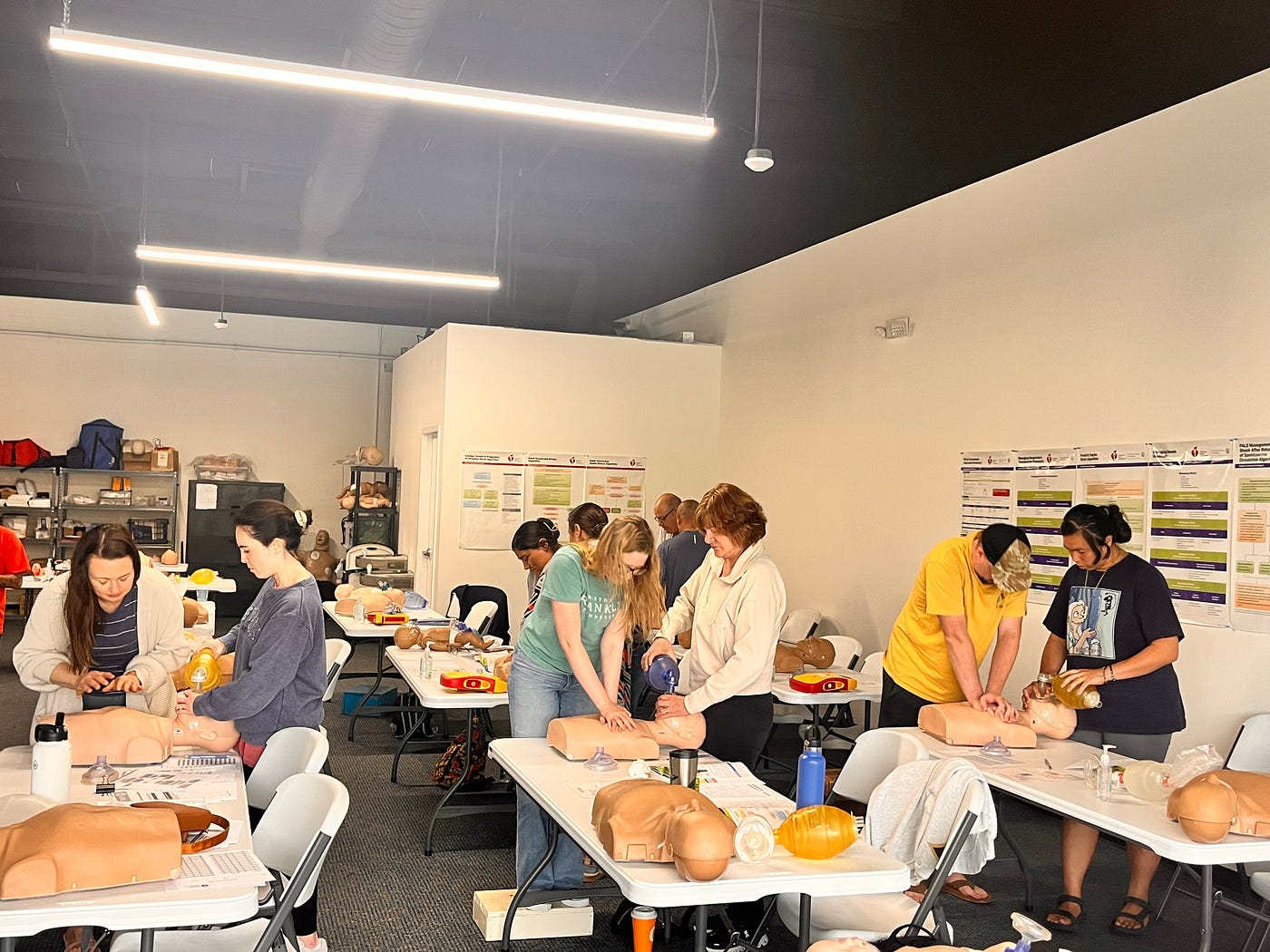
Choose your course format based on your schedule. Options include classroom training, blended HeartCode courses, and full initial courses for lapsed cards. Blended learning lets you finish cognitive material online, at your own pace. Then you attend a short, hands-on skills session to finish the process.
-
Gather your materials ahead of time. Bring a current PALS Provider Manual, a photo ID, and your existing card. Training centers usually require an unexpired manual edition, so check the publication date first.
-
Schedule your skills session early. Popular time slots fill quickly as expiration dates approach. Booking two months ahead avoids scheduling conflicts and last-minute rescheduling fees.
-
Review pediatric algorithms before class. Refresh your knowledge of shock, respiratory failure, and arrest management pathways. A quick review boosts confidence during the megacode testing station.
-
Pass the megacode and written exam. Most renewal courses require an 84 percent pass mark on the written test. Instructors also evaluate teamwork, communication, and hands-on performance throughout the session.
-
Save your new eCard immediately after passing. Download and store your certificate somewhere secure. Share a copy with your employer’s credentialing file the same day.
-
Set a reminder for your next renewal right away. Two years pass faster than most providers expect. A calendar alert now prevents another rushed scramble later.
Common Renewal Mistakes to Avoid
Many providers wait until the final week to register. That approach limits course availability and adds unnecessary stress. Registering early also gives you time to complete precourse work properly, without rushing through the material.
Others skip the precourse self-assessment entirely. Instructors may turn away unprepared students at the door. Completing this step in advance saves your entire class day.
Some providers also assume every training center accepts a lapsed card. Policies vary widely between employers and locations. A card expired more than 30 days may require the full initial course instead of a shorter renewal session.
Choosing the Right Format for Your Schedule
Busy healthcare workers often prefer blended learning formats. This approach moves lecture content online, away from the classroom. You complete it at your own pace, then attend a brief in-person skills check when ready.
Classroom courses still work well for hands-on learners. They also suit teams renewing together on the same day. Either path leads to the same AHA-recognized PALS Course Completion Card, valid nationwide.
Whichever format you choose, confirm it matches your employer’s requirements first. A quick call to your training center clears up any confusion before you register.
Renew Your PALS Certification With Confidence
A current PALS card protects the children in your care. It also protects your ability to keep working without interruption. Use this checklist to plan ahead and avoid a stressful, last-minute renewal scramble.
CPR Cincinnati is an American Heart Association training site. We offer stress-free, hands-on PALS Classes in Cincinnati for nurses, paramedics, physicians, and EMS providers. Our instructors guide you through every station with patience and clear, practical feedback.
Looking for a convenient CPR class near Cincinnati? We also provide BLS for Healthcare Providers, ACLS, and CPR and First Aid courses at the same location. Schedule your renewal today, and walk out with your certification in hand.
메타데이터
- post_id
- be5109e2fbb4
- slug
- pals-renewal-checklist-for-busy-healthcare-workers-be5109e2fbb4
- url
- https://medium.com/@johnhugh646/pals-renewal-checklist-for-busy-healthcare-workers-be5109e2fbb4
- canonical_url
- https://medium.com/@johnhugh646/pals-renewal-checklist-for-busy-healthcare-workers-be5109e2fbb4
- author_url
- https://medium.com/@johnhugh646
- status
- ok
- fetched_at
- 2026-07-18 02:00:43