Rugged Thermal Cameras Market Drivers Reveal New Openings Transforming Industrial Intelligence And…
The night never truly hides anything anymore, it simply waits for better eyes to reveal its secrets. In a world where visibility defines…
Rugged Thermal Cameras Market Drivers Reveal New Openings Transforming Industrial Intelligence And Strategic Decision Making
Rugged Thermal Cameras Market Report
The night never truly hides anything anymore, it simply waits for better eyes to reveal its secrets. In a world where visibility defines control, the rise of advanced sensing tools feels less like innovation and more like inevitability.
Across industries that once relied on guesswork and delayed reactions, a quiet transformation is unfolding. The phrase rugged thermal cameras market drivers is no longer confined to analysts or technical circles; it is becoming part of broader strategic conversations shaping infrastructure, defense, and environmental response systems. What makes this shift compelling is not just the technology itself, but the urgency behind its adoption.
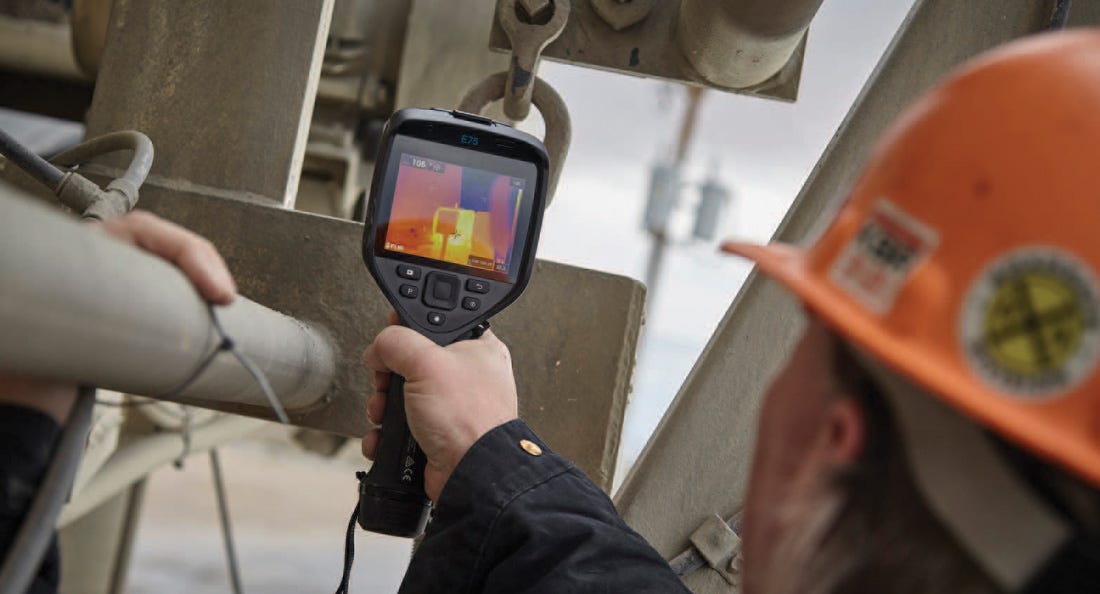
Picture a remote oil pipeline stretching across harsh terrain. Winds roar, temperatures plunge, and human inspection becomes both dangerous and inefficient. In such conditions, industrial inspection thermal cameras are not optional upgrades; they are operational necessities. They detect leaks invisible to the naked eye, identify heat anomalies before failures occur, and reduce costly downtime. This growing reliance reflects a deeper pattern tied to thermal imaging technology demand, where precision is no longer a luxury but a baseline expectation.
The momentum is equally intense in defense environments. Military surveillance thermal imaging has moved far beyond basic reconnaissance. Modern systems can distinguish subtle temperature differences across vast distances, enabling real-time decision-making even in total darkness or obscured visibility. This capability aligns directly with evolving security priorities, where rapid threat identification can determine mission outcomes. Governments are not simply investing in equipment; they are rethinking surveillance architecture altogether.
Yet, the story extends beyond high-risk sectors. Urban expansion and smart infrastructure initiatives are quietly fueling infrared camera growth trends. Cities are becoming more complex, layered with interconnected systems that demand constant monitoring. Electrical grids, transportation networks, and public safety systems benefit immensely from thermal detection capabilities. A minor overheating component, if unnoticed, can trigger cascading failures. Thermal cameras act as silent guardians, scanning continuously without interruption.
What truly sets this market apart is its resilience against environmental extremes. Unlike conventional devices, rugged systems are engineered to withstand shock, moisture, dust, and temperature volatility. This durability transforms them into reliable assets in mining operations, disaster zones, and offshore installations. The rugged thermal cameras market drivers are deeply rooted in this adaptability, as industries seek tools that perform consistently regardless of external conditions.
Another compelling force shaping this landscape is the shift toward predictive maintenance. Organizations are no longer satisfied with reactive strategies. They want foresight. Thermal imaging enables early detection of mechanical stress, electrical faults, and structural weaknesses. This proactive approach reduces repair costs, enhances safety, and extends asset lifespan. The integration of thermal data into analytics platforms further amplifies its value, turning raw heat signatures into actionable intelligence.
Meanwhile, technological refinement continues to redefine accessibility. Earlier generations of thermal cameras were bulky, expensive, and limited in resolution. Today’s devices are more compact, precise, and increasingly affordable. This democratization is expanding their reach into sectors like agriculture, where farmers use thermal imaging to monitor crop health and irrigation efficiency. It is also gaining traction in firefighting, where visibility through smoke can mean the difference between containment and catastrophe.
The interplay between innovation and necessity is particularly evident in climate-sensitive operations. As extreme weather events become more frequent, the ability to assess damage quickly and accurately is critical. Thermal cameras assist in search and rescue missions, infrastructure evaluation, and environmental monitoring. These applications reinforce the broader narrative surrounding thermal imaging technology demand, where adaptability meets urgency.
There is also an undercurrent of competitive differentiation driving adoption. Companies that integrate advanced thermal capabilities into their workflows often gain a measurable edge. Faster diagnostics, reduced operational risks, and improved compliance standards contribute to stronger performance metrics. In industries where margins are tight and stakes are high, such advantages are difficult to ignore.
At the same time, the convergence of artificial intelligence with thermal imaging is opening entirely new possibilities. Automated anomaly detection, pattern recognition, and real-time alerts are transforming how data is interpreted. Instead of relying solely on human observation, systems can now analyze thermal patterns continuously, identifying irregularities with remarkable accuracy. This evolution is not just enhancing efficiency, it is redefining expectations.
Despite these advancements, the market’s trajectory is not solely driven by technology. Regulatory frameworks and safety standards are playing a significant role. Compliance requirements in sectors like energy, manufacturing, and transportation are becoming more stringent. Thermal imaging provides a reliable means to meet these standards, ensuring that operations remain within acceptable risk thresholds.
What emerges from this intricate web of factors is a market shaped by necessity, innovation, and strategic foresight. The rugged thermal cameras market drivers are not isolated triggers but interconnected forces reinforcing each other. From industrial inspection thermal cameras safeguarding critical assets to military surveillance thermal imaging redefining defense capabilities, the applications are as diverse as they are impactful.
As industries continue to evolve, the demand for visibility in uncertain environments will only intensify. Thermal imaging stands at the intersection of this need, offering clarity where traditional methods fall short. The question is no longer whether organizations should adopt these technologies, but how quickly they can integrate them to stay relevant.
Somewhere within this accelerating shift lies an untapped layer of opportunity, waiting to be uncovered by those willing to look deeper and act faster, just before the next wave of transformation makes hesitation too costly to afford.
RuggedThermalCamerasMarket #SecurityMonitoring #AIIntegratedCameras #ThermalImagingSystems #SmartSurveillance
메타데이터
- post_id
- be5fed9eee78
- slug
- rugged-thermal-cameras-market-drivers-reveal-new-openings-transforming-industrial-intelligence-and-be5fed9eee78
- url
- https://medium.com/@mrunalarora2145/rugged-thermal-cameras-market-drivers-reveal-new-openings-transforming-industrial-intelligence-and-be5fed9eee78
- canonical_url
- https://medium.com/@mrunalarora2145/rugged-thermal-cameras-market-drivers-reveal-new-openings-transforming-industrial-intelligence-and-be5fed9eee78
- author_url
- https://medium.com/@mrunalarora2145
- status
- ok
- fetched_at
- 2026-06-27 07:40:21