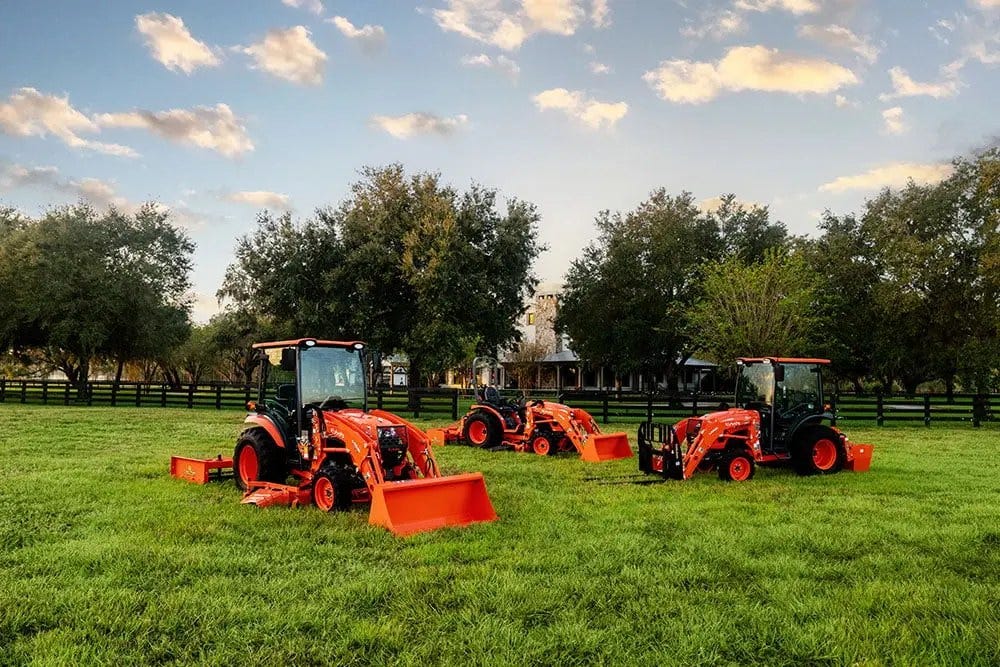
Troubleshooting 3-Point Hitch Problems on Compact Tractors
This article originally appeared on Compactwire.com where there other troubleshooting articles.
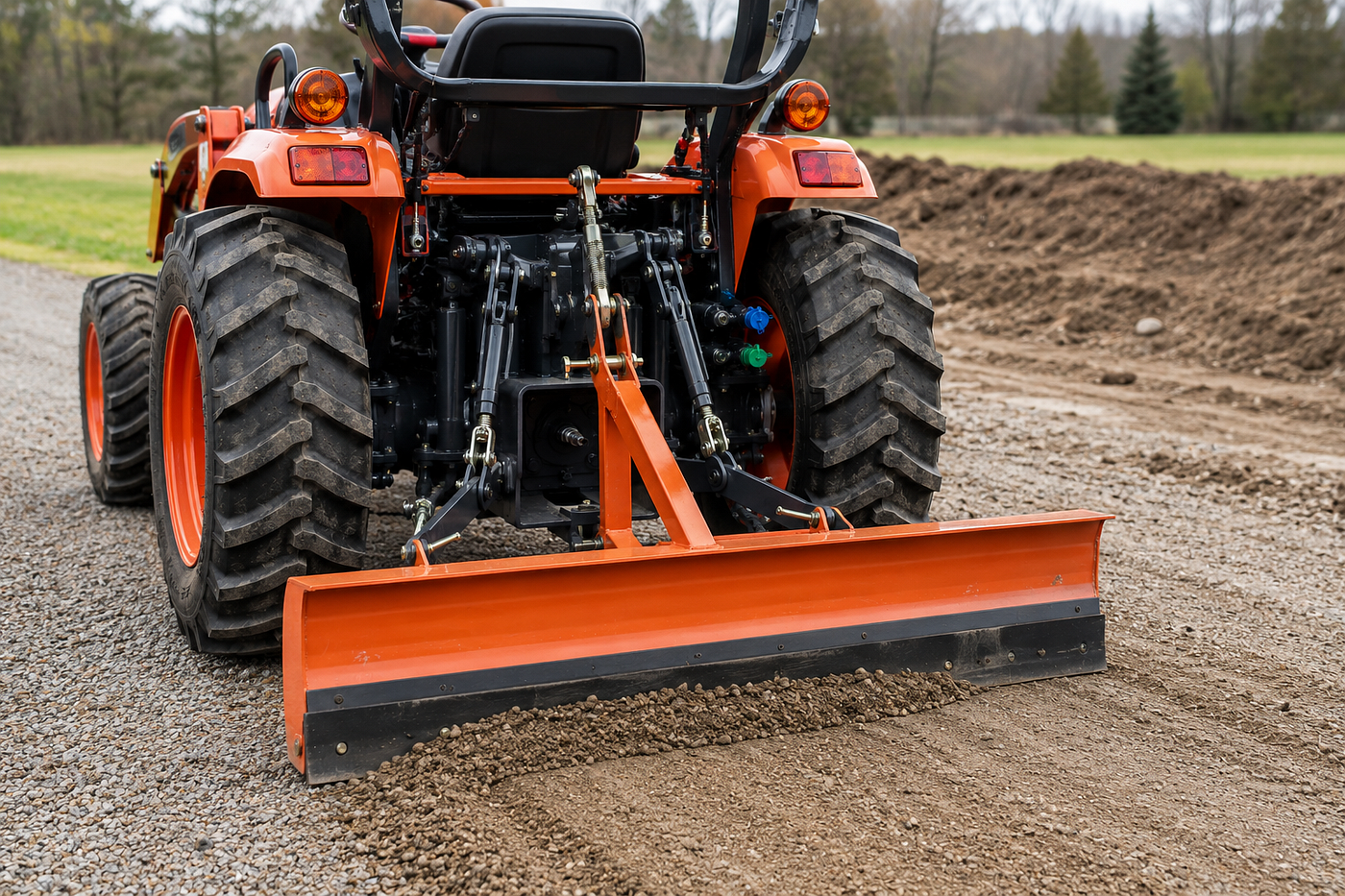
Troubleshooting 3-Point Hitch Problems on Compact Tractors
This article originally appeared on Compactwire.com where there other troubleshooting articles.
If you own a compact or sub-compact tractor long enough, eventually the 3-point hitch will do something strange.
Maybe it won’t lift. Maybe it lifts slowly. Maybe it drifts back down after raising. Or maybe it jerks and bounces while operating an implement.
The good news is that many 3-point hitch problems are relatively simple to diagnose once you understand the basics of how the hydraulic system works.
Here’s a practical guide to troubleshooting common 3-point hitch problems on compact tractors.
How the 3-Point Hitch Works
The 3-point hitch uses the tractor’s hydraulic system to raise and lower implements like:
- Box blades
- Rear blades
- Tillers
- Finish mowers
- Post hole diggers
- Carry-all attachments
A hydraulic pump creates pressure, hydraulic fluid transfers power, and the lift arms raise the implement through an internal lift cylinder and linkage system.
When something in that system fails or becomes restricted, problems start appearing.

Common 3-Point Hitch Problems
1. Hitch Will Not Lift
This is one of the most common complaints.
Possible Causes
Low Hydraulic Fluid
Always start here first.
Low hydraulic fluid can prevent the hydraulic pump from building enough pressure to lift an implement.
Check:
- Hydraulic/transmission fluid level
- Correct fluid type
- Signs of leaks under tractor
Many compact tractors share hydraulic fluid with the transmission, so low transmission fluid can also affect the hitch.
Clogged Hydraulic Filter
A dirty hydraulic filter restricts fluid flow.
Symptoms may include:
- Weak lifting power
- Slow response
- Hydraulic whining noise
If maintenance history is unknown, replacing the hydraulic filter is often a smart first step.
Weak Hydraulic Pump
Hydraulic pumps wear over time.
Signs include:
- Loader also weak or slow
- Hitch only lifts at high RPM
- Loss of lifting power when hot
If both the loader and 3-point are weak, the pump may be the issue.
Stuck Control Valve
The hydraulic control valve directs fluid to the hitch cylinder.
Sometimes:
- Linkage sticks
- Valve spool binds
- Rust or contamination causes problems
This can happen more often on tractors that sit unused for long periods.
2. Hitch Lifts Slowly
A slow-moving hitch usually points toward restricted hydraulic flow or low pressure.
Common Causes
- Dirty hydraulic filter
- Cold hydraulic fluid
- Low engine RPM
- Weak pump
- Partially clogged suction screen
Some compact tractors have a hydraulic suction screen inside the transmission housing that gets overlooked during maintenance.
3. Hitch Drifts Down After Raising
If the hitch slowly settles after lifting an implement, internal leakage is usually the culprit.
Common Causes
Internal Cylinder Leakage
The lift cylinder seals may be worn.
Hydraulic fluid bypasses the piston internally, allowing the hitch to slowly lower.
Leaking Control Valve
The hydraulic valve itself may leak internally.
This becomes more noticeable with:
- Heavy implements
- Older tractors
- Warm hydraulic oil
A slight drop over time is normal on many older tractors. Rapid settling is not.
4. Hitch Jerks or Bounces
A jerky hitch can make grading or mowing frustrating.
Possible Causes
- Air in hydraulic system
- Low fluid level
- Dirty fluid
- Worn control valve
- Draft control adjustment issues
Some tractors with draft control can become sensitive if improperly adjusted.
5. Hitch Won’t Lower
Sometimes the hitch raises normally but refuses to come back down.
Common Causes
Stuck Rate-of-Drop Knob
Many compact tractors have a flow-control knob under the seat.
If fully closed:
- Hitch lowers very slowly
- Or not at all
Owners sometimes accidentally close this valve during transport.
Bent Linkage
Rust, dirt, or bent linkage components can prevent proper movement.
Inspect:
- Lift arms
- Rockshaft linkage
- External control arms
Hydraulic Fluid Matters More Than People Think
Wrong or old hydraulic fluid causes many strange problems.
Using incorrect fluid can lead to:
- Foaming
- Poor cold-weather performance
- Weak hydraulics
- Seal damage
Always use fluid that meets the manufacturer’s specifications.
Simple Troubleshooting Checklist
Before assuming major repairs, check these basics:
✅ Hydraulic fluid level ✅ Correct fluid type ✅ Hydraulic filter condition ✅ Engine RPM during operation ✅ External leaks ✅ Loader performance ✅ Drop-rate control knob position ✅ Linkage movement and binding
Many 3-point hitch issues turn out to be maintenance-related rather than catastrophic failures.
When to Suspect Bigger Problems
You may need deeper hydraulic diagnosis if:
- Loader and steering are also weak
- Hydraulics fail when warm
- Pump makes loud whining noises
- Metal particles appear in fluid
- Hitch cannot lift even light implements
At that point, pressure testing the hydraulic system is usually the next step.
Final Thoughts
The 3-point hitch is one of the most useful parts of a compact tractor, but it relies heavily on clean hydraulic fluid, proper maintenance, and healthy hydraulic components.
The good news is that many common problems:
- Start gradually
- Give warning signs
- Can be corrected before major repairs are needed
Catching issues early can save a hydraulic pump, control valve, or lift cylinder from more expensive damage later on.
For more compact tractor troubleshooting guides and equipment articles, visit Compactwire.com
메타데이터
- post_id
- bea0f15e8145
- slug
- troubleshooting-3-point-hitch-problems-on-compact-tractors-bea0f15e8145
- url
- https://medium.com/@kenniemay/troubleshooting-3-point-hitch-problems-on-compact-tractors-bea0f15e8145
- canonical_url
- https://medium.com/@kenniemay/troubleshooting-3-point-hitch-problems-on-compact-tractors-bea0f15e8145
- author_url
- https://medium.com/@kenniemay
- status
- ok
- fetched_at
- 2026-07-31 12:13:25