From Coffee Shops to Centrifuges: The Modern Cyber War Stories
The Invisible War: Why Your Digital World is the New Front Line
From Coffee Shops to Centrifuges: The Modern Cyber War Stories
The Invisible War: Why Your Digital World is the New Front Line
We often think of “war” in terms of physical borders, heavy machinery, and loud explosions. But in 2026, the most devastating battles aren’t fought with lead they are fought with logic.
Every time you tap a “Connect” button at a local cafe, every time you open a PDF from a colleague, and every time a national power grid hums along silently, a silent struggle is happening in the background. Cybersecurity isn’t just a collection of boring protocols; it is a collection of War Stories.
From the average person grabbing a latte to the high-stakes boardrooms of Fortune 500 companies, and all the way up to the secret intelligence agencies of world superpowers, the digital landscape is a minefield. The threats are invisible, the attackers are often anonymous, and the consequences can be catastrophic — ranging from a drained bank account to a destroyed nuclear centrifuge.
In this blog, we’re stepping into the trenches of modern cyber warfare. We will explore three chilling scenarios that prove no one and no system is truly untouchable.
The “Evil Twin” in the Coffee Shop: A Lesson in Personal Vulnerability
Imagine this: It’s a busy Tuesday afternoon. You’re at your favorite local cafe, the smell of roasted beans is in the air, and the ambient chatter is the perfect white noise for getting some work done. You open your laptop, see a Wi-Fi network named “Cafe_Free_WiFi”, and click connect.
In seconds, you’re checking your bank balance or logging into your email. It feels productive. It feels normal. But for Sarah, this exact routine turned into a digital nightmare.
The Setup: The “Evil Twin” Attack
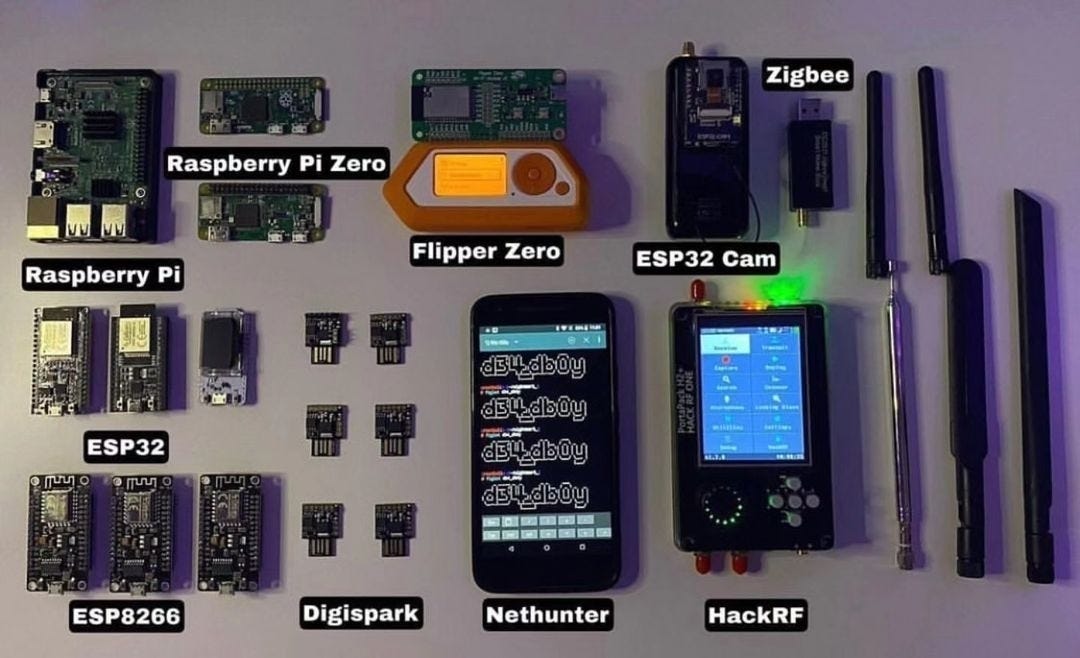
While Sarah was waiting for her latte, a hacker was sitting just two tables away. They weren’t using the shop’s Wi-Fi; they were broadcasting their own. Using a simple device, the attacker created a rogue hotspot with the exact same name as the coffee shop’s legitimate network. This is known as an “Evil Twin” attack.
Because Sarah’s phone was set to connect to familiar-looking networks, it bypassed the real router and shook hands with the hacker’s machine instead.
The Heist: Man-in-the-Middle (MitM)
Once Sarah connected, the hacker became the “Man-in-the-Middle.” Every bit of data Sarah sent — her usernames, her passwords, her session cookies traveled through the hacker’s laptop before reaching the actual internet.
- The Trap: When Sarah logged into her bank, the hacker captured her credentials in real-time.
- The Result: Before Sarah had even finished her drink, her account was compromised.
How to Avoid the Trap
Personal vulnerability often comes down to convenience. We want to be connected, and we want it for free. To stay safe, remember these three golden rules:
- Trust, but Verify: Ask the staff for the exact name of their network.
- Use a VPN: A Virtual Private Network encrypts your data, so even if a hacker intercepts it, all they see is gibberish.
- Forget the Network: Set your devices to “Ask to Join Networks” rather than connecting automatically.
The PDF that Held a Company Hostage: The Rise of Ransomware
If the “Evil Twin” is a pickpocket in a coffee shop, then Ransomware is a full-scale digital kidnapping. It doesn’t just steal a piece of data; it takes an entire organization’s heartbeat and locks it in a vault, throwing away the key until a price is paid.
This is exactly what happened to Rashid, a finance employee at a major corporation. It started with a single notification: New Email from CEO.
The Hook: Precision Spear Phishing
Rashid received an email that looked 100% legitimate. It had the CEO’s name, the company’s branding, and a formal tone. The subject? “Q3 Earnings Report Urgent Review.” Curiosity and a sense of duty are a hacker’s best friends. Rashid didn’t remember his department drafting this specific PDF, but the pressure of an “urgent” request from the boss led him to do the one thing security experts warn against: He clicked.
The Payload: The Digital Lockdown
The moment that PDF opened, nothing seemed to happen on Rashid’s screen. But behind the scenes, a silent disaster was unfolding.
- The Infection: The PDF contained a malicious script that installed ransomware on Rashid’s workstation.
- The Spread: The malware didn’t stop at one computer. It crawled through the company’s network, jumping from Rashid’s laptop to the servers, the databases, and even the backups.
- The Encryption: Using powerful mathematical algorithms, the software began scrambling every file it found. Spreadsheets, client lists, and intellectual property were turned into unreadable code.
The Demand: Pay to Play
Within an hour, screens across the office went dark, replaced by a chilling message:
“All your files are encrypted. To get the decryption key, send 50 Bitcoin to this address. You have 48 hours.”
This is the brutal reality of modern corporate warfare. Attackers aren’t just looking for credit card numbers anymore; they want to paralyze the business itself. For a publicly held corporation, every hour of downtime costs millions in lost revenue and reputational damage.
Protecting the Perimeter
Rashid’s story is a reminder that a company’s security is only as strong as its most tired or curious employee. To fight back, organizations must:
- Implement Zero Trust: Never trust an attachment, even if it “looks” like it’s from the boss.
- Verify Out-of-Band: If an email seems odd, call or message the sender on a different platform to confirm.
- Offline Backups: Ransomware often targets online backups. Keeping data physically disconnected is the only way to ensure you can “roll back” the clock.
Stuxnet: When Malware Becomes a Digital Missile
If the previous stories were about digital theft and kidnapping, this one is about digital sabotage. For a long time, the world thought cyberattacks could only affect data. Stuxnet changed everything. It proved that a few lines of code could reach out from a computer and physically destroy heavy industrial machinery.
This wasn’t the work of a bored teenager or a criminal gang. This was a “digital missile” so sophisticated that experts believe only a nation-state or a group of them could have built it.
The Target: A Fortress of Silence
The target was the Natanz uranium enrichment facility in Iran. This wasn’t a normal office building; it was a high-security “air-gapped” facility, meaning its computers were not connected to the internet. To get inside, you couldn’t just send an email. You had to go through the front door.
The Delivery: The Humble USB Drive
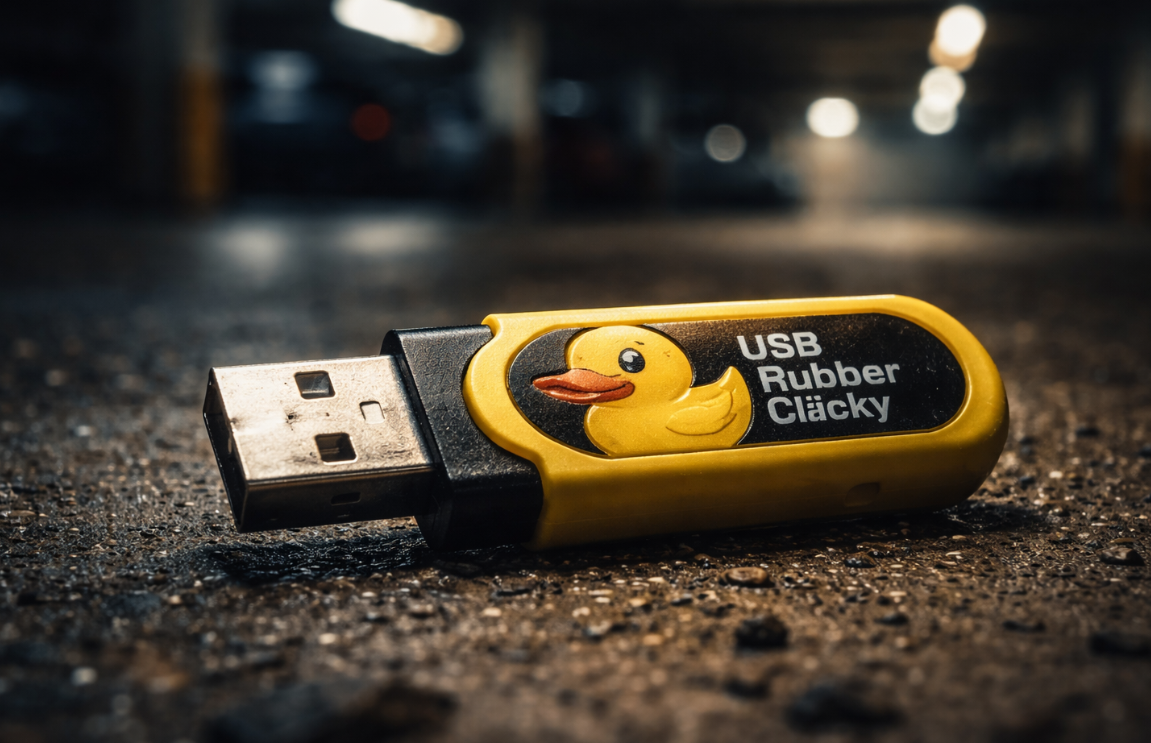
The attackers didn’t hack through a firewall. Instead, they infected the USB drives of five Iranian vendors who supported the facility. When those vendors walked into the secure zone and plugged their drives into the local network, the “worm” crawled out and began its hunt.
The Mission: Find and Destroy
Stuxnet was a highly specific hunter. It wasn’t interested in stealing credit cards or photos. It was looking for a very specific target: Siemens Programmable Logic Controllers (PLCs) the “brains” that control industrial equipment.
- The Infiltration: It infected Windows computers and waited until it found a machine running “Step 7” software (used to program the PLCs).
- The Sabotage: Once it found the specific PLCs controlling the uranium centrifuges, it did something terrifying. It told the centrifuges to spin faster and faster way beyond their safety limits while simultaneously feeding “normal” data back to the operators’ screens.
- The Physical Collapse: To the scientists watching the monitors, everything looked perfect. But in the basement, the centrifuges were literally tearing themselves apart.
The Legacy: A New Era of Warfare
Stuxnet was the first major example of a Zero-Day exploit being used for physical destruction. A “Zero-Day” is a vulnerability that the software manufacturer doesn’t even know exists yet, meaning there is “zero days” to fix it.
The 2016 documentary Zero Days explores how this attack blurred the lines between code and combat. It showed the world that a nation’s water systems, power grids, and nuclear facilities are all vulnerable to a weapon that travels at the speed of light and leaves no fingerprints.
Conclusion: The Best Defense is Awareness
The digital world is no longer a separate space we visit; it is the very fabric of our modern lives. As we’ve seen through these “War Stories,” the vulnerabilities are real, the stakes are high, and the attackers are relentless. Whether it’s a rogue Wi-Fi signal in a cozy cafe, a deceptive email in a corporate inbox, or a sophisticated worm in a nuclear facility, the primary target is always the same: human trust and system oversight.
However, there is a silver lining. While the threats are evolving, so are our defenses. Cybersecurity isn’t just about complex firewalls or uncrackable encryption; it starts with awareness.
By understanding how an “Evil Twin” operates, you become less likely to click “Connect.” By recognizing the psychological pressure of a ransomware email, you become the human firewall that saves your company. And by training in virtual labs, you prepare yourself to be the next generation of defenders who keep our global infrastructure safe.
The invisible war is ongoing, but you don’t have to be a victim. Stay curious, keep your software updated, and always verify before you trust. The best defense isn’t just a tool it’s you.
The digital battlefield is active 24/7. It’s time to gear up.
메타데이터
- post_id
- bedf89a435fd
- slug
- from-coffee-shops-to-centrifuges-the-modern-cyber-war-stories-bedf89a435fd
- url
- https://meetcyber.net/from-coffee-shops-to-centrifuges-the-modern-cyber-war-stories-bedf89a435fd
- canonical_url
- https://meetcyber.net/from-coffee-shops-to-centrifuges-the-modern-cyber-war-stories-bedf89a435fd
- author_url
- https://medium.com/@genrunic
- status
- ok
- fetched_at
- 2026-06-20 20:29:01