Advanced Polymer Analysis for Reliable Tyre Certification
The performance and safety of modern tyres depend heavily on the quality of the materials used in their construction. Rubber compounds and…
Advanced Polymer Analysis for Reliable Tyre Certification
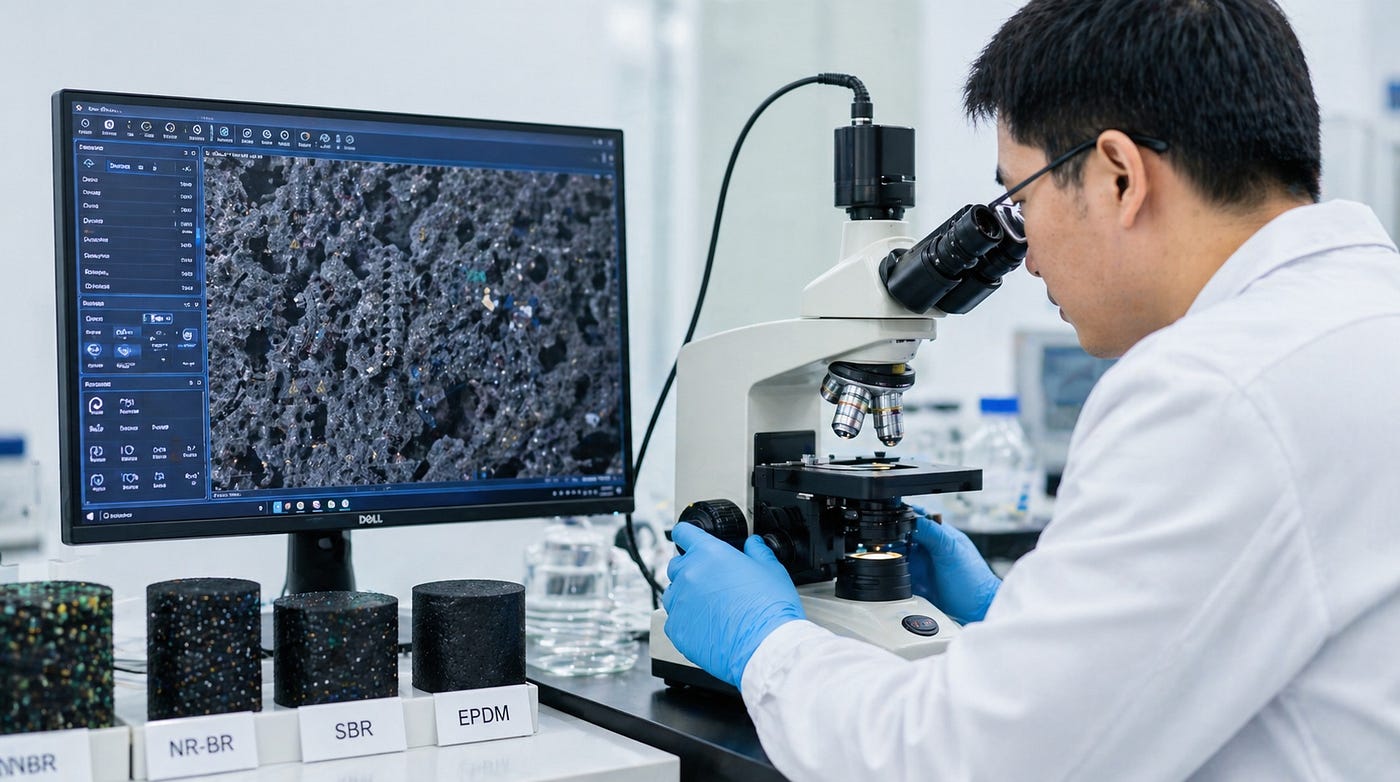
The performance and safety of modern tyres depend heavily on the quality of the materials used in their construction. Rubber compounds and synthetic polymers determine how well a tyre handles stress, temperature changes, and long term road contact. For this reason, advanced **polymer testing** has become an essential step in tyre development and quality assurance. Through scientific analysis, manufacturers can evaluate the mechanical and chemical properties of materials before they are used in production.
Tyres must maintain flexibility while also providing strength and resistance to wear. Achieving this balance requires precise evaluation of polymer structures and compound formulations. Engineers rely on laboratory based polymer testing to understand how rubber compounds behave under pressure, heat, and friction. These insights allow manufacturers to optimize material performance and improve tyre durability.
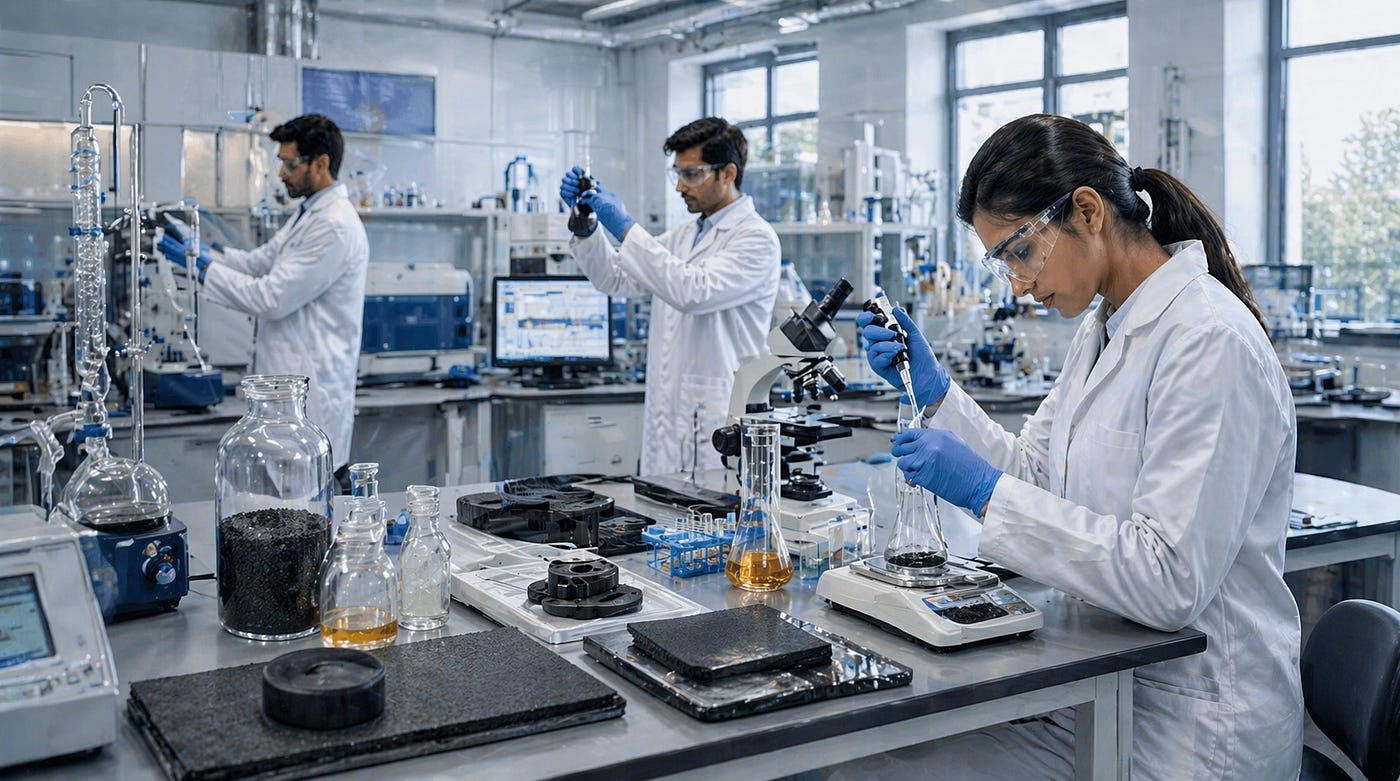
A professional tyre testing lab provides the advanced instruments and controlled environment needed to conduct detailed polymer analysis. By studying the structure and performance of rubber compounds, laboratories help manufacturers ensure that tyres meet the strict requirements necessary for successful tyre certification and market approval.
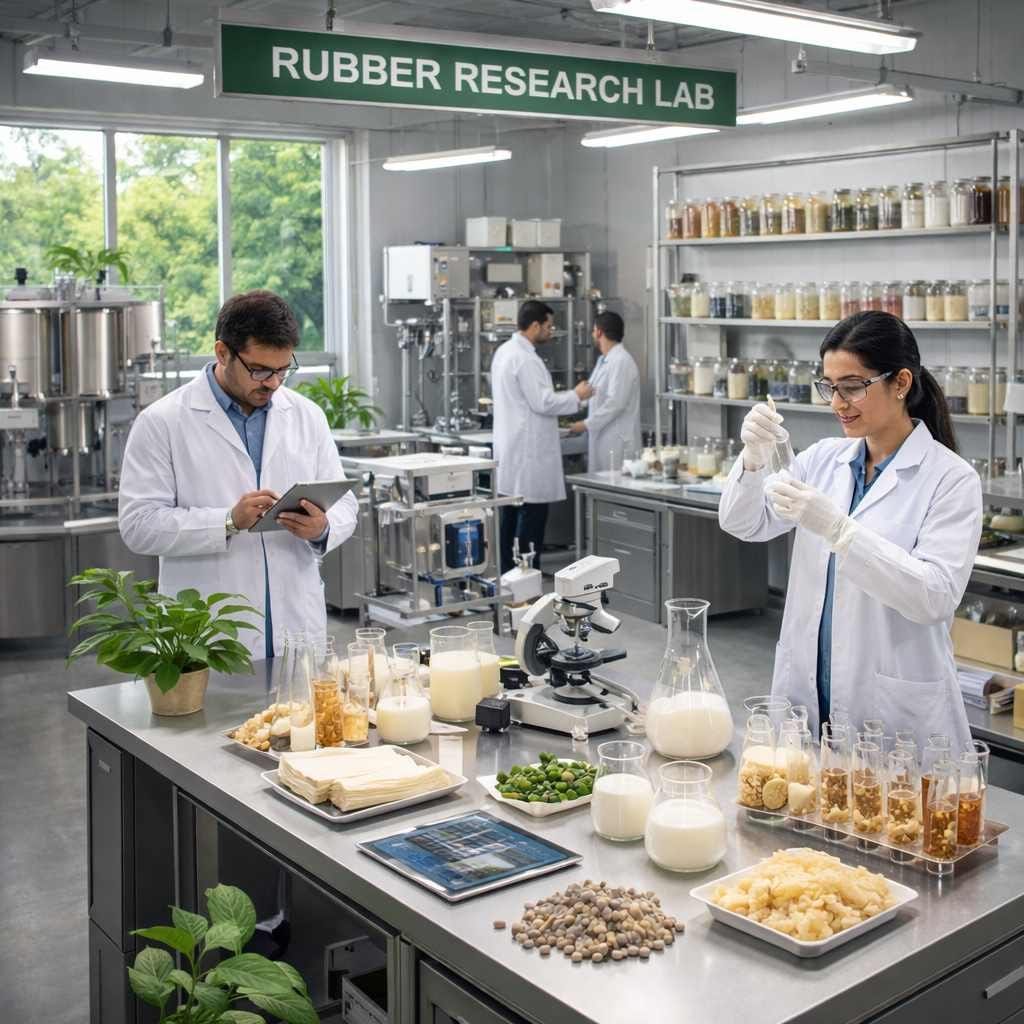
Rubber Research Lab
Advanced Polymer Testing Techniques Used in Tyre Laboratories
Modern laboratories apply a wide range of analytical methods to evaluate tyre materials. These techniques provide valuable information about the behavior of rubber compounds and their suitability for high performance tyres. One of the most widely used methods in polymer testing is tensile strength analysis, which measures how much force a material can withstand before breaking.
Thermal analysis is another important technique performed in a tyre testing lab. Instruments such as differential scanning calorimetry measure how rubber compounds respond to temperature changes. Since tyres generate heat during operation, understanding thermal behavior is essential for improving long term performance and safety.
Dynamic mechanical analysis is also commonly used during polymer testing. This technique measures how rubber materials respond to repeated stress and vibration. The data obtained helps engineers design tyres that maintain stability and grip under varying road conditions. These advanced testing techniques contribute directly to achieving reliable tyre certification.
Role of Tyre Testing Labs in Ensuring Product Reliability
A modern tyre testing lab plays a vital role in evaluating the overall performance of tyres before they are released to the market. These laboratories are equipped with specialized machines that simulate real driving conditions. Tests such as endurance testing, load testing, and high speed drum testing provide valuable data about tyre durability and structural integrity.
In addition to physical performance tests, polymer testing allows laboratories to study the internal composition of rubber compounds. By analyzing polymer chains and material interactions, engineers can determine how well a tyre will perform over time. This detailed analysis helps prevent issues such as cracking, deformation, or premature wear.
The results generated by a tyre testing lab provide technical evidence required during the **tyre certification** process. Certification authorities rely on these results to confirm that tyres meet safety and quality standards. Accurate laboratory testing ensures that tyres entering the market deliver consistent performance and reliability.
Quality Assurance Through Polymer Testing and Certification
Quality assurance is a critical aspect of tyre manufacturing. Each tyre must perform safely and efficiently across a wide range of road conditions. To achieve this level of reliability, manufacturers rely on detailed laboratory evaluations supported by advanced polymer testing procedures.
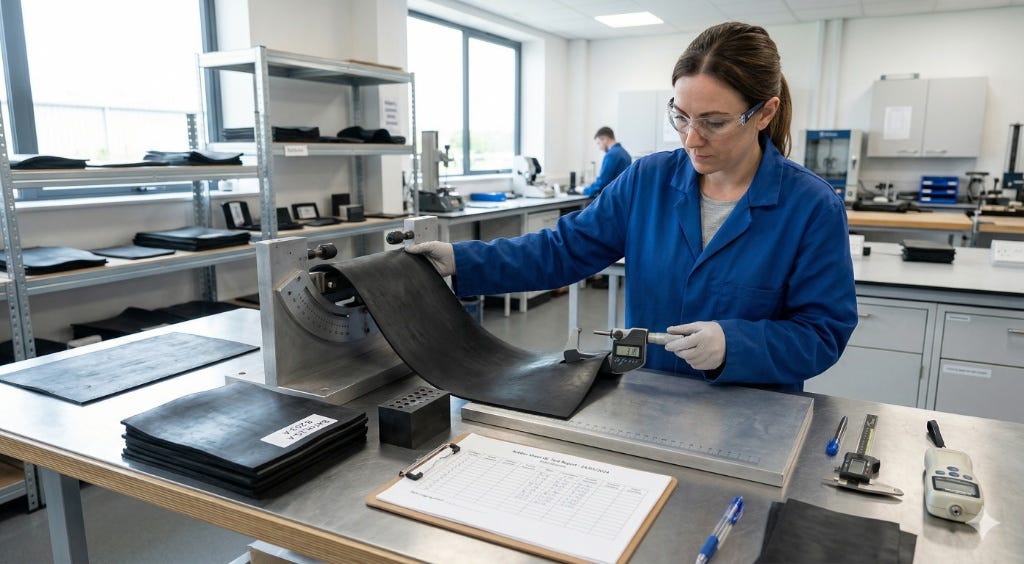
During testing, engineers examine important characteristics such as elasticity, tensile strength, heat resistance, and abrasion resistance. These factors determine how well a tyre will withstand long term usage. A certified **tyre testing lab** uses standardized testing procedures to ensure accurate and repeatable results.
These results form the foundation of the tyre certification process. Regulatory bodies require detailed performance data before approving tyres for commercial use. Through comprehensive testing and quality verification, manufacturers can demonstrate that their products meet strict international standards for safety and durability.

Tyre Testing Lab
Rubber Research and Testing Supporting Future Tyre Innovation
The future of tyre technology depends on continuous research and advanced material testing. A specialized rubber testing lab focuses on evaluating rubber compounds used in tyre manufacturing. These laboratories conduct tests that measure hardness, elasticity, tear resistance, and abrasion performance. The results help engineers refine material formulations and improve overall tyre durability.
Alongside testing facilities, a **rubber research lab** works on developing innovative rubber materials and polymer technologies. Researchers study the behavior of different compounds and explore new formulations that enhance tyre strength and performance. These research efforts contribute to the advancement of modern tyre design and manufacturing.
The collaboration between a tyre testing lab, a rubber testing lab, and a rubber research lab creates a strong foundation for reliable tyre certification. Through continuous polymer testing and advanced research, these laboratories help manufacturers develop safer, stronger, and more durable tyres that meet the evolving demands of the global automotive industry.
Also Read :
메타데이터
- post_id
- beeb5afd7b8c
- slug
- advanced-polymer-analysis-for-reliable-tyre-certification-beeb5afd7b8c
- url
- https://medium.com/@hasetri/advanced-polymer-analysis-for-reliable-tyre-certification-beeb5afd7b8c
- canonical_url
- https://medium.com/@hasetri/advanced-polymer-analysis-for-reliable-tyre-certification-beeb5afd7b8c
- author_url
- https://medium.com/@hasetri
- status
- ok
- fetched_at
- 2026-06-14 11:28:49