The Real Advantage of Choosing Tactical Equipment via GSA Schedule
Federal procurement teams don’t just need equipment — they need mission-ready, compliant, and field-tested tactical gear that meets…
The Real Advantage of Choosing Tactical Equipment via GSA Schedule

Federal procurement teams don’t just need equipment — they need mission-ready, compliant, and field-tested tactical gear that meets operational standards. When lives are on the line, every bolt, plate, and radio matters.
If you’re already familiar with the GSA Schedule, you’re ahead of the curve. But simply buying tactical gear through it isn’t enough. You need to use the system wisely to maximize your agency’s investment and mission efficiency.
This guide walks through smart strategies and best practices to help you get the most out of your GSA Schedule tactical equipment purchases.
1. Don’t Assume All “Tactical Gear” Is Battle-Ready
Not everything labeled “tactical” is mission-grade. Some vendors list items that meet the price point but fail under pressure. Before placing an order:
- Request test data: Ask for ballistic testing, MIL-SPEC certifications, or durability test results.
- Cross-reference NSNs: Look for National Stock Numbers, which indicate military acceptance.
- Read user reviews on GSA Advantage to see feedback from other agencies or units.
Pro tip: Don’t compromise on quality for a small price cut — field performance matters more than the lowest bid.
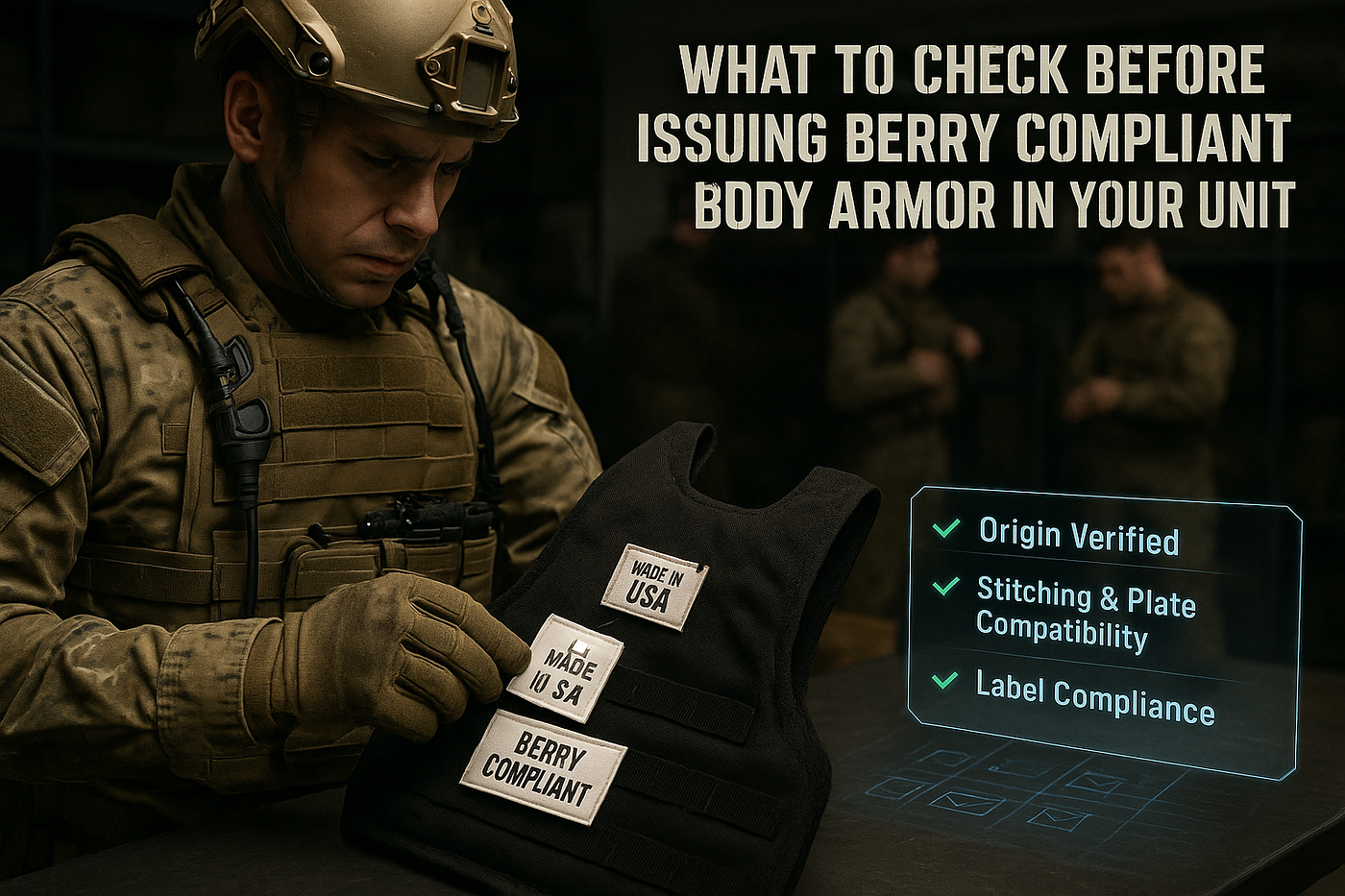
2. Prioritize TAA-Compliant & Berry-Compliant Products
Most federal agencies must meet Trade Agreements Act (TAA) compliance. And if you’re DoD-affiliated, Berry compliance often comes into play.
When buying through the GSA Schedule:
- Filter vendors that clearly state “TAA compliant”
- Confirm country of origin
- For wearable gear (e.g., body armor, boots, gloves), check if Berry compliance is mentioned
Tip: If Berry-compliant gear is a must, use this as a non-negotiable search filter from the start. It’ll save hours during market research and quote review.
3. Stick with Vendors Who Understand the Mission
You’re not just buying equipment — you’re outfitting people for mission success. Choose GSA-listed vendors who specialize in military or law enforcement supply, not general hardware.
Look for:
- Past performance with federal or defense agencies
- Detailed product specifications, not generic descriptions
- On-call customer support for urgent queries
Pro tip: A GSA number is good, but mission expertise is better. Shortlist suppliers with a tactical background or certifications.
4. Use GSA Advantage® Filters the Right Way
When using **GSA Advantage** to purchase tactical equipment:
- Search by NSN, keyword, or brand
- Use filters for delivery time, price range, and small business preference
- Sort by Best Value, not just “Lowest Price”
Why? Because lowest-price items may lack the technical detail, durability, or support you need. You’re equipping personnel, not stocking a shelf.
5. Check for Warranty, Support & Replacement Terms
Tactical equipment gets worn out fast. Always check:
- Warranty coverage
- Spare part availability
- Repair & return policies
Many GSA Schedule vendors offer lifetime warranties, free training, or fast part replacements — but you won’t know unless you ask. Don’t let red tape cost you operational downtime.
6. Review the SIN Category Before You Buy
Each tactical item falls under a Special Item Number (SIN). Matching your purchase with the correct SIN:
- Ensures faster approval by your procurement office
- Simplifies compliance checks during audits
- Speeds up delivery and invoicing
If you’re not sure, contact the vendor directly or review your agency’s internal procurement guide.
7. Use GSA Contracts to Meet Small Business Goals
Many GSA Schedule vendors are 8(a), veteran-owned, or minority-owned small businesses. If your agency has small business procurement targets, this is an easy win.
How to leverage this:
- Use GSA filters for set-aside status
- Combine mission needs with socio-economic goals
- Get credit for compliance with FAR Part 19 while buying high-performance gear
8. Request Product Samples or Field Demos
Don’t commit blind. Ask the vendor for:
- Product samples (for PPE, gloves, pouches, etc.)
- On-site demos (for tech gear, optics, or drones)
- Trial periods for larger deployments
It’s perfectly acceptable under GSA rules to vet products before full-scale purchase — especially for tactical items.
Final Word: Efficiency Is Good. Smart Efficiency Is Better.
Using the **GSA Schedule for tactical equipment** isn’t just about compliance — it’s about maximizing mission effectiveness with smart buys. Whether you’re equipping a local SWAT unit or a federal response team, your procurement decisions echo on the ground.
So next time you’re sourcing gear, don’t just check the box. Use these strategies to buy smarter, faster, and better.
메타데이터
- post_id
- bf07930f58b8
- slug
- tactical-equipment-via-gsa-schedule-bf07930f58b8
- url
- https://medium.com/@BallisticResistance/tactical-equipment-via-gsa-schedule-bf07930f58b8
- canonical_url
- https://medium.com/@BallisticResistance/tactical-equipment-via-gsa-schedule-bf07930f58b8
- author_url
- https://medium.com/@BallisticResistance
- status
- ok
- fetched_at
- 2026-08-01 05:21:09