Why Fertilizer Type Matters More Than Quantity
Insights from Monoammonium Phosphate Fertilizer for Agriculture
Why Fertilizer Type Matters More Than Quantity
Insights from Monoammonium Phosphate Fertilizer for Agriculture
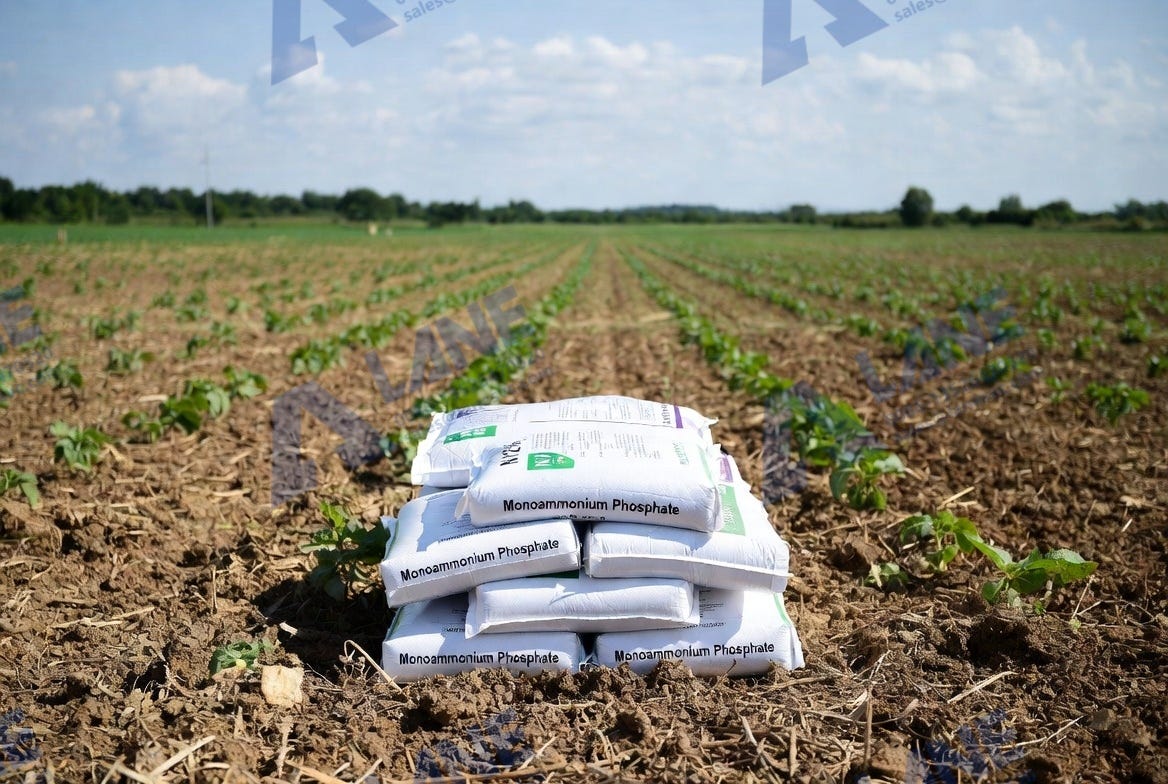
For many farmers, fertilizer decisions feel simple. If crops do not grow well, the usual answer is to apply more nutrients. More input should mean more output. Yet this logic often fails in real fields. Yields stay flat. Costs rise. Frustration grows. This is where monoammonium phosphate fertilizer for agriculture enters the conversation. Not as a miracle product, but as a clear example of why fertilizer type often matters more than the total amount applied. Understanding monoammonium phosphate fertilizer for agriculture helps explain why nutrient efficiency is more about type than quantity.
Across different regions and crops, one lesson keeps repeating. Nutrient efficiency is not only about quantity. It is about how nutrients behave in soil, how plants access them, and when they are available. Using monoammonium phosphate fertilizer for agriculture as a reference helps illustrate this clearly.
The “More Is Better” Habit
The idea of adding more fertilizer is easy to understand. Plants need nutrients. Soil loses nutrients every season. So more fertilizer should help. Sometimes it does. But many times, it does not.
Phosphorus is a good example. Farmers may apply higher and higher rates, yet see little response. The soil already holds plenty of phosphorus. The problem is not supply. It is access.
This is why discussions around fertilizer type have become more important. Products like monoammonium phosphate fertilizer for agriculture help highlight the difference between total nutrients and usable nutrients.
Fertilizer Type Shapes Nutrient Behavior
Not all fertilizers act the same once they enter the soil. Some dissolve quickly. Others react slowly. Some nutrients move toward roots. Others stay locked in place.
Phosphorus is especially sensitive to these differences. In many soils, it reacts with other elements soon after application. Once this happens, plants struggle to take it up. Adding more phosphorus does not always solve the problem.
Here, fertilizer formulation becomes a key factor. Monoammonium phosphate fertilizer for agriculture is often discussed because it provides phosphorus in a highly available form at the early stages of crop growth. This does not mean it is always the best choice. It means it clearly shows how form affects function.
Soil Is Not an Empty Container
Soil is alive. It is active. It is complex.
When fertilizer enters the soil, it meets minerals, water, microbes, and roots. Each of these interactions changes what happens next. This is why the same fertilizer rate can perform very differently in two fields.
Phosphorus can quickly become unavailable if soil conditions are not right. In some soils, it binds with calcium. In others, with iron or aluminum. Once bound, plants can no longer reach it.
Understanding this process helps explain why fertilizer type matters. Monoammonium phosphate fertilizer for agriculture releases nutrients in a way that supports early uptake before strong fixation occurs.
Timing Matters as Much as Type
Plants do not need nutrients equally throughout their life cycle. Early growth stages are especially important for phosphorus.
Young roots are small. They explore limited soil volume. They depend on nearby available nutrients. If phosphorus is not accessible during this stage, plants may never fully recover.
This is where fertilizer choice plays a role. Monoammonium phosphate fertilizer for agriculture is often applied at planting because it provides phosphorus when crops need it most. The goal is not higher rates. The goal is better timing and placement.
Nitrogen and Phosphorus Interaction
Another reason fertilizer type matters is nutrient interaction. Nutrients do not work alone.
Nitrogen form can influence phosphorus uptake. When ammonium nitrogen is present near roots, it can slightly change the soil environment around them. This can improve phosphorus availability in that small zone.
This interaction helps explain why monoammonium phosphate fertilizer for agriculture is frequently used as a starter fertilizer. The combination supports early root growth without requiring excessive nutrient amounts.
Quantity Has Limits
Every nutrient has a point where adding more stops helping.
Beyond this point, extra fertilizer may stay unused. It may build up in soil. It may move into water systems. None of these outcomes benefit farmers.
Looking at fertilizer type helps avoid this trap. Instead of pushing rates higher, growers can focus on efficiency. Monoammonium phosphate fertilizer for agriculture often appears in these discussions because it shows how better efficiency can reduce the need for higher inputs.
A Practical Perspective From the Field
Farmers often notice something interesting. Two fields receive similar fertilizer rates. One performs better. The difference is not always weather or variety. Sometimes, it is fertilizer choice.
This does not mean there is one perfect product. It means understanding how each fertilizer works matters. Monoammonium phosphate fertilizer for agriculture is simply one well-known example used to explain this idea.
The larger lesson is about matching fertilizer type to soil conditions, crop stage, and management goals.
A Smarter Way to Use Phosphorus
Modern agriculture faces pressure from many sides. Input costs rise. Environmental concerns grow. Efficiency matters more than ever.
Applying more fertilizer is the easiest option. Applying smarter fertilizer is the better one. By focusing on type rather than just quantity, farmers can often achieve stable yields with fewer inputs.
Discussions around monoammonium phosphate fertilizer for agriculture often appear in this context. Not because it solves every problem, but because it illustrates how thoughtful choices can improve nutrient use.
Shifting the Way We Think About Fertilizer
The belief that more fertilizer always leads to better results is deeply rooted. Changing this mindset takes time.
Yet field results, research, and experience all point in the same direction. Fertilizer efficiency depends on chemistry, biology, and timing. Type matters.
When farmers understand why monoammonium phosphate fertilizer for agriculture behaves differently from other phosphorus sources, they begin to question old habits. This leads to better decisions across all nutrients.
Choosing fertilizer should involve asking simple questions. How does it behave in soil? When will nutrients be available? How will roots interact with it?
Using monoammonium phosphate fertilizer for agriculture as a learning example helps answer these questions in a practical way.
More Than Just Quantity
Fertilizer management is changing. The focus is shifting from volume to value.
More nutrients do not always mean more yield. Better nutrient behavior often does. By paying attention to fertilizer type, farmers can improve efficiency, reduce waste, and protect long-term soil health.
The lesson behind monoammonium phosphate fertilizer for agriculture is clear and widely applicable. In agriculture, success is rarely about how much you apply. It is about how well you apply it.
메타데이터
- post_id
- bf0fcdc3b72a
- slug
- why-fertilizer-type-matters-more-than-quantity-bf0fcdc3b72a
- url
- https://medium.com/@zhaolena48/why-fertilizer-type-matters-more-than-quantity-bf0fcdc3b72a
- canonical_url
- https://medium.com/@zhaolena48/why-fertilizer-type-matters-more-than-quantity-bf0fcdc3b72a
- author_url
- https://medium.com/@zhaolena48
- status
- ok
- fetched_at
- 2026-07-24 18:22:41