Marine Safety Essentials: VHF Marine Radio, ACR EPIRB, and Category C First Aid Kit
Boating and offshore work can be incredibly rewarding, but the ocean is unpredictable. Every year, maritime incidents highlight the…
Marine Safety Essentials: VHF Marine Radio, ACR EPIRB, and Category C First Aid Kit
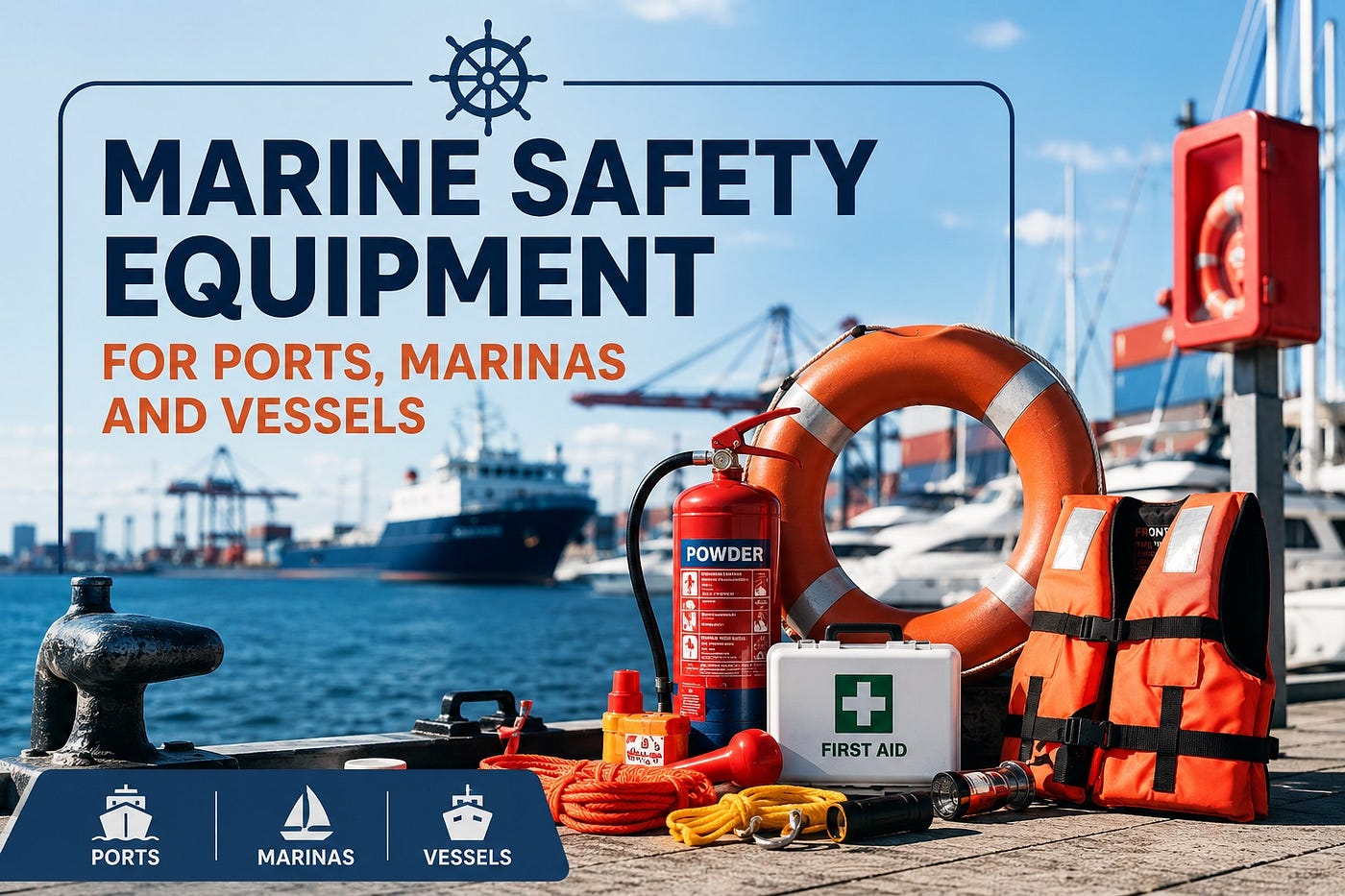
Boating and offshore work can be incredibly rewarding, but the ocean is unpredictable. Every year, maritime incidents highlight the importance of marine safety equipment and emergency preparedness. Whether you’re a commercial vessel operator, offshore worker, or recreational sailor, having the right tools onboard can save lives. Among the most crucial safety devices are the VHF marine radio, ACR EPIRB, and a well-stocked **Category C First Aid Kit**.
In this guide, we’ll explore why each of these tools is essential, how they work, and best practices for using them effectively.

Why Marine Safety Equipment Matters
At sea, accidents and emergencies can happen in seconds. Equipment that is reliable, properly maintained, and easy to use is critical to survival. Marine safety equipment serves three main purposes:
- Communication: Ensuring you can alert authorities or other vessels.
- Emergency Signaling: Allowing rescuers to locate you quickly.
- Medical Readiness: Providing immediate care in the event of injury.
Failing to equip a vessel with proper safety gear is not only risky — it can be against maritime regulations in many regions.
VHF Marine Radio: Your Lifeline at Sea
A **VHF marine radio** is one of the most important communication tools on any vessel. It allows real-time contact with nearby vessels, harbors, and coastguard services. In an emergency, a VHF radio can mean the difference between a quick rescue and a delayed response.
Key Advantages of VHF Marine Radios:
- Instant Communication: Voice channels allow rapid coordination with rescue teams.
- Emergency Channels: Channel 16 is monitored worldwide for distress calls.
- Weather Alerts: Many radios provide real-time updates to help you avoid storms.
- Portable Options: Handheld radios can supplement fixed installations.
VHF radios are not just safety equipment — they’re a legal requirement for many vessels. Choosing a certified, marine-grade model ensures consistent performance in rough conditions.
ACR EPIRB: Emergency Positioning at Its Best
Even the most prepared crew can face situations where immediate help isn’t nearby. This is where an ACR EPIRB (Emergency Position-Indicating Radio Beacon) becomes invaluable.
How ACR EPIRBs Work:
- Activation: Automatic or manual activation sends a distress signal.
- Satellite Transmission: Signals are transmitted via the COSPAS-SARSAT network.
- GPS Coordinates: Provides rescuers with your precise location.
- All-Weather Operation: Functions reliably day or night, in stormy conditions.
Regular testing and battery checks are critical to ensure your EPIRB will function when you need it most. Whether for offshore fishing, commercial shipping, or extended recreational trips, an EPIRB dramatically improves survival odds during emergencies.
Category C First Aid Kit: Prepared for Medical Emergencies
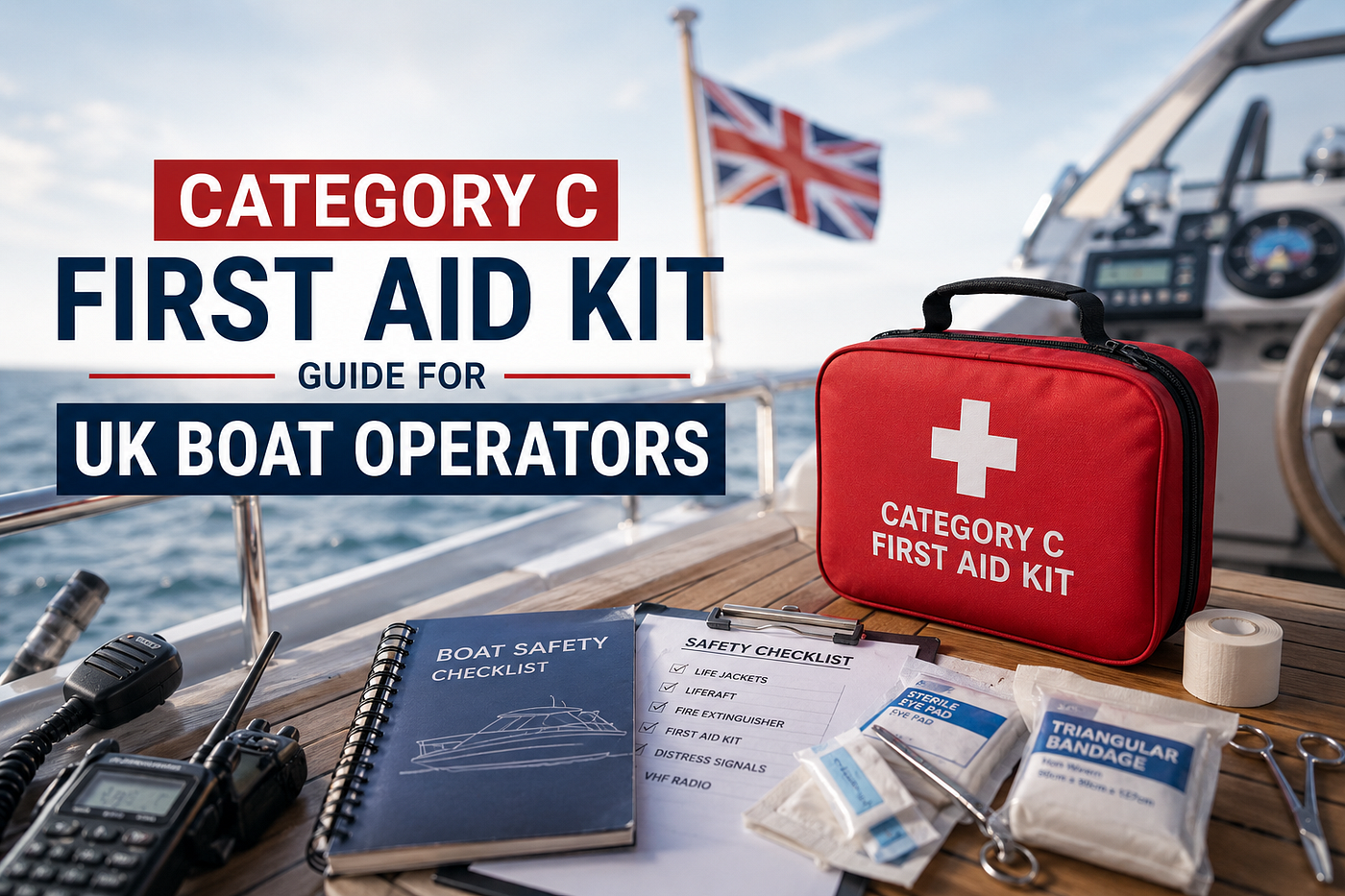
Medical incidents at sea are unavoidable, and immediate care can make a huge difference. A Category C First Aid Kit is designed for coastal and nearshore operations, providing the essential medical supplies needed to stabilize injuries or illness until professional help is available.
Typical Contents:
- Bandages, dressings, and sterile gauze
- Burn care and wound cleaning materials
- Eye wash solutions and gloves
- Basic medications for pain, allergic reactions, or minor burns
Why a Category C First Aid Kit is Critical:
- Ensures immediate response to injuries
- Maintains compliance with maritime regulations
- Supports crew welfare and emergency preparedness
- Complements onboard safety training
For vessels operating further offshore, larger Category A or B kits may be required, but a Category C kit offers a practical solution for most coastal activities.
Integrating Safety Equipment for Maximum Protection
Using VHF marine radios, ACR EPIRBs, and Category C First Aid Kits together creates a complete safety strategy:
- Communication: VHF radios connect you to nearby vessels and rescue services.
- Position Signaling: EPIRBs ensure you can be located even when you can’t communicate directly.
- Medical Response: First Aid Kits allow the crew to manage injuries until professional help arrives.
By integrating these tools into your vessel’s safety plan, you reduce risks, improve response times, and provide peace of mind for all on board.
Tips for Maintaining Your Safety Equipment
Owning safety equipment is not enough — you must ensure it is ready for use. Here are some maintenance tips:
- VHF Marine Radio: Regularly check battery life, antenna integrity, and channel access.
- **ACR EPIRB:** Test and service annually; replace batteries as recommended.
- Category C First Aid Kit: Inspect for expired or used items, and replenish supplies.
- Training: Conduct regular drills for man-overboard, fire, and medical emergencies. Familiarize the crew with each device.
Proper maintenance and routine drills ensure that the equipment functions as intended and that the crew can respond effectively under pressure.
People Also Ask
Q: What is the difference between a VHF radio and an EPIRB? A: A VHF radio allows real-time voice communication with nearby vessels or authorities, while an EPIRB automatically transmits your location to satellite networks for search and rescue.
Q: How often should a Category C First Aid Kit be checked? A: Inspect the kit regularly and replace expired supplies to maintain readiness and compliance.
Q: Can a VHF marine radio work in stormy conditions? A: Yes, certified marine VHF radios are designed to operate reliably in adverse weather.
Q: Do I need an EPIRB for coastal boating? A: While offshore vessels almost always require an EPIRB, coastal regulations vary. Check local maritime rules.
Conclusion
Being prepared at sea is about more than following regulations — it’s about protecting lives. Using VHF marine radios, ACR EPIRBs, and Category C First Aid Kits ensures communication, emergency signaling, and medical readiness. By integrating these devices into a consistent safety plan, maintaining them properly, and training your crew, you significantly improve your safety and peace of mind while navigating the unpredictable waters of the open sea.
메타데이터
- post_id
- bf130403ea0b
- slug
- marine-safety-essentials-vhf-marine-radio-acr-epirb-and-category-c-first-aid-kit-bf130403ea0b
- url
- https://medium.com/@adecmarine26/marine-safety-essentials-vhf-marine-radio-acr-epirb-and-category-c-first-aid-kit-bf130403ea0b
- canonical_url
- https://medium.com/@adecmarine26/marine-safety-essentials-vhf-marine-radio-acr-epirb-and-category-c-first-aid-kit-bf130403ea0b
- author_url
- https://medium.com/@adecmarine26
- status
- ok
- fetched_at
- 2026-08-09 19:35:47