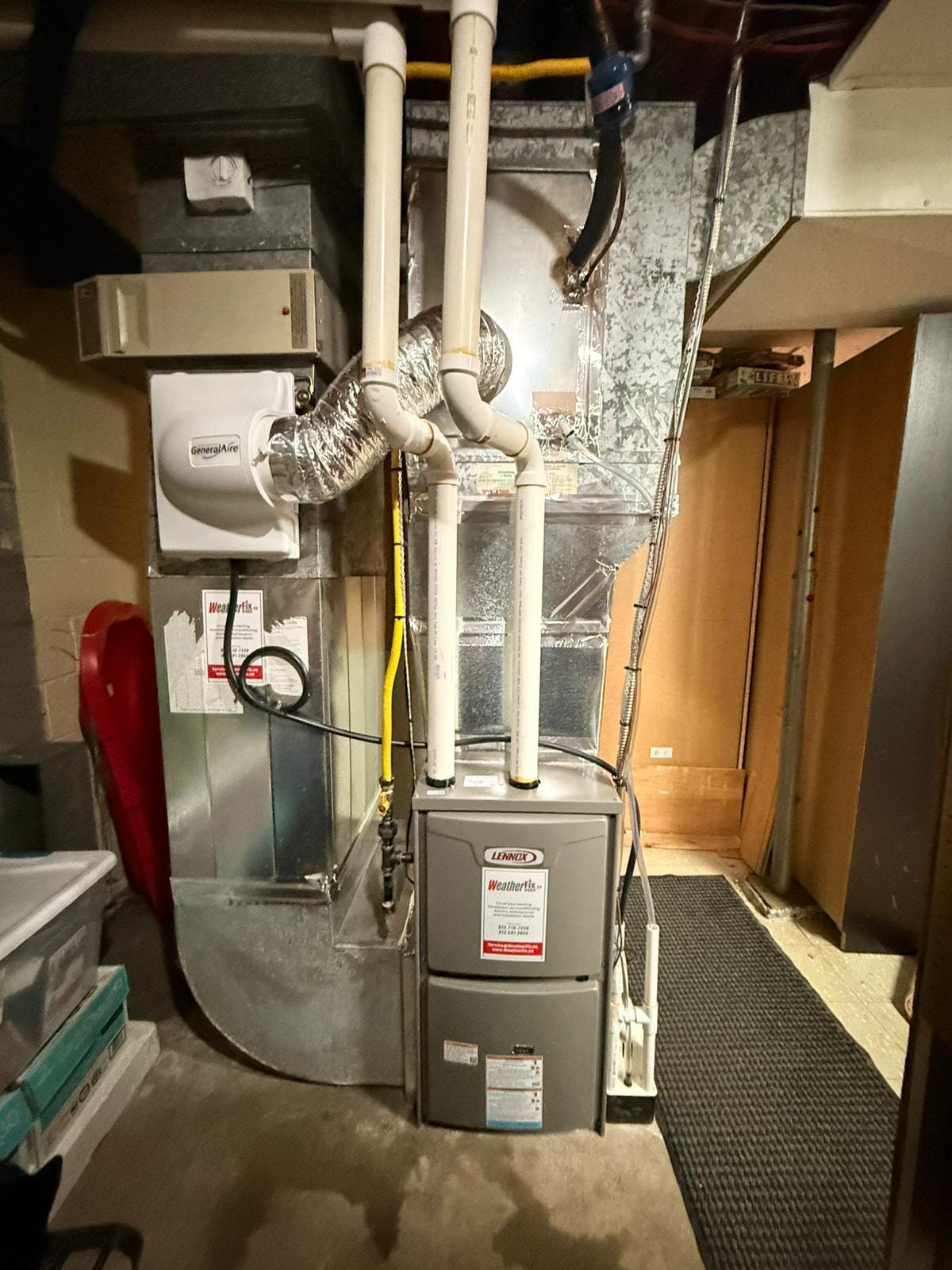
Boiler Installation in Ottawa: What Homeowners Should Know
When winter temperatures drop in Ottawa, a reliable heating system becomes essential for comfort and safety. Many homes across the city…
Boiler Installation in Ottawa: What Homeowners Should Know
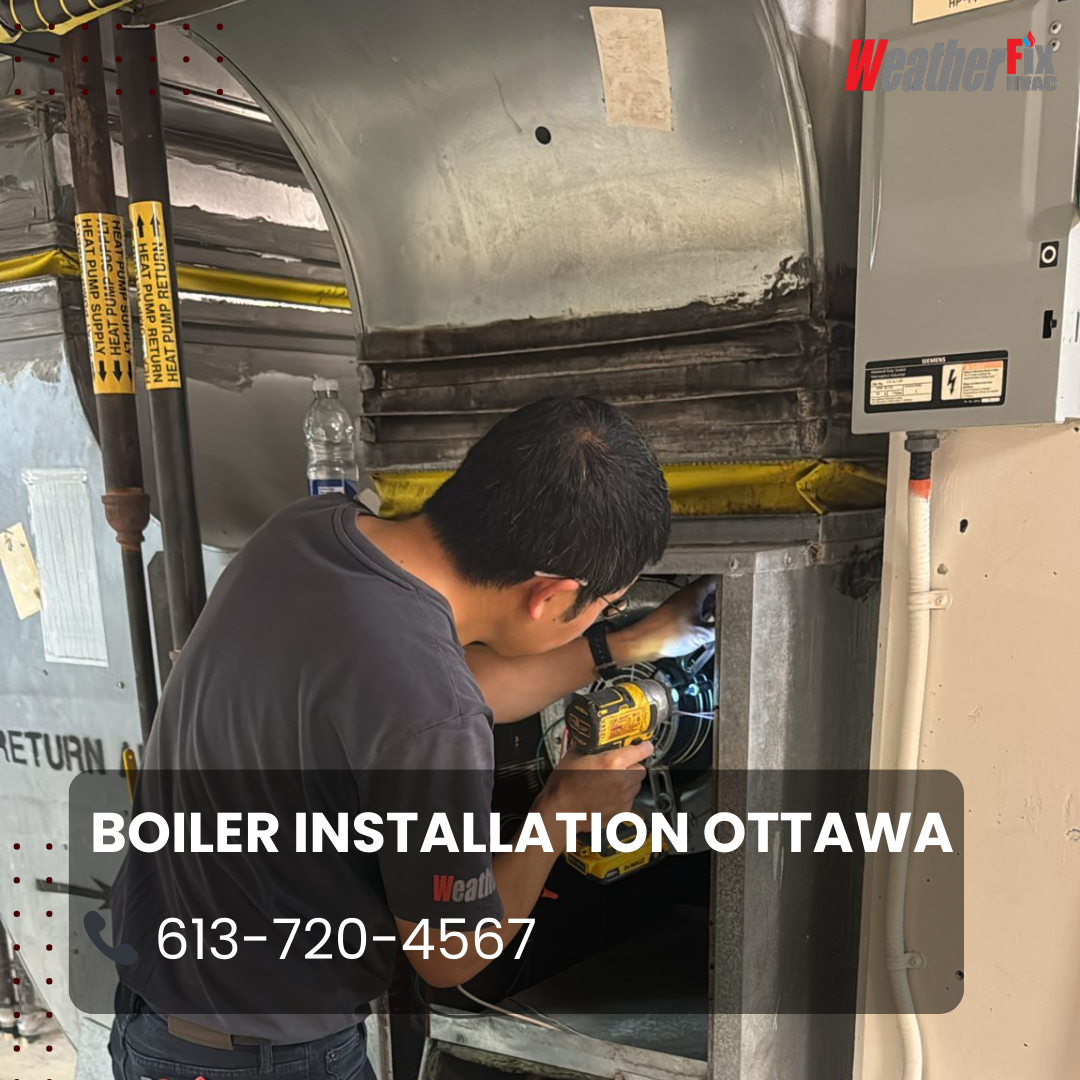
When winter temperatures drop in Ottawa, a reliable heating system becomes essential for comfort and safety. Many homes across the city rely on boilers as a primary heating solution because they provide consistent warmth and can operate efficiently during extremely cold conditions. Understanding how boiler systems work, when installation is necessary, and what homeowners should consider before installing one can help make the process smoother and more cost-effective.
Understanding Boiler Heating Systems
A boiler is a heating appliance that warms water and distributes heat throughout a building. Instead of blowing hot air like a furnace, a boiler system heats water and circulates it through radiators, baseboard heaters, or radiant floor systems. The heated water releases warmth into the surrounding space, creating an even and comfortable indoor environment.
This type of heating system is especially popular in colder climates because it provides steady heat without the temperature fluctuations sometimes experienced with forced-air systems. Additionally, many homeowners appreciate the quiet operation and the lack of airborne dust movement often associated with ducted systems.
Boilers can operate using various fuel sources, including natural gas, electricity, oil, or propane. Modern systems are designed to be energy-efficient and environmentally conscious while maintaining reliable heating performance during long winters.
Why Boiler Installation Matters in Cold Climates
In a city like Ottawa, heating systems must be capable of handling extended periods of freezing temperatures. A properly installed boiler ensures that a home stays warm even when outdoor temperatures drop significantly.
Installation quality is crucial because even the most advanced boiler technology will not perform well if the system is poorly installed. Factors such as pipe layout, pressure levels, radiator placement, and system balancing all influence the efficiency and effectiveness of the heating system.
A well-installed boiler system offers several benefits:
- Consistent and comfortable indoor temperatures
- Long system lifespan with proper maintenance
- Improved energy efficiency compared to outdated heating equipment
- Reduced noise during operation
- Better heat distribution throughout the home
These advantages make boilers a practical heating solution for many residential and commercial properties.
Signs a New Boiler Installation May Be Needed
While boilers are known for their durability, they do not last forever. Many systems operate effectively for 15–20 years, but performance may decline as components age.
Some common signs that a new boiler installation may be necessary include:
- Frequent breakdowns or costly repairs
- Uneven heating in different rooms
- Rising energy bills despite similar usage
- Strange noises such as banging or whistling
- Difficulty maintaining consistent indoor temperatures
In these situations, replacing the system with a modern high-efficiency model can often improve comfort and reduce long-term operating costs.
Choosing the Right Boiler System
Selecting the right boiler depends on several factors, including the size of the home, insulation quality, heating requirements, and available fuel sources. Modern boilers are designed to meet different needs and preferences.
Common boiler types include:
Combi Boilers These units provide both home heating and hot water from a single compact system. They are popular for smaller homes because they save space and eliminate the need for a separate water tank.
System Boilers System boilers use a separate hot water cylinder but store some components internally. They work well in homes that require higher hot water capacity.
Conventional Boilers Also known as traditional boilers, these systems use both a hot water tank and a cold water storage tank. They are often found in older homes with existing radiator systems.
Choosing the right type ensures that the heating system operates efficiently and meets the household’s daily demands.
The Boiler Installation Process
Installing a boiler is a complex task that requires professional knowledge of heating systems, plumbing, and safety regulations. The process usually involves several steps.
First, technicians evaluate the property to determine the appropriate boiler size and system configuration. This assessment includes examining the existing heating infrastructure, insulation levels, and the number of radiators.
Next, the old heating system is removed if a replacement is being installed. New piping, valves, and controls may also be added or upgraded during this stage.
After the new boiler is positioned and connected, technicians test the system to ensure proper pressure levels, water circulation, and thermostat functionality. Safety checks are also conducted to confirm that the system operates according to local building standards.
Energy Efficiency and Modern Boiler Technology
Modern boiler technology has advanced significantly in recent years. Many systems now include condensing technology, which captures and reuses heat that would otherwise escape through the exhaust system.
High-efficiency boilers can achieve efficiency ratings above 90 percent, helping homeowners reduce energy consumption while maintaining comfortable indoor temperatures. Smart thermostats and programmable heating controls can further improve efficiency by adjusting heating output based on household schedules.
These technological improvements make modern boilers more environmentally friendly and cost-effective than many older heating systems.
Maintaining a Boiler After Installation
Even the best boiler system requires regular maintenance to operate safely and efficiently. Annual inspections help identify potential issues before they turn into expensive repairs.
Routine maintenance tasks often include:
- Checking system pressure and temperature settings
- Inspecting valves, pumps, and expansion tanks
- Flushing the system to remove sediment buildup
- Testing safety controls and thermostats
Professional HVAC providers such as WeatherFix HVAC often recommend annual service to ensure the system continues performing reliably throughout the winter season.
Final Thoughts
Boilers remain one of the most dependable heating options for homes in colder climates. With proper installation and routine maintenance, these systems can deliver consistent warmth and long-term efficiency. For homeowners in Ottawa, understanding the basics of boiler installation helps ensure they choose the right system and maintain comfortable living conditions throughout the coldest months of the year.
메타데이터
- post_id
- bf205fd07307
- slug
- boiler-installation-in-ottawa-what-homeowners-should-know-bf205fd07307
- url
- https://medium.com/@Mohannad-Krayem/boiler-installation-in-ottawa-what-homeowners-should-know-bf205fd07307
- canonical_url
- https://medium.com/@Mohannad-Krayem/boiler-installation-in-ottawa-what-homeowners-should-know-bf205fd07307
- author_url
- https://medium.com/@Mohannad-Krayem
- status
- ok
- fetched_at
- 2026-07-28 12:37:32