Material Convergence in Commercial Display Design: Why Plastics Must Simulate Glass
Cylindrical translucent pink and purple mica perfume display dummies with matte gold caps and central pink labels shown inside a workshop.
Material Convergence in Commercial Display Design: Why Plastics Must Simulate Glass
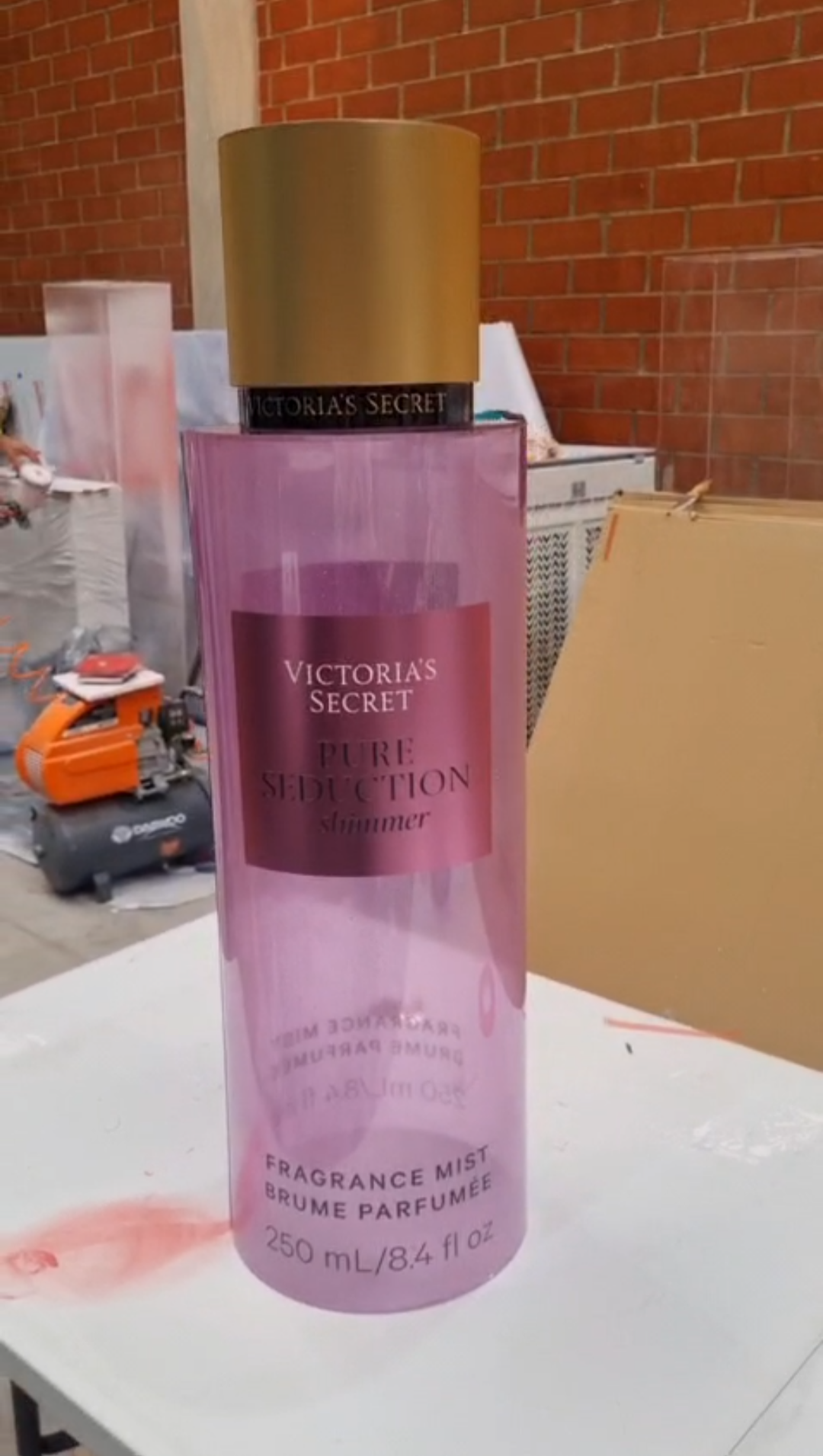
Cylindrical translucent pink and purple mica perfume display dummies with matte gold caps and central pink labels shown inside a workshop.
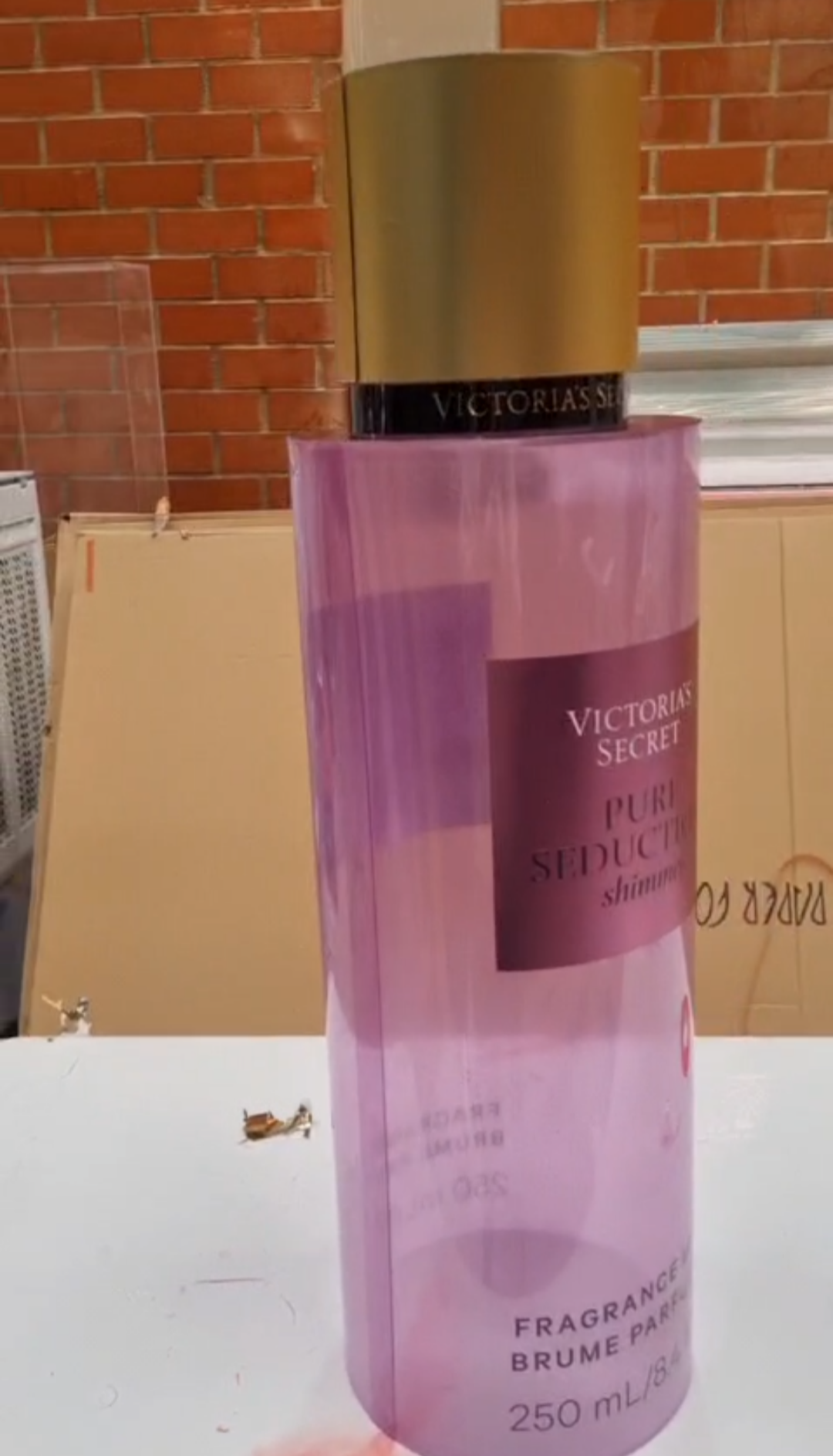
Cylindrical translucent pink and purple mica perfume display dummies with matte gold caps and central pink labels shown inside a workshop.
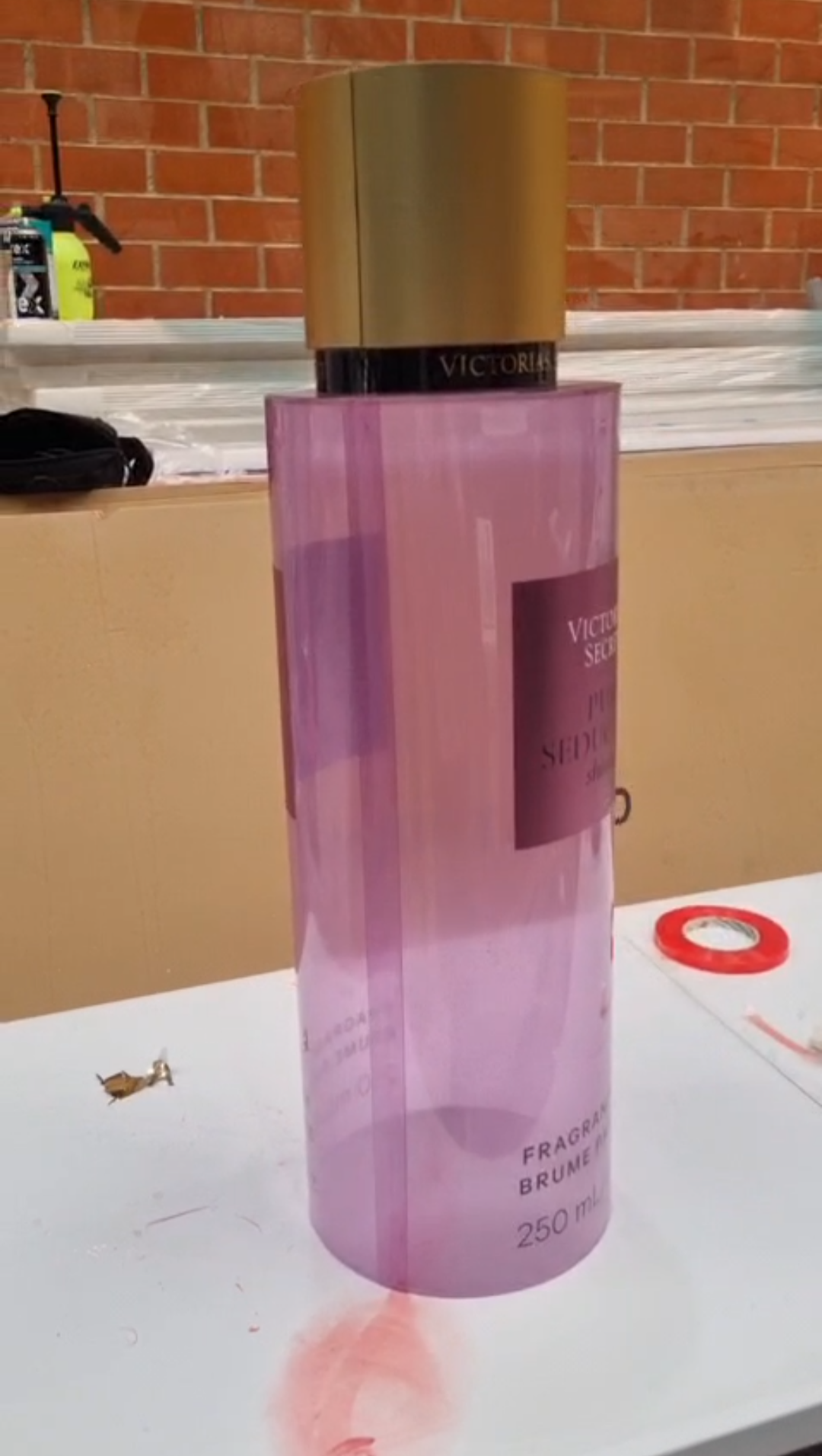
Cylindrical translucent pink and purple mica perfume display dummies with matte gold caps and central pink labels shown inside a workshop.
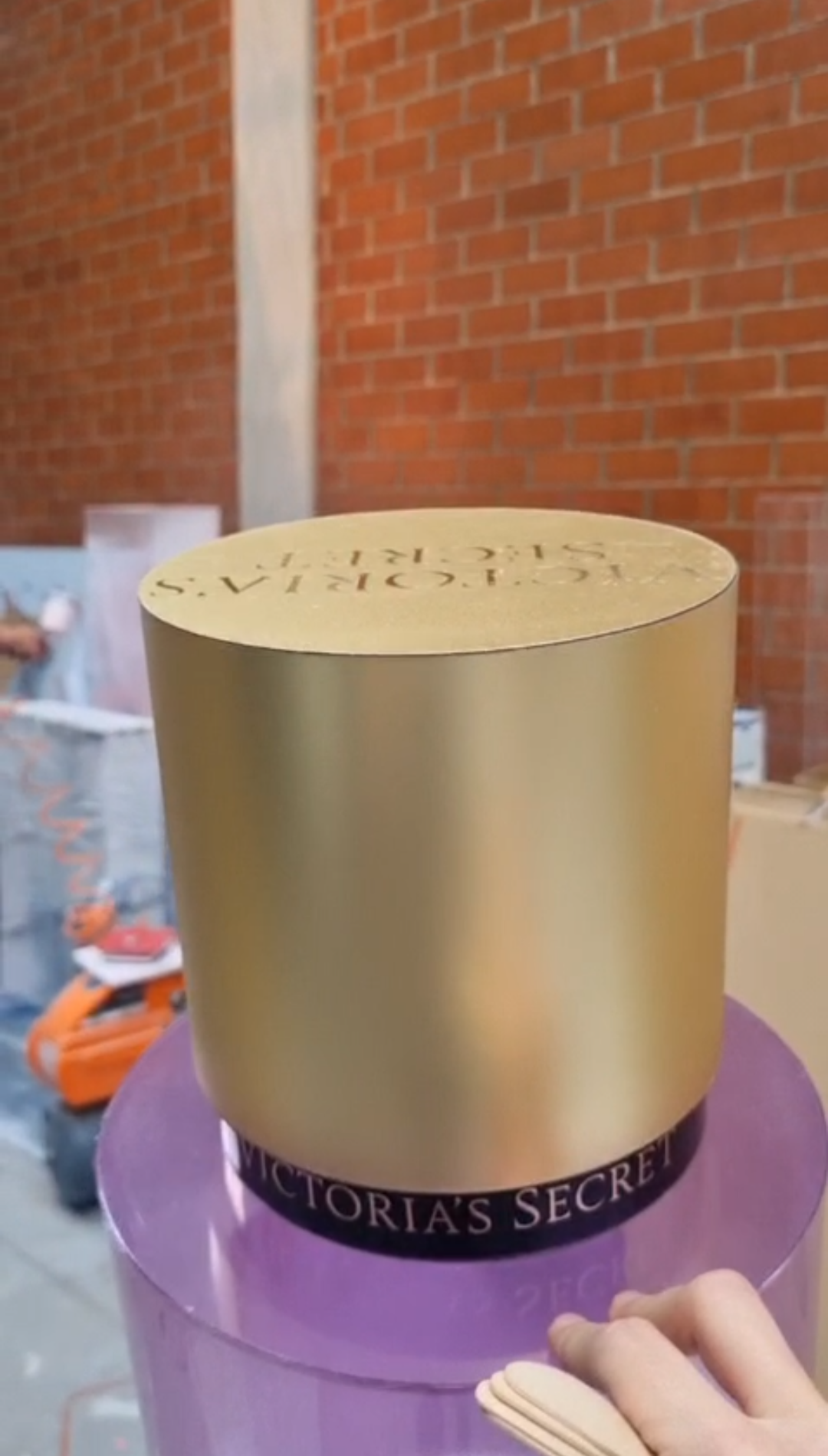
Cylindrical translucent pink and purple mica perfume display dummies with matte gold caps and central pink labels shown inside a workshop.
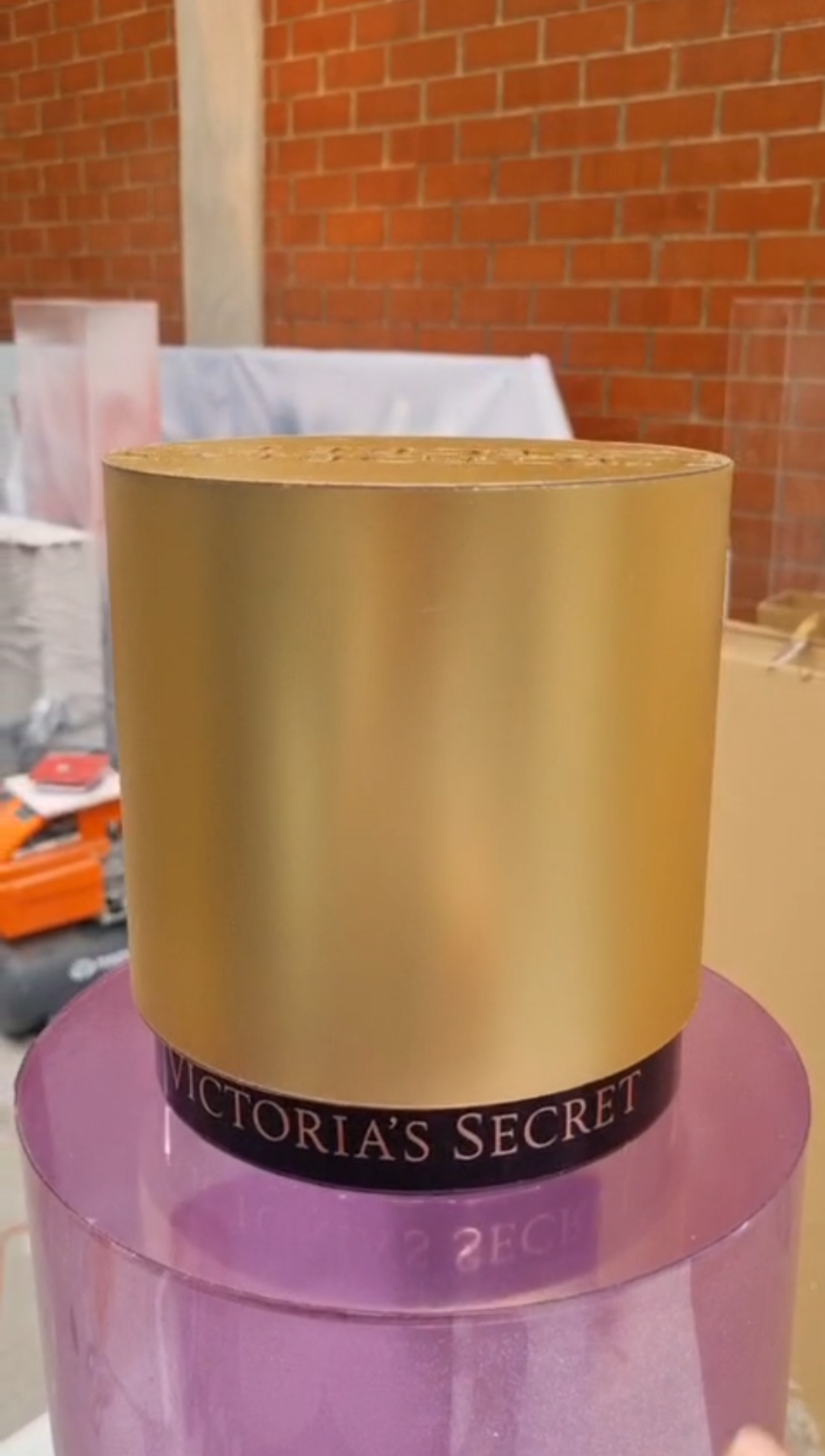
Cylindrical translucent pink and purple mica perfume display dummies with matte gold caps and central pink labels shown inside a workshop.
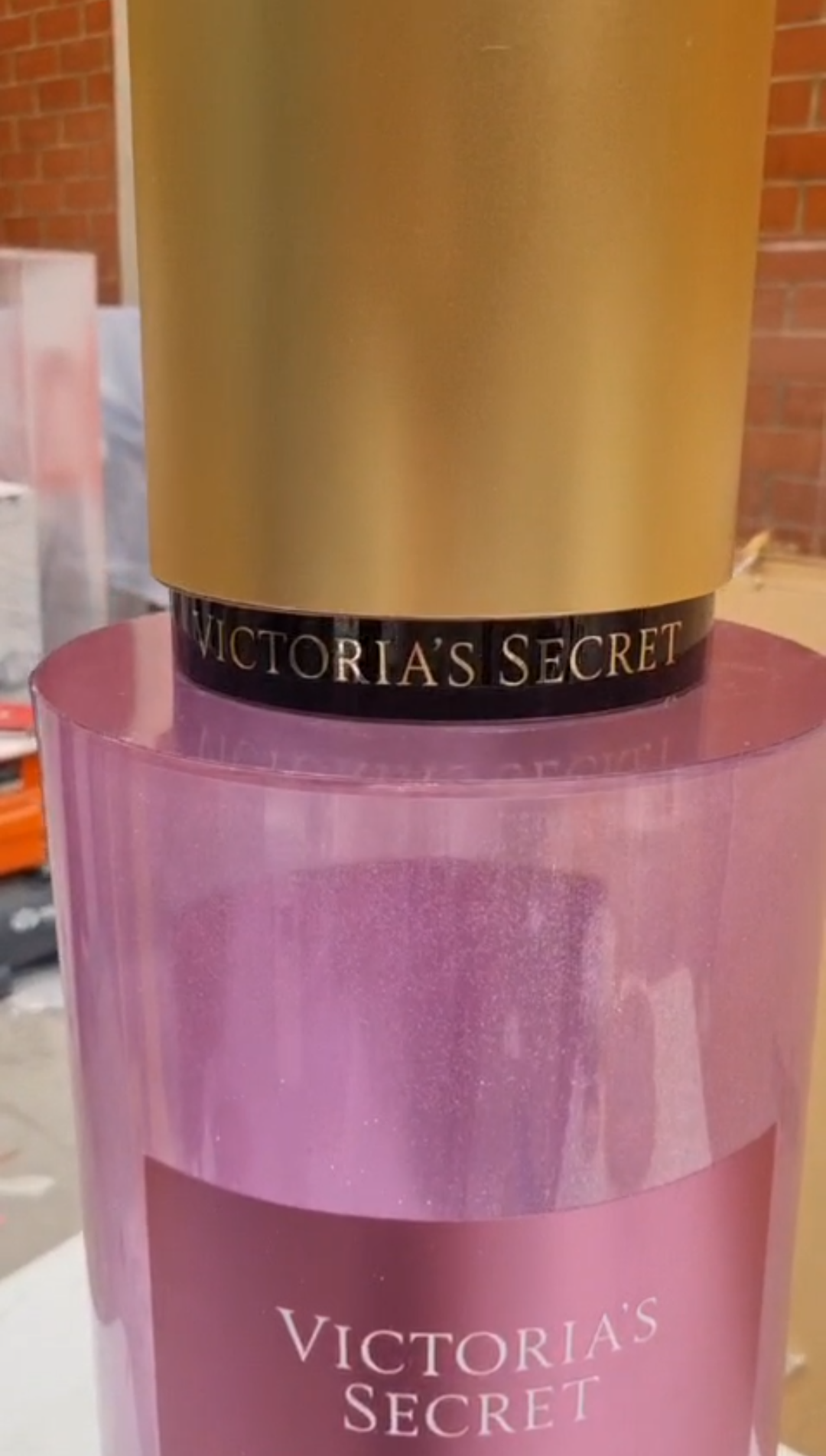
Cylindrical translucent pink and purple mica perfume display dummies with matte gold caps and central pink labels shown inside a workshop.
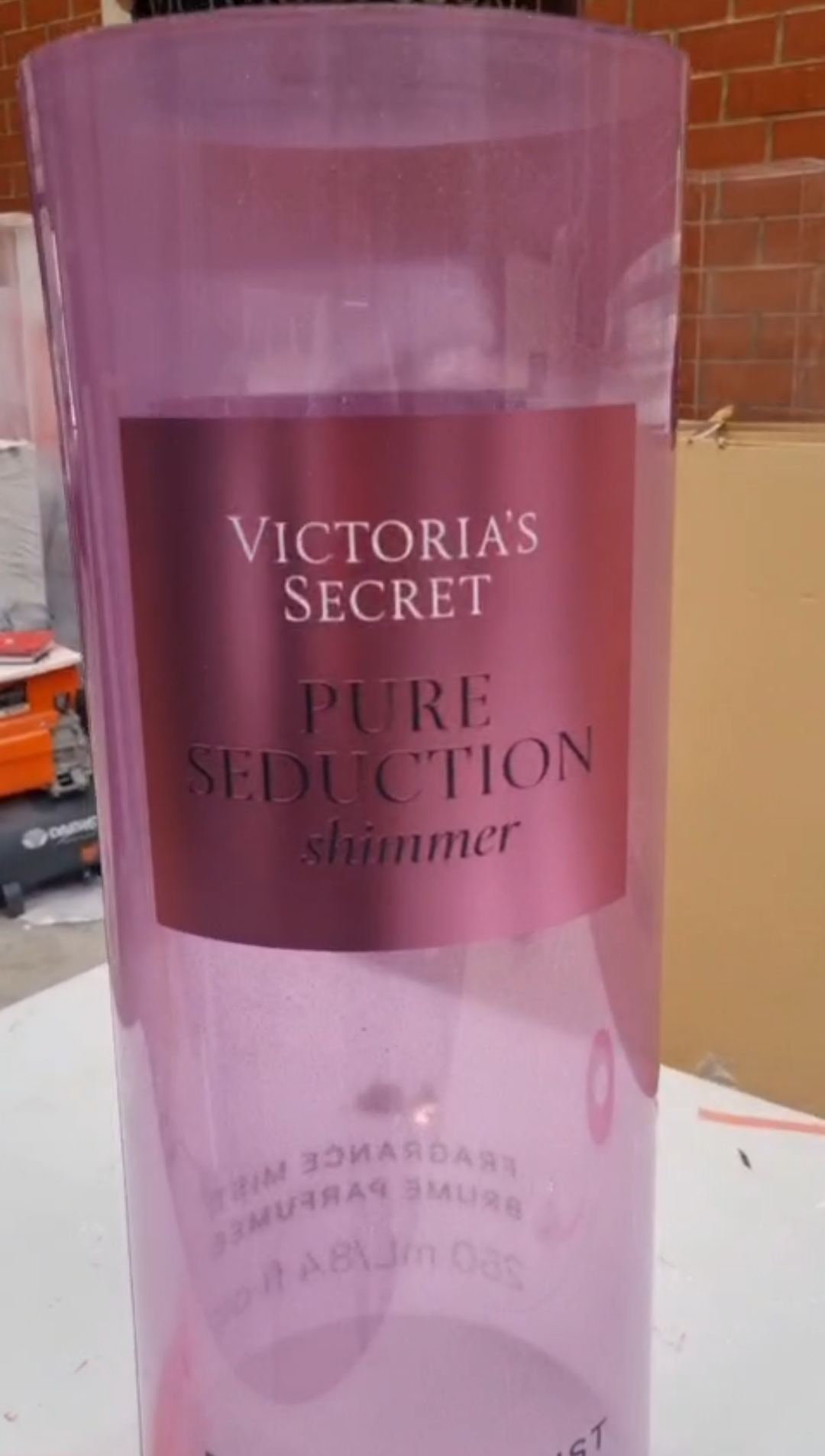
Cylindrical translucent pink and purple mica perfume display dummies with matte gold caps and central pink labels shown inside a workshop.
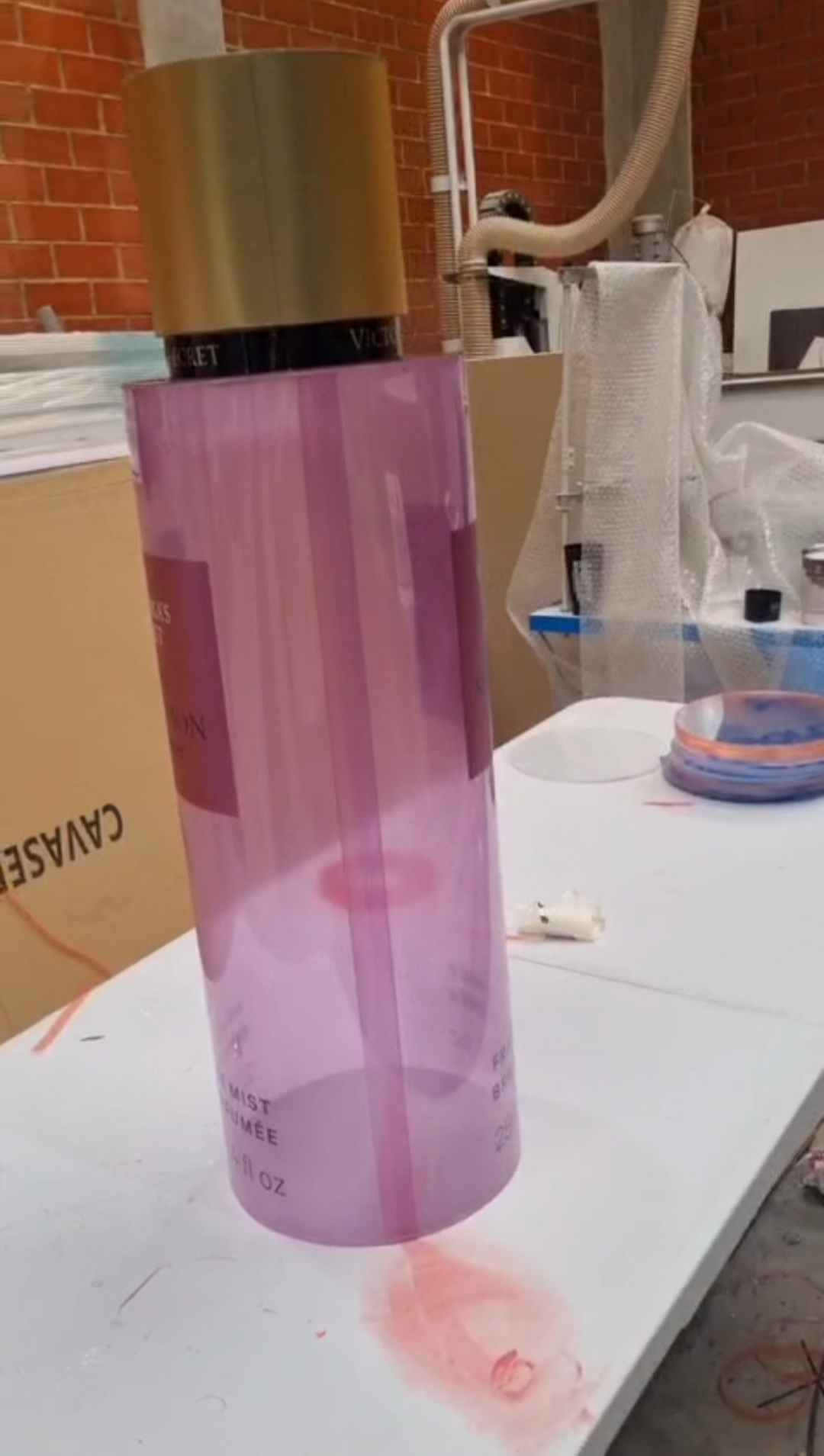
Cylindrical translucent pink and purple mica perfume display dummies with matte gold caps and central pink labels shown inside a workshop.
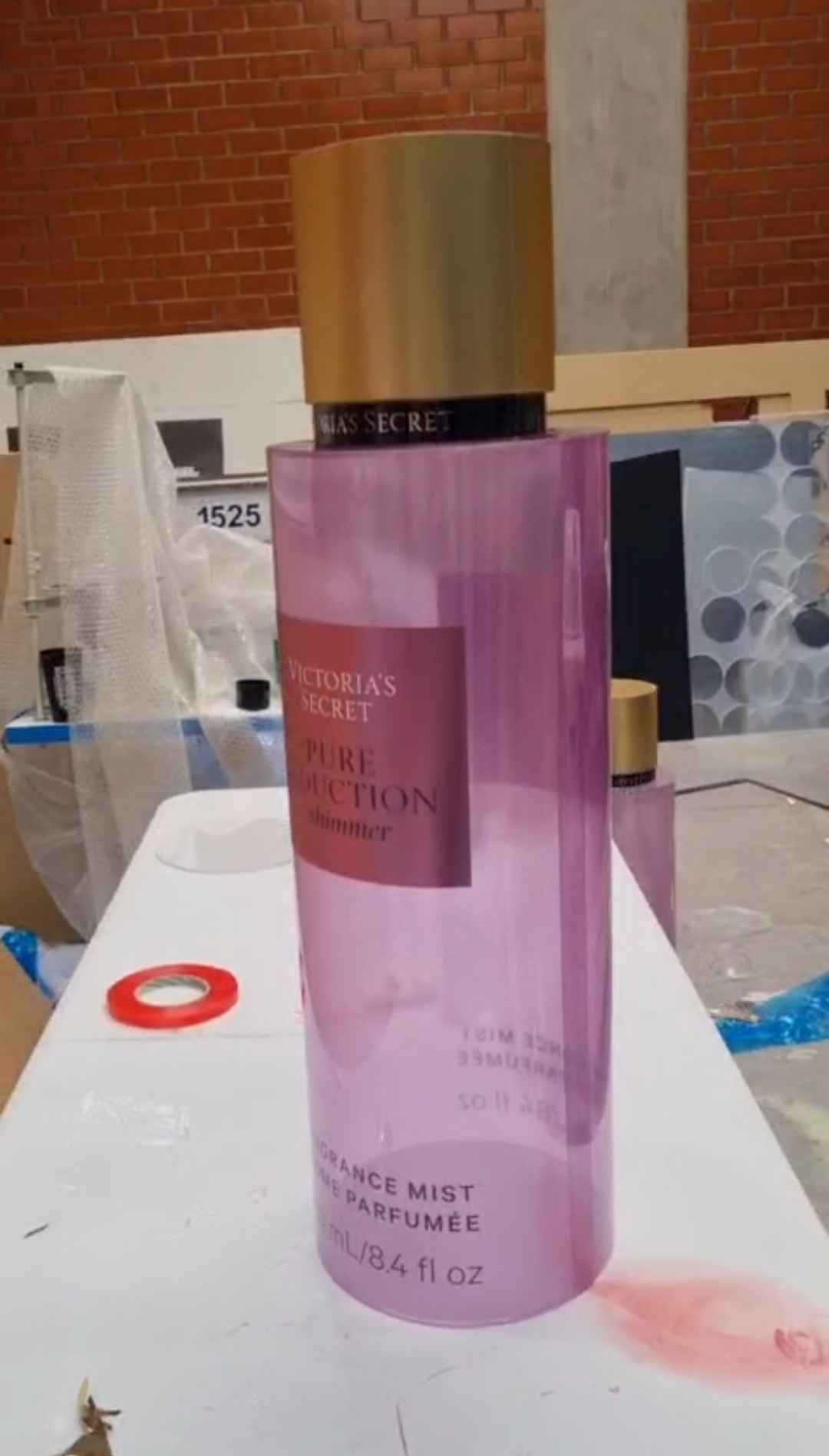
Cylindrical translucent pink and purple mica perfume display dummies with matte gold caps and central pink labels shown inside a workshop.
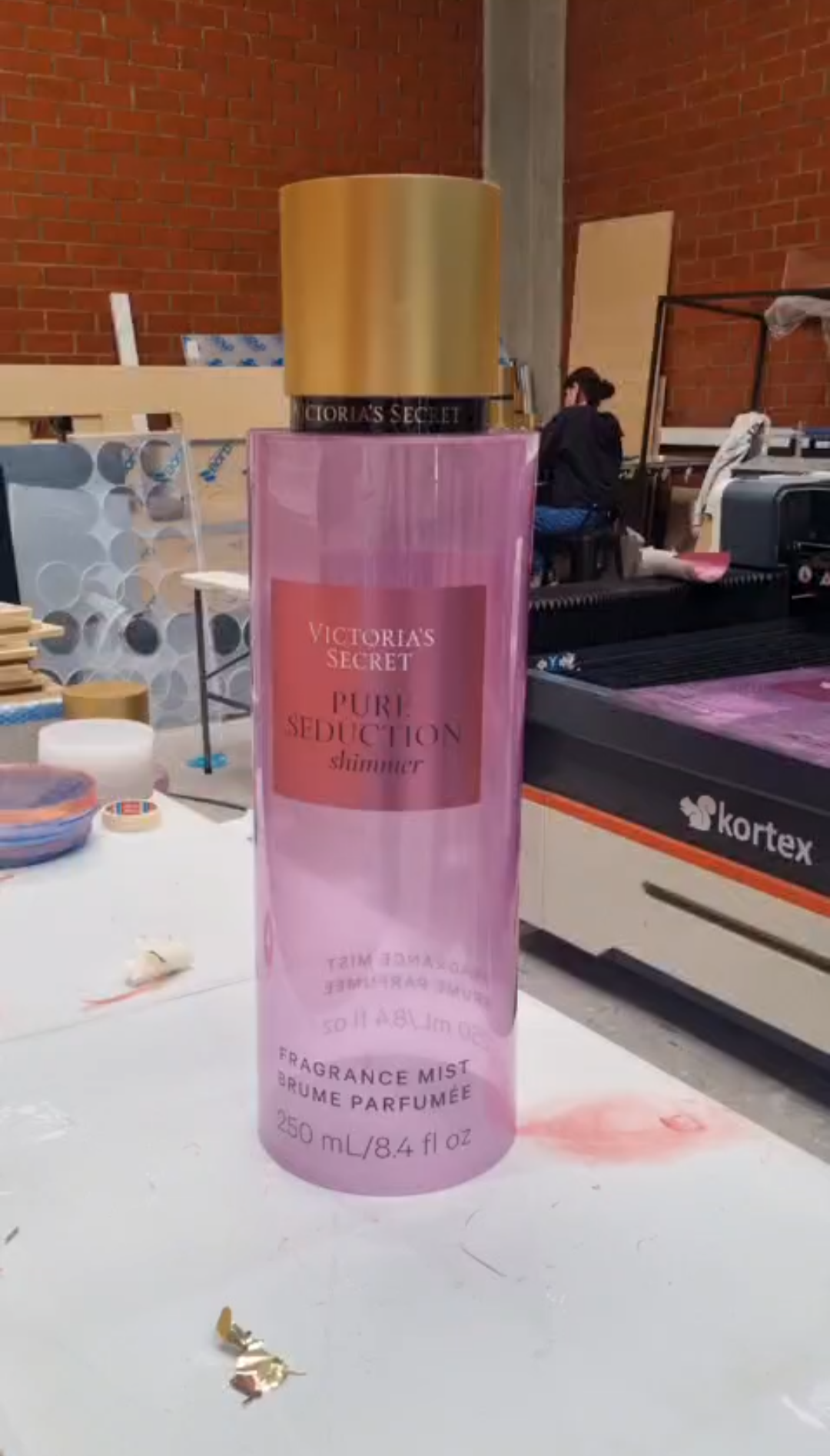
Cylindrical translucent pink and purple mica perfume display dummies with matte gold caps and central pink labels shown inside a workshop.
In the contemporary retail landscaping market, visual presentation dictates consumer engagement, yet logistics and store safety regulate reality. Utilizing actual glass and liquid products in high-exposure display cases introduces unnecessary corporate risks, including structural glass fatigue, liquid evaporation under warm spotlights, and high freight costs. This reality makes the engineering of high-fidelity material replicas a technical necessity for international brand deployments.
My development process centers on using high impact polystyrene paired with transparent engineering mica to build structural perfume dummies. Mica provides the necessary elasticity and transparency to mirror glass refraction, while high impact polystyrene offers a rigid, machinable substrate for intricate cap detailing and structural reinforcement. When these materials are assembled with eco-solvent printed technical adhesives, the resulting component withstands extreme handling and thermal variance during global shipping. Shifting the manufacturing focus from temporary promotional props to durable, technically calibrated industrial replicas allows brands to secure long-term visual consistency across hundreds of international points of sale. As automated manufacturing and synthetic substrates continue to evolve, how can industrial designers further optimize the chemical bonding of dissimilar polimer structures to eliminate mechanical fasteners entirely in commercial prototypes?
VisualMerchandising #IndustrialDesign #Prototyping #MaterialScience #RetailEngineering
메타데이터
- post_id
- bf2e73ce86ab
- slug
- material-convergence-in-commercial-display-design-why-plastics-must-simulate-glass-bf2e73ce86ab
- url
- https://medium.com/@dragoneburneo/material-convergence-in-commercial-display-design-why-plastics-must-simulate-glass-bf2e73ce86ab
- canonical_url
- https://medium.com/@dragoneburneo/material-convergence-in-commercial-display-design-why-plastics-must-simulate-glass-bf2e73ce86ab
- author_url
- https://medium.com/@dragoneburneo
- status
- ok
- fetched_at
- 2026-06-23 03:48:11