Stripe’s Agentic Commerce Workshop
I attended Stripe’s Sessions conference this year from April 29–30. My interest in payment gateways dates back to 2015–16, when I attempted…
Stripe’s Agentic Commerce Workshop
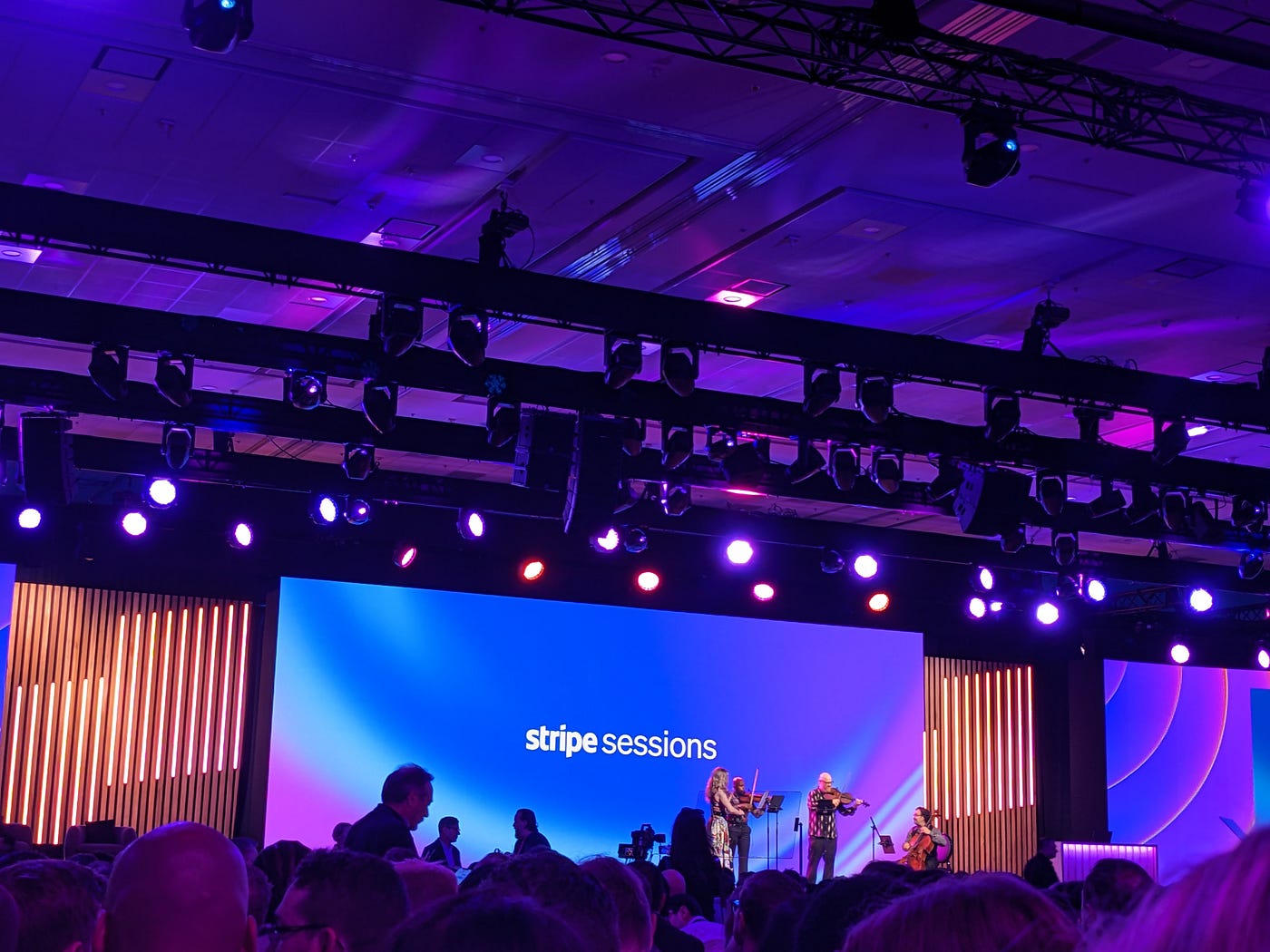
Sessions 2026
I attended Stripe’s Sessions conference this year from April 29–30. My interest in payment gateways dates back to 2015–16, when I attempted to launch a niche e-commerce site focused on sustainability. Since then, through various engineering stints in finance departments, I’ve closely followed the space. I went into the conference curious and pushing myself outside my comfort zone. After a two-hour morning commute, I reached Moscone West by 9:00 AM, ready to see where the payment industry is heading in this “agentic era”.
The first day was packed with keynote events and lightning talks, providing a solid overview of Stripe’s newest products and the ecosystem they are building. On the second day, following the morning keynote, I attended the “Build an Agentic Commerce Solution” workshop.
In the workshop, I implemented several concepts introduced on day one:
-
Universal Commerce Protocol (UCP): A standard communication format between Agents (ChatGPT, Gemini, Claude, etc.), Merchants (third-party services like Nordstrom, REI, GAP, etc.), and Payment Processors (Stripe, PayPal, etc).
-
Shared Payment Tokens (SPT): A method for secure communication between a user’s Stripe profile and merchants via an agent.
-
Radar: Stripe’s specialized tool for detecting unusual financial transaction activity.
This is the architecture of the agentic commerce solution we built:
┌──────────────┐     ┌──────────────────────┐     ┌─────────────────┐
│   Frontend   │────►│   Agent Service      │────►│ Merchant Service│
│              │◄────│                      │◄────│                 │
└──────────────┘     └──────────┬───────────┘     └─────────────────┘
                               │
                     ┌─────────┴─────────┐
                     │                   │
              ┌──────▼──────┐    ┌───────▼───────┐
              │ AI Service  │    │ Stripe Proxy  │
              │ (LLM)       │    │ (Lambda)      │
              └─────────────┘    └───────────────┘
From the workshop I learned:
- How agents communicate with merchant services using defined JSON schema. For example a merchant responds to agent’s request for a product, book — The Hobbit, in this format:
{
"id": "BOOK-001",
"type": "Fiction",
"author": "JRR Tolkiens",
"title": "The Hobbit",
"price": 16,
"currency": "USD",
"description": "A whimsical tour",
"category": "Fantasy Fiction",
"stock": 25,
"selectors": {
    "genre": ["Fantasy Fiction", "Epic"],
    "themes": ["Philosophical"],
    "mood": ["Immersive"],
    "length": "Medium",
    "difficulty": "Moderate"
    }
}
will have a defined JSON schema like this:
{
  "name": "product_description",
  "description": "Product Description",
  "type": "object",
  "required": ["id", "type", "author", "title","price","currency", "description", "category", "stock", "selectors"
  ],
  "properties": {
    "id": {
      "type": "string"
    },
    "type": {
      "type": "string"
    },
    "author": {
      "type": "string"
    },
    "title": {
      "type": "string"
    },
    "price": {
      "type": "integer"
    },
    "currency": {
      "type": "string"
    },
    "description": {
      "type": "string"
    },
    "category": {
      "type": "string"
    },
    "stock": {
      "type": "integer"
    },
    "selectors": {
      "type": "object",
      "required": ["genre", "themes", "mood", "length", "difficulty"],
      "properties": {
        "genre": {
          "type": "array",
          "items": { "type": "string" }
        },
        "themes": {
          "type": "array",
          "items": { "type": "string" }
        },
        "mood": {
          "type": "array",
          "items": { "type": "string" }
        },
        "length": {
          "type": "string"
        },
        "difficulty": {
          "type": "string"
        }
      }
    }
  }
}
UCP establishes these standards to ensure consistent, predictable responses across merchants.
- The need for various security verifications in different steps of communication between services (machines), validation of successful transactions to be communicated using a webhook (one-way data sharing triggered by events) — Stripe decrementing merchant’s stock on a successful sale.
Ultimately, I see agentic solutions as natural language-driven automation. This level of automation between disparate services requires a standardized communication “language”, and Stripe is positioning itself to be that standard for the agentic era. As the saying goes, we are standing on the shoulders of giants — leveraging years of progress in Networking, Natural Language Processing (NLP), and Cryptography to make machine-to-machine commerce secure and seamless.
I learned a lot! A huge shout out to Liam O’Neil for leading the workshop and to everyone involved in making this event happen.
This is a starter kit.
메타데이터
- post_id
- bf2fe48b8858
- slug
- stripes-agentic-commerce-workshop-bf2fe48b8858
- url
- https://medium.com/@khambud/stripes-agentic-commerce-workshop-bf2fe48b8858
- canonical_url
- https://medium.com/@khambud/stripes-agentic-commerce-workshop-bf2fe48b8858
- author_url
- https://medium.com/@khambud
- status
- ok
- fetched_at
- 2026-08-10 18:01:24



