What Is a Shampoo Bar? A Practical Guide for Modern Hair Care Brands
For many consumers, shampoo still means a liquid product in a plastic bottle. It is familiar, easy to use, and widely available across…
What Is a Shampoo Bar? A Practical Guide for Modern Hair Care Brands
For many consumers, shampoo still means a liquid product in a plastic bottle. It is familiar, easy to use, and widely available across supermarkets, salons, hotels, and online stores.
But the hair care market is changing.
More consumers are paying attention to packaging waste, ingredient safety, travel convenience, and long-term scalp care. At the same time, brands are looking for products that are easier to differentiate, easier to ship, and easier to position in sustainable beauty categories.
This is where shampoo bars are becoming important.
A shampoo bar is not just “soap for hair.” It is a solid hair cleansing product designed to clean the scalp and hair while supporting different formula directions, packaging concepts, and market positioning.
For brand owners, wholesalers, importers, distributors, and e-commerce sellers, understanding shampoo bars is not only about product knowledge. It is also about identifying a practical product category for future hair care growth.
What Is a Shampoo Bar?
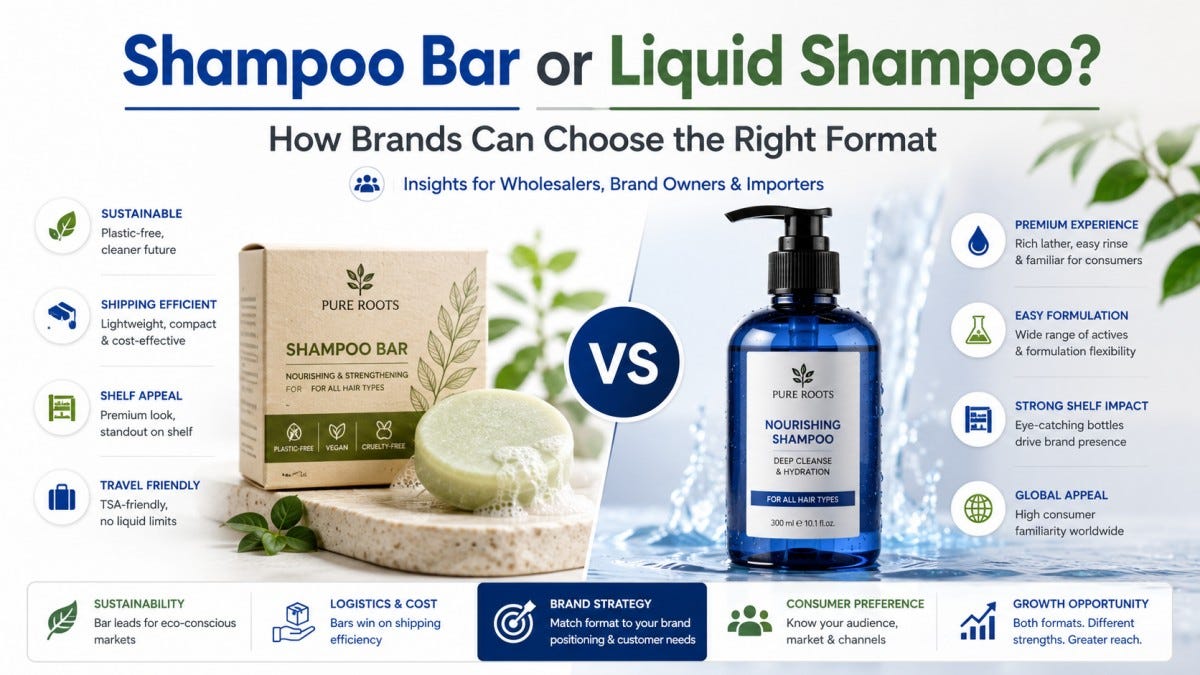
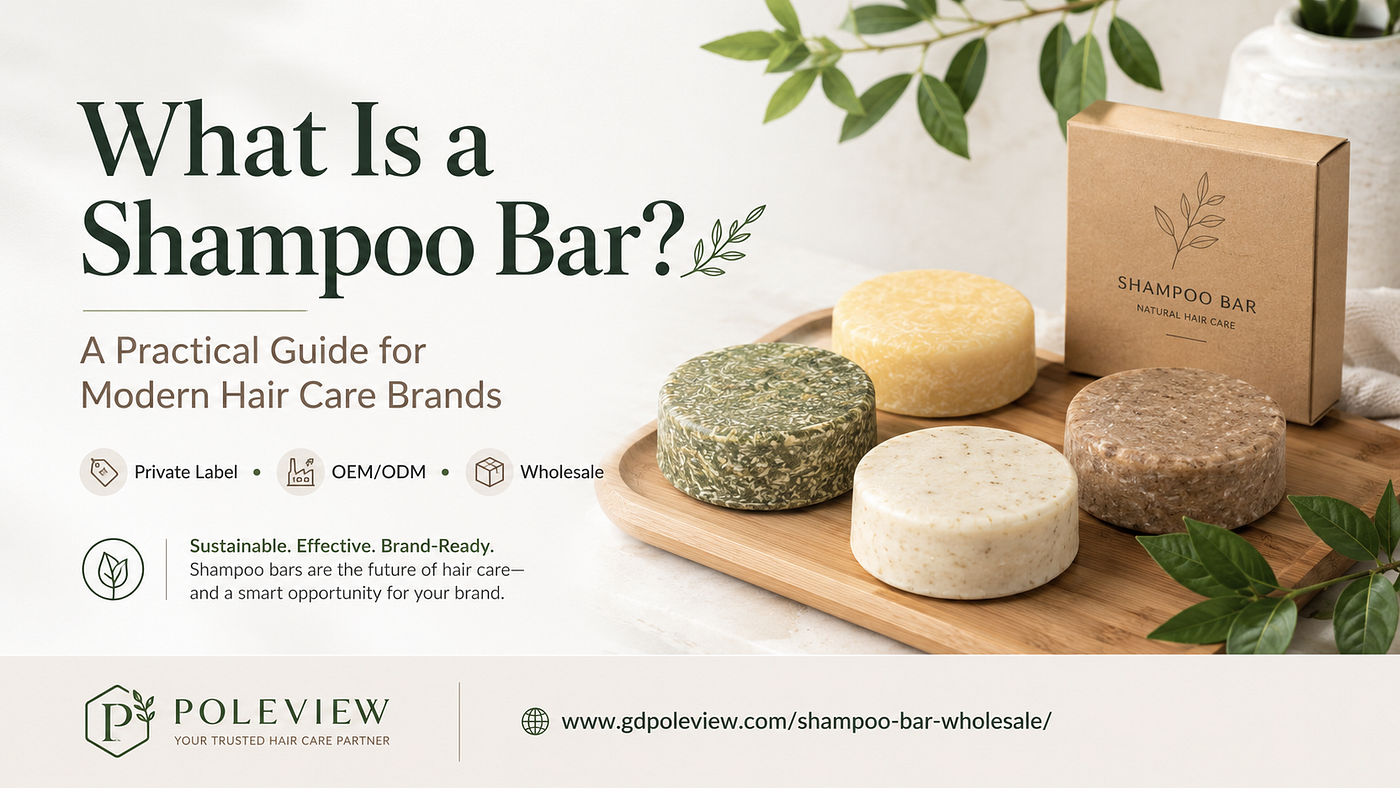
A shampoo bar is a solid form of shampoo. Instead of being packaged as a liquid in a plastic bottle, it is usually made into a compact bar format.
In simple terms, it can be understood as a more concentrated hair cleansing product with less water content and less dependence on plastic packaging.
However, a good shampoo bar is not the same as ordinary body soap.
A properly developed shampoo bar should be designed for hair and scalp use. It needs to consider cleansing performance, foam quality, scalp comfort, hair feel after rinsing, and compatibility with different hair types.
This is why formulation is important.
For brands, the value of a shampoo bar does not only come from its shape. It comes from the combination of formula, packaging, product positioning, and user experience.
How Does a Shampoo Bar Work?
A shampoo bar works in a similar way to liquid shampoo. When the bar comes into contact with water and is rubbed between the hands or directly on wet hair, it creates foam.
That foam helps lift oil, sweat, dirt, and styling residue from the scalp and hair surface. After rinsing, the impurities are washed away.
Modern shampoo bars can also include different ingredient directions, such as:
- Plant-based oils
- Gentle cleansing agents
- Moisturizing ingredients
- Botanical extracts
- Scalp care ingredients
- Hair conditioning components
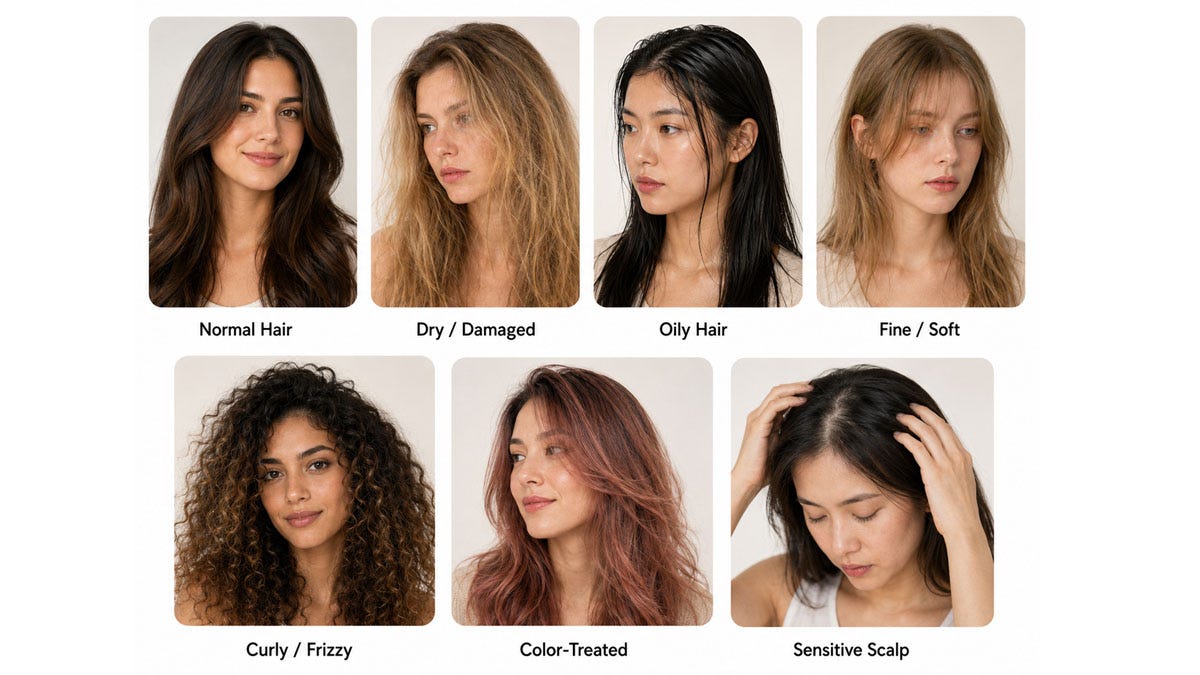
This allows shampoo bars to serve different needs, including dry hair, oily scalp, damaged hair, color-treated hair, sensitive scalp, curly hair, or daily cleansing.
For B2B product development, this flexibility is one of the strongest reasons to consider shampoo bars as a full product line rather than a single item.
Why Are Shampoo Bars Becoming Popular?
Shampoo bars are becoming popular because they respond to several market changes at the same time.
1. Consumers Want Less Plastic
Plastic packaging is one of the biggest concerns in the personal care industry. Traditional liquid shampoo usually depends on plastic bottles, while shampoo bars can often use paper boxes, kraft cartons, reusable tins, or other lower-plastic packaging options.
For brands, this creates a more direct way to communicate sustainability.
A shampoo bar does not need to make sustainability complicated. The product format itself already supports a more eco-conscious message.
2. Solid Products Are Easier to Ship and Store
Shampoo bars are compact and lightweight. Compared with bottled shampoo, they usually take up less space and are easier to pack.
This matters for e-commerce sellers, wholesalers, distributors, and cross-border businesses.
Smaller product formats can help improve carton efficiency, reduce storage pressure, and make shipping easier. For brands selling through online platforms, this can be a practical advantage.
3. Shampoo Bars Fit Travel and Lifestyle Use
Liquid shampoo can leak during travel. It can also be limited by liquid restrictions in certain travel situations.
Shampoo bars avoid many of these issues.
They are solid, compact, and easy to carry. This makes them suitable for travel kits, gym bags, hotel amenities, outdoor products, and minimalist personal care routines.
For brands, this opens the door to more product concepts, such as travel-size hair care, plastic-free bathroom sets, gift boxes, and sustainable personal care bundles.
4. Formula Positioning Can Be More Specific
A strong shampoo bar product line should not be limited to one basic formula.
Brands can develop different shampoo bars for different hair and scalp needs, such as:
- Moisturizing shampoo bars
- Clarifying shampoo bars
- Anti-dandruff shampoo bars
- Scalp care shampoo bars
- Curl defining shampoo bars
- Volumizing shampoo bars
- Repair shampoo bars
- Color care shampoo bars
This makes shampoo bars especially suitable for private label brands that want to create a structured hair care collection.
Instead of selling one generic product, brands can build a category around user needs.
What Does This Mean for B2B Buyers?
For B2B buyers, shampoo bars should be evaluated from both product and business perspectives.
A shampoo bar may look simple, but a successful product requires careful development.
Brands should consider:
- Who is the target user?
- What hair or scalp problem does the product solve?
- What formula direction fits the market?
- What packaging format supports the brand image?
- Is the product suitable for retail, e-commerce, salon, hotel, or wholesale channels?
- Can the manufacturer provide stable quality and scalable production?
These questions help buyers avoid treating shampoo bars as only a trend product.
The real opportunity is to develop shampoo bars as a category with clear positioning, repeat purchase potential, and long-term channel value.
For companies exploring private label or bulk shampoo bar projects, working with an experienced manufacturing partner is important. You can learn more about Poleview’s shampoo bar manufacturing and wholesale support here: Anchor Text: custom shampoo bar wholesale solutions Link: https://www.gdpoleview.com/shampoo-bar-wholesale/
Why Brands Should Not Treat Shampoo Bars as Ordinary Soap
One common mistake is to position shampoo bars as simple soap products.
This can weaken product value.
A shampoo bar should be developed and marketed as a hair care product. That means the formula, claims, packaging, usage instructions, and product page content should all focus on hair and scalp needs.
For example, a moisturizing shampoo bar should explain how it supports dry hair care. A clarifying shampoo bar should focus on oily scalp and buildup. A curl shampoo bar should speak to softness, curl definition, and frizz control.
This type of positioning helps consumers understand the product faster and helps B2B buyers create clearer sales materials.
Final Thoughts
Shampoo bars are gaining attention because they match several important shifts in the hair care market: less plastic packaging, more concentrated formulas, easier shipping, travel convenience, and more targeted product development.
For consumers, they offer a different way to care for hair.
For brands, they offer a new opportunity to build product differentiation.
For wholesalers, importers, distributors, and e-commerce sellers, shampoo bars can become a flexible product category with strong private label potential.
The key is not simply to launch a shampoo bar.
The key is to build the right shampoo bar for the right market.
Poleview supports private label, wholesale, and OEM/ODM shampoo bar development for global hair care brands, wholesalers, importers, distributors, and e-commerce sellers.
From formula customization to packaging support and bulk manufacturing, Poleview helps B2B buyers create shampoo bar products that fit their market positioning.
Explore more here: Anchor Text: OEM/ODM shampoo bar manufacturer Link: https://www.gdpoleview.com/shampoo-bar-wholesale/
메타데이터
- post_id
- bf372c2b52d2
- slug
- what-is-a-shampoo-bar-a-practical-guide-for-modern-hair-care-brands-bf372c2b52d2
- url
- https://medium.com/@puziylxd/what-is-a-shampoo-bar-a-practical-guide-for-modern-hair-care-brands-bf372c2b52d2
- canonical_url
- https://medium.com/@puziylxd/what-is-a-shampoo-bar-a-practical-guide-for-modern-hair-care-brands-bf372c2b52d2
- author_url
- https://medium.com/@puziylxd
- status
- ok
- fetched_at
- 2026-08-06 05:03:59