Azolla Farming in Kenya: A Step-by-Step Guide to Harvesting 1kg Daily
In 2024, I posted here on Medium about Azolla Farming in Kenya, and the response was overwhelming.
Azolla Farming in Kenya: A Step-by-Step Guide to Harvesting 1kg Daily
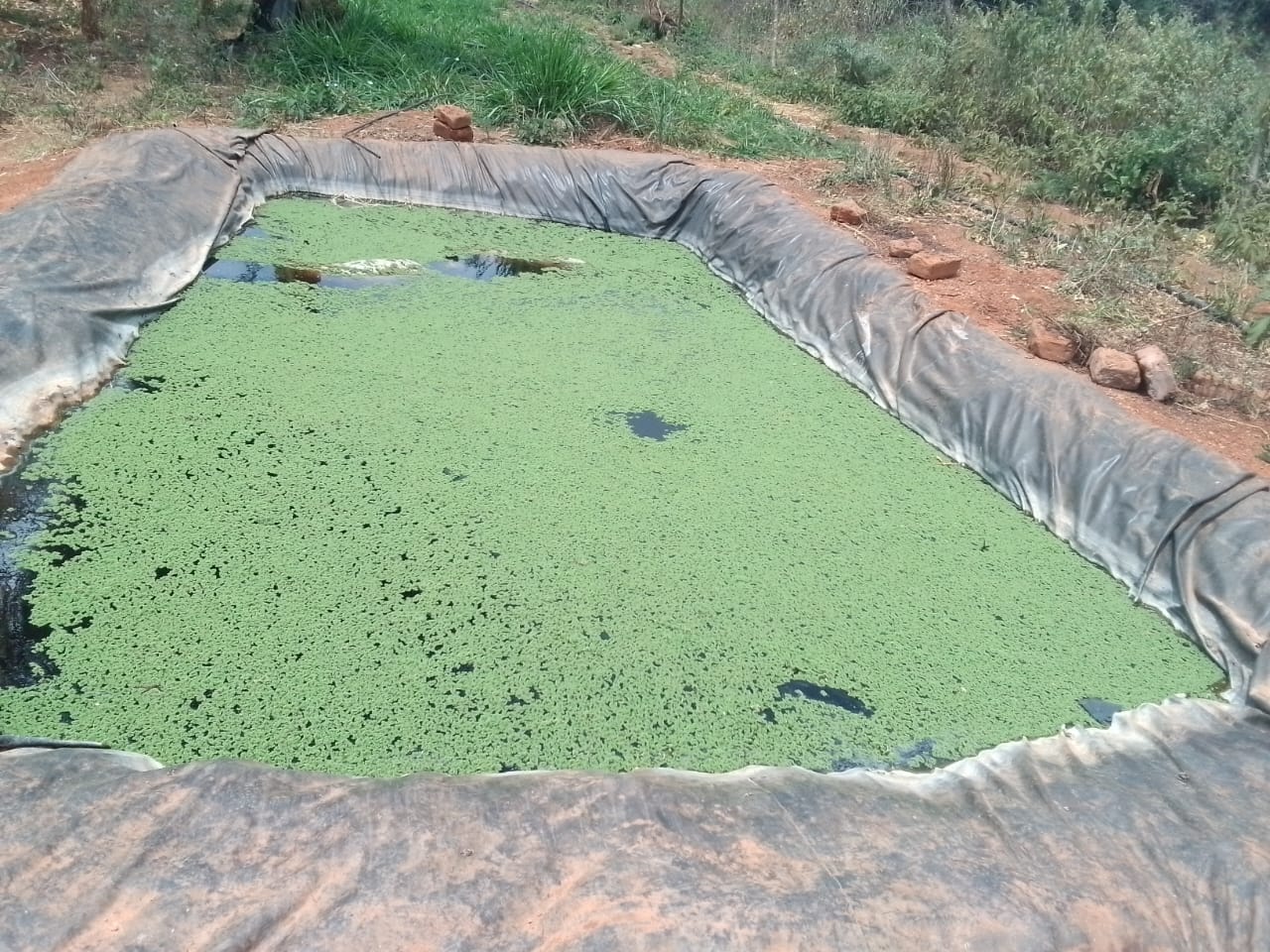
A glimpse of an Azolla pond setup from Jeremiah Musili for feeding chicken, Kenya, via X.
In 2024, I posted here on Medium about **Azolla Farming in Kenya**, and the response was overwhelming.
Farmers and aspiring agriculturalists flooded my inbox with questions about this aquatic fern’s potential as a livestock feed and organic fertilizer.
One question stood out: “How can I start growing Azolla to harvest 1kg daily?”
So, in response to the interest, I’ve put together this follow-up guide to help anyone eager to grow Azolla.
Whether you’re an experienced farmer or just getting started, this guide will walk you through everything you need — from gathering materials to setting up your pond and keeping it maintained for the best yields.
This guide focuses on small-scale production, specifically for harvesting 1kg daily. If you need more, just adjust the dimensions and costs as needed.
Let’s get started!
Getting Started with Azolla Farming
Step 1: Materials You’ll Need
Here’s what you’ll need to start growing Azolla:
- Dam liner (0.5mm thickness):
- This prevents water seepage and retains the required moisture for Azolla growth.
- Cost: KES 230 per square meter.
- For a pond measuring 2m (L) x 1.5m (W) x 0.15m (D), you’ll need approximately 3m² of dam liner.
- Total cost: Around KES 690.
You can purchase dam liners from Grekkon Limited.
2. Azolla starter culture:
- Cost: KES 1,000 (negotiable).
- Source: Contact Duncan Kyalo on Jiji Kenya.
3. Cow dung or slurry:
- Acts as a source of nutrients to kickstart Azolla growth.
- Easily available on farms.
4. Superphosphate fertilizer:
- For vigorous growth, you’ll need 20g every 5 days.
You can buy this fertilizer from agricultural inputs dealers in Kenya such as Interfarm Kenya Limited and Qualitas Company Limited.
5. Freshwater:
- Required pond depth: 10–15cm (or 4 inches).
6. Shade net (optional):
- Protects Azolla from excessive sunlight.
If you prefer one (for those living in harsh environments) check out the prices via Grekkon.
Step 2: Setting Up the Pond

Azolla Demo Pond Establishment held at Weru, Ol Joro Orok sub-county, Kenya. Photo courtesy; WingFarm via X.
- Choose a suitable site:
- Find a cool, shaded location close to a water source to minimize evaporation.
2. Line the pond:
- Use the dam liner to cover the pond’s bottom and sides, ensuring no water seeps into the soil.
3. Prepare the base:
- Mix soil with cow dung or slurry and spread it uniformly to make a thin layer at the bottom of the pond.
4. Fill with water:
- Add fresh water until it reaches a depth of 10–15cm.
5. Introduce Azolla:
- Add 1kg of starter culture into the prepared pond.
Step 3: Maintenance Tips
To ensure a healthy and consistent yield:
- Nutrient management:
- Add 20g of superphosphate mixed with 1kg cow dung every 5 days.
2. Harvest regularly:
- After 15 days, begin harvesting. Scoop Azolla every 3 days to prevent overcrowding and maintain healthy growth.
3. Monitor water levels:
- Keep the water at the recommended depth (10–15cm). Refill as needed.
4. Replace crops periodically:
- Replace Azolla every 6 months for sustained production.
Cost Breakdown for 1kg Daily Yield
Here’s a rough estimate of the initial costs for setting up the pond:
- Dam liner: KES 690
- Starter culture: KES 1,000
- Fertilizer and cow dung: Varies (minimal for small-scale production)
- Water: Depends on your water source
Azolla Harvesting and Feeding Your Livestock

Azolla feeds ready for birds. Photo courtesy; FarmbizAfrica, via X
Azolla grows quickly, doubling its biomass every 2–3 days under ideal conditions. For best results:
- Harvest fresh Azolla, clean it to remove any cow dung smell, and feed it directly to your livestock.
- Alternatively, dry it and mix it with other feed components for a balanced diet.
Where to Buy Azolla and Supplies in Kenya
- Dam liners: Order from Grekkon Limited.
- Starter culture: Order from Duncan Kyalo via Jiji, who delivers countrywide.
Final Thoughts
Azolla farming is a game-changer for farmers looking to cut feed costs while improving livestock health.
With minimal inputs and proper management, you can easily produce 1kg daily and scale up as needed.
If you still have questions or need assistance, feel free to email me. I’m always happy to help fellow farmers succeed.
Happy farming!
메타데이터
- post_id
- bf5150d2fc4c
- slug
- azolla-farming-in-kenya-a-step-by-step-guide-to-harvesting-1kg-daily-bf5150d2fc4c
- url
- https://medium.com/@nzomojoseph55/azolla-farming-in-kenya-a-step-by-step-guide-to-harvesting-1kg-daily-bf5150d2fc4c
- canonical_url
- https://medium.com/@nzomojoseph55/azolla-farming-in-kenya-a-step-by-step-guide-to-harvesting-1kg-daily-bf5150d2fc4c
- author_url
- https://medium.com/@nzomojoseph55
- status
- ok
- fetched_at
- 2026-07-21 07:17:32
