Managing Stress: Supporting Your Health in a Busy World
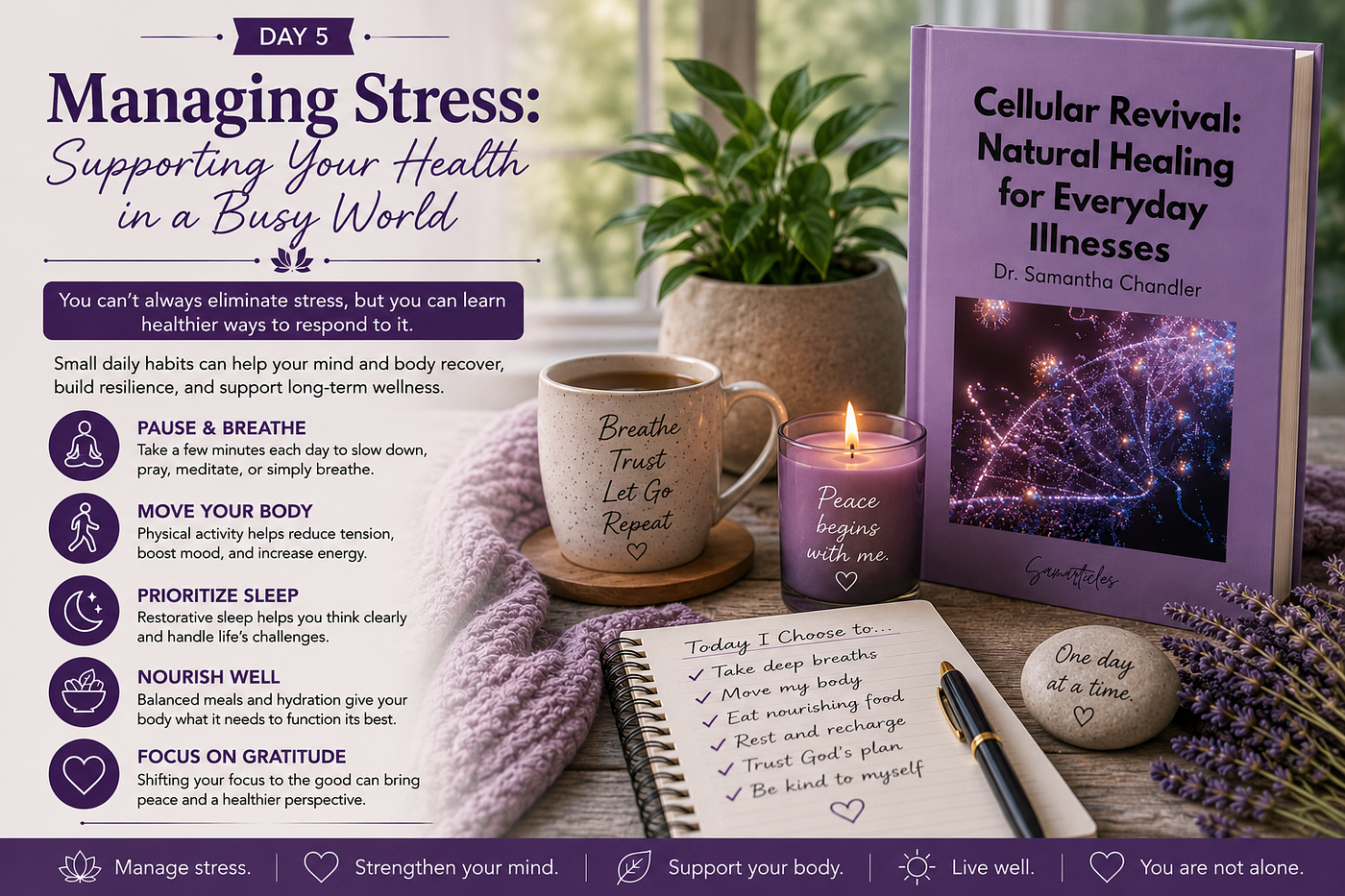
You can’t always eliminate stress, but you can learn healthier ways to respond to it.
Managing Stress: Supporting Your Health in a Busy World
You can’t always eliminate stress, but you can learn healthier ways to respond to it.
Stress is a normal part of life. Whether it’s meeting deadlines at work, caring for family members, managing finances, or navigating unexpected challenges, everyone experiences periods of pressure. While occasional stress is a natural response, chronic stress can gradually affect both physical and mental well-being if left unmanaged.
Many people think stress exists only in the mind, but the body responds to it as well. During stressful situations, the body activates complex systems that prepare us to react quickly. This response can be helpful during emergencies, but when stress becomes constant, the body may spend too much time operating in a heightened state of alertness. Over time, this can contribute to fatigue, difficulty concentrating, poor sleep, muscle tension, and reduced overall well-being.
The good news is that managing stress doesn’t require removing every challenge from your life. Instead, it’s about building healthy habits that help your mind and body recover from life’s demands. Small, intentional moments of rest and reflection can make a meaningful difference over time.
One of the simplest ways to reduce stress is by slowing down. Many of us rush from one responsibility to the next without taking a moment to breathe. Setting aside even five or ten minutes each day to pause, pray, meditate, journal, or simply sit quietly can help create space for both physical and mental recovery.
Physical activity is another powerful stress-management tool. Walking, stretching, yoga, gardening, or spending time outdoors allows many people to release built-up tension while improving mood and increasing energy. Exercise doesn’t have to be intense to be beneficial. Consistent movement often provides greater long-term benefits than occasional strenuous workouts.
Sleep and stress are also closely connected. High stress levels can make it difficult to fall asleep, while poor sleep often makes stressful situations feel even more overwhelming. Developing healthy sleep habits helps support emotional resilience while giving the body the opportunity to recover each night.
Nutrition also plays an important role. During stressful periods, many people either skip meals or rely heavily on convenience foods. Choosing balanced meals and staying hydrated helps provide the body with the nutrients it needs to function efficiently, even during busy seasons.
It’s equally important to recognize that not every problem requires an immediate solution. Sometimes the healthiest response is taking a step back, gathering your thoughts, and approaching challenges with a calmer perspective. Learning to set healthy boundaries, prioritize responsibilities, and ask for help when needed are valuable skills that support long-term wellness.
One habit that often goes overlooked is gratitude. Taking a few moments each day to reflect on things you’re thankful for may help shift your focus away from constant worry and toward positive experiences. While gratitude doesn’t eliminate life’s difficulties, it can provide a healthier perspective during challenging times.
Managing stress is not about achieving a perfect life free from problems. It’s about building resilience through daily habits that strengthen your ability to respond to life’s challenges. Every healthy choice — whether it’s taking a walk, getting enough sleep, praying, reading, or simply taking a few deep breaths — becomes another investment in your overall well-being.
Health is more than nutrition and exercise. Caring for your emotional well-being is just as important as caring for your physical health. When we intentionally manage stress, we’re supporting the body as a whole and creating a stronger foundation for long-term wellness.
Learn More
If you’re interested in practical strategies for supporting your body’s natural ability to maintain health, my book Cellular Revival: Natural Healing for Everyday Illnesses explores how nutrition, movement, sleep, stress management, and other daily habits work together to promote overall wellness. Understanding the body is the first step toward making informed decisions that support lifelong health.
메타데이터
- post_id
- bf5a1d244b3e
- slug
- managing-stress-supporting-your-health-in-a-busy-world-bf5a1d244b3e
- url
- https://medium.com/the-samarticles-press/managing-stress-supporting-your-health-in-a-busy-world-bf5a1d244b3e
- canonical_url
- https://medium.com/the-samarticles-press/managing-stress-supporting-your-health-in-a-busy-world-bf5a1d244b3e
- author_url
- https://medium.com/@dr.samantha.chandler
- status
- ok
- fetched_at
- 2026-07-09 05:26:43