Lean Muscle Maintenance: How to Choose Clean Snacks During Fat Loss Without Losing Muscle
Why Food Quality Matters More Than You Think?
Lean Muscle Maintenance: How to Choose Clean Snacks During Fat Loss Without Losing Muscle
Why Food Quality Matters More Than You Think?

How to Choose Clean Snacks During Fat Loss Without Losing Muscle
Losing body fat without sacrificing muscle is one of the biggest challenges in nutrition. Many people believe the solution is simple: eat fewer calories and consume more protein. While both are important, they are only part of the picture.
When your body is in a calorie deficit, it has less energy available to support daily functions. If your diet is poorly planned, your body may begin breaking down muscle tissue alongside body fat. The goal, therefore, is not simply to lose weight, it is to lose fat while preserving lean muscle.
This is where food quality becomes just as important as calorie intake. The right snacks do more than satisfy hunger. They provide protein, fiber, minerals, and plant compounds that help support recovery, improve fullness, and make a calorie-controlled diet easier to maintain.
Rather than asking, “Does this snack fit my calories?”, a better question is:
“Does this snack help my body maintain muscle while losing fat?”
Protein Is Important — But It Isn’t the Whole Story
Muscle is constantly being broken down and rebuilt. Throughout the day, your body repairs old proteins while creating new ones. Whether you gain, maintain, or lose muscle depends on the balance between these two processes.
During a calorie deficit, preserving this balance becomes more difficult. This is why resistance training and adequate protein intake become essential.
Protein supplies amino acids; the building blocks your muscles need for repair. Among these amino acids, leucine plays a particularly important role because it helps activate the cellular processes involved in muscle protein synthesis.
Research suggests that many healthy adults need around 2.5–3 grams of leucine per meal to maximize this response, although age, body size, and activity level can influence individual needs. However, one meal alone does not determine your results.
Maintaining muscle depends on your total daily protein intake, how evenly you distribute protein throughout the day, and whether your muscles are regularly challenged through resistance exercise.
A practical strategy includes:
- Eating a quality protein source with every main meal.
- Spreading protein intake across the day instead of consuming it all at once.
- Combining protein with fiber-rich whole foods for better satiety and nutrition.
- Including regular strength training to give your muscles a reason to stay.
Whole Foods or Processed “Fitness” Snacks?
Walk into any supermarket and you’ll find shelves filled with products labeled with high protein, low carb, keto, or fitness friendly. Some of these products can be convenient, especially after training or while traveling. But convenience does not always equal better nutrition.
Many highly processed snacks rely on protein isolates, refined starches, artificial sweeteners, flavor enhancers, and high levels of sodium. While these ingredients are generally considered safe when consumed within recommended limits, they often provide fewer naturally occurring nutrients than minimally processed foods. Whole foods offer something that nutrition labels cannot fully capture: their natural food matrix.
The food matrix refers to the way nutrients are packaged together within a food. Fiber, water, healthy fats, vitamins, minerals, and plant compounds interact with one another, influencing digestion, nutrient absorption, blood sugar response, and satiety. This helps explain why two snacks containing the same number of calories can affect your body differently.
For example, a handful of dried fruit and nuts provides natural carbohydrates, fiber, potassium, magnesium, antioxidants, and healthy fats in one package. A processed snack with similar calories may deliver protein and energy but offer fewer of these additional nutritional benefits. The goal is not to avoid processed foods completely. Instead, build most of your diet around foods that remain close to their natural form.
Hydration Matters More Than Most People Realize
Muscle is made up of much more than protein. Around three-quarters of skeletal muscle is water, making hydration essential for strength, recovery, and performance. Electrolytes — including sodium, potassium, and magnesium — help regulate muscle contraction, nerve signaling, and fluid balance.
Many whole foods naturally provide potassium and magnesium, including dried fruits, vegetables, legumes, seeds, and nuts. These minerals help support normal muscle function and overall health.
At the same time, sodium should not be viewed as the enemy. It is an essential nutrient, particularly for physically active people who lose sodium through sweat. The key is maintaining a balanced diet rather than relying heavily on highly processed foods that often contain excessive sodium alongside refined ingredients. In other words, muscle health depends on balance — not extremes.
Why does Whole Foods Keep You Fuller?
One of the hardest parts of dieting is dealing with hunger. Many people abandon their nutrition plan because they constantly feel hungry, not because they lack motivation. Whole-food snacks naturally support fullness in several ways.
Their fiber slows digestion, helping you feel satisfied for longer. Many also require more chewing, which gives your brain additional time to recognize fullness. At the same time, fiber supports beneficial gut bacteria, which produce compounds that contribute to digestive and metabolic health.
Highly processed snacks, on the other hand, are often designed to be extremely tasty and easy to eat quickly. This combination can make it easier to consume more calories than intended before your body has time to register fullness. Choosing foods that naturally satisfy hunger can make long-term fat loss far more sustainable than relying only on willpower.
Plant Compounds Can Support Recovery
Losing fat while training creates a healthy form of stress that encourages the body to adapt. However, if recovery is poor or the calorie deficit is too aggressive, fatigue and inflammation can increase. This is another reason why whole plant foods deserve a place in a muscle-friendly diet.
Fruits, vegetables, legumes, herbs, nuts, and seeds naturally contain thousands of plant compounds known as phytochemicals. Although they are not essential nutrients like protein or vitamins, research suggests they may help support the body’s natural antioxidant defenses and recovery processes.
For example, colorful fruits and vegetables contain polyphenols, while foods such as onions and apples provide quercetin, a plant compound that has been studied for its potential role in exercise recovery and vascular health. Fiber-rich foods also nourish beneficial gut bacteria, which produce substances that help support digestive and metabolic health.
The biggest benefit does not come from one “superfood.” It comes from regularly eating a wide variety of minimally processed plant foods as part of an overall balanced diet.
How to Choose Better Snacks During Fat Loss
When choosing a snack, calories should not be the only factor you consider.
Instead, ask yourself three simple questions:
1. Does it provide quality protein?
2. Will it keep me full until my next meal?
3. Does it contribute useful nutrients beyond calories?
If the answer is yes, it is probably a better choice than a snack that simply fits your calorie target.
Some practical examples include:
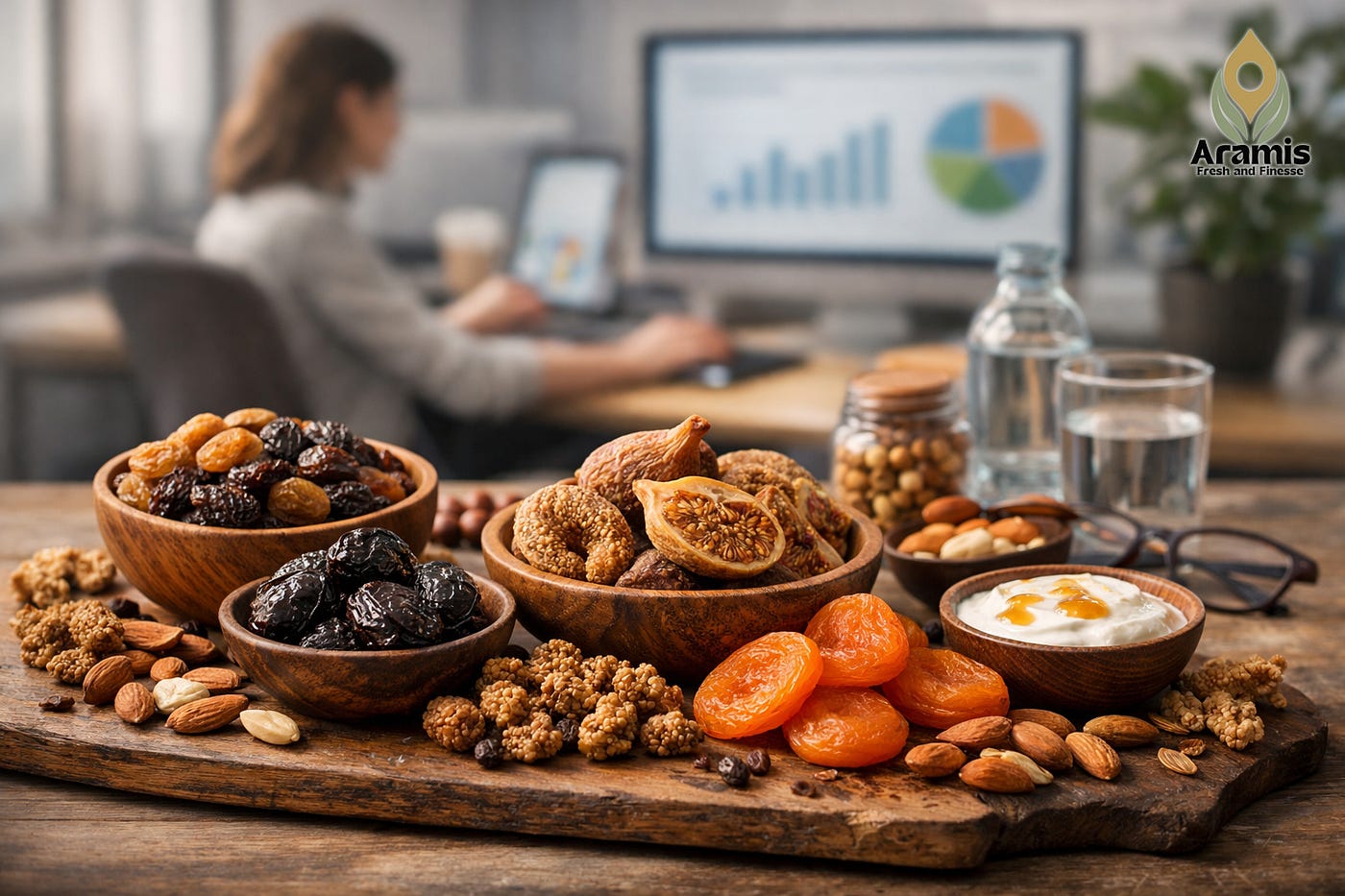
- Plain Greek yogurt with dried fruit and walnuts.
- Cottage cheese with raisins or dried apricots.
- Roasted chickpeas with a handful of nuts.
- Pumpkin seeds mixed with dried fruit.
- Apple slices with natural peanut butter.
- Homemade trail mix made from dried fruit, almonds, pistachios, and seeds.
These combinations provide a balance of protein, fiber, healthy fats, vitamins, and minerals that support both satiety and recovery.
Three Common Fat-Loss Mistakes
1. Focusing Only on Calories
Calories matter, but they are not the whole story. A snack with slightly more calories may help you stay full longer, reduce cravings, and improve overall diet quality.
2. Depending Too Much on Protein Bars and Shakes
Protein supplements can be useful when convenience is important, especially after training or during travel. However, they should complement a healthy diet — not replace real food. Whole foods provide a wider range of nutrients that supplements simply cannot match.
3. Creating an Extreme Calorie Deficit
Trying to lose weight as quickly as possible often leads to the opposite result. Very restrictive diets increase fatigue, reduce training performance, make recovery more difficult, and raise the risk of losing lean muscle.
A moderate calorie deficit combined with resistance training and adequate protein is generally a more sustainable strategy for preserving muscle while reducing body fat.
The Bottom Line
Maintaining muscle during fat loss is not about finding a miracle snack or buying the latest “fitness” product. It is about creating an eating pattern that consistently supports your body’s needs. Prioritize quality protein, train with resistance, sleep well, stay hydrated, and build most of your diet around minimally processed foods.
Whole-food snacks offer more than calories. They provide fiber for fullness, minerals that support muscle function, and naturally occurring plant compounds that contribute to overall health. While processed convenience foods can have a place in a balanced diet, they should not replace nutrient-rich foods that form the foundation of healthy eating.
In the end, successful body composition is not determined by one meal or one snack. It is the result of hundreds of consistent food choices made over time. Choose snacks that do more than satisfy hunger. Choose foods that help your body recover, preserve lean muscle, and make healthy eating easier to maintain — because long-term success is built on sustainable habits, not short-term shortcuts.
메타데이터
- post_id
- bf8e445ffcf5
- slug
- lean-muscle-maintenance-how-to-choose-clean-snacks-during-fat-loss-without-losing-muscle-bf8e445ffcf5
- url
- https://medium.com/@aramiscare002/lean-muscle-maintenance-how-to-choose-clean-snacks-during-fat-loss-without-losing-muscle-bf8e445ffcf5
- canonical_url
- https://medium.com/@aramiscare002/lean-muscle-maintenance-how-to-choose-clean-snacks-during-fat-loss-without-losing-muscle-bf8e445ffcf5
- author_url
- https://medium.com/@aramiscare002
- status
- ok
- fetched_at
- 2026-08-26 19:22:24