When Psychological Words Become More Than Words
Every Symbol Has a Meaning
When Psychological Words Become More Than Words
Every Symbol Has a Meaning

Abid Mizaan
Understanding Jung’s idea that a symbol has meaning only when it becomes personally meaningful
Carl Jung makes an important point about psychology: knowing a word is not the same as understanding what that word means in your own life.
We can read about concepts such as the anima, animus, Wise Man, Great Mother, or other archetypes. We can study their definitions, memorize their characteristics, and even become very knowledgeable about Jungian psychology.
But intellectual knowledge alone may not be enough.
If these concepts remain nothing more than ideas in a book, they can become empty labels.
Knowledge Is Not the Same as Experience
Imagine someone who has read everything about courage but has never faced a situation that truly demanded courage.
They may be able to explain courage perfectly.
But they don’t yet know what courage feels like.
The same applies to psychological and spiritual concepts.
You can read about fear without fully understanding your own fear.
You can study grief without understanding how grief has shaped you.
You can learn about the unconscious while remaining unaware of how your own unconscious patterns influence your relationships and decisions.
There is a difference between knowing about something and encountering it within yourself.
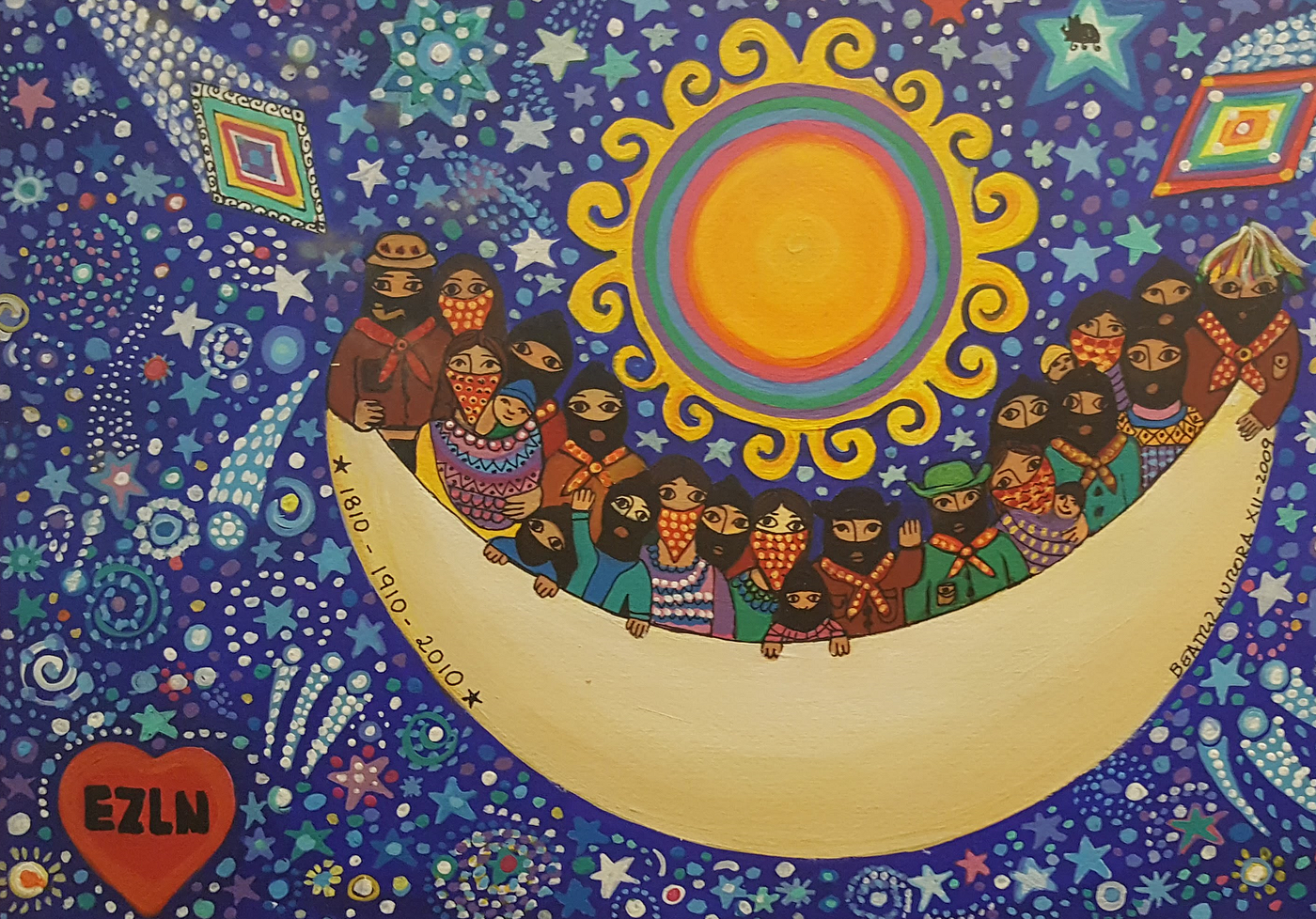
Photo by Marcos Paulo Prado on Unsplash
Jung uses the idea of numinosity — something experienced as deeply powerful, mysterious, emotionally charged, or larger than the ordinary intellectual mind can easily explain.
A symbol becomes truly significant when it touches something deep within us.
For example, the image of a mother may simply be a picture or a word to one person.
For another person, it may awaken feelings of safety, loss, longing, protection, dependence, or childhood memories.
The symbol is the same.
But the psychological experience is completely different.
That personal emotional response is what gives the symbol its power.
The Symbol Becomes Meaningful Through You
This is perhaps one of Jung’s most interesting ideas:
The meaning of a symbol cannot always be separated from the person experiencing it.
Take the image of a wise old man.
One person may experience it as a comforting symbol of guidance and wisdom.
Another may associate an older male figure with criticism, authority, fear, or rejection.
So simply saying:
“The Wise Man represents wisdom”
doesn’t tell us the whole story.
We have to ask:
What does this figure represent to this particular person?
What memories does it awaken?
What emotions arise?
What part of the person’s life does it connect with?
That is where psychological interpretation becomes much more personal.
We Often Confuse Labels With Understanding
This happens outside psychology too.
We use words like:
Love. Trauma. Healing. Spirituality. Confidence. Anxiety. Freedom. Success.
We may use these words every day.
But using a word doesn’t necessarily mean we understand the experience behind it.
Two people can say, “I want freedom,” while imagining completely different things.
One may want freedom from financial dependence.
Another may want freedom from people’s expectations.
Another may want freedom from their own fears.
The word is identical.
The inner meaning is not.
Psychology Begins When the Concept Becomes Personal
Perhaps this is what Jung is encouraging us to do.
Instead of asking only:
“What does this symbol mean?”
we can also ask:
“What does this symbol awaken in me?”
Instead of asking:
“What does the Great Mother represent?”
ask:
“What does the idea of the mother mean in my own emotional world?”
Instead of simply studying the concept of the shadow, ask:
“What qualities in myself do I struggle to acknowledge?”
This moves psychology from the bookshelf into our actual lives.
From Information to Transformation
We live in an age where information is everywhere.
We can read about psychology, spirituality, relationships, trauma, consciousness, and human behaviour within seconds.
But information alone doesn’t necessarily transform us.
Transformation begins when knowledge becomes self-awareness.
You don’t merely understand the concept — you begin to recognize it operating within you.
You notice your patterns.
You observe your emotional reactions.
You become aware of what triggers you.
You recognize the stories you repeatedly tell yourself.
You begin to see the symbols, relationships, and experiences of your life differently.
Photo by Europeana on Unsplash
Jung’s message can be understood simply:
A psychological concept becomes truly meaningful when it connects with your lived experience.
Words can point toward an experience, but they cannot replace the experience itself.
You can know the definition of love without having allowed yourself to love deeply.
You can know the theory of fear without confronting what frightens you.
You can study healing without actually facing the parts of yourself that need attention.
And you can memorize every psychological term in a book while still remaining a stranger to your own inner world.
Perhaps real psychological understanding begins when we stop asking only:
“What does this word mean?”
and start asking:
“Where does this meaning live inside me?”
That is the moment when a concept stops being merely a word — and becomes a mirror.
메타데이터
- post_id
- bf8ea88288ee
- slug
- when-psychological-words-become-more-than-words-bf8ea88288ee
- url
- https://medium.com/heart-revolution/when-psychological-words-become-more-than-words-bf8ea88288ee
- canonical_url
- https://medium.com/heart-revolution/when-psychological-words-become-more-than-words-bf8ea88288ee
- author_url
- https://medium.com/@authorabid
- status
- ok
- fetched_at
- 2026-08-26 03:19:49