Understanding Rehabilitation Systems: A Modern Approach to Recovery
Recovery is no longer just about rest — it’s about structured, intelligent care. A rehabilitation system plays a crucial role in helping…
Understanding Rehabilitation Systems: A Modern Approach to Recovery
Recovery is no longer just about rest — it’s about structured, intelligent care. A rehabilitation system plays a crucial role in helping individuals regain physical, mental, and functional abilities after injury, illness, or surgery.
What is a Rehabilitation System?
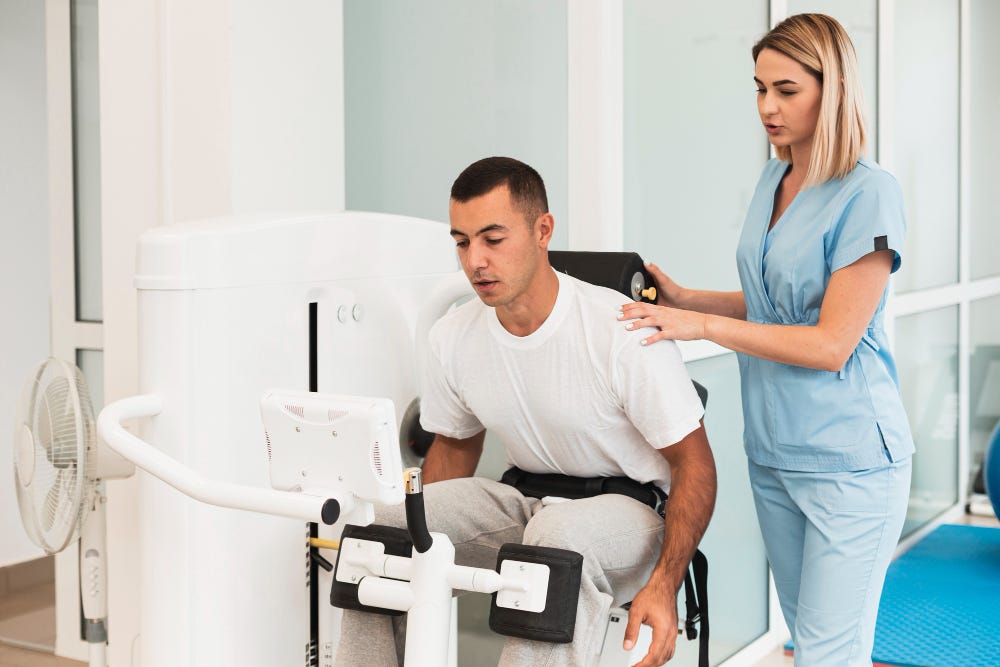
A rehabilitation system is a coordinated framework of therapies, technologies, and healthcare practices designed to restore a person’s independence and quality of life. It combines medical expertise with personalized care plans to support recovery in a structured way.
Why Rehabilitation Matters
Whether recovering from surgery, managing a chronic condition, or healing from an injury, rehabilitation ensures:
Faster and safer recovery Improved physical strength and mobility Better mental well-being Reduced risk of complications or relapse
Without proper rehabilitation, recovery can be incomplete or delayed.
Key Components of a Rehabilitation System
1. Physical Rehabilitation
Focuses on restoring movement and strength through exercises, manual therapy, and guided training.
2. Occupational Therapy
Helps individuals regain the ability to perform daily activities such as dressing, working, and self-care.
3. Neurological Rehabilitation
Designed for patients with conditions like stroke, spinal cord injury, or neurological disorders.
4. Psychological Support
Mental health plays a vital role in the recovery process. Counseling and emotional support improve overall outcomes.
5. Technology Integration
Modern systems use tools like:
Digital health records Remote monitoring (tele-rehabilitation) AI-based progress tracking
Types of Rehabilitation Systems
Clinic-Based Rehabilitation — Intensive care under medical supervision Outpatient Rehabilitation — Regular therapy sessions without hospital stay Home-Based Rehabilitation — Personalized care from the comfort of home Community-Based Rehabilitation — Focus on social integration and accessibility
The Role of Technology in Modern Rehabilitation
Technology is transforming rehabilitation systems into smarter, more efficient solutions. With innovations like mobile apps, wearable devices, and cloud-based platforms, patients and healthcare providers can:
Track progress in real time Customize treatment plans Improve communication and follow-ups
This shift makes rehabilitation more accessible and patient-centered.
Challenges in Rehabilitation Systems
Despite advancements, several challenges remain:
Limited access in rural areas High costs of advanced care Lack of awareness about rehabilitation importance Shortage of trained professionals
Addressing these gaps is essential for building a stronger healthcare ecosystem.
The Future of Rehabilitation
The future lies in integrated and digital rehabilitation systems. With the rise of telehealth and AI-driven care, rehabilitation will become:
More personalized More accessible More data-driven
Healthcare providers and technology companies are increasingly working together to create solutions that bridge gaps in recovery care.
Final Thoughts
A rehabilitation system is not just a support service — it is a critical pillar of healthcare. By combining medical expertise, patient-focused care, and modern technology, it ensures that recovery is not only possible but sustainable.
메타데이터
- post_id
- bfdd60ed5063
- slug
- understanding-rehabilitation-systems-a-modern-approach-to-recovery-bfdd60ed5063
- url
- https://medium.com/@pshardcoregamer/understanding-rehabilitation-systems-a-modern-approach-to-recovery-bfdd60ed5063
- canonical_url
- https://medium.com/@pshardcoregamer/understanding-rehabilitation-systems-a-modern-approach-to-recovery-bfdd60ed5063
- author_url
- https://medium.com/@pshardcoregamer
- status
- ok
- fetched_at
- 2026-06-12 22:02:08