TikTok Is Rewiring Your Brain. Here Is the Science And How to Stop It.
This is not a moral panic. A study of 100,000 people just confirmed it. “Brain rot” is now a clinically recognised syndrome.
TikTok Is Rewiring Your Brain. Here Is the Science And How to Stop It.
This is not a moral panic. A study of 100,000 people just confirmed it. “Brain rot” is now a clinically recognised syndrome.

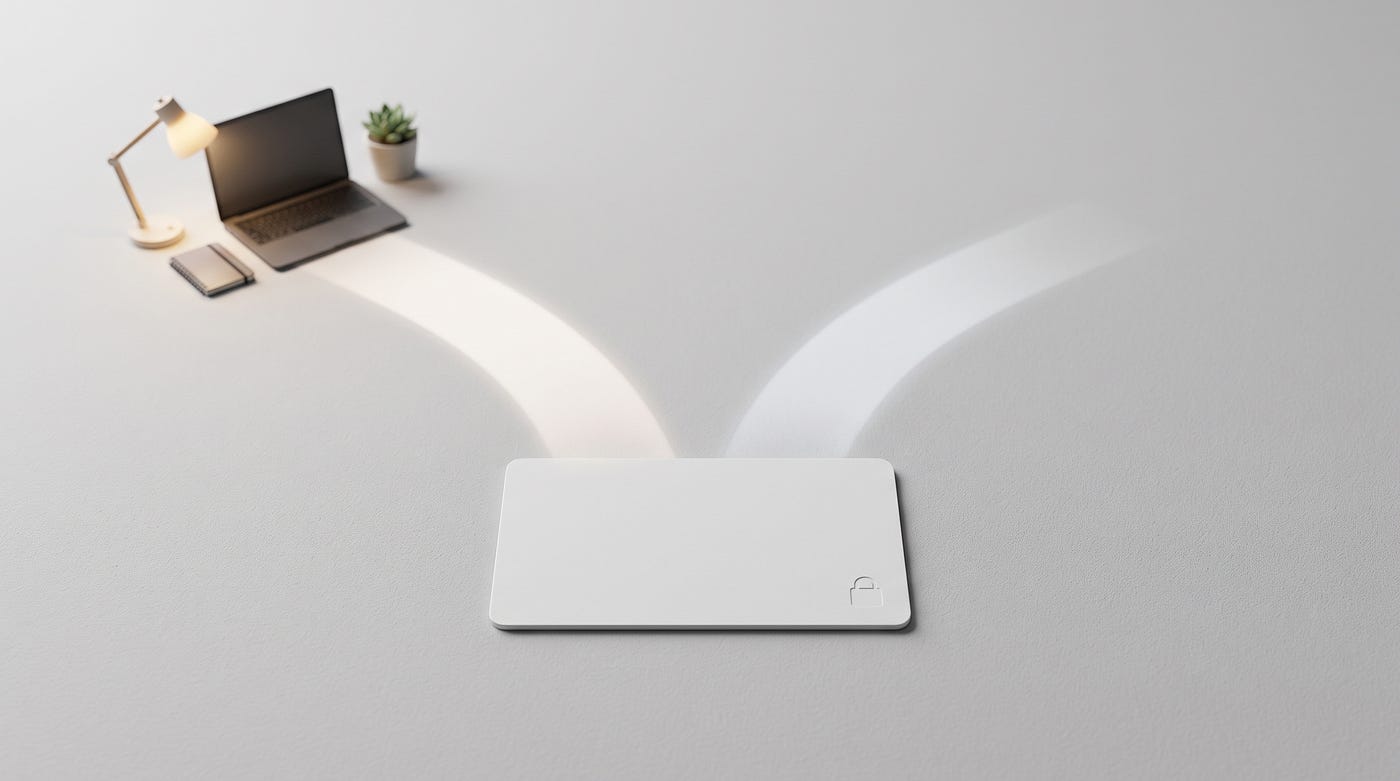
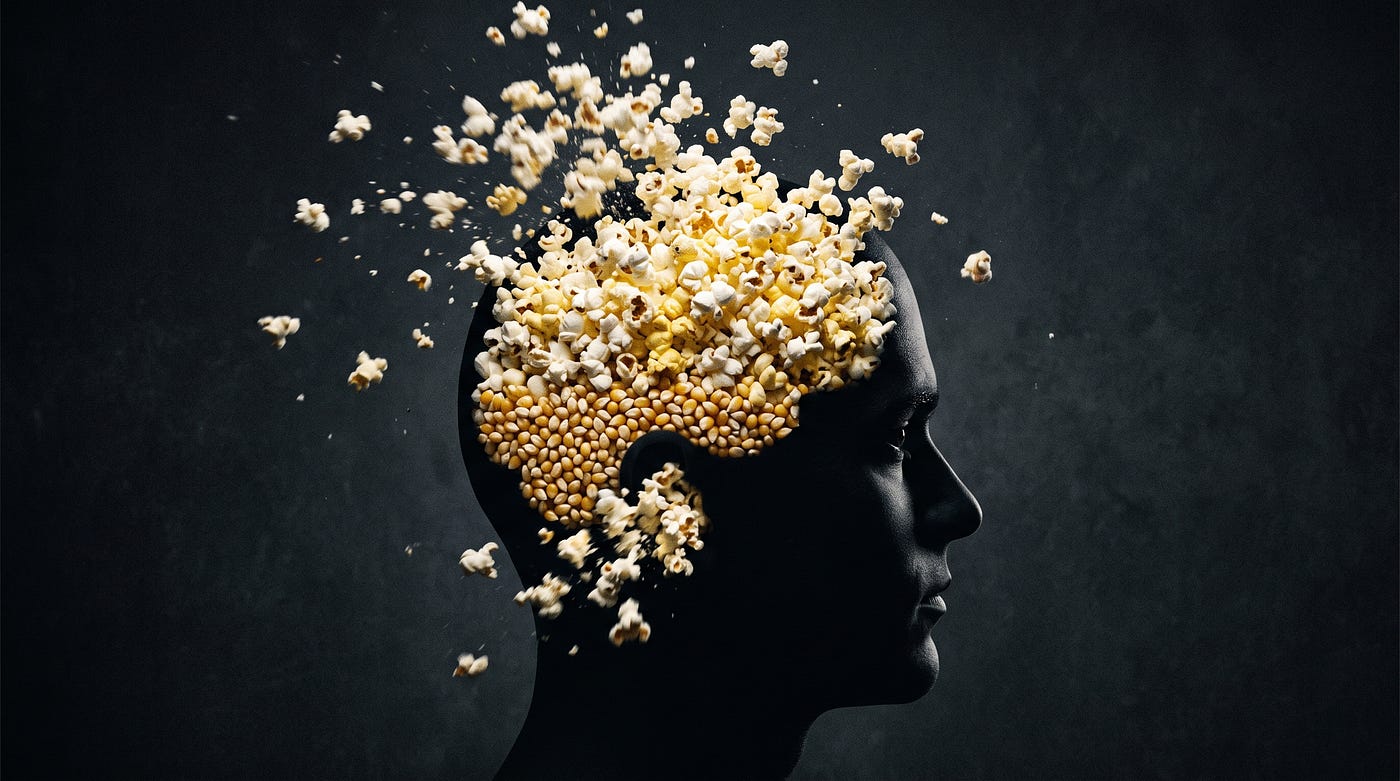
Image generated using Google Flow (AI)
There is a word for what is happening to your brain.
Oxford University Press named it its Word of the Year for 2024. Usage of the term rose 230% between 2023 and 2024. By 2025, it had stopped being a meme and started being a medical conversation. The word is brain rot, and it is no longer a joke you make about yourself after a three-hour TikTok session.
It is a clinically recognised pattern of cognitive decline. And the science behind it is more alarming than almost anything currently being published about human health.
What is the Largest Study Ever Conducted on This Found
In late 2025, the American Psychological Association published the most comprehensive analysis of short-form videos’ effects on the human brain ever conducted.
The study reviewed data from 71 studies encompassing 98,299 participants and found consistent evidence that increased time spent consuming algorithm-driven short videos correlates with lower performance on tasks requiring attention and inhibitory control.
That is not a small sample. That is nearly 100,000 people. And the finding was not ambiguous.
Heavy short-form video use was linked to poor attention, anxiety, social isolation, and sleep issues. Repeated exposure desensitizes users to slower tasks, reducing cognitive endurance and sustained focus.
Read that phrase again slowly: cognitive endurance. The ability to think hard about one thing for a sustained period of time- the skill that reading, deep work, meaningful conversation, and creative thought all depend on is being measurably eroded by the format of the content you consume every day.
The Mechanism: What TikTok Is Actually Doing Inside Your Head
This is not about content. It is about format.
Short-form videos work by giving the brain fast, frequent bursts of dopamine, the chemical that supports reward and motivation. When the brain constantly receives these tiny rewards, habits form. Each swipe becomes a signal that something new and exciting might be waiting, which trains the brain to keep checking for the next hit.
The result is a self-reinforcing cycle that operates below conscious decision-making. Short-form video use activates reward circuits more intensely than long-form content, with habitual use associated with reduced activation in brain regions related to inhibitory control, meaning the more you watch, the harder it becomes to stop watching.
And here is the number that should stop you cold: TikTok’s own internal research, disclosed in state attorney general lawsuits, shows users form a scrolling habit after approximately 260 videos. The average session lasts just under 11 minutes. The average user opens the app 19 times per day.
260 videos. That is roughly one afternoon.
What “Brain Rot” Actually Feels Like
You probably already know this feeling. You just did not have a name for it. It is the sensation of sitting down to read something longer than 400 words and feeling your attention slide sideways after two paragraphs. It is trying to watch a film and reaching for your phone during quiet scenes because your brain can no longer tolerate seven consecutive seconds without a new stimulus. It is having a thought and losing it before it fully forms because something else arrives before it can develop.
The average person now holds attention on a single screen for approximately 47 seconds before switching down from 2.5 minutes in 2004. In twenty years, sustained human attention has collapsed by nearly 70%. Gen Z’s average attention span per piece of content is now 6.5 seconds.
The impact of digital content consumed this way is sending our brains off a cliff, but brains can change and rewire as we change and rewire our habits and behaviors. This is especially true in young people.
That last part matters. The damage is not permanent. The brain is neuroplastic. It recovers when the stimulus changes. But recovery requires actually changing the stimulus — not intending to, not limiting it to 45 minutes a day, actually removing it.
Why Limits Do Not Work on This Specific Problem
This is where most screen time advice fails.
Setting a one-hour TikTok limit does not interrupt the neural rewiring; it just slows the pace of it. EEG research found partial alpha wave recovery after 30 days of abstinence, suggesting neuroplastic reversibility — but this recovery requires actual abstinence, not moderation.
The brain needs the dopamine cycle to fully stop, not slow down, to begin recalibrating. And Apple’s Screen Time “Ignore Limit for Today” button — which removes your own restriction in one tap — makes actual abstinence almost impossible through willpower alone.
What works is what behavioral scientists call commitment devices — systems that make the undisciplined choice genuinely harder than the disciplined one, not just slightly more inconvenient.
Detach blocks TikTok, Instagram Reels, and YouTube Shorts at the system level- the same layer Apple uses for parental controls- with no bypass button. The app is completely free. The physical NFC card costs $9.99. You tap your phone to the card to activate the block and walk back to it to deactivate. That physical trip — twenty seconds, maybe thirty — is the entire intervention. Long enough for the impulse to pass. Long enough for your brain to remember it had other plans.
The Choice That Exists Right Now
Nobody is coming to save your brain for you. It is a choice that you have to make for yourself. It is one of the most important choices there is.
The science is no longer speculative. The APA reviewed 100,000 people and reached a clear conclusion. The platform that is in your pocket right now was built by design, not by accident, to form a habit in 260 videos and keep you opening it 19 times a day.
You can want to stop and still not stop. That is the nature of the loop. The wanting was never enough.
Remove the app from reach. Put the card somewhere inconvenient. Give your prefrontal cortex the quiet it needs to start recovering what the algorithm has been slowly taking.
The study confirmed the damage is real. It also confirmed that the brain heals.
Start today.
I write about attention, cognitive health, and tools that actually work. I built Detach, a free iPhone app blocker. Follow me on Medium if this changed how you see your screen time.
메타데이터
- post_id
- c09df094e026
- slug
- tiktok-is-rewiring-your-brain-here-is-the-science-and-how-to-stop-it-c09df094e026
- url
- https://medium.com/readers-digests/tiktok-is-rewiring-your-brain-here-is-the-science-and-how-to-stop-it-c09df094e026
- canonical_url
- https://medium.com/readers-digests/tiktok-is-rewiring-your-brain-here-is-the-science-and-how-to-stop-it-c09df094e026
- author_url
- https://medium.com/@ericofficial
- status
- ok
- fetched_at
- 2026-07-09 08:45:44