The Air We Ignore Every Day: Why AQI Should Matter More in Nepal
We check the weather before stepping outside. Maybe it is time we started checking the air too.
The Air We Ignore Every Day: Why AQI Should Matter More in Nepal
We check the weather before stepping outside. Maybe it is time we started checking the air too.
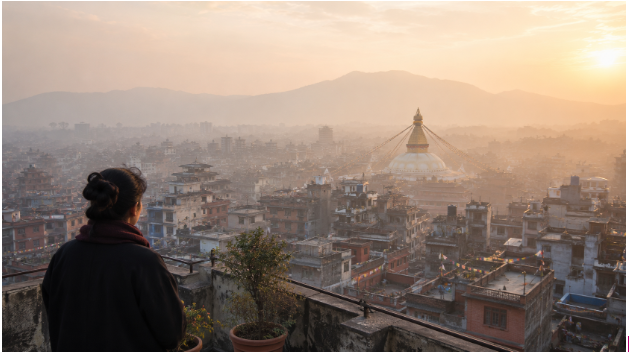
In Nepal, especially in cities like Kathmandu, polluted air has become so normal that many people only notice it when it becomes unbearable. When the sky looks grey, when dust settles on furniture, when breathing feels heavy, or when riding a scooter through traffic feels uncomfortable, we complain for a moment and then move on.
But the problem with air pollution is that it does not always announce itself clearly.
Sometimes the air looks fine, but the pollution level may still be unhealthy. Some particles are visible as road dust or smoke, but others are too small to see. That is why AQI matters.
AQI, or Air Quality Index, is a simple number that helps people understand how clean or polluted the outdoor air is. Instead of showing complex pollution data, it gives a practical signal about whether the air is safe for normal outdoor activity or whether people should reduce exposure. Clean Air Nepal’s AQI guide explains that the higher the AQI number, the more polluted the air is and the higher the possible health risk.
The Number We See But Rarely Use
Most of us have seen AQI on weather apps. It appears beside temperature, humidity, or forecast details, but many people ignore it because they do not know what to do with that number.
That is the real issue.
AQI is not just a number for environmental experts. It is a daily health signal. It can help you decide whether to go for a morning walk, whether children should play outside for long hours, whether someone with asthma should avoid a dusty commute, or whether windows should stay closed during peak pollution hours.
In a city like Kathmandu, this kind of awareness is important because air quality can change because of road dust, traffic emissions, construction work, brick kilns, open burning, and seasonal weather conditions. Clean Air Nepal highlights PM2.5 as one of the most important pollutants in Kathmandu’s context because these fine particles can enter deep into the lungs.
The scary part is that PM2.5 is not something you can judge with your eyes. A clear-looking day does not always mean clean air.
Why Nepal Needs to Take AQI Personally
Air pollution is often discussed like a city problem, but it is also a household problem.
It affects the child going to school, the elderly person sitting near a dusty window, the traffic police standing on the road, the office worker commuting every day, the shopkeeper beside a busy street, and the family living near construction.
Some people feel the effects quickly: coughing, sneezing, eye irritation, headache, fatigue, shortness of breath, or worsened allergy and asthma symptoms. Others may not feel anything immediately, but repeated exposure over time can still affect the lungs, heart, and overall health. Clean Air Nepal’s guide notes that long-term exposure to poor air quality can contribute to chronic respiratory diseases, reduced lung function, cardiovascular risk, cognitive effects in children, and higher risk from long-term PM2.5 exposure.
This is why AQI should not be treated like optional information. It is not about being overly sensitive. It is about understanding what we are breathing every day.
Outdoor Air Does Not Stay Outside
One common mistake is assuming that indoor air is automatically safer.
Anyone living near a main road in Kathmandu knows that dust enters no matter how much you try to close the room. You clean the table in the morning, and by evening there is already another layer of dust. Curtains, carpets, bedding, sofas, shelves, and floors collect it quietly.
Indoor air can also become worse because of cooking fumes, incense, candles, smoking, pet dander, poor ventilation, and dry sweeping. Dry sweeping is especially common, but it often pushes dust back into the air instead of removing it properly.
So the question is not only, “How polluted is Kathmandu’s air?”
The better question is, “How much of that pollution is entering the places where we spend most of our time?”
Homes, offices, schools, clinics, and bedrooms matter because people spend long hours inside them. If indoor air is ignored, then we are only looking at half of the problem.
What People Can Actually Do
The main solution to air pollution has to come from the government and city management. Kathmandu needs better road maintenance, stricter construction dust control, proper vehicle emission checks, cleaner public transport, waste burning control, and stronger implementation of pollution rules.
No individual person can fix outdoor air pollution alone.
But that does not mean individuals are helpless. On high AQI days, people can reduce outdoor exercise, avoid traffic-heavy roads when possible, wear proper N95 or KN95 masks, and avoid opening windows during peak pollution hours. Indoors, wet mopping is better than dry sweeping. Bedding, curtains, carpets, and sofas should be cleaned regularly because they hold dust for a long time.
Small habits matter when exposure happens every day.
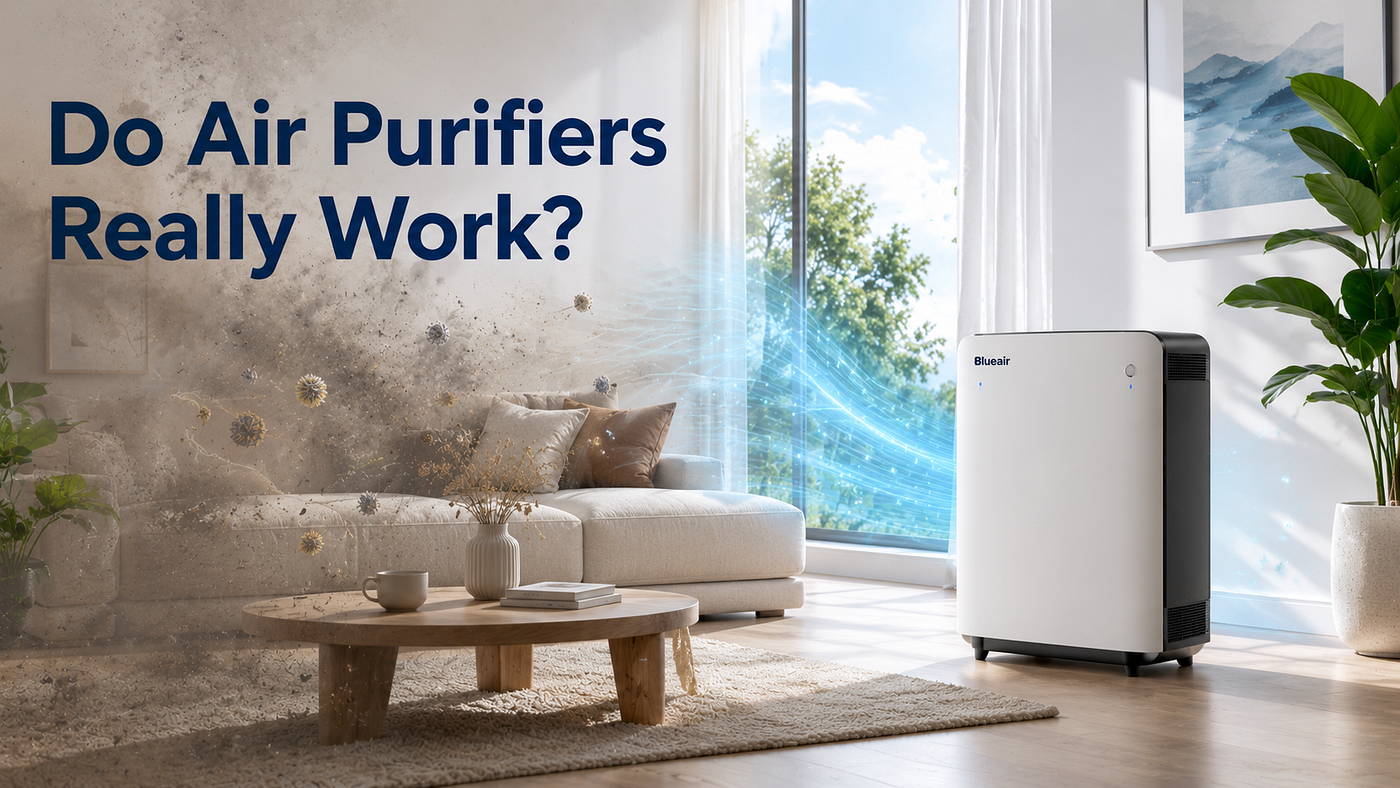
This is also where indoor air quality becomes important. Air purifiers are not a solution for Kathmandu’s outdoor pollution, and they should not be promoted like they can clean the city’s air. They cannot. But for indoor spaces, especially bedrooms, baby rooms, offices, clinics, and homes near main roads, they can help reduce fine particles, dust, smoke, allergens, and indoor pollutants when chosen properly. Clean Air Nepal’s guide also explains that air purifiers cannot clean outdoor air but can improve indoor air during high AQI days.
People comparing air purifiers should not just look at price. Room size, filter quality, CADR, noise level, filter availability, warranty, and after-sales support all matter. Brands like Blueair from Clean Air Nepal, Philips, Kent, and others can be compared based on actual room needs.
The point is simple: do not buy blindly, and do not treat an air purifier as the full solution. Think of it as one indoor protection step.
AQI Should Become a Daily Habit
Checking AQI should become as normal as checking the weather.
Before a morning walk, check AQI. Before children spend hours outside, check AQI. Before opening windows for the whole day, check AQI. Before planning outdoor school activities, check AQI. Before ignoring that heavy feeling in the air, check AQI.
This does not mean people should live in fear. It means people should make better daily decisions.
Nepal has already normalised too many pollution problems. We accept dust as part of city life. We accept smoke as part of traffic. We accept poor air as something that comes every winter. But just because something is common does not mean it is harmless.
Clean Air Should Not Feel Like a Luxury
Clean air should not be something only discussed during pollution season. It should be part of public health, city planning, school safety, workplace comfort, and household awareness.
Government action is necessary. Cleaner transport, better construction control, road dust management, waste control, and stricter enforcement are not optional anymore. At the same time, people also need better awareness about how outdoor and indoor air affect health.
AQI gives us a starting point.
It tells us when the air is safe, when it is risky, and when we need to reduce exposure. It helps us protect children, elderly family members, people with asthma, and even ourselves from breathing polluted air without thinking.
Nepal may not be able to clean the whole city overnight. But we can start by paying attention to the air around us.
Because breathing is not optional. And the air we breathe every day should not be something we notice only after it starts making us sick.
메타데이터
- post_id
- c15f07dd9e05
- slug
- the-air-we-ignore-every-day-why-aqi-should-matter-more-in-nepal-c15f07dd9e05
- url
- https://medium.com/@contentqueensdigital/the-air-we-ignore-every-day-why-aqi-should-matter-more-in-nepal-c15f07dd9e05
- canonical_url
- https://medium.com/@contentqueensdigital/the-air-we-ignore-every-day-why-aqi-should-matter-more-in-nepal-c15f07dd9e05
- author_url
- https://medium.com/@contentqueensdigital
- status
- ok
- fetched_at
- 2026-07-19 07:01:35