Escape the Silent Morning Trap: How Skipping This One Habit Is Costing You Your Edge
Some people wake up and lace their trainers before the sun has fully decided to show up. For them, the morning run is not a debate — it…
Escape the Silent Morning Trap: How Skipping This One Habit Is Costing You Your Edge

Some people wake up and lace their trainers before the sun has fully decided to show up. For them, the morning run is not a debate — it just happens. For others, the alarm goes off, the intention is there, and then somehow the duvet wins. Many simply prefer to run in the evening, unwinding after the day has had its way with them.
And honestly, from a purely physical standpoint, that’s fine. Whether your heart is beating at 120 or 200 beats per minute at sunrise or sunset, your cardiovascular system is getting roughly the same benefit either way. Your heart doesn’t care what time it is.
So, is there actually anything special about doing it in the morning?
Some people say it makes them feel more alive. But then again, so does a good cup of coffee.
Here’s the part most people never get to.
What Mornings Actually Represent
Let’s zoom out for a second. Think about what the morning hours actually are for most professionals, founders, and executives. Markets open and offices come alive. Decisions get made, and strategies are set in motion. The morning is not just the start of the day — it’s when the most consequential thinking happens. Decision fatigue hasn’t kicked in yet, your mind is fresh, and the quality of what you produce in those early hours often shapes everything that follows. Have you ever wondered why the most important meetings happen first thing in the morning, and the most important emails are attended to? Ever wonder why founders jump on a call shortly after their morning exercise? Well, that’s part of the reason.
That means your cognitive performance in the morning doesn’t just matter — it matters enormously.
Where the Morning Jog Changes Everything
Here’s where it gets interesting. To perform well in those critical morning hours, you need to process information quickly, think clearly, and make sharp calls. All of that depends on how well your brain can form and reorganise connections in real time — what scientists call neuroplasticity, the brain’s capacity to adapt and learn based on new input.
And here’s what the research tells us: neuroplasticity peaks shortly after aerobic exercise (cardio).
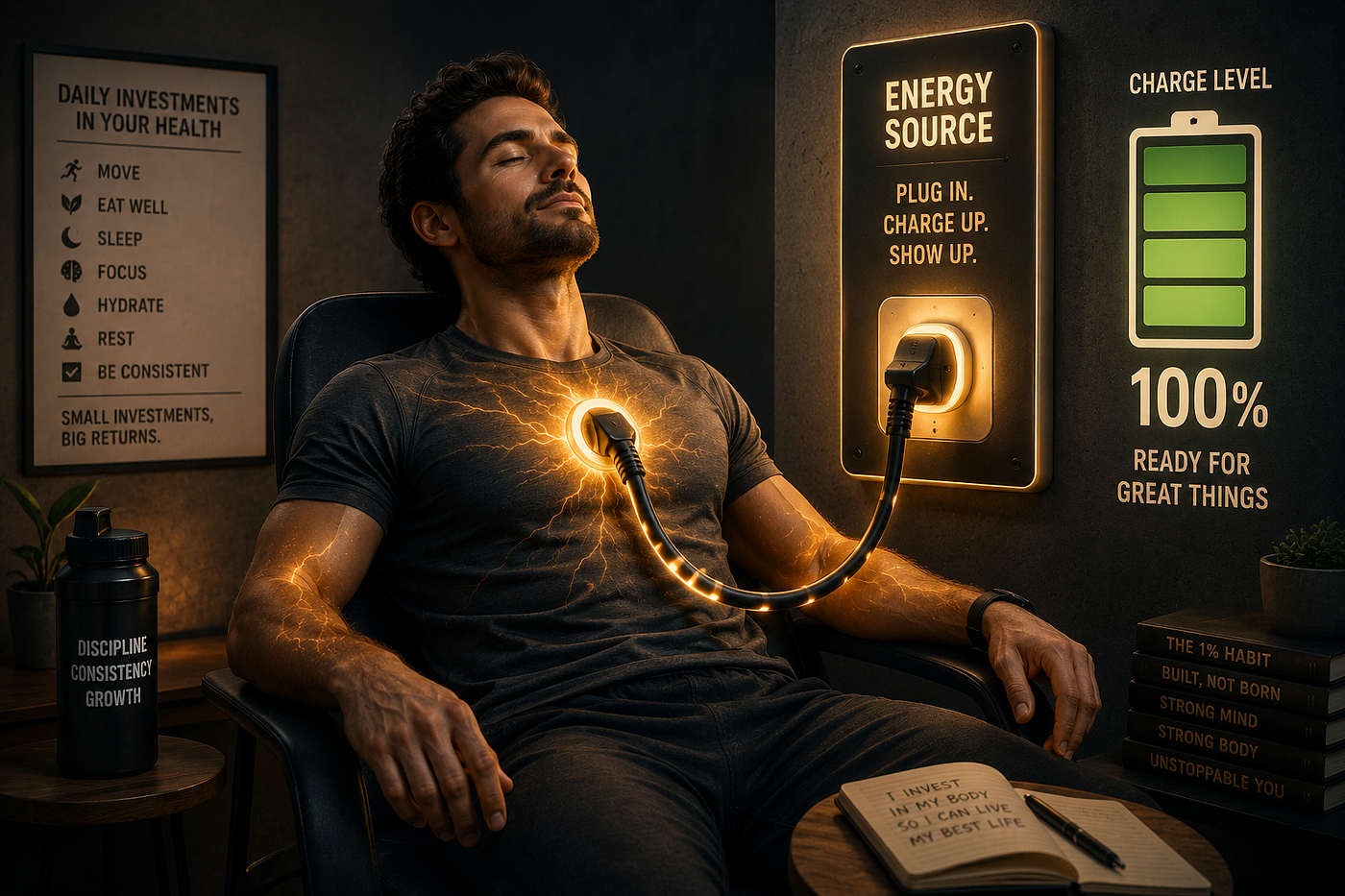
Your morning jog isn’t just conditioning your body. It’s temporarily upgrading your brain’s ability to learn, adapt, and think — right before you sit down to do the work that actually moves the needle.
Why the Timing Is the Point
If you do your cardio in the evening, you’re getting fit. That’s great. But if you do it in the morning, you’re doing something more strategic. You’re priming your brain for the most demanding part of your day before that part of your day begins. You learn faster and process information more efficiently. You make sharper decisions, which increases your chances of a more favourable and productive outcome. It’s not just about feeling energised — it’s about being mentally optimised when it matters most.
That small boost in mental capacity can be a game-changer. History has shown us that the difference between a genius idea and a useless one may just be a stroke of extra brain power!
A Word for the Non-Morning People
Not everyone is built to spring out of bed at 5 am and hit the road, and that’s not the point of this. The real question worth sitting with is this: what can you do in the morning that gets blood flowing to your brain before the day demands your best thinking?
It doesn’t have to be a long run. It could be a brisk walk, a short burst of movement, or some light stretching with enough intention behind it to elevate your heart rate. The goal is simple — activate your body so your mind can show up properly.
The Real Return on Investment
High performers understand something that most people overlook: small cognitive edges compound into large real-world outcomes. A slightly sharper decision made at 9 am can ripple into better results, stronger relationships, and bigger opportunities over time. That’s not an accident — it’s the dividend of a brain that was prepared before it was put to work.
So yes, the morning jog is good for your heart. It’ll help you live longer and feel better in your body. But the less obvious return is this: it prepares your brain for high-level thinking at the exact moment you need it most.
Move in the morning. Your decisions will reflect it; your work will reflect it; and, over time, so will your life. Small changes can lead to huge outcomes
When the telephone was initially invented, it could transmit electrical signals carrying sound over a wire. But there was a critical limitation — it still struggled to reproduce human speech in a clear and intelligible way. What changed was not a complete redesign, but a minor adjustment in how the system handled the frequencies of the human voice, improving how those signals were transmitted and reconstructed. That small technical refinement is what transformed the telephone from a device that could send sound into one that could reliably carry human communication. Do you know that minor optimisations of your brain’s ability can result in big wins in your career?
메타데이터
- post_id
- c191a146cd38
- slug
- escape-the-silent-morning-trap-how-skipping-this-one-habit-is-costing-you-your-edge-c191a146cd38
- url
- https://medium.com/@Dr_Aniara/escape-the-silent-morning-trap-how-skipping-this-one-habit-is-costing-you-your-edge-c191a146cd38
- canonical_url
- https://medium.com/@Dr_Aniara/escape-the-silent-morning-trap-how-skipping-this-one-habit-is-costing-you-your-edge-c191a146cd38
- author_url
- https://medium.com/@Dr_Aniara
- status
- ok
- fetched_at
- 2026-07-13 06:23:13